
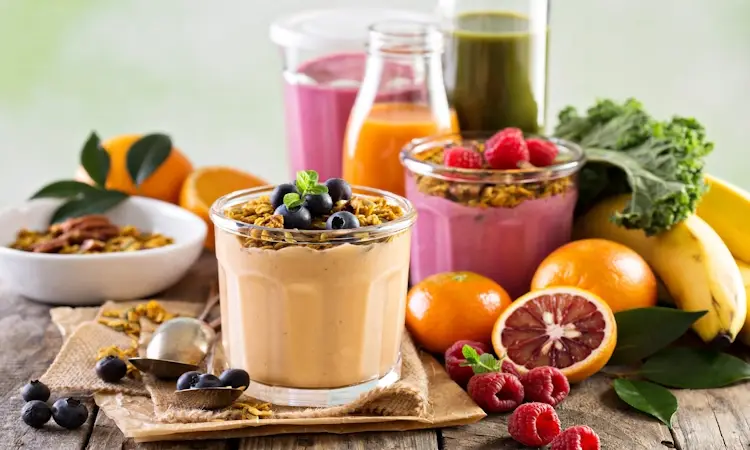
If your energy crashes by 3 pm, your sleep feels light, or your mood flips fast, hormones might be part of the story. Hormones act like tiny text messages inside the body, telling you when to feel hungry, calm, awake, sleepy, or ready for a workout. They also shape skin, cycles, and how you handle stress.That’s where functional smoothies come in. A functional smoothie is built with a purpose, not just taste. Instead of “fruit + milk and hope,” it’s a balanced blend that supports steady blood sugar, lowers inflammation, and adds key nutrients that many people miss.
Set expectations, though. Smoothies don’t “fix” hormones overnight. But small, repeatable habits can add up, especially when they help you stay full, stable, and less inflamed.
Weight Loss Programs
Diet & Weight Loss
Diet & Weight Loss
Diet & Weight Loss
Diet & Weight Loss
One safety note before you change your routine: if you’re pregnant, breastfeeding, on hormone therapy, or managing thyroid disease, PCOS, or diabetes, check with a clinician before adding new herbs, powders, or supplements.
Start with the basics: the hormone-friendly smoothie formula that keeps blood sugar steady
When people say a smoothie “wrecked” their hormones, it’s often a blood sugar issue. A fruit-heavy blend can hit like a sugary coffee drink: quick lift, then a drop. That drop can trigger cravings, irritability, and a shaky, wired feeling. Over time, that pattern can make PMS, acne, and sleep problems feel worse.
A better approach is a repeatable formula. Think of it like building a sturdy chair. If one leg is missing, it wobbles.
Here’s a simple template you can use most days (adjust portions for your body size, appetite, and goals):
- Protein (1 to 1.5 servings): Greek yogurt, kefir, cottage cheese, soy yogurt, or a protein powder
- Fiber (1 to 2 add-ins): chia, ground flax, oats, or cooked then cooled zucchini/cauliflower
- Healthy fat (1 add-in): nut butter, avocado, hemp hearts, or olive oil (yes, it works)
- Color (1 to 2 cups): berries, cherries, spinach, kale, or cacao
If you want a starting point from a clinician-style perspective, see this hormone health smoothie example and compare it to your usual blend.
The 4-part build: protein, fiber, healthy fat, and color
Protein steadies the whole drink. It slows how fast sugar enters the blood, and it helps you stay full. For many adults, a smoothie works best with 20 to 30 grams of protein (more for larger bodies or heavy training, less for smaller bodies or light appetites).
Fiber helps in two ways: it feeds gut bacteria, and it supports regular bowel movements. That matters because the gut helps clear hormone byproducts. Easy options include chia, ground flax, and oats.
Healthy fat keeps you satisfied and supports hormone building blocks. Add almond butter, peanut butter, avocado, or hemp hearts. Even a small spoon can change how you feel an hour later.
Color is where you get antioxidants and plant compounds. Berries and leafy greens pull a lot of weight here.
Common mistakes show up fast:
- Fruit-only blends that act like dessert
- Juice as a base (it’s basically sugar water)
- Oversized portions that turn a snack into two meals
Best liquid bases and add-ins when you bloat easily or feel wired and tired
If you bloat easily, start with a simple base: water, unsweetened almond milk, or lactose-free milk. Kefir can be great if you tolerate it, since it adds protein and probiotics. Coconut water helps hydration, but keep it to a small splash unless you’re sweating a lot.
Some people add coffee to smoothies and feel “on” for an hour, then anxious later. That can happen when caffeine pushes stress hormones higher than your system likes. If you’re sensitive, keep coffee out of the blender and sip it separately, after you’ve eaten.
For a calmer belly, use gentle add-ins: ginger, cucumber, mint, cinnamon, lemon, and a small pinch of salt. Salt sounds odd, but it can help if you’re working out, dealing with hot flashes, or getting lightheaded. Potassium-rich choices (like spinach or a little banana) can help too.
If a smoothie leaves you hungrier, it’s usually missing protein, fat, or both.
Best ingredients for hormone balance, and what each one actually helps with
This is where functional smoothies earn their keep. The goal isn’t a “superfood checklist.” It’s picking ingredients that match real symptoms: cravings, constipation, stress tension, breakouts, or sleep that won’t stick.
You’ll see a lot of trendy claims online. Instead, focus on ingredients with practical upsides and realistic portions. If it fits in a tablespoon or a small handful, it’s easy to repeat.
For another simple reference recipe built around familiar foods, this 5-minute hormone-balancing smoothie shows how berries, yogurt, and a few add-ins can create a more balanced result than fruit alone.
Seeds, greens, and berries for estrogen support and better digestion
Ground flax is a quiet workhorse. It adds fiber plus lignans, which may support healthy estrogen metabolism. Use 1 tablespoon of ground flax (not whole, which can pass through).
Chia seeds add thickening power, fiber, and plant omega-3s. Start with 1 teaspoon to 1 tablespoon, especially if you’re prone to constipation and forget to drink water.
Pumpkin seeds bring zinc and magnesium, two minerals many people run low on. A small sprinkle (1 tablespoon) goes a long way.
Spinach and kale add folate and other micronutrients without much sugar. If raw greens bother your stomach, use baby spinach or lightly steam greens, then cool and freeze them.
Berries add polyphenols that support inflammation balance. They also taste sweet without needing much banana.
You may hear about “seed cycling” (rotating seeds by cycle phase). Some people love it, and it can be a structured way to eat more seeds. Evidence is mixed, so treat it as optional, not required.
Most importantly, regular bowel movements matter. Hormone byproducts leave through the gut, so sluggish digestion can make symptoms feel louder.
Adaptogens and calming extras for stress, sleep, and cortisol balance
Adaptogens are herbs that may help the body handle stress better. They’re not magic, and they’re not for everyone. Still, some people notice better sleep, steadier energy, or fewer stress cravings when they use them carefully.
Common options include ashwagandha, rhodiola, maca, and holy basil. If you try one, start low and stick with one new herb at a time for at least a week. Mixing three powders at once makes it hard to know what helped, or what caused side effects.
Non-herbal calming options can fit smoothies too, such as magnesium glycinate (only if your clinician approves), L-theanine, tart cherry, and small amounts of cacao.
Safety matters here. Some herbs can interact with thyroid medication, SSRIs, and pregnancy. If you want a deeper look at different approaches used in practice, this roundup of DIY hormone smoothie ideas is a good example of how clinicians think about food-first structure plus cautious add-ins.
Hormone-balancing smoothie recipes for real-life needs (PMS, PCOS, menopause, and thyroid support)
Recipes are helpful, but the real win is matching the blend to your day. These Smoothies for hormonal health focus on protein, fiber, and a calm energy curve. Think of them as Natural hormone support drinks you can keep simple and repeat.
Each recipe stays at 6 to 9 ingredients. Adjust thickness with more liquid, and sweetness with less fruit.
PMS support smoothie for cramps, cravings, and mood swings
Frozen mixed berries, 1/2 banana, Greek yogurt or soy yogurt, 1 tablespoon ground flax, 1 teaspoon cacao, 1/2 teaspoon cinnamon, pinch of salt, 1 tablespoon pumpkin seeds (optional).
Why it helps: berries and cacao bring polyphenols, while yogurt and flax slow sugar spikes that can drive cravings. Pumpkin seeds add magnesium support for tense muscles and mood. If banana spikes your blood sugar, swap it for a handful of frozen cauliflower rice.
PCOS-friendly smoothie to support steady energy and fewer cravings
Unsweetened protein powder (whey isolate or plant protein), big handful spinach, frozen blueberries, 1 tablespoon chia, 1 tablespoon nut butter, 1/2 teaspoon cinnamon, unsweetened almond milk, inositol (optional, only if you already use it).
Why it helps: higher protein and fiber can support insulin resistance and appetite control. Keep added sugar low, since PCOS symptoms often flare when blood sugar swings. If you take metformin or other meds, personalize this plan with your clinician.
Menopause relief smoothie for hot flashes, sleep, and bone support
Kefir or fortified soy milk, frozen cherries or berries, 2 tablespoons oats, 1 tablespoon ground flax, handful spinach, splash vanilla, collagen (optional).
Why it helps: kefir or fortified soy boosts calcium (and often vitamin D), which supports bones. Soy foods help some people with hot flashes, while tart cherries may support sleep quality. This is one of the easiest Smoothies for PMS and menopause relief because it’s gentle, filling, and not too sweet.
Need another simple menopause-style flavor profile? This almond, maca, and cinnamon smoothie shows how warming spices can make a low-sugar blend taste cozy.
Gentle thyroid-support smoothie when you feel cold, tired, and puffy
Protein source (Greek yogurt, lactose-free yogurt, or protein powder), cooked then cooled cauliflower or zucchini (frozen works), blueberries, 1 Brazil nut (only one), 1 tablespoon pumpkin seeds, small knob of ginger, water or milk of choice.
Why it helps: one Brazil nut adds selenium, which supports thyroid enzyme function, but too much can be harmful, so keep it to one. Ginger supports digestion and helps the flavor. If you take thyroid meds, timing matters, don’t take meds with a high-fiber smoothie. Also skip iodine add-ins like kelp unless a clinician tells you to use them.
How to make functional smoothies a habit without messing up your calories, digestion, or meds
The best smoothie is the one you can repeat without stress. That means it has to fit your schedule and your stomach. It also needs to match your hunger. A smoothie can be a meal, but it shouldn’t accidentally become a 900-calorie milkshake.
This is where functional smoothies become less about recipes and more about rhythm. Make it easy, and you’ll do it on busy mornings.
Prep once, blend fast: freezer packs, portion cues, and smart timing
Pick one day to prep 3 to 5 freezer bags. Add fruit, greens, and any mild veggie (like zucchini). Keep seeds in a jar on the counter, so you remember them. Pre-portion protein powder in small containers if mornings are chaotic.
Timing options that work for many people:
- Breakfast, if you tend to skip protein early
- Post-workout, when your body wants protein and carbs
- Afternoon slump, especially if you snack on sweets at 3 pm
Some people feel best when a smoothie replaces a meal, not when it’s added on top of lunch.
Common problems and easy fixes (gas, too sweet, not filling, medication timing)
Gas often comes from too much raw cruciferous veg. Switch to spinach, or steam greens and freeze them. If your smoothie tastes too sweet, cut the fruit in half and add cinnamon or cacao. When it’s not filling, add more protein and a spoon of nut butter.
Constipation can happen when you add fiber but not water. Increase liquid, add chia, and keep your day-to-day hydration steady.
Medication timing matters, too. Thyroid meds and some antibiotics can bind with minerals or fiber. Ask your pharmacist about spacing if you’re unsure.
If you’re experimenting with herbs, keep your setup simple. Adaptogenic smoothies for hormone regulation can be helpful for some people, but only when you use one new add-in at a time and track how you feel.
Consistency beats intensity. A “pretty good” smoothie 4 days a week works better than a perfect one once.
Conclusion
Hormone support doesn’t have to be complicated. A purposeful smoothie works best when it keeps blood sugar steady, supports stress resilience, and fills common nutrient gaps. Start with one goal (PMS, menopause, or steadier energy), then track two or three signals for two weeks, such as sleep, cravings, and digestion.
Next, pick one recipe from your smoothie guide, then make it a few times before you switch things up. That repetition helps you spot what actually works for your body. If symptoms feel severe or don’t improve, partner with a registered dietitian or clinician for a more personal plan. With a simple formula and a bit of patience, functional smoothies can become a calm, reliable part of your day.

The AnySmoothie team is all about smarter smoothie recipes made with whole-food ingredients. Everything we share centers on balanced nutrition, steady energy, and low-glycemic choices, so you can sip a smoothie that keeps you full, feels good, and helps you avoid sugar crashes.
- Disclaimer: This content is for educational use only. These smoothie recipes and nutrition details aren’t a substitute for medical advice from a licensed health professional. Please read our full Medical Disclaimer here.
Dietary Supplements
Dietary Supplements

Dietary Supplements
Dietary Supplements
Dietary Supplements
NeuroQuiet – Daily Support for Brain Health, Hearing, and Tinnitus Relief