
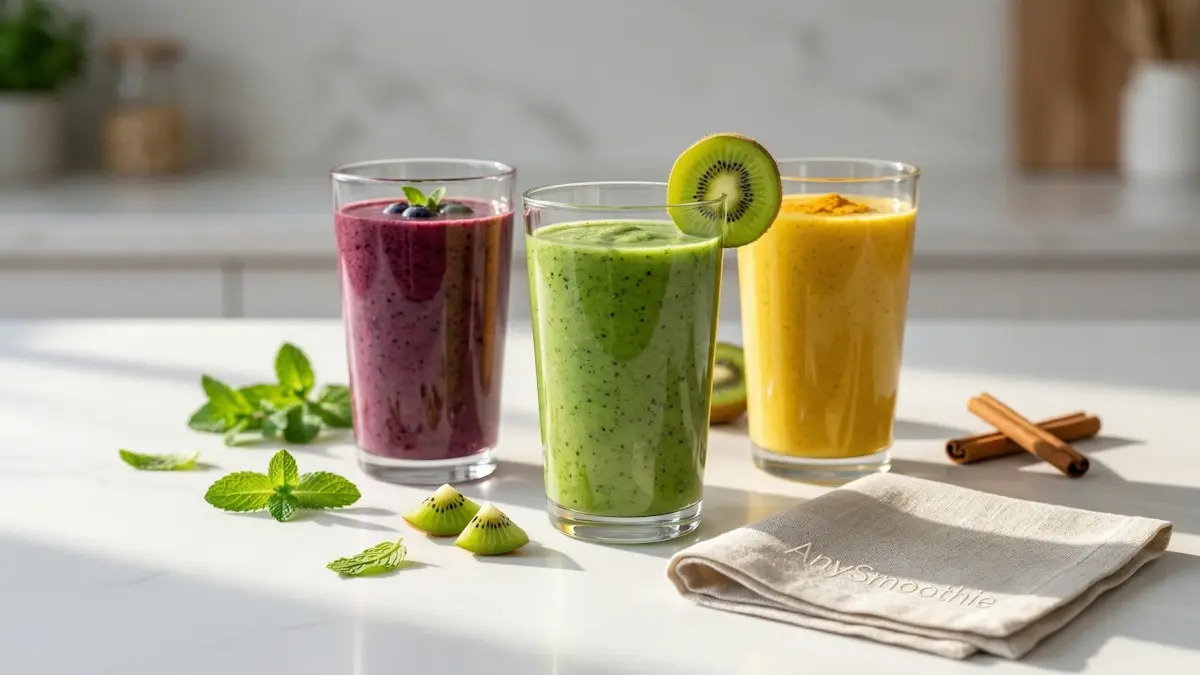
Tired of “healthy” smoothies that leave you hungry an hour later or taste like blended grass? You’re not the only one. In 2026, smoothie-making has moved beyond fruit and ice. A smoothie that supports your goals should do more than taste good, it should work like a real meal.
A great smoothie comes down to balance. Combine quality protein, healthy fats, and fiber-rich carbs to stay full and avoid a sugar crash. This approach helps whether you want high-protein smoothies without protein powder or a thick smoothie bowl base that can hold toppings without turning runny.
This guide explains what makes a smoothie satisfying and effective. You’ll get budget-friendly frozen fruit smoothie tips, recipes for heavy metal detox smoothies, and simple ways to turn basic ingredients into nutrient-dense meals. You’ll also learn how to add hidden veggie smoothies for kids without complaints, plus how to prep make-ahead smoothie packs for rushed weekday mornings.
Ready to drink smarter and feel better? Here’s the smoothie blueprint that makes it easy.
High-Protein Smoothies Without Protein Powder
You don’t need a scoop of powder to make a smoothie that keeps you full. Whole foods can pack in plenty of protein, plus fiber and healthy fats that help slow digestion and steady energy.
Start with a high-protein base. Greek yogurt, skyr, kefir, and cottage cheese blend up thick and creamy. If you want dairy-free, use soy milk or pea-based milk (many have more protein than almond or oat milk). Silken tofu is another easy option, it disappears into the texture and takes on the flavor of fruit and cocoa.
Next, add protein boosters that also improve taste. Nut butters (peanut, almond, cashew) bring richness. Hemp hearts, chia seeds, and ground flax add a mild nuttiness and help thicken the drink. Rolled oats add body and make the smoothie more satisfying, even if they don’t add huge protein on their own. For a more filling blend, try a small handful of cooked white beans; they’re mild, creamy, and pair well with cinnamon, vanilla, or berries.
A common pushback is that powder is faster and “more precise.” That’s true for quick macros, but whole foods are simple too, and they often taste better. They also add calcium, probiotics, and fiber that powders don’t always give you.
Keep it smooth: blend your liquid and base first, then add frozen fruit and mix-ins. Use banana, mango, or frozen cherries for sweetness without needing extra sugar. Want a filling, healthy blend? Try our Naturally High-Protein Smoothies (No Powder Needed) for whole-food recipes that add protein without supplements.
Low-Carb Smoothies for Sustained Energy (No Sugar Crash)
A low-carb smoothie doesn’t have to taste like diet food. The trick is to build it like a balanced snack, not a fruit drink. That means protein first, then healthy fat, then fiber-rich produce, then just enough flavor boosters to make it something you’ll actually want to drink.
Start with a protein base. Unsweetened Greek yogurt, cottage cheese, kefir (plain), or an unsweetened protein powder all work. Protein smooths out the rise and fall you can get from a fruit-heavy blend. Next, add fat for staying power. A tablespoon of nut butter, chia seeds, ground flax, or half an avocado makes the texture richer and helps you feel full longer.
For low-sugar produce, reach for berries (especially raspberries and blackberries), zucchini, cauliflower rice, spinach, kale, cucumber, and celery. They blend well and keep carbs lower than bananas, mango, or pineapple. If you miss the “classic smoothie” taste, use a small amount of banana (half is often enough) or add vanilla extract and cinnamon. Unsweetened cocoa powder can also make it feel like dessert without the sugar.
A simple formula:
- 1 to 1.5 cups unsweetened liquid (almond milk, dairy milk, or water)
- 20 to 35 grams protein
- 1 to 2 tablespoons fat (or 1/2 avocado)
- 1 to 2 cups low-sugar produce
- Ice to thicken
People sometimes argue low-carb smoothies aren’t great for workouts. That can be true for high-intensity training when you need fast carbs. The fix is easy: keep it low-carb on regular mornings, then add carbs on training days. Oats, a full banana, or a spoon of honey can be a smart add-on when you’ll burn it.
If your low-carb smoothie tastes “green” or flat, it usually needs salt and acid. Add a tiny pinch of salt and a squeeze of lemon. It brightens the flavor the same way it does in cooking.
Quick idea: Blend unsweetened almond milk, frozen raspberries, spinach, vanilla protein, chia seeds, lemon juice, and ice. It’s thick, tart, and steady energy, without the mid-morning crash. Feeling those afternoon energy drops? Our Low-Carb Smoothies With No Sugar Crash, so you get steady energy without the crash.
Best Anti-Inflammatory Smoothie Ingredients for Recovery
Recovery smoothies should do two jobs: support muscle repair and help you feel better after hard training, long shifts, or poor sleep. You can’t “erase” inflammation with a drink, but you can choose ingredients linked to healthier inflammation levels and better overall nutrition.
Tart cherry is a standout for post-workout soreness. Use unsweetened tart cherry juice in small amounts, or buy frozen tart cherries when you can find them. Berries are another strong pick. They’re rich in plant compounds and fiber, and they don’t overpower the blend.
Ginger and turmeric bring bold flavor and are often used for recovery. Turmeric works best paired with black pepper and a bit of fat. Add 1/4 teaspoon turmeric, a tiny pinch of black pepper, and a spoon of yogurt or nut butter. Fresh ginger (a small knob) adds bite and can help a heavy smoothie feel lighter.
Don’t forget omega-3 fats. Ground flax, chia, and hemp hearts are easy adds. If you use walnuts, blend longer so you don’t end up with grit. For protein, plain Greek yogurt and whey isolate mix smoothly and support muscle repair. If dairy doesn’t sit well, use a pea-protein blend and add extra ice and fruit to improve texture.
A good recovery blend usually includes:
- Protein (20 to 35 grams)
- A colorful fruit (berries or cherries)
- A spice (ginger, turmeric, or cinnamon)
- A healthy fat (flax, chia, hemp, or nut butter)
- Hydration support (water, milk, or coconut water)
Some people push back on the idea of “anti-inflammatory” smoothies because it can sound like a cure-all. That’s fair. A smoothie can’t replace sleep, rest days, and overall diet quality. It can, however, make it easier to eat more fruit, fiber, and protein in one go, which supports recovery in a practical way.
If you’re watching sugar, use mostly berries and keep juice to 2 to 4 ounces. If you want it creamier without adding more sugar, use frozen cauliflower rice. It sounds odd, but it disappears in chocolate or berry blends.
For evidence-based nutrition basics, Harvard’s overview of inflammation and diet is a solid reference:harvard.edu/staying-healthy/foods-that-fight-inflammation
Try this: milk or kefir, frozen blueberries, frozen tart cherries, vanilla protein, ground flax, grated ginger, turmeric, black pepper, and ice. It tastes like a berry spice shake, and it fits the recovery goal without turning into a sugar bomb. Find the top anti-inflammatory smoothie ingredients to help your body recover faster.
Thick Smoothie Bowl Bases: The Secret to No-Melt Textures
A smoothie bowl should hold a spoon. If it turns into soup after two minutes, the base was too wet or too warm. “No-melt” texture comes from controlling water content, using the right frozen ingredients, and blending in a way that keeps air and heat out.
First, go heavy on frozen and light on liquid. Most thick bowls only need 1/4 to 1/2 cup liquid total, depending on your blender. Too much liquid is the main reason bowls won’t stay thick. Use a tamper if you have one. If you don’t, stop and scrape, then pulse.
Choose frozen fruit that blends creamy. Frozen bananas give the thickest body, but they’re not the only option. Frozen mango thickens well too, and frozen avocado creates a rich, soft base without a strong taste. For a lower-sugar option, use frozen berries plus a thickener like Greek yogurt or silken tofu.
Next, add “dry thickeners” that bind water:
- Rolled oats (2 to 3 tablespoons)
- Chia seeds (1 tablespoon, then rest 5 minutes)
- Ground flax (1 tablespoon)
- Psyllium husk (use lightly, it thickens fast)
A common mistake is adding ice to thicken a bowl. Ice adds water as it melts, so the bowl loosens quickly. Use frozen fruit instead. If you need extra chill, freeze your bowl for 10 minutes before serving.
People sometimes argue smoothie bowls are just smoothies with toppings, and the toppings add too many calories. That can happen if you pile on granola, coconut flakes, and nut butter all at once. Keep toppings simple and measured. Choose one crunch (granola or nuts), one fresh fruit, and one extra (cacao nibs or hemp hearts). You’ll get the fun texture without turning it into a dessert for breakfast.
For structure that lasts, build a base like this:
- 2 to 3 cups frozen fruit (or a frozen fruit and veggie mix)
- 1/4 cup liquid, added slowly
- 1/2 cup thick yogurt or a scoop of protein
- 1 tablespoon chia or oats
Blend on low first to break up chunks, then increase speed. Stop as soon as it’s smooth. Over-blending warms it up, which makes it melt faster.
A reliable combo: frozen berries, frozen zucchini, vanilla Greek yogurt, a little milk, chia, and a pinch of salt. It stays thick, tastes bright, and holds toppings without sinking. For more details, read: How to Make Smoothie Bowls Thick Without Ice.
Budget-Friendly Frozen Fruit Smoothie Hacks
Smoothies can get expensive fast if you buy fresh berries every week or rely on single-serve packs. You can keep the taste and cut the cost by using frozen staples, smart add-ins, and simple prep that reduces waste.
Frozen fruit is often cheaper than fresh and lasts longer. Store brands can be just as good as premium. Watch for blends that sneak in sugary sauces. The best bags list fruit only. If you want the lowest price per ounce, compare the big bags and look at unit cost.
Bananas are the best budget thickener. Buy them on sale, peel, slice, freeze on a tray, then store in a bag. They replace ice and add creaminess. If you don’t love banana flavor, use half a banana plus frozen cauliflower rice.
Use frozen veggies to stretch fruit without losing taste. Spinach, riced cauliflower, and zucchini are mild and blend smooth. A handful of spinach disappears in berry or chocolate blends. Cauliflower sounds strange, but it mostly adds thickness and a cold, creamy feel.
Yogurt and milk can add up too. Cottage cheese is often cheaper than Greek yogurt and packs protein. Blend it well and you won’t notice the curds. Peanut butter is usually the most affordable nut butter and gives great flavor.
Sweeteners are another hidden cost. If you buy flavored yogurt and sweetened milks, you’re paying more for sugar. Go plain and add cinnamon, vanilla extract, or cocoa powder. You’ll get better control and better value.
Some people say budget smoothies can’t taste as good. The truth is, flavor comes from contrast. Add a pinch of salt, a squeeze of citrus, or a spoon of cocoa. Those are low-cost changes that make a big difference.
Try a “pantry smoothie” setup:
- Frozen banana + frozen mixed berries
- Plain yogurt or cottage cheese
- Oats
- Cinnamon
- Water or milk
If you want to track nutrition without guessing, the USDA FoodData Central database helps you check what’s in common smoothie ingredients: https://fdc.nal.usda.gov/
Extra hacks that save money:
- Freeze leftover coffee in cubes for mocha smoothies.
- Freeze ripe fruit before it turns.
- Buy big tubs of yogurt and portion them into freezer cubes.
- Use lemon juice to brighten cheap frozen berries.
A solid budget blend: milk, frozen banana, frozen berries, oats, peanut butter, cinnamon, and ice. It’s filling, tastes like a classic smoothie, and costs less per serving than most store-bought options. For more details, read: How to Use Frozen Fruit for Cheap Smoothies.
Heavy Metal Detox Smoothies: Science-Backed Ingredients
The phrase “heavy metal detox smoothie” gets thrown around a lot, and it’s easy to see why. It sounds simple and hopeful. The problem is that true heavy metal poisoning is a medical issue, not a blender recipe. If you think you’ve had high exposure, you need a clinician and proper testing.
That said, you can support your body’s normal detox systems with foods that help overall gut health, regular digestion, and nutrient status. That’s a smarter and more honest goal for a “detox-style” smoothie.
Fiber is a big one. Fiber supports regular bowel movements, which is one way the body gets rid of waste. Add chia, ground flax, oats, or beans (yes, white beans blend well in creamy smoothies). Cruciferous veggies like kale and broccoli sprouts contain compounds your body uses in normal detox pathways. If broccoli sprouts feel too strong, use baby kale and lemon.
Citrus can support antioxidant intake. Use lemon or orange, or add the zest for stronger flavor. Cilantro gets hyped online as a metal “binder,” but evidence in humans is limited. If you like the taste, it’s fine to include, but don’t treat it like a guaranteed fix.
Pectin-rich fruit (apples, citrus) and minerals like calcium, iron, and zinc matter too, because nutrient deficiencies can increase absorption of certain metals. A smoothie that includes yogurt, fortified milk, or tofu can help cover those bases.
People push back on detox smoothies for good reasons. Some claims are exaggerated, and some plans encourage extreme fasting. You don’t need that. A steady approach works better: eat enough protein, get fiber daily, and include a range of fruits and veggies.
A practical “support” smoothie:
- Unsweetened kefir or yogurt
- Frozen berries
- Baby kale
- Ground flax or chia
- Lemon juice and zest
- Optional small piece of fresh ginger
If you want to reduce heavy metal exposure from food sources, one evidence-based step is to pay attention to rice products and vary your grains, since rice can contain arsenic. The FDA has consumer guidance on arsenic in rice and rice-based foods:food/environmental-contaminants-food/arsenic-food-and-dietary-supplements
Keep the goal realistic. A smoothie can help you eat more fiber and nutrients consistently. That supports your body’s built-in systems, without promising miracles.Read the full article: Heavy Metal Detox Smoothie Ingredients Backed by Scientific Research.
Hidden Veggie Smoothies for Kids (That Actually Taste Good)
Getting kids to drink a veggie smoothie comes down to two things: taste and texture. If it looks swampy or tastes bitter, it’s over. The goal is a smoothie that tastes like fruit first, with veggies working quietly in the background.
Start with mild veggies. Spinach is the classic because it blends smooth and has a light taste when paired with berries. Zucchini is another winner, especially frozen. It adds thickness and a creamy mouthfeel without a strong flavor. Riced cauliflower also disappears when blended with cocoa, peanut butter, or berries. Steamed and frozen carrots work well in “orange” smoothies with mango and cinnamon.
Color helps. If the smoothie is bright purple from blueberries, kids won’t care that there’s spinach inside. If it’s chocolate, even better. Use cocoa powder, peanut butter, and a frozen banana to make it taste like a milkshake. For a green smoothie, use a small amount of spinach and keep it sweeter with pineapple or mango, then shift the ratio over time.
Texture matters as much as flavor. Strain out seeds if they’re a deal breaker, or choose seedless fruit. Blend longer than you would for adults, so it’s perfectly smooth. If you use chia, let it sit first so you don’t end up with a “gel” surprise.
Some parents worry smoothies hide too much and kids won’t learn to eat veggies. That’s a fair point. The answer is to treat smoothies as one tool, not the only tool. Keep serving veggies in meals, and use smoothies to add extra nutrients on busy days. It’s not either or.
A few kid-friendly combos:
- Chocolate PB: milk, banana, cocoa, peanut butter, spinach, ice
- Purple berry: yogurt, frozen blueberries, frozen strawberries, spinach, honey (optional)
- Orange creamsicle: milk, frozen mango, steamed frozen carrots, vanilla, cinnamon
To cut sugar, use more berries and less juice. Use plain yogurt instead of flavored. If you need sweetness, use half a date or a little honey, then slowly reduce it as your kid adjusts.
For less mess, use a cup with a lid and a wide straw. Serve right away, cold and thick, since warmer smoothies taste more “green.” Learn more:Healthy Hidden Veggie Smoothies for Kids.
Pre-Prep Smoothie Packs for Busy Mornings
Pre-prep smoothie packs save time and reduce waste. They also make your smoothies more consistent, which is a big deal if you’re trying to hit protein goals or keep sugar in check. The idea is simple: build freezer bags with your produce and extras, then dump, add liquid and protein, and blend.
Start with a basic pack formula:
- 1 to 1.5 cups frozen fruit
- 1/2 to 1 cup veggie (spinach, kale, zucchini, cauliflower rice)
- Optional: 1 tablespoon chia or ground flax
- Optional: pinch of salt, cinnamon, or cocoa
Keep powders out of the freezer bag if they clump. Add protein powder right before blending. If you use yogurt, freeze it in dollops on a lined tray first, then toss the frozen dollops into bags. That keeps it from freezing into one big block.
Label each bag with the liquid amount you like (for example, “Add 3/4 cup milk”). It removes morning guesswork. If you’re packing for a week, rotate flavors so you don’t get bored by Wednesday.
People sometimes say smoothie packs take too much time up front. The fix is to batch while you’re already doing kitchen work. Prep bags right after grocery shopping, or while you’re cutting fruit for snacks. Ten packs can take 20 to 30 minutes once you get the hang of it.
A few pack ideas:
- Berry Greens: mixed berries, spinach, chia
- Tropical: mango, pineapple, zucchini, shredded coconut (unsweetened)
- Chocolate: banana slices, spinach, cauliflower rice, cocoa
- Coffee: frozen banana, frozen coffee cubes, cocoa, pinch of salt
For food safety and best quality, keep freezer packs sealed tight and use them within two to three months. If freezer burn shows up, the smoothie is still safe, but flavor can fade.
Morning workflow:
- Pour liquid in blender first.
- Add the frozen pack.
- Add protein, yogurt, or nut butter.
- Blend, then adjust thickness with a splash more liquid.
If you want an even faster routine, keep a “smoothie shelf” in your pantry with chia, cocoa, cinnamon, and protein. No searching, no half-open bags all over the counter. For more details, read the full article: Pre-Prep Smoothie Packs for Busy Mornings.
Probiotic-Rich Gut Health Smoothies: Beyond the Fiber
A gut-friendly smoothie isn’t just about adding flax and calling it a day. Fiber helps, but probiotics and fermented foods can play a role too. The best approach is to combine probiotic foods with prebiotic fibers, then keep added sugar low.
For probiotics, choose plain kefir, plain yogurt with live cultures, or other cultured dairy. Non-dairy options can work too, but check the label for live cultures and added sugar. If you add a probiotic capsule, keep your expectations realistic. Food-based options tend to be easier to stick with, and they also bring protein and minerals.
Prebiotic fibers feed helpful gut bacteria. Good smoothie options include:
- Slightly green banana (or banana plus oats)
- Oats
- Ground flax
- Chia
- Cooked and cooled potatoes (not common in smoothies), or cooked and cooled oats (overnight oats blended in)
Add polyphenol-rich fruits like berries, which may support a healthier gut microbiome. You’ll also want to limit ultra-sweet mixes. Too much sugar can upset some stomachs and makes it harder to tell what’s helping.
Some people argue probiotics are overhyped, and for certain people they can cause gas or bloating. That’s true. Start small. Use 1/2 cup kefir instead of 2 cups. Use berries instead of a lot of tropical fruit. If you’re sensitive to sugar alcohols, avoid “sugar-free” sweeteners that can cause stomach issues.
Temperature and timing matter. If you’re using live cultures, don’t blend with hot liquids. Heat can reduce live bacteria. Cold blends are best.
A balanced gut smoothie:
- 1 cup plain kefir
- 1 cup frozen blueberries
- 1/3 cup rolled oats
- 1 tablespoon ground flax
- Cinnamon and a pinch of salt
Blend until smooth, then let it sit for two minutes to thicken. If it’s too thick, add a splash of water.
If you’re looking for a science-based overview of probiotics and what they can and can’t do, the NIH Office of Dietary Supplements has a clear fact sheet: https://ods.od.nih.gov/factsheets/Probiotics-Consumer/
Stick with consistency. A gut-friendly smoothie works best as part of a steady routine, along with enough water, regular meals, and a mix of plant foods across the week. For more details, read the full article: Probiotic-Powered Smoothies for Gut Health.
Nootropic “Brain Boost” Smoothies for Mental Clarity and Steady Focus
A “brain boost” smoothie should support focus without turning into a jittery caffeine bomb. The best blends aim for stable blood sugar, enough protein, and nutrients linked to brain health. You’ll feel the difference most when you use them in place of a pastry breakfast, not on top of one.
Start with protein and fats. Your brain needs a steady fuel supply, and a high-sugar smoothie can backfire with a crash later. Use Greek yogurt, kefir, cottage cheese, or a quality protein powder. Add fats like walnuts, chia, flax, or almond butter. These slow digestion and help you stay satisfied.
Next, add produce with a strong nutrient profile. Berries are great for their plant compounds. Leafy greens add folate and magnesium. If you want an easy “brain” add-in, cocoa powder brings flavor and naturally occurring compounds found in cacao. Keep it unsweetened.
Caffeine can help, but dose matters. If coffee works for you, add a small amount of cold brew or matcha. Pair it with protein and fat to soften the spike. If caffeine makes you anxious, skip it and use peppermint or cinnamon for a “wake up” feel without stimulation.
Common add-ins people call “nootropics” include L-theanine, creatine, and certain herbs. Some have research behind them, but supplements can interact with meds and aren’t for everyone. Food-first is the safest base. If you do use a supplement, keep it simple and consistent, and don’t stack five things at once.
People sometimes say brain smoothies are marketing fluff. That can be true when the recipe is just fruit juice and a sprinkle of powder. A real focus smoothie is mostly about macros and timing. Protein plus fiber plus healthy fat is the boring, effective combo.
Try this steady-focus blend:
- Milk or kefir
- Frozen blueberries
- Spinach (small handful)
- Vanilla protein
- Ground flax or chia
- Unsweetened cocoa
- Optional: 2 to 4 ounces cold brew
Taste, then add a pinch of salt. It sharpens chocolate flavor and makes the whole smoothie taste more “finished.”
If you need it thicker, add frozen zucchini or more ice. If you need it less sweet, add more cocoa and use berries instead of banana. This kind of smoothie won’t magically make work fun, but it can help you feel more even and clear through the morning. For more details, read the full article: Brain Boost Smoothies for Focus and Clarity.
Antioxidant-Rich Smoothies for Immune Support
Antioxidant-rich smoothies are a simple way to support your immune system with everyday foods. Antioxidants help protect your cells from stress caused by normal life, like hard workouts, poor sleep, or exposure to pollution. While no drink can “boost” immunity overnight, a steady intake of colorful fruits and veggies can support your body’s natural defenses.
Start with berries because they’re packed with compounds like anthocyanins. Blueberries, strawberries, and blackberries bring a deep color and a bright, fresh taste. For a smoother texture, add a banana or a few slices of mango. Then, toss in a handful of spinach or kale. The flavor stays mild, especially when you blend it with fruit, yet you still get extra vitamin C, vitamin A, and other helpful plant nutrients.
Next, add a healthy fat so your body can better absorb fat-soluble vitamins. For example, use a spoonful of almond butter, chia seeds, or ground flaxseed. Besides adding a creamy mouthfeel, these also bring fiber, which supports gut health. Since a big part of your immune system ties back to the gut, fiber matters.
For extra flavor and a little zip, try grated ginger or a squeeze of lemon. Ginger adds warmth and pairs well with pineapple. Lemon brightens the whole mix without needing added sugar. If you want a protein option, plain Greek yogurt works well. On the other hand, if dairy doesn’t sit right with you, use an unsweetened soy or pea-protein yogurt instead.
Some people worry smoothies carry too much sugar. That can happen if you use lots of juice, sweetened yogurt, or several servings of fruit at once. Still, you can keep it balanced. Use water, unsweetened milk, or brewed green tea as your base. Then, limit juice and add veggies, chia, or oats to slow digestion and help you stay full longer.
Also, keep portion size in check. A 12 to 16-ounce smoothie fits most routines. If you’re drinking it as a snack, skip extra add-ins. If it’s a meal, include protein and fat.
Try this easy combo: frozen mixed berries, spinach, plain yogurt (or a dairy-free option), chia seeds, grated ginger, and water. It tastes fresh, blends fast, and gives you a steady mix of antioxidants without going overboard. For more details, read the full article: Powerful Antioxidant Smoothies for Strong Immunity.
Smoothies for Heart Health and Cholesterol Balance
A well-made smoothie can be a steady ally for heart health and cholesterol balance. Think of a glass that blends bright flavors with real nutrients, delivering steady energy without a heavy feeling. Start with a base of leafy greens, such as spinach or kale, which add fiber, vitamins, and minerals without weighing you down. Add a handful of berries for natural sweetness and a punch of antioxidants that help protect blood vessels. A splash of citrus juice can brighten the mix and provide extra vitamin C, which supports overall vessel health.
Proteins and healthy fats are important partners in this mix. Consider low-fat yogurt or a plant-based alternative to add protein that helps you feel full longer. A spoonful of chia seeds or ground flaxseeds introduces heart-healthy omega-3 fats and fiber, aiding cholesterol management and steady digestion. For creaminess, opt for a small portion of avocado or a splash of almond milk; both choices contribute good fats that support heart function without tipping the scale.
When building flavors, aim for balance. Use a ripe banana or a few pieces of fresh mango to provide natural sweetness, reducing the need for added sugars. A pinch of cinnamon can add warmth and may help with blood sugar control. If you like a touch of zing, add a piece of ginger or a few mint leaves; both deliver refreshing notes without overpowering the blend.
Practical guidelines make this routine work. Keep portions in check to avoid excess calories, and choose ingredients with proven heart benefits. Oats or nut butters can lend creaminess while boosting soluble fiber and healthy fats. Fresh or frozen produce works well, so you can enjoy a nutrient-rich smoothie any day of the week. Prepping ingredients in advance saves time and keeps you consistent.
Some people worry that smoothies might replace solid meals. In reality, a smoothie is best used as a supplement to a balanced diet, not a sole source of nutrition. It should complement whole foods like vegetables, whole grains, lean proteins, and legumes. If you have specific health concerns, such as high cholesterol or a history of heart disease, talk with a clinician or a registered dietitian to tailor your blends.
In short, smoothies can be tasty, approachable, and effective tools for heart health and cholesterol balance. They work best when you choose fiber-rich bases, add lean protein or healthy fats, and keep added sugars to a minimum. With thoughtful choices, a daily smoothie supports your goals without sacrificing flavor or variety. Want to learn more? Check out the full article: Smart Smoothies for a Healthy Heart.
Smoothies to Support Hormonal Balance
A well-built smoothie can support steadier hormones because it pairs fiber, protein, and healthy fats in one easy meal. That mix helps slow down sugar spikes, which matters since blood sugar swings can push insulin up and down. Over time, that pattern can affect sex hormones and stress hormones, too.
Start with a fiber-rich base. For example, berries, pears, apples, and leafy greens add fiber without a lot of sugar. In addition, ground flax or chia thickens a smoothie while adding lignans and omega-3 fats, both tied to hormone support. If you want a creamier texture, try avocado. It adds fat that helps you feel full, so you’re less likely to snack on sweets later.
Next, add enough protein to make it satisfying. Greek yogurt, kefir, cottage cheese, soy milk, and pea or whey protein all work. Aim for a noticeable protein “anchor,” not just a splash. Protein matters because it helps blunt the rush from fruit and keeps hunger signals calmer. As a result, you may feel more even energy through the morning.
Healthy fats help, too. Nut butters, hemp hearts, and pumpkin seeds add fat plus minerals. Pumpkin seeds bring zinc and magnesium, which many people fall short on. Meanwhile, walnuts and chia add omega-3s, which can support a normal inflammatory response.
You can also use targeted add-ins. For example, cinnamon adds warmth and pairs well with berries or banana. Ginger can help if you feel puffy or off after meals. Besides that, cacao gives a rich flavor and adds magnesium, just keep portions modest since it can be intense.
Some people think smoothies are “too sugary.” That can be true if it’s mostly juice, sweetened yogurt, and several bananas. On the other hand, you don’t need to fear fruit. Keep the fruit to one to two servings, skip juice, and add protein and fat. The result tastes good and still supports steadier blood sugar.
If you’re sensitive to dairy, choose unsweetened soy or a pea-protein blend instead. Also, if you’re using greens like spinach daily, rotate with kale or romaine for variety.
Simple combo to try: frozen berries, spinach, unsweetened kefir or soy milk, ground flax, a scoop of protein, and a spoon of almond butter. Blend until thick, then drink slowly. That pace helps your body register fullness. Want to learn more? Check out the full article: Functional Smoothies for Optimal Hormone Balance.
Hydration and Electrolyte Smoothies for Active Lifestyles
Hard workouts drain more than energy, they pull water and key salts from your body through sweat. When you replace only water, you may still feel flat, cramped, or foggy. A smoothie can help because it pairs fluid with electrolytes and easy carbs. It’s also gentler than chugging a big bottle right after training.
Start with a liquid base. Coconut water adds potassium and a light sweetness. Milk or yogurt brings sodium and protein, which helps recovery. If you’re dairy-free, try soy milk for a similar protein boost. Next, add fruit that holds water. Watermelon, oranges, berries, and grapes blend fast and taste bright. Bananas thicken the mix and add more potassium, which many active people need.
For extra minerals, toss in a pinch of sea salt. This sounds odd, yet it can make a post-run drink work better. You can also use foods that naturally carry sodium, such as cottage cheese or a small spoon of miso, as long as the flavor fits your recipe. Meanwhile, leafy greens like spinach add magnesium and iron without much taste. If you want a sharper edge, add grated ginger or a squeeze of lime.
Timing matters too. After a long ride or hot practice, drink one within 30-60 minutes. Before training, keep fiber lower so your stomach stays calm. In that case, choose peeled fruit and skip chia and heavy nut butters. On the other hand, for everyday hydration, those add-ins can slow digestion and keep you satisfied.
Some people argue sports drinks are simpler, and they’re right when you need speed and exact dosing. However, smoothies let you control sugar and add real food nutrients. If you track sodium for heavy sweat days, measure it with a 1/8-teaspoon pinch and adjust.
Finally, keep it cold and safe. Freeze fruit ahead, blend fast, and rinse bottles right away. A simple combo to try: coconut water, frozen berries, half a banana, Greek yogurt, spinach, lime, and a tiny pinch of salt. As a result, you get a smooth, refreshing drink that supports long days on the move.
If you sweat a lot, weigh yourself before and after sessions. Each pound lost equals about 16 ounces of fluid to replace. Also watch added boosters. Caffeine and sugary syrups can upset sleep and stomachs. For heat races, blend, then pour over ice for slower sipping, and keep a bottle ready. Learn more, check out the full article: Hydrating Smoothies for Active Lifestyles.
Smoothies for Blood Sugar Balance and Diabetes Support
Smoothies can fit into a blood sugar friendly routine when you build them with the same care you’d give any balanced meal. Done right, they’re cold, creamy, and convenient, yet they still support steadier glucose levels for people with prediabetes or diabetes.
First, start with a low-sugar base. Unsweetened almond milk, soy milk, or plain kefir adds volume without a big carb hit. Water works too, although dairy or soy can add more staying power. Next, choose fruit with a gentler glucose response. Berries (blueberries, raspberries, strawberries) bring bright flavor plus fiber, so they tend to be easier on blood sugar than juice, mango, or large amounts of banana. If you love banana, use a half and keep the rest of the smoothie lower in carbs.
Then, add fiber and protein on purpose. Chia seeds, ground flax, and oats thicken the texture and slow digestion. Greek yogurt, cottage cheese, tofu, or an unsweetened protein powder can help you feel full longer, which may reduce snacking later. Healthy fats matter too. A tablespoon of nut butter, a few walnuts, or a quarter of an avocado makes the smoothie richer and can soften a post-meal spike.
Also, don’t forget greens and flavor boosters. Spinach, kale, or romaine blend in easily and add volume with very few carbs. Cinnamon, vanilla extract, cocoa powder, and fresh ginger add depth without extra sugar. For extra crunch on top, sprinkle chopped nuts or pumpkin seeds instead of granola.
Some people avoid smoothies because they’ve seen them spike blood sugar. That concern is fair, because a “fruit-only” blend can act like a sweet drink. The fix is simple: keep fruit portions reasonable, skip juice and sweeteners, and include protein, fiber, and fat. Blending doesn’t remove sugar, so the ingredients still count.
Portion size matters, too. A 12 to 16-ounce smoothie often works better than a giant cup. If you track carbs, measure fruit the first few times so you learn what your body does with it. Checking your blood sugar 1 to 2 hours after can give useful feedback, especially if you’re adjusting meds.
Try this simple combo: unsweetened soy milk, frozen mixed berries, a big handful of spinach, chia seeds, and plain Greek yogurt. It tastes like a berry milkshake, yet it’s built to keep you steadier. Check out the full article: Diabetic-Friendly Smoothie Recipes for Balance.
Weight Loss Smoothies for Appetite Control and Satiety
A good weight loss smoothie should do two jobs at once, keep calories reasonable and help you stay full. That fullness comes from a smart mix of protein, fiber, and healthy fat, plus enough volume from water-rich ingredients. When you get that balance right, cravings calm down and snacking feels less urgent.
Start with protein because it has the biggest effect on satiety. Greek yogurt, cottage cheese, kefir, or an unsweetened protein powder can work well. Aim for a solid scoop or a generous serving so your smoothie doesn’t feel like a sweet drink. If dairy doesn’t sit well, soy milk and pea protein are strong options.
Next, add fiber to slow digestion. Berries, cherries, pears, and apples bring sweetness with a lot of bulk. Leafy greens like spinach also add volume without changing the flavor much. For an even bigger fiber boost, mix in chia seeds, ground flax, or oats. Chia thickens fast, so it helps the smoothie feel more like a meal.
Healthy fat helps, too, but keep it measured. A tablespoon of nut butter, a quarter of an avocado, or a spoon of hemp seeds adds a creamy texture and helps you stay satisfied longer. Besides that, fat carries flavor, so you don’t need as much sweet stuff.
Liquid choice matters more than people think. Unsweetened almond milk, soy milk, or plain milk keeps sugar lower than juice. Water and ice also help because they add volume, which can make a smaller calorie smoothie feel bigger in the glass.
Some people say smoothies don’t fill them up because you “drink calories.” That can happen when smoothies are thin, low in protein, and heavy on fruit or juice. Texture fixes a lot. Blend it thick, use a smaller glass, and sip slowly. Also, treat it like a meal, not a beverage on the side.
Watch the common calorie traps. Granola, honey, dates, and large pours of nut butter can turn a smoothie into a dessert. Instead, use cinnamon, vanilla extract, or cocoa powder for flavor without much added sugar.
Here are a few satisfying combos:
- Berry-Oat: Greek yogurt, mixed berries, oats, chia, and water.
- Green Creamy: spinach, frozen mango, avocado, protein powder, and unsweetened soy milk.
- Apple-Pie: apple, cinnamon, cottage cheese, flax, and ice.
Keep it simple, measure your add-ins, and you’ll get a smoothie that supports appetite control and steady energy. Learn more, check out Protein Smoothies That Keep You Full for Hours.
Smoothies for Healthy Weight Gain and Lean Muscle Building
If you’re trying to gain weight without feeling stuffed all day, smoothies can help. They pack a lot of calories into a drink that goes down easy, and you can control the ingredients. Even better, you can build them to support lean muscle, not just the number on the scale.
Start with the goal: more calories plus enough protein. For most people, that means a solid base, a protein source, and calorie-dense add-ins. First, choose a liquid that fits your needs. Whole milk adds protein and calories. Lactose-free milk works if dairy bothers you. For a lighter option, soy milk keeps protein higher than many nut milks.
Next, add protein so the weight you gain supports muscle. Greek yogurt blends thick and adds a clean tang. Cottage cheese sounds odd, yet it makes smoothies creamy and boosts protein fast. If you use protein powder, keep it simple and pick a flavor you’ll actually drink daily.
Then, bring in smart carbs for training fuel. Oats blend well and make the smoothie more filling. Bananas add sweetness and help with texture. Frozen berries give you a bright flavor and help you keep portions steady.
After that, add healthy fats because they raise calories quickly. Peanut butter, almond butter, or tahini work well. Avocado makes the drink smooth without a strong taste. Chia or ground flax adds thickness, plus a little fiber.
A simple muscle-building combo looks like this: whole milk, Greek yogurt, banana, oats, peanut butter, and cinnamon. For a higher-calorie option, add a drizzle of honey or a few dates. If you want something less sweet, try milk, cottage cheese, frozen cherries, cocoa, and a spoon of almond butter.
Some people worry smoothies are “too much sugar.” That can happen if you rely on juice, flavored yogurt, and lots of sweet add-ins. However, you can keep it balanced by using whole fruit, plain dairy, and a measured sweetener. Others say smoothies don’t fill you up. In contrast, adding oats, yogurt, and nut butter makes a big difference, and drinking it slowly helps too.
Finally, timing matters. A smoothie after lifting can be an easy way to hit protein and carbs. On rest days, you can still use one as a snack, then keep meals normal. Track how your body responds, and adjust the portion up or down so the gain stays steady. Ready to build lean muscle? Read the full guide here: High Calorie Smoothies for Lean Muscle Gain.
Pre-Workout Energy Smoothies (Natural Performance Fuel)
A good pre-workout smoothie gives you quick energy without the heavy feeling of a full meal. Because it blends carbs, fluids, and easy-to-digest protein, it can support steady training from warm-up to your last set. It also helps you show up hydrated, which matters as much as any supplement.
Start with carbs for usable fuel. A banana, mango, or a handful of oats works well. Add a little protein to keep hunger down, for example Greek yogurt, kefir, or a scoop of whey or pea protein. Next, include a small amount of fat for staying power, such as a teaspoon of peanut butter or chia seeds, but keep it light so it doesn’t slow digestion.
Electrolytes deserve a spot, too. A pinch of salt, coconut water, or a few frozen berries can help replace what you lose in sweat. If you want a caffeine kick, blend in cooled coffee or matcha. That can feel smoother than an energy drink, plus you control the dose.
Timing changes everything. Drink it 45 to 90 minutes before training so it settles. If you’re short on time, make it thinner and lower in fiber. In that case, skip big handfuls of raw greens and choose ripe fruit instead.
Try these simple combos:
- Banana-Oat Boost: banana, milk, oats, cinnamon, pinch of salt.
- Berry Yogurt Lift: frozen berries, Greek yogurt, honey, water or ice.
- Mocha Protein Shake: coffee, cocoa, protein powder, banana.
Some people worry smoothies are “just sugar.” On the other hand, whole fruit comes with fiber and water, and you can balance it with protein. Others avoid smoothies because they get stomach cramps. That usually comes from too much fat, too much fiber, or chugging it fast. Blend well, keep portions moderate, and sip over 5 to 10 minutes.
For convenience, prep freezer packs with fruit and oats in zip bags. Then add liquid and blend. Use ice for a thicker texture, or extra water for faster digestion. If you take creatine, toss it in, since it’s tasteless and it mixes well in smoothies.
Most importantly, match the smoothie to your workout. For lifting, aim for 20 to 30 grams of carbs and 15 to 25 grams of protein. For longer cardio, bump the carbs up and keep protein lower. In short, a smart smoothie is simple, tasty, and built to help you train hard. Check the full guide here: Fuel Your Workout: Natural Energy Smoothies.
Post-Workout Recovery Smoothies for Muscle Repair
After a hard workout, your muscles need the right building blocks to recover. A good recovery smoothie can help because it’s quick, easy to digest, and simple to customize. The goal is straightforward, add protein for muscle repair, carbs to refill energy stores, and fluids plus minerals to replace what you lost in sweat.
Start with protein, since it supplies the amino acids your muscles use to rebuild. Many people do well with 20 to 40 grams, depending on body size and training load. Whey protein mixes smoothly and digests fast, which is helpful after lifting or intervals. On the other hand, Greek yogurt, soy milk, or pea protein work well if you want a food-first or dairy-free option. If you use yogurt, you also get calcium and a thicker texture.
Next, include carbs because they help restore glycogen. Fruit is the simplest choice. A banana adds sweetness and potassium, while berries add fiber and a tart bite. Besides fruit, oats are great for a creamier shake and steadier energy, especially after long runs or tough leg days. If you trained very hard or twice in one day, you’ll likely feel better with a bit more carbs.
Don’t forget liquids and electrolytes. Milk, soy milk, or kefir add extra protein. Meanwhile, water or coconut water keeps things lighter and more refreshing. If you sweat a lot, a small pinch of salt can help replace sodium, especially in hot weather.
Healthy fats can fit too, just keep them modest. A spoon of peanut butter or a few chia seeds can make the smoothie more filling. However, very high fat can slow digestion, so save bigger amounts for later meals.
Some people argue smoothies aren’t necessary, and that’s fair. Whole foods work just as well if you can eat soon. Still, a smoothie is handy when you’re not hungry, you’re short on time, or solid food feels heavy.
Others worry about sugar. The fix is simple, balance fruit with protein and fiber, and avoid adding juice or sweetened yogurt. In other words, let the fruit do the sweetening.
Try this easy template:
- Protein: whey, Greek yogurt, or pea protein
- Carbs: 1 banana and a handful of berries, or 1/3 cup oats
- Liquid: milk or soy milk, plus water to thin
- Extras: spinach, cinnamon, chia, or a pinch of salt
Drink it within a couple hours after training, then follow up with a real meal when you can. Check the full guide here: Recovery Smoothies to Rebuild Muscle Fast.
Iron-Rich Smoothies for Natural Energy and Anemia Support
If you feel wiped out, iron might be part of the story. Iron helps your body make hemoglobin, the protein that moves oxygen through your blood. When iron runs low, fatigue can creep in, workouts feel harder, and focus may dip. A well-built smoothie won’t replace medical care, but it can support your daily intake with real food.
Start with iron-rich staples that blend well. Spinach is the classic choice because it’s mild and disappears into fruit. Besides that, cooked and cooled lentils add a creamy body and a solid iron boost. Pumpkin seeds bring a nutty taste and a little crunch if you sprinkle them on top. For a sweeter base, try blackstrap molasses, it has a deep caramel flavor and packs iron in a small spoonful.
Because most plant foods contain non-heme iron, pairing them with vitamin C helps your body absorb more. So add strawberries, oranges, kiwi, pineapple, or a squeeze of lemon. Even a small amount can make a difference. On the other hand, some add-ins can slow absorption. Calcium can compete with iron, and tannins from tea can, too. That doesn’t mean you must avoid yogurt forever. It just means an iron-focused smoothie works best without dairy, or you can save calcium-rich foods for a different time of day.
Here are three simple combos that taste good and stay practical:
- Berry-Spinach Boost: spinach, frozen mixed berries, banana, lemon juice, chia, and water or oat milk
- Cocoa-Lentil Comfort: cooked lentils, cocoa powder, banana, blackstrap molasses, cinnamon, and almond milk
- Tropical Seed Blend: mango, pineapple, baby kale, pumpkin seeds, ginger, and coconut water
Some people worry smoothies are “too sugary.” That can happen if you pile on juice and sweeteners. Instead, use whole fruit, add fiber (chia, flax, oats), and keep portions steady. Others say smoothies won’t fix anemia. That’s true for many cases, especially if blood loss or absorption issues are involved. Still, consistent iron-rich meals can support your plan, alongside testing and guidance from a clinician.
Want it thicker? Add oats. Need more calories? Add nut butter. Most importantly, keep it simple enough that you’ll actually make it. Learn more, check out: High-Iron Smoothies for Natural Energy.
Gut-Healing Smoothies for IBS, Bloating, and Digestive Support
When IBS flares, heavy meals can feel like a brick. A smoothie can be a gentler option because it’s hydrated, easy to chew, and simple to portion. Still, “healthy” doesn’t always mean “IBS-friendly,” so the goal is calm, not chaos.
Start with a low-FODMAP base. Lactose-free kefir, lactose-free milk, or an unsweetened almond milk usually sits better than regular milk. If dairy works for you, plain Greek yogurt can add protein, which helps keep blood sugar steady. Next, pick fruits that tend to be kinder on sensitive guts. For example, firm bananas, blueberries, strawberries, and kiwi often work well in small servings. Skip big scoops of mango, apple, or pear if they trigger gas.
Then add soothing extras, but keep it simple. Fresh ginger can cut nausea and that “sloshy” feeling. Peppermint leaves (or a drop of peppermint extract) can feel cooling, although it can bother reflux. A small handful of spinach adds nutrients without much taste. Chia seeds or ground flax can help constipation, yet start with 1 teaspoon since too much fiber can backfire.
Watch the add-ins that sneak in trouble. Inulin, chicory root, and some “prebiotic” powders can ramp up gas fast. Sugar alcohols like xylitol or sorbitol do the same. If you use protein powder, choose a simple one without gums or lots of flavoring, and test 1/2 scoop first. Also, don’t pack the blender with raw kale or cauliflower. Cooked zucchini or peeled cucumber usually feels lighter.
Try these easy combinations:
- Banana-Blueberry Calm: lactose-free kefir, 1 firm banana, 1/2 cup blueberries, grated ginger, ice.
- Green and Gentle: almond milk, kiwi, spinach, cucumber, chia, squeeze of lime.
- Creamy Oat Comfort: lactose-free milk, 2 tablespoons quick oats, strawberries, cinnamon, pinch of salt.
Some people avoid smoothies because cold drinks can cause cramps. If that’s you, use room-temp liquid, skip ice, and blend longer for a silky texture. Others worry about “too much fruit sugar.” That’s fair, so keep fruit to 1 to 1 1/2 cups total, and add protein or fat (yogurt, nut butter) to slow digestion.
Finally, track your triggers. IBS is personal, so one ingredient can be fine today and awful tomorrow. Start small, change one thing at a time, and talk with a clinician if symptoms persist or worsen. For best results, sip slowly, and stop when you feel comfortable, not stuffed at all. Read the complete guide: Digestive Support Smoothies for Bloating Relief.
Liver-Support Smoothies for Natural Detoxification
Your liver already does the heavy lifting when it comes to clearing waste from your body. It filters your blood, breaks down hormones, and helps process meds and alcohol. So when people talk about “detox,” what they often mean is supporting the liver’s normal work, not forcing some quick cleanse.
A smoothie can help because it’s an easy way to pack in fiber, fluids, and plant nutrients in one glass. Fiber matters because it helps your body move waste out through your gut, which takes pressure off your system. Hydration helps, too, since your liver works closely with your kidneys and bile flow.
Start with a solid base. Unsweetened yogurt or kefir adds protein and probiotics. If dairy doesn’t sit well, use unsweetened soy milk or plain oat milk. Then add a fiber-rich fruit like berries, an apple (leave the skin on), or a pear. These blend well and keep sugar more balanced than juice.
Next, bring in greens and herbs. A handful of spinach or kale adds folate and antioxidants without taking over the flavor. Fresh parsley and cilantro give a bright taste, plus they add extra plant compounds. For a gentle bitter note that can pair well with citrus, try a small piece of dandelion greens if you like them.
Healthy fats help you feel full and can support bile release. Add ground flaxseed, chia, or a few slices of avocado. Besides that, a small knob of fresh ginger can ease nausea and adds zing. Turmeric is another popular add-in, especially with a pinch of black pepper to help your body absorb it. If you use turmeric, keep the amount modest because it can dominate the taste.
A simple combo that works: kefir, blueberries, spinach, ground flax, lemon juice, and ginger. Another option: soy milk, frozen mango, kale, turmeric, black pepper, and chia.
Some people say smoothies “detox the liver” on their own. That’s an overpromise. No drink can cancel out heavy drinking, ultra-processed food, or poor sleep. Still, smoothies can support better habits because they replace sugary drinks and make it easier to eat plants daily.
Keep it safe and practical. Don’t rely on smoothies as your only meals, and don’t add “detox” powders with mystery blends. If you have liver disease, take blood thinners, or manage diabetes, talk with your clinician first since ingredients like greens and fruit can affect meds and blood sugar.
Drink it, then follow through with real support: regular meals, enough protein, daily movement, and fewer alcohol-heavy nights. That’s what your liver responds to most. Learn more, check out: Morning Smoothie for Liver Detox and Digestion.
Pregnancy-Safe Nutrient-Dense Smoothies
Pregnancy-safe, nutrient-dense smoothies can be an easy way to add more protein, fiber, healthy fats, and key vitamins to your day. They work well when nausea makes full meals hard, and they can also help on busy mornings when you need something quick. Still, the goal isn’t to toss random ingredients into a blender. A good smoothie should support steady energy, gentle digestion, and balanced nutrition.
Start with a solid base. Plain pasteurized yogurt, kefir, or milk add protein and calcium. If you don’t use dairy, fortified soy milk is often a better pick than low-protein plant milks because it brings more substance. Then add fruit, such as berries, bananas, mango, or peaches, for natural sweetness and vitamin C. Frozen fruit also gives a thick, cold texture that can feel soothing, especially during the first trimester.
Next, build in staying power. Nut butter, chia seeds, ground flax, or avocado can add healthy fats and help keep you full longer. Oats are another smart add-in because they bring fiber and make the smoothie more satisfying. For greens, a handful of spinach blends in easily without taking over the flavor. In other words, you can make a smoothie feel fresh and light while still giving it real nutritional value.
Food safety matters, too. Use pasteurized dairy products and wash fresh produce well. Avoid raw eggs, and be careful with powders or herbs that aren’t clearly labeled or approved by your healthcare provider. Some people assume every smoothie is healthy, yet that isn’t always true. A smoothie packed with fruit juice, sweetened yogurt, and syrup can turn into a sugar-heavy drink that leaves you hungry again soon. That’s why balance matters more than buzz.
Some people also worry that smoothies can’t replace a real meal. That’s fair, because a fruit-only blend usually won’t. However, a smoothie with protein, fat, and fiber can absolutely stand in for breakfast or a snack when needed. The key is making it complete, not treating it like dessert in disguise.
Simple combinations work best. Try banana, peanut butter, oats, and milk for a filling breakfast. Blend berries, Greek yogurt, spinach, and chia seeds for something bright and fresh. Or mix mango, plain yogurt, and avocado for a creamy option that’s mild and easy to sip. Keep flavors simple, watch the sugar, and build each smoothie with purpose. That way, it tastes good and does more for you and your baby. Check the full guide here: Healthy Pregnancy-Safe Smoothies for Balanced Nutrition.
Common Smoothie Mistakes That Spike Blood Sugar
Smoothies can look healthy, but they can raise blood sugar fast when the balance is off. The biggest mistake is packing in too much fruit. Bananas, mangoes, pineapple, grapes, and dates add natural sugar quickly, especially when you blend several servings at once. Because blending breaks fruit down, it’s easy to drink a lot more than you’d normally eat whole. A smoothie with two bananas, juice, and sweetened yogurt may taste fresh, but it can hit your system more like a dessert.
Another common issue is using juice as the base. Orange juice, apple juice, and even “no sugar added” juice still bring a lot of fast-absorbing sugar with very little fiber. So instead of using juice, water, unsweetened almond milk, plain kefir, or plain Greek yogurt usually works better. You still get flavor, but you avoid a big sugar load right at the start.
Many smoothies also miss protein and fat. That matters because carbs digest faster when they’re on their own. Adding Greek yogurt, cottage cheese, protein powder, nut butter, chia seeds, hemp seeds, or avocado can slow that rise. In other words, a smoothie shouldn’t be just fruit and liquid. It needs something that makes it stick with you.
Portion size trips people up too. A 12-ounce smoothie and a 28-ounce smoothie don’t affect the body the same way, even if both use “healthy” ingredients. In addition, cafe smoothies often contain honey, syrups, frozen yogurt, or sorbet. Those extras push sugar even higher, even when the menu sounds clean.
Some people think smoothies made with only whole foods can’t be a problem. That’s not always true. Whole foods are still important, but the mix matters. For example, blending oats, berries, spinach, peanut butter, and plain yogurt creates a very different result than blending mango, pineapple, juice, and agave. Both are made from familiar ingredients, yet one is far more balanced.
Fiber gets overlooked as well. Fruit has fiber, but not always enough to offset a high-sugar blend. So adding spinach, kale, flaxseed, chia, or oats can help. Frozen cauliflower is another smart add-in because it thickens the drink without adding much sugar.
If you want a steadier smoothie, keep fruit to one or two servings, skip juice, and add protein, fat, and fiber. Berries are often a better pick than tropical fruit because they tend to be lower in sugar. The goal isn’t to make smoothies “perfect.” It’s to make them filling, balanced, and less likely to leave you hungry again an hour later. Explore the full guide: Hidden Smoothie Mistakes That Quietly Spike Blood Sugar.
Conclusion
Smoothies get easy when you stick to a simple formula, a solid base, quality protein, and smart add-ins for fiber and healthy fats. Match your blend to your goal, weight loss smoothies do best with protein plus greens, muscle gain smoothies need more calories and carbs, and energy smoothies shine with fruit plus a pinch of salt. Keep a few go-to smoothie recipes on repeat, then swap one ingredient at a time to stay consistent. Save your favorite combos, then make one smoothie this week that fits your goal.

Medical Disclaimer: AnySmoothie content is for educational purposes only and is not a substitute for professional medical advice. Consult a healthcare provider for personalized guidance. See our full Disclaimer & Terms of Use. AI Transparency: AnySmoothie may use AI to support content development. All content undergoes human editorial review for accuracy, clarity, and editorial quality. See our full AI Transparency.