
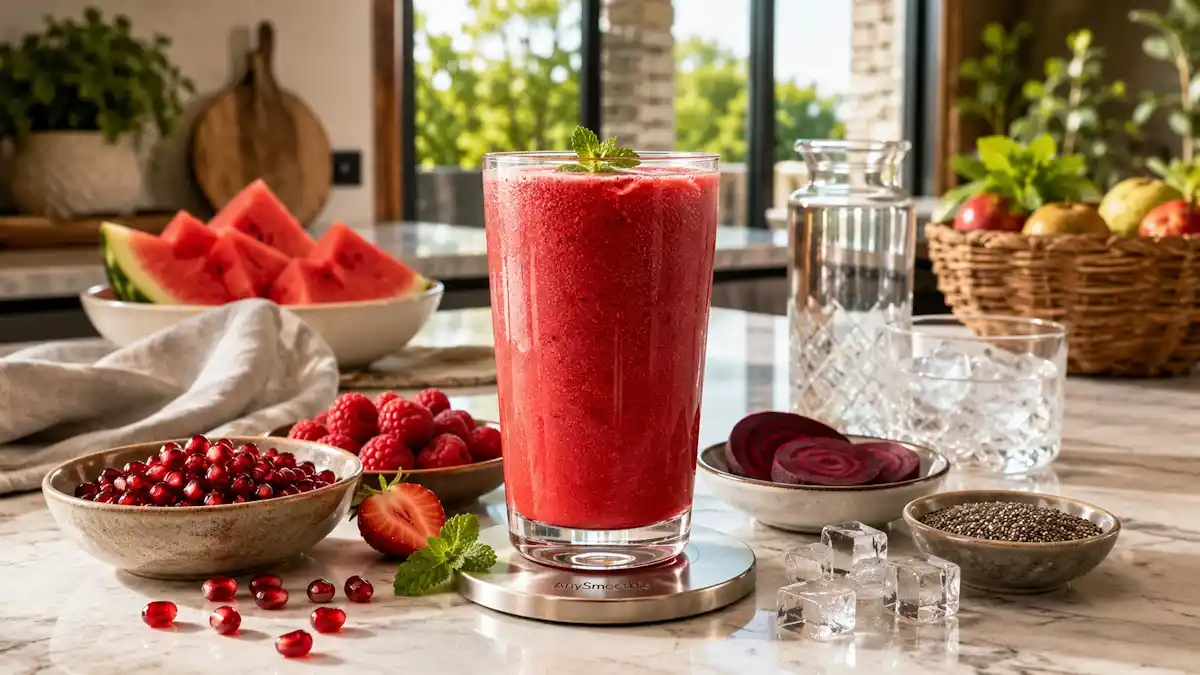
L-citrulline gives the body raw material it can turn into arginine, and arginine supports nitric oxide production. That matters because nitric oxide helps blood vessels relax and keeps circulation moving the way it should.
Blending it into a smoothie makes the routine simple. You can pair it with fruit, greens, or a light liquid base, then keep the flavor easy enough to repeat. The main question is how to build the drink so it fits your day without feeling too heavy or too sweet.
How L-Citrulline Supports Nitric Oxide Pathways
L-citrulline does not make nitric oxide on its own. After you drink it, the body converts it into L-arginine, mostly through the kidneys. That arginine is the substrate nitric oxide synthase uses to produce nitric oxide.
Citrulline is often a better choice than arginine powder because it raises blood arginine more efficiently. Arginine gets broken down in the gut and liver before much of it reaches circulation, while citrulline gets through that step more cleanly. A review of acute L-citrulline supplementation found higher nitric oxide bioavailability after 6 grams, which fits the pathway without overstating the result.
The L-citrulline to L-arginine conversion process
The pathway is simple at a high level. You take in citrulline, the body converts it to arginine, and then arginine helps drive nitric oxide formation. That is why citrulline shows up in pre-workout formulas and morning blends.
An overview of citrulline dosage and side effects notes that this conversion is efficient after supplementation. In practical terms, that means you get a cleaner shot at supporting the pathway than you usually do with arginine itself.
Why nitric oxide is useful in daily wellness routines
Nitric oxide helps blood vessels relax, so blood can move more freely. That supports normal circulation, nutrient delivery, and the kind of blood flow people want around exercise.
It also explains why smoothies built around citrulline feel useful in daily life. They are easy to dose, easy to customize, and easy to pair with ingredients that taste good. If you want a broader look at smoothie structure, the functional smoothie ingredient guide is a useful reference point.
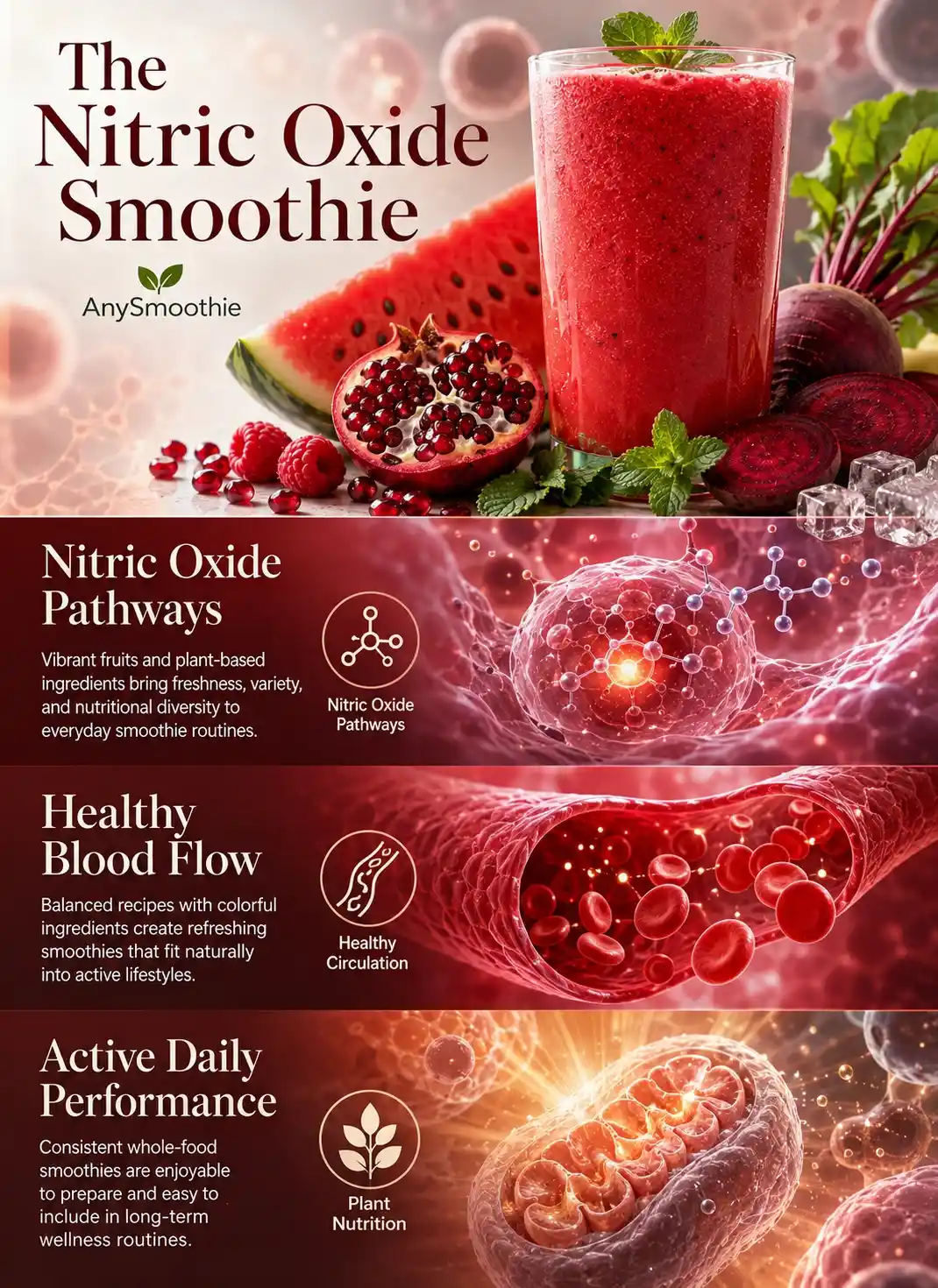
What to put in L-Citrulline smoothies for better absorption and balance
The best smoothie is the one you’ll actually drink. Fruit brings flavor, liquid controls texture, and protein, fat, and fiber change how the drink sits in your stomach. A balanced formula matters because sugar load and thickness can make the same smoothie feel refreshing one day and heavy the next.
Here’s a quick comparison of add-ins that fit this kind of blend:
| Add-in | Main purpose | Flavor | Texture | Best use |
|---|---|---|---|---|
| Mixed berries | Color and bright fruit base | Tart-sweet | Light | Morning blends |
| Citrus | Sharp, fresh taste | Tangy | Thin | Pre-workout smoothies |
| Coconut water | Hydration-friendly liquid | Mild, slightly sweet | Thin | Lighter formulas |
| Greek yogurt | Protein and creaminess | Tangy | Thick and smooth | Breakfast smoothies |
| Chia seeds | Fiber and a fuller feel | Neutral | Gel-like | More filling blends |
| Spinach | Greens with little sugar | Mild, earthy | Soft | Daily green smoothies |
Berries, citrus, pineapple, coconut water, yogurt, nut butter, chia, and spinach all work because they each solve a different problem. Use more liquid when you want a lighter drink, and keep fat and fiber moderate if the smoothie is meant for training. A simple smoothie-building protocol helps keep that balance straightforward.
Best fruit bases, liquids, and add-ins
Berries give a clean base with low bitterness. Citrus and pineapple add brightness, which matters because citrulline itself is neutral in flavor.
Coconut water makes a smooth, easy-to-sip liquid base. Greek yogurt adds protein and creaminess, while nut butter gives more body if you want the smoothie to hold you longer. Spinach blends in quietly, so it works well when you want more greens without a strong taste.
How to keep the smoothie light, smooth, and easy to digest
Use enough liquid so the blender finishes the job. Thin smoothies are usually easier to drink before movement, and they keep the texture from turning into a thick shake.
Keep fiber under control if you want a pre-workout blend. Too much chia, too much spinach, or too much frozen fruit can make the drink feel dense. Simple recipes are easier to repeat, easier to digest, and easier to fit into a routine.
3 L-Citrulline smoothies for nitric oxide pathways
These l-citrulline smoothies work best when the recipe matches the moment.
A Bright Berry Smoothie for a Clean Daily Start
Ingredients
- 1 cup unsweetened almond milk
- 1 cup mixed berries
- 1 scoop L-citrulline powder
- 1/2 cup plain Greek yogurt
- Ice, as needed
Blend until smooth and creamy.
This blend tastes familiar, which makes it easy to repeat. The berries keep the flavor bright, the yogurt smooths out the tart edges, and the almond milk keeps the texture light. It works well as a morning smoothie because it feels steady without becoming heavy.
Estimated Nutrition per Serving
Estimated with unsweetened almond milk, mixed berries, plain nonfat Greek yogurt, and ice. L-citrulline contribution varies by product and is not included.
- Calories: ~225 kcal
- Protein: ~16 g
- Carbohydrates: ~32 g
- Fat: ~4 g
- Fiber: ~8 g
- Sugars: ~19 g
Frozen mixed berries can make this considerably thicker than fresh ones, especially with Greek yogurt. Start without much ice and check the texture first; the lighter consistency suits this everyday morning blend better than turning it into a frozen shake.
A Citrus Coconut Blend for Pre-Workout Support
Ingredients
- 1 cup coconut water
- 1/2 orange, peeled
- 1/2 cup pineapple
- 1 scoop L-citrulline powder
- Ice, as needed
Blend until smooth.
This one stays light and fast-drinking. Coconut water adds a clean liquid base, while orange and pineapple keep the flavor sharp enough to wake up the palate. It fits a pre-workout routine because it does not rely on heavy protein or a lot of fiber.
Estimated Nutrition per Serving
Estimated with unsweetened coconut water, half a medium orange, pineapple, and ice. L-citrulline contribution varies by product and is not included.
- Calories: ~135 kcal
- Protein: ~2 g
- Carbohydrates: ~33 g
- Fat: ~1 g
- Fiber: ~4 g
- Sugars: ~25 g
A Green Smoothie With Cucumber and Pineapple
Ingredients
- 1 cup water or coconut water
- 1 cup cucumber
- 1 cup pineapple
- 1 handful spinach
- 1 scoop L-citrulline powder
- Ice, as needed
Blend until completely smooth.
This is the most refreshing option. Cucumber keeps the texture crisp, pineapple covers the green flavor, and spinach adds color without making the drink taste grassy. It works well when you want something clean, cool, and easy to sip between meals.
Estimated Nutrition per Serving
Estimated with unsweetened coconut water, cucumber, pineapple, spinach, and ice. L-citrulline contribution varies by product and is not included.
- Calories: ~180 kcal
- Protein: ~5 g
- Carbohydrates: ~42 g
- Fat: ~1 g
- Fiber: ~6 g
- Sugars: ~29 g
Cucumber releases more water during blending than its crisp texture suggests. Blend the cucumber, spinach, and coconut water first, then add pineapple and only enough ice to chill it; this keeps the final drink refreshing rather than unnecessarily diluted.
How much to use, when to take it, and what to avoid
A lower starting dose is the safest way to find your tolerance. Many people begin with a modest amount and then adjust based on how the smoothie feels, how full it leaves them, and whether they want it before training or later in the day.
Timing depends on your goal. Morning blends are good for routine, pre-workout drinks should stay lighter, and between-meal smoothies can handle a little more fiber or fat. For a plain-language overview of L-citrulline uses and risks, the main takeaway is simple: dose and tolerance matter.
Simple timing ideas for morning, training, or between meals
Morning is the easiest time to build a habit. Training days usually call for a thinner smoothie, while a midday blend can be more filling if you want it to count as a snack.
Common mistakes that can blunt the smoothie experience
Too much sugar can make the drink feel flat after the first few sips. Too much fiber can slow digestion, and too much thickness can make the smoothie hard to finish. Relying on only one ingredient also limits the formula, so keep the base simple and balanced.
If you have a health condition or take prescription medication, check with a qualified professional before adding citrulline regularly.
Conclusion
L-citrulline smoothies are a simple way to support nitric oxide pathways without turning your routine upside down. The best versions pair a clear dose with ingredients that match the time of day, the texture you want, and how your stomach handles the blend.
A repeatable recipe beats a complicated one every time. If it tastes good, blends well, and fits your schedule, you’ll use it more often, and that matters most.
🛡️ Safety Notes & Dietary Interactions
- Serving Size: Begin with the amount recommended on your L-citrulline product label. Starting gradually allows you to assess tolerance before making it part of a regular smoothie routine or increasing the serving.
- Digestive Comfort: Large amounts of fiber, heavy fats, or concentrated fruit can make a pre-workout smoothie feel overly filling. Adjust ingredients based on when you plan to drink it and how your digestive system responds.
- Medication Awareness: L-citrulline may influence blood vessel function. If you take medication for blood pressure, circulation, heart conditions, or erectile dysfunction, speak with a qualified healthcare professional before using it regularly.
- Product Quality: Choose products that clearly state the amount of L-citrulline per serving and ideally provide third-party quality testing. Simple formulas without unnecessary fillers or sweeteners are often easier to incorporate into a consistent daily routine.
FAQ
Can I take L-citrulline in a smoothie every day?
For many healthy adults, L-citrulline can fit into a daily smoothie routine when used according to the product directions. Consistency is usually more important than occasional large servings. A balanced smoothie with protein, fiber, and whole-food ingredients creates a more practical habit than relying on the supplement alone.
Is L-citrulline better than L-arginine for smoothies?
Many people choose L-citrulline because the body converts it into L-arginine efficiently after absorption. Since arginine is broken down more extensively before reaching circulation, citrulline is often preferred for supporting nitric oxide pathways. Individual needs vary, so following product guidance and professional advice remains important.
What ingredients pair best with L-citrulline smoothies?
Berries, citrus fruits, pineapple, coconut water, cucumber, spinach, and plain Greek yogurt are excellent partners because they create refreshing flavor while keeping the smoothie balanced. Protein, healthy fats, and moderate fiber also improve satiety, making the smoothie more suitable as part of a sustainable everyday wellness routine.
When is the best time to drink an L-citrulline smoothie?
The ideal timing depends on your goals. Some people enjoy one with breakfast as part of a consistent morning habit, while others prefer a lighter smoothie before exercise or between meals. Choosing a time that naturally fits your schedule makes the routine easier to maintain over the long term.
Can I combine L-citrulline with other smoothie supplements?
L-citrulline is often combined with ingredients such as protein powders, collagen, electrolytes, or creatine, depending on individual preferences. However, introducing only one new supplement at a time makes it easier to evaluate tolerance and avoid unnecessarily complex formulas. If you use medications or have medical conditions, seek personalized guidance first.

Medical Disclaimer: AnySmoothie content is for educational purposes only and is not a substitute for professional medical advice. Consult a healthcare provider for personalized guidance. See our full Disclaimer & Terms of Use. AI Transparency: AnySmoothie may use AI to support content development. All content undergoes human editorial review for accuracy, clarity, and editorial quality. See our full AI Transparency.