
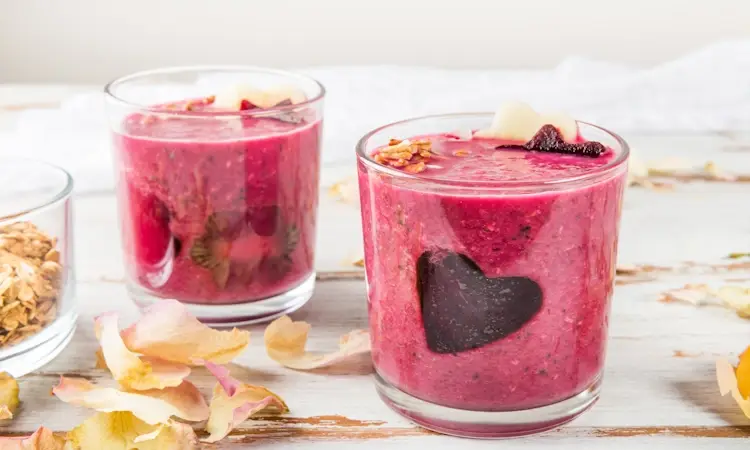
A smoothie can look “healthy” and still act like a milkshake. That’s why smart smoothies for a healthy heart are about more than fruit and juice. Think of them like a well-built sandwich in a glass: produce for color and nutrients, fiber to slow sugar, protein to keep you steady, and healthy fats for staying power.
This approach can help busy adults who want a simple daily habit, people watching cholesterol, anyone with a family history of heart issues, or anyone who’s tired of 10 a.m. snack attacks.
Weight Loss Programs
Diet & Weight Loss
Diet & Weight Loss
Diet & Weight Loss
Diet & Weight Loss
BellyFlush™ – Gut Cleanse and Digestive Detox for Weight Support
Below, you’ll get simple ingredient swaps, a handful of go-to heart-healthy smoothie recipes, and easy ways to fit smoothies into a heart-smart routine without making mornings harder.
What makes a smoothie “smart” for your heart
A smart smoothie supports the big nutrition levers tied to heart health: fiber, unsaturated fats, and lower added sugar. It also keeps calories reasonable, because even “clean” ingredients can add up fast.
Smoothies shine because they’re consistent. If you struggle to eat enough plants, a blender can help. Still, the same blender can turn into a sugar cannon if the base is juice and the add-ins are sweet. The goal is a drink that feels like food, not dessert.
Another “smart” marker is how you feel after drinking it. A heart-friendly smoothie should leave you satisfied for a couple hours, not hungry again in 30 minutes. That usually means you included enough fiber and protein, plus a bit of fat.
If you like having a few options on standby, it can help to scan recipe ideas from reputable sources, then adapt them to your needs (for example, swapping juice for unsweetened milk). For quick inspiration, see these 5-minute heart-healthy smoothie recipes, then bring the “smart” rules below to any recipe you try.
The heart-friendly building blocks to aim for
Start with the parts that do the heavy lifting:
Fiber helps slow digestion, supports fullness, and can help your body move cholesterol out. Soluble fiber is especially useful, and you can get it from oats, chia, ground flax, and berries. Even a small scoop of beans can add fiber and creaminess.
Unsaturated fats help with satiety and can replace more saturated fats in your day. In smoothies, this looks like avocado, nut butter (measured), walnuts, or hemp hearts. A tablespoon goes a long way.
Plants with antioxidants add color and flavor while supporting a healthy inflammation pattern. Berries and cherries are easy wins. Leafy greens blend in smoothly when you pair them with citrus or berries. Unsweetened cocoa adds a rich taste without much sugar.
Protein is your “steady factor.” It helps a smoothie behave more like a meal. Plain Greek yogurt, kefir, unsweetened soy milk, and low-sugar protein powders can all work. If you prefer plant-based, silken tofu blends well and tastes mild.
A smart smoothie isn’t “no sugar.” It’s sugar paired with fiber, protein, and fat, so your body handles it calmly.
Common smoothie mistakes that can spike sugar and calories
A few habits can turn a cardio-friendly drink into a sugar rush.
First, juice-heavy bases (orange juice, apple juice, “green juice”) remove fiber and concentrate sugar. Second, sweetened yogurt can add more sugar than you expect. Third, too much dried fruit (dates, raisins) stacks sweetness quickly. Finally, giant portions turn a snack into a full meal, whether you meant to or not.
Quick fixes that keep flavor high:
- Use unsweetened milk (dairy or soy) or water as the base, not juice.
- Choose whole fruit, especially berries, instead of fruit juice.
- Add greens (spinach is mild) to boost volume without much sugar.
- Measure nut butter, usually 1 tablespoon is enough.
- Add oats or seeds to slow digestion and make it more filling.
If you want sweetness, get it from ripe fruit, cinnamon, or vanilla. Your taste buds adjust faster than you’d think.
Ingredients that support healthy cholesterol, blood pressure, and inflammation
A heart-smart smoothie is easier when your grocery list has a plan. Instead of buying random superfoods, aim for a few reliable ingredients you’ll actually use. You’re building a rotation of low LDL smoothie ingredients, mineral-rich produce, and flavorful add-ins that don’t require much sugar.
You can also think in textures. Oats and chia thicken. Yogurt and tofu make it creamy. Frozen fruit makes it cold and dessert-like. Greens disappear best when the smoothie is bright (citrus, pineapple, berries). Once you understand what each ingredient does, you can make “smoothies for high cholesterol” that taste good, not like a chore.
Fiber and plant sterols, your daily helpers for LDL support
Fiber is the anchor for many cholesterol-lowering smoothies. It helps bind to cholesterol in the digestive tract and carry it out of the body.
Reliable options that blend well include oats, barley flakes, chia seeds, and ground flax. Fruits like berries, apples, pears, and citrus add more fiber, especially when you keep the peel on apples and pears.
For a surprising upgrade, try cooked white beans or chickpeas (about 1/4 cup). They make smoothies creamy and mild, and they add fiber without a “bean” taste when you pair them with vanilla, cocoa, or berries.
If you want a simple example of how these ingredients can fit together, this smoothie to lower cholesterol shows a practical mix of oats, flax, berries, and greens.
Tip: start with 1 tablespoon of chia or ground flax, then increase slowly. Also, drink water during the day, because fiber works best when you’re well-hydrated.
Potassium, magnesium, and nitrates for a calmer blood pressure pattern
Minerals matter, and smoothies can help you get them daily. Potassium and magnesium support normal blood pressure. Many people fall short, so adding a few key ingredients can help your overall pattern.
Banana is the classic, but you don’t need a whole one. Half a banana adds sweetness and body. Kiwi and citrus bring brightness without much heaviness. Spinach blends easily and brings potassium and magnesium with a mild taste.
Beets are another option. They contain nitrates that the body can convert to nitric oxide, which supports healthy blood flow. If you’re curious about how beets may relate to blood pressure, this explainer on beets and blood pressure gives helpful context.
Keep it simple: start with a small portion of beet (a few slices or 1/4 cup) and adjust from there.
A quick, gentle note: if you have kidney disease, take blood pressure meds, or have been told to limit potassium, check with a clinician before making big changes to high-potassium foods.
Anti-inflammatory add-ins that still taste good
You don’t need a supplement shelf to make anti-inflammatory smoothie blends. Use spices and pantry basics that add flavor without turning your drink bitter.
Ginger adds a fresh bite and works well with mango, pineapple, and citrus. Turmeric tastes earthy, so use a small amount. Pair it with a pinch of black pepper and a little fat (like chia or yogurt) for better absorption. Cinnamon boosts dessert vibes without sugar. Unsweetened cocoa makes berry smoothies taste richer. Tart cherries bring a bold, tangy flavor and pair well with vanilla.
Starter combos that usually win people over:
- Berry cocoa: mixed berries + cocoa + chia + milk
- Mango ginger: mango + ginger + yogurt or soy milk + lime
- Cherry vanilla: tart cherries + vanilla + hemp hearts + milk
Keep add-ins modest. A little spice makes a smoothie interesting, but too much can taste medicinal.
Heart-healthy smoothie recipes you can rotate all week
These heart-healthy smoothie recipes follow the same idea: whole fruit, a fiber booster, steady protein, and minimal added sugar. Each makes about 12 to 16 ounces, depending on ice and liquid.
If you want more recipe references from a cardiology-focused source, the American Heart Association has options like a Blueberry Mango Smoothie you can adapt using the same “smart” structure.
Cholesterol-lowering berry oat smoothie (creamy, not too sweet)
Ingredients
- 1 cup frozen mixed berries
- 1/3 cup rolled oats
- 1 tbsp ground flax
- 3/4 to 1 cup unsweetened soy milk (or low-fat milk)
- 1/2 cup plain Greek yogurt (optional)
- 1/2 tsp cinnamon
- Ice or water to blend
Why it helps: Oats and flax add soluble fiber for a classic cholesterol-lowering smoothie base.
Easy swap: Use dairy-free yogurt, or skip yogurt and blend in 1/3 cup silken tofu.
Green avocado citrus smoothie for healthy fats and fiber
Ingredients
- 1 to 2 cups baby spinach
- 1/2 avocado
- 1 orange, peeled and segmented
- 1 tbsp chia seeds
- 3/4 to 1 cup unsweetened milk
- Squeeze of lemon or lime
Why it helps: Avocado and chia add heart-friendly fats and fiber, so the citrus sugar hits slower.
Easy swap: Replace part of the orange with 1 kiwi, or add cucumber for a lighter taste.
Beet berry “blood flow” blend (earthy but balanced)
Ingredients
- 1/4 to 1/2 cup cooked beet (start small)
- 1 cup strawberries (fresh or frozen)
- 1/2 banana
- 1/2 to 3/4 cup plain yogurt or kefir
- 1/2 tsp fresh ginger (or a pinch of ground)
- Water to blend
Why it helps: Beet plus berries is a simple, colorful combo that fits many cardio-friendly drink recipes.
Easy swap: Replace banana with 1/2 cup frozen cauliflower rice for a lower-sugar blend.
Tart cherry cocoa smoothie for recovery and inflammation support
Ingredients
- 1 cup frozen tart cherries
- 1 tbsp unsweetened cocoa powder
- 1 tbsp chia or hemp hearts
- 3/4 to 1 cup unsweetened milk
- Pinch of vanilla
- Optional: small handful of spinach
Why it helps: Cherries and cocoa bring antioxidants, while seeds add fiber and fat for balance.
Easy swap: Add a scoop of low added sugar protein powder if you’re using it as a meal.
Apple pie flax smoothie that tastes like dessert
Ingredients
- 1 medium apple, chopped (keep the skin)
- 1/4 cup oats
- 1 tbsp ground flax
- 1/2 cup plain yogurt
- 3/4 cup unsweetened milk
- 1/2 to 1 tsp cinnamon
Why it helps: Apples, oats, and flax add fiber, so it feels like dessert without much added sugar.
Easy swap: Use pear instead, or add 1 tbsp peanut butter for extra staying power.
Sneaky bean vanilla smoothie (extra fiber, super creamy)
Ingredients
- 1/4 cup rinsed canned white beans
- 1/2 frozen banana (or 1/2 cup frozen cauliflower)
- 3/4 to 1 cup unsweetened milk
- 1/2 tsp vanilla
- Pinch of cinnamon
- 1/2 cup berries (optional)
Why it helps: Beans add fiber and creaminess with a mild flavor, great for smoothies for high cholesterol.
Easy swap: Use chickpeas instead, or add 1 tbsp cocoa for a “brownie” vibe.
Make it a habit: portions, timing, and prep for busy mornings
The best smoothie is the one you’ll make again on a random Tuesday. Habit beats perfection here, so keep your plan simple.
Portion size matters. A typical smoothie lands well at 12 to 16 ounces. That’s big enough to satisfy, but not so big it becomes two meals at once. If your smoothie is breakfast, you’ll usually need more protein than you’d use for a snack.
Timing helps too. Many people do best with smoothies earlier in the day, when they want something fast. Still, a smart smoothie can also work as an afternoon snack that keeps you out of the vending machine.
How to keep smoothies balanced so they work for breakfast or a snack
Use this simple formula and you can build endless smart smoothies for a healthy heart:
- 1 to 2 cups produce (mix fruit and veg)
- 1 fiber booster (oats, chia, flax, beans)
- 1 protein (Greek yogurt, kefir, soy milk, tofu, low-sugar powder)
- 1 healthy fat (avocado, nut butter, hemp, walnuts)
- Unsweetened liquid to blend
If you have long mornings, add more protein (for example, Greek yogurt plus soy milk). After workouts, extra protein can help you feel steady, not ravenous.
Some people don’t feel full from liquids. In that case, chew something small on the side, like a few nuts or whole-grain toast.
Prep shortcuts that cut sugar cravings and save money
Make smoothies easy and they’ll crowd out less helpful choices.
Freezer packs are the big win. Add fruit, greens, and any dry add-ins (like oats) to a bag, then freeze. In the morning, dump and blend with your liquid and protein.
Frozen fruit often costs less and reduces waste. It also gives you that thick, spoonable texture without ice watering things down.
If you batch blend, keep it to about 24 hours for best taste. Store it in a jar filled close to the top, because less air helps slow browning.
Finally, read labels like a skeptic. Look for “unsweetened” on milks, and choose plain yogurt when you can. If you want more spice-forward inspiration, this turmeric ginger smoothie idea can be a helpful starting point.
Conclusion
Smart smoothies don’t need fancy powders. They work because you prioritize fiber, keep added sugar low, and include protein and healthy fats for balance. Rotate a few recipes, and the habit stays interesting without becoming complicated.
Choose one smoothie from this list to make this week, then try one simple upgrade today (for example, use unsweetened milk instead of juice, or add oats instead of extra fruit). This smoothie guide works best when smoothies support other heart-smart habits, like regular movement, solid sleep, fewer cigarettes, and balanced meals. However, if you have a health condition or take meds that affect potassium, blood sugar, or blood thinners, talk with a clinician before making big changes.

The AnySmoothie team is all about smarter smoothie recipes made with whole-food ingredients. Everything we share centers on balanced nutrition, steady energy, and low-glycemic choices, so you can sip a smoothie that keeps you full, feels good, and helps you avoid sugar crashes.
- Disclaimer: This content is for educational use only. These smoothie recipes and nutrition details aren’t a substitute for medical advice from a licensed health professional. Please read our full Medical Disclaimer here.
Dietary Supplements
Dietary Supplements
Dietary Supplements
ZenCortex – Daily Support for Brain Clarity and Hearing Health
Dietary Supplements
Dietary Supplements