
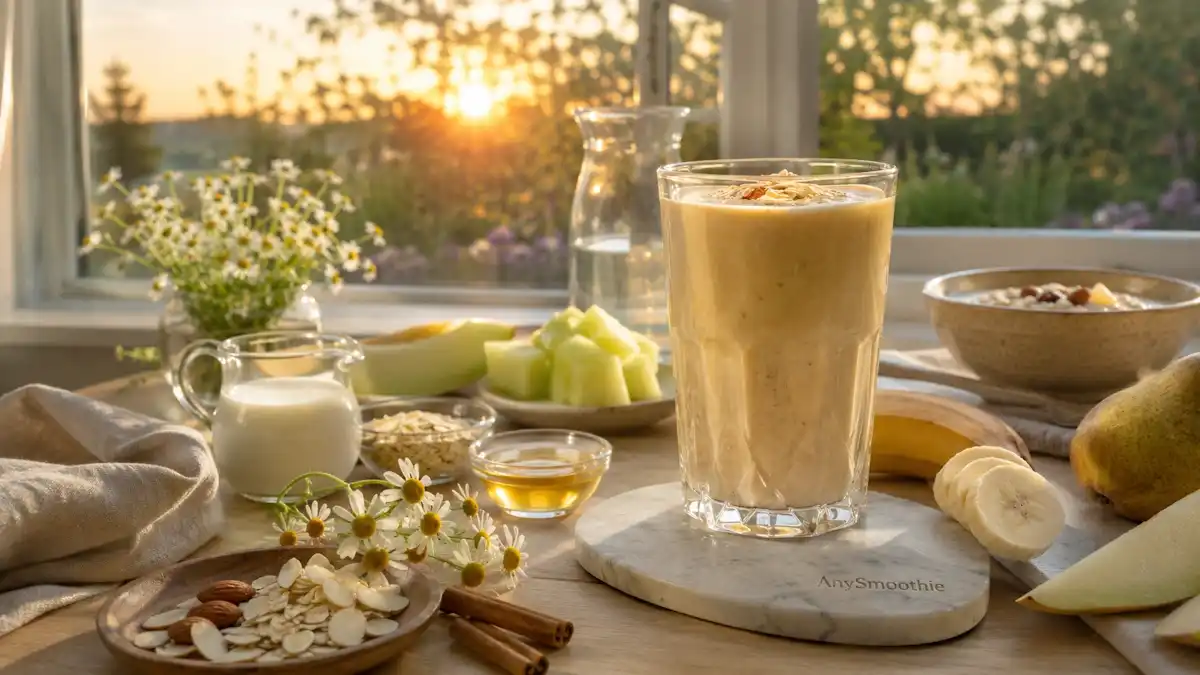
Mornings can feel rough when reflux shows up before you’ve even had breakfast. An empty stomach, overnight acid, and a rushed first meal can all make the upper digestive system more reactive.
The best morning foods and smoothies for GERD are usually simple, low-acid, and easy to digest. The goal is to start the day with steady energy, not a heavy meal that sits like a rock.
Why mornings can trigger GERD symptoms
After a long night without food, acid can feel sharper. Some people also notice that reflux is worse right after waking because lying flat can let stomach contents move upward more easily.
Breakfast choices matter too. A greasy meal, a big cup of coffee, or a fast, oversized smoothie can add pressure and set off symptoms. For a quick overview of common reflux-friendly picks, breakfast ideas for acid reflux follow the same basic pattern, gentle carbs, low fat, and fewer acidic ingredients.
A simple comparison can help when you’re deciding what to eat half-awake.
| Food or drink | Why it may help | Why it may bother GERD | Best time to eat | Notes |
|---|---|---|---|---|
| Oatmeal | Soft texture and steady carbs | Heavy toppings can make it richer | Early breakfast | Keep it plain or lightly sweetened |
| Coffee | Can feel energizing | Acidic and often rough on reflux | Only if tolerated | Some people do better after food |
| Eggs | Good protein without much acid | Frying adds fat | With a smaller meal | Poached or scrambled often works better |
| Citrus juice | Easy to drink quickly | High acid can irritate the stomach | Usually avoid on flare days | Whole fruit is often gentler than juice |
| Plain yogurt | Cool, creamy, and filling | Full-fat or very tart versions can bother some people | With breakfast or mid-morning | Choose plain and test your tolerance |
The pattern is clear, low-acid foods tend to be easier, while fat and strong acid can raise the odds of discomfort.
What makes a breakfast GERD friendly
A breakfast that works well usually has four traits. It stays low in acid, uses moderate fat, includes gentle fiber, and digests without much effort.
That doesn’t mean it has to be tiny. A good first meal should feel filling, but not heavy. Soft textures help because they move through the stomach with less strain, especially when you keep the portion reasonable.
Foods and habits that can make symptoms worse
Common triggers include citrus, coffee, chocolate, fried foods, peppermint, and large portions. Eating too fast can also make things worse, because air intake and rushed swallowing can add pressure.
Personal triggers still vary. One person may handle yogurt well and another may not. Paying attention to patterns matters more than copying any perfect list.
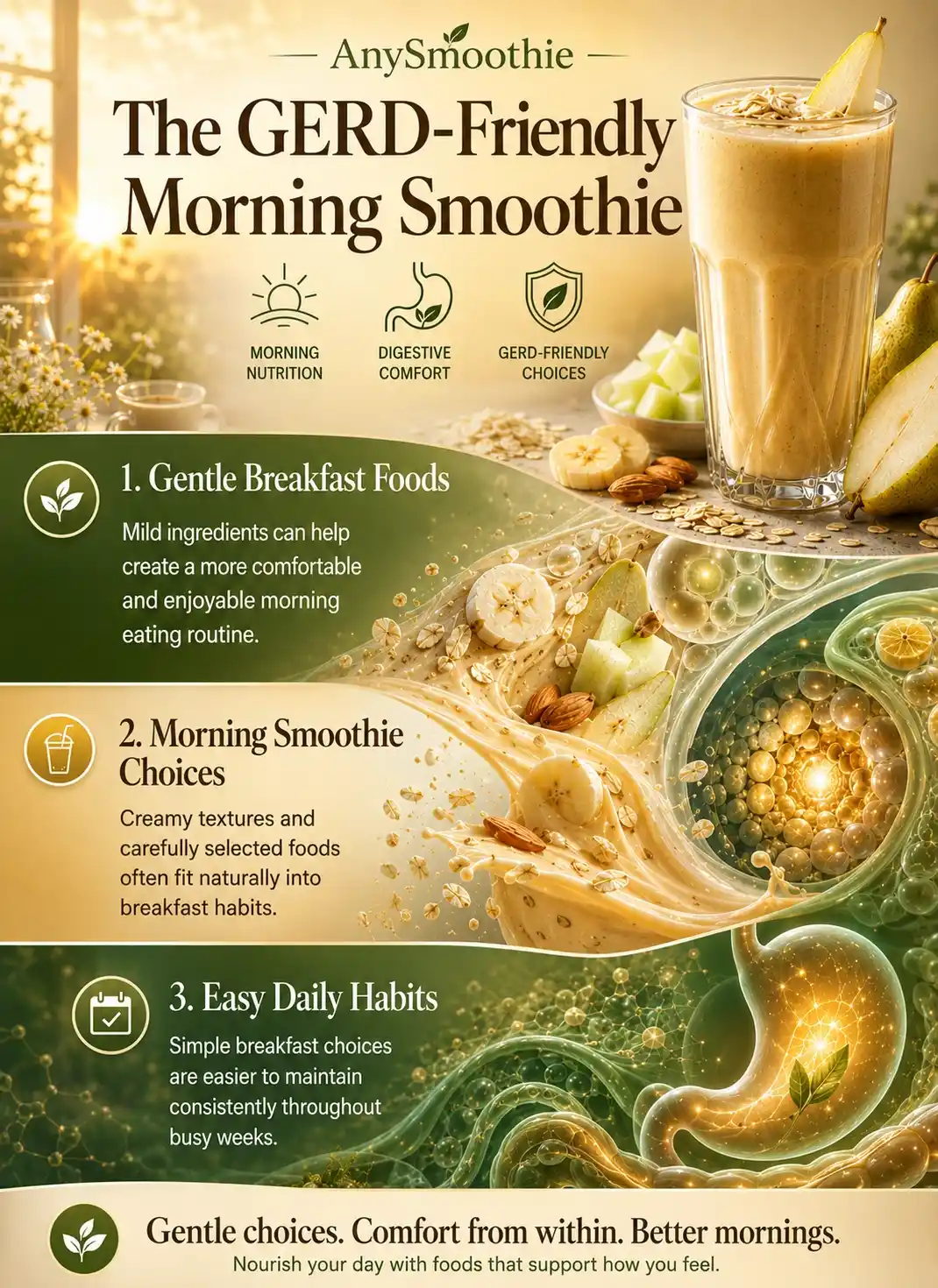
Best morning foods for GERD that feel light but satisfying
The easiest breakfasts usually use simple ingredients with mild flavor. That keeps the stomach calmer and gives you enough fuel to move through the morning.
For a wider look at how breakfast ingredients can be paired, GERD-Friendly smoothies for everyday digestion show how plain proteins can fit into a reflux-aware routine without making the meal feel bland.
Gentle grain options that can help you start the day
Oatmeal is a classic for a reason. It’s soft, filling, and easy to flavor with banana or a little honey.
Cream of rice is another smooth choice, especially when your stomach feels sensitive. Whole-grain toast can also work, as long as you keep the toppings light. Plain cereal with a low-fat milk or non-dairy milk can be fine too, if it doesn’t contain a lot of sugar or acid.
Low-acid proteins and add-ins for staying full
Eggs and egg whites give you protein without much acid. They work best when cooked with little added fat.
Plain Greek yogurt can be a good option if you tolerate dairy. A small spoon of chia can add fiber, but too much can make a smoothie or bowl too thick. Nut butters can help with fullness, yet portions matter because fat can slow digestion and raise reflux risk.
Easy fruit and veggie choices that are usually better tolerated
Bananas, melons, pears, and applesauce are common morning fruit picks. They’re mild, soft, and less acidic than citrus fruits.
Spinach and cucumber can fit into breakfast too, especially in smoothies. They add volume and micronutrients without a strong acid load. Keep the seasoning simple, because spicy add-ins can change the whole picture fast.
3 Best morning smoothies for GERD
A reflux-friendly smoothie should be low acid, not overloaded with fat, and balanced with fiber plus a gentle protein source. If you want a broader formula for building blends that fit different goals, the functional smoothie guide is a useful companion.
A good morning smoothie should feel like a light meal, not a sugar rush in a cup.
How to build a smoothie that is easier on reflux
Use this simple formula: one low-acid fruit, one soft fiber source, one protein or creamy base, and enough liquid to blend smoothly. Small changes matter, because acidity, fat, and portion size can change how the stomach responds.
If you want to see this approach in practice, a banana smoothie for acid reflux is a simple example of how mild fruit, balanced texture, and moderate portions can work together.
Serve it cool, not icy, if cold drinks bother you. Also, keep the portion moderate. A giant smoothie can create the same pressure as a large meal.
Ingredients to skip in reflux-friendly smoothies
Skip orange juice, pineapple, raw citrus, chocolate, mint, heavy cream, and too much coffee. These ingredients can raise acidity, add fat, or relax the wrong digestive pathways for many people.
Simple morning routines that support better digestion
Food is only part of the morning picture. Eating slowly, staying upright after breakfast, and avoiding a rushed start can all support smoother digestion.
Small habits help the stomach handle the meal without extra pressure. A calm pace gives the digestive system time to do its job.
Portion size and timing can matter as much as ingredients
A smaller breakfast eaten calmly often works better than a large one eaten fast. Some people do well waiting a little after waking before they eat. Others feel better with a small first bite right away.
If your mornings are rough, start with less food and see how your body responds. That gives you clearer feedback than making a big change all at once.
A sample GERD-friendly breakfast plan for busy mornings
A simple workday plan could look like this:
- A bowl of oatmeal with banana and a little yogurt.
- A banana oats smoothie for the commute.
- Eggs with toast and pear slices on a slower morning.
These pairings keep acid low and texture gentle. They also give you enough energy without pushing your stomach too hard.
Conclusion
The best morning foods and smoothies for GERD are usually plain, low-acid, and easy to digest. That means softer grains, mild fruit, gentle proteins, and smoothies built with balance instead of excess.
Test one change at a time, then notice what feels calm and what doesn’t. Over time, a simple breakfast routine can support both comfort and steady energy.
🛡️ Safety Notes & Dietary Interactions
- Trigger Awareness: Even GERD-friendly foods can affect people differently. Bananas, yogurt, oats, or melon may feel comfortable for many individuals, but personal tolerance remains the most important guide.
- Portion Control: Large breakfasts and oversized smoothies can increase stomach pressure. Smaller portions consumed slowly often feel more comfortable than a large meal eaten quickly.
- Dairy Sensitivity: Yogurt works well for some people but may not suit everyone. If dairy seems to worsen symptoms, consider testing dairy-free alternatives one ingredient at a time.
- Morning Habits: Coffee, citrus juice, chocolate, and peppermint are common morning triggers. Keeping breakfast simple can make it easier to identify foods that support your personal comfort.
FAQ
Are smoothies a good breakfast option for GERD?
Smoothies can be a practical breakfast choice for GERD when they use low-acid fruits, moderate portions, and gentle ingredients. Blends based on banana, pear, melon, oats, and mild dairy or dairy-free options often feel easier to tolerate than highly acidic or heavily sweetened smoothies.
What fruits are usually best for a GERD-friendly breakfast?
Bananas, pears, melons, ripe peaches, and applesauce are commonly included in reflux-friendly breakfast plans. These fruits tend to provide natural sweetness without the sharper acidity found in citrus fruits, pineapple, or some tart berries, making them useful starting points for many people.
Is oatmeal a good morning food for acid reflux?
Oatmeal is often considered a reflux-friendly breakfast because it provides gentle fiber, soft texture, and steady energy. It pairs well with bananas, pears, or small amounts of yogurt. Keeping toppings simple may help maintain a lighter meal that feels comfortable.
Should I avoid coffee if I have GERD?
Coffee can trigger symptoms for some people, while others tolerate moderate amounts without significant discomfort. Individual response varies. If coffee seems problematic, try reducing portion size, drinking it after food, or testing alternatives while monitoring how your symptoms respond.
How large should a GERD-friendly breakfast smoothie be?
A moderate smoothie is often easier to tolerate than a very large one. Many people find that an 8- to 12-ounce serving provides enough nourishment without creating excessive stomach pressure. Drinking slowly and paying attention to fullness cues can also support better digestive comfort.

Medical Disclaimer: AnySmoothie content is for educational purposes only and is not a substitute for professional medical advice. Consult a healthcare provider for personalized guidance. See our full Disclaimer & Terms of Use. AI Transparency: AnySmoothie may use AI to support content development. All content undergoes human editorial review for accuracy, clarity, and editorial quality. See our full AI Transparency.