
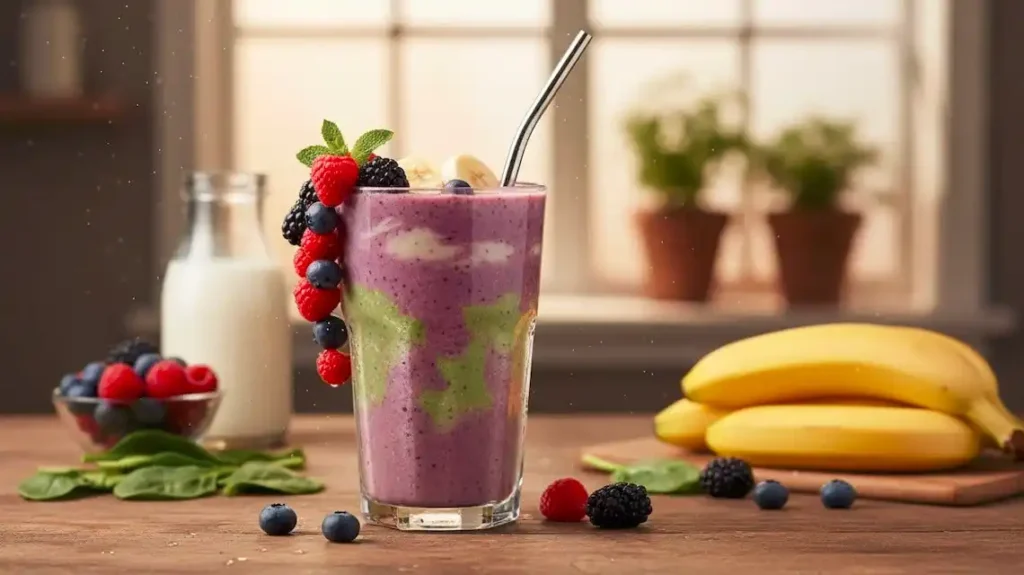
A good smoothie feels a bit like a treat and a salad in one glass. It is cold, creamy, and sweet, but it can quietly pack in fruit, veggies, and protein. If you have wondered how to make a great smoothie, the secret is not fancy gear. It is a simple formula that you can repeat every morning. This guide walks you through easy steps anyone can follow, even if you are new to blending.
Choose the Right Base for a Smooth, Creamy Texture
Your liquid base is the first building block of a great smoothie. It controls how thick the drink feels, how rich it tastes, and how easy it is to sip through a straw.
Weight Loss Programs

Diet & Weight Loss
Diet & Weight Loss
BellyFlush™ – Gut Cleanse and Digestive Detox for Weight Support
Diet & Weight Loss
Diet & Weight Loss
A good base also helps your blender move the ingredients around. Without enough liquid, even a strong blender will struggle. With too much liquid, you end up with flavored milk instead of a shake-like drink.
Once you understand how each liquid behaves, you can adjust your smoothie to match your mood. Some days you might want a light, refreshing drink, and on others, a dessert-like shake that feels more like ice cream in a glass.
Best liquids for smoothies (milk, juice, and more)
You do not need anything fancy to start. For most people, about 1 cup of liquid works well for one smoothie.
Common choices include:
- Dairy milk for a creamy, rich taste and smooth texture.
- Almond or oat milk for a light, plant-based flavor.
- Yogurt thinned with water for a tangy, spoonable smoothie.
- Fruit juice, like orange or apple, for extra sweetness.
- Coconut water for a light, refreshing drink with a hint of flavor.
Milk and yogurt make your smoothie thicker and creamier. Juice and coconut water keep it lighter and more refreshing.
If you want more ideas on ingredient choices and what to avoid, check out these helpful smoothie dos and do nots from Stemilt: Smoothie Tips: The Dos and Don’ts of Making Smoothies.
How much liquid to use so your smoothie is not too thick
Start with less liquid than you think you need, then add more if the smoothie will not blend. This gives you control over thickness.
If the blades spin but the mixture does not move, pause and add a small splash of liquid. Blend again and repeat if needed. For smoothie bowls, keep it thick so your spoon stands up in the blend. For a drinkable smoothie, aim for a texture a bit thinner than soft serve, so it glides through a straw.
Pick Fruits, Veggies, and Add-ins That Taste Great Together
Once the base is set, flavor comes from fruits, veggies, and mix-ins. The goal is balance. You want enough sweetness to enjoy each sip, a little creaminess, and maybe a small kick of tang or spice.
Think of your smoothie like a simple playlist. A few strong hits, no background noise, and everything works together. Frozen fruit helps a lot because it chills and thickens the drink at the same time.
Easy fruit and flavor combos that always work
Some pairs almost never fail:
- Strawberry and banana with milk or yogurt.
- Mango and pineapple with orange juice.
- Mixed berries with yogurt and a touch of honey.
- Peanut butter and banana with milk and a pinch of salt.
Use mostly frozen fruit when you can. It gives you a thick, cold texture without needing a lot of ice, which can water down the flavor.
This approach is similar to the method used by many recipe sites, like The Recipe Rebel’s basic.
Simple ways to add veggies without a strong taste
Veggies do not have to make your smoothie taste like a salad. Start with mild greens such as spinach, which blends easily and has a soft flavor. A small amount of kale works too, especially if you blend it with sweet fruit like mango or pineapple.
You can also add thin slices of cucumber or a few spoonfuls of cooked, cooled carrots. Sweet fruits cover most veggie flavors, so you still feel like you are drinking a treat, not a green juice.
Boost nutrition with protein, fiber, and healthy fats
To keep your smoothie filling, add a bit of protein, fiber, and fat.
Good options include:
- Greek yogurt or a scoop of protein powder for protein.
- Chia seeds, flax seeds, or oats for fiber.
- Peanut butter, almond butter, or avocado for healthy fats.
These add-ins help slow digestion, so you stay full and get steady energy instead of a quick sugar rush.
Blend Like a Pro: Step-by-Step Smoothie Method
The way you load the blender matters almost as much as what you put in it. If you want to know how to make a great smoothie every time, follow a simple method that keeps chunks away and protects your blender.
Follow this simple order so everything blends smoothly
Use this order to help the blades catch everything:
- Pour in your liquids first.
- Add soft ingredients such as yogurt or nut butter.
- Add fresh fruits and veggies.
- Place frozen fruit and ice on top.
Liquids on the bottom help create a vortex that pulls the heavier pieces down into the blades. This means fewer air pockets and less stopping to poke things around.
Blend time and power settings for a silky smoothie
Start on a low setting so the blades grab the ingredients without splashing. After a few seconds, switch to high and blend for about 30 to 60 seconds.
If you see chunks whirling around, stop the blender, scrape down the sides, and blend again. If the motor sounds strained or the mixture does not move, add a small splash of liquid and blend once more.
Taste test, adjust, and fix common smoothie problems
Before you pour, take a quick sip and fine tune:
- Not sweet enough: add banana slices, a couple of dates, or a little honey or maple syrup.
- Too thin: add more frozen fruit or a few ice cubes.
- Too thick: pour in more liquid a tablespoon at a time.
- Tastes flat: squeeze in lemon or lime juice to brighten the flavor.
Treat this step like seasoning a soup. Tiny changes make a big difference.
Conclusion
Learning how to make a great smoothie comes down to a simple formula. Pick a tasty liquid base, mix fruits and mild veggies that work well together, add a small boost of protein and healthy fats, then blend in the right order. Start with one easy combo, like strawberry banana with yogurt, and adjust until it fits your taste. Once you feel comfortable, play with new flavors and ingredients, and let your blender turn everyday produce into something you look forward to drinking.
You might also like:
Simple, Smart FAQs About Making a Great Smoothie
How do I build a smoothie that tastes good every time?
Think of a smoothie as a simple formula. You can start with:
- Liquid (about 1 to 1½ cups)
- Base fruit (1 to 1½ cups, fresh or frozen)
- Creamy element (½ cup yogurt, banana, avocado, or silken tofu)
- Flavor boosters (like nut butter, cocoa, cinnamon, or vanilla)
- Ice only if you want it colder or thicker
Begin with less liquid, blend, then add more if it is too thick. Taste at the end and adjust sweetness or tartness with a bit of fruit, honey, or a squeeze of lemon.
What is the best liquid to use in a smoothie?
You can use water, milk, or a plant milk like almond, oat, or soy.
Use water if you want to keep calories lower or let fruit flavors stand out.
Use dairy milk for extra protein and creaminess.
Use plant milk if you avoid dairy or like a lighter flavor.
Juice works too, but it adds more sugar and can easily make the smoothie too sweet.
Should I use fresh or frozen fruit in my smoothie?
Both work, but they behave a bit differently.
Frozen fruit gives a thick, milkshake-style texture and replaces some or all of the ice. It is also convenient and often picked at peak ripeness.
Fresh fruit blends smoother and is great if you want a lighter, more drinkable smoothie.
Many people like a mix, for example, fresh banana with frozen berries.
How can I make my smoothie thicker or thinner?
To thicken a smoothie, you can add:
- More frozen fruit
- A few ice cubes
- Half a banana or avocado
- A spoonful of chia seeds or oats
To thin a smoothie, simply add more liquid, a little at a time. Blend, check the texture, then add more only if you need it.
How do I make a smoothie more filling and not just a drink?
Add ingredients that bring in protein, fat, and fiber.
Good options include:
- Greek yogurt or cottage cheese
- Protein powder (whey, pea, or rice)
- Nut butter or seed butter
- Ground flax, chia seeds, or hemp hearts
- Rolled oats
These help you stay full longer and turn a simple drink into a real meal.
What is a healthy amount of fruit in a smoothie?
For most people, 1 to 2 cups of fruit is a good range for one smoothie.
Too much fruit can load the drink with sugar, even though it is natural sugar. To balance it out, add greens, protein, and some healthy fat so your blood sugar does not spike as much.
How can I make a smoothie without added sugar but still keep it sweet?
Rely on naturally sweet ingredients instead of syrup or sugar.
Helpful ideas:
- Ripe banana, mango, or pineapple
- Pitted dates, soaked if they are dry
- A splash of vanilla extract or a pinch of cinnamon
- Roasted carrots or cooked sweet potato for a dessert-style smoothie
If it is still not sweet enough, add a small amount of honey or maple syrup, taste, and stop once it is just sweet enough.
Why does my smoothie separate, and how do I fix it?
Separation is normal when a smoothie sits for a bit. The heavier parts sink, and the liquid floats to the top.
To limit this, blend a bit longer so everything breaks down more fully. Ingredients like banana, yogurt, oats, or chia seeds help hold the texture together. If it does separate, just stir or shake and drink.
How can I add vegetables to a smoothie without ruining the taste?
Start mild and build up.
Good beginner veggies:
- Spinach (very mild, blends easily)
- Frozen cauliflower rice (adds creaminess, light flavor)
- Zucchini (peeled if you want it extra neutral)
Balance them with sweet fruit, like banana or mango, and a tasty liquid. For example, a spinach, pineapple, banana, and almond milk combo tastes like fruit, not salad.
What kind of blender do I need for a great smoothie?
You do not need a fancy blender, but you do need one that can crush ice and frozen fruit.
For a basic blender, cut fruit into smaller chunks and add liquid first so the blades catch more easily. High speed blenders handle tougher ingredients, like nuts or raw carrots, and give a smoother texture, but a midrange model can still make an excellent smoothie if you blend in stages.
How long can I store a smoothie in the fridge?
Smoothies taste best right after you make them, but you can store most for up to 24 hours in the fridge.
Keep them in a sealed jar or bottle, filled near the top to reduce air. When you are ready to drink, shake or stir well. If it thickens too much, add a splash of water or milk, then shake again.
Can I prep smoothies ahead of time for busy mornings?
Yes, smoothie prep can save time and cut stress.
You can:
- Pre-pack freezer bags with fruit, greens, and add-ins, then just add liquid and blend
- Make a smoothie at night, chill it in a jar, and shake it in the morning
- Blend a big batch and keep it in the fridge for up to a day
If you like variety, prep a few different freezer packs so you do not drink the same combo all week.

The AnySmoothie team is all about smarter smoothie recipes made with whole-food ingredients. Everything we share centers on balanced nutrition, steady energy, and low-glycemic choices, so you can sip a smoothie that keeps you full, feels good, and helps you avoid sugar crashes.
- Disclaimer: This content is for educational use only. These smoothie recipes and nutrition details aren’t a substitute for medical advice from a licensed health professional. Please read our full Medical Disclaimer here.
Dietary Supplements
Dietary Supplements
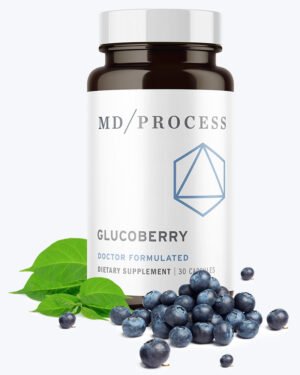
GlucoBerry – Daily Support for Healthy Blood Sugar and Energy
Dietary Supplements
Dietary Supplements

Dietary Supplements