
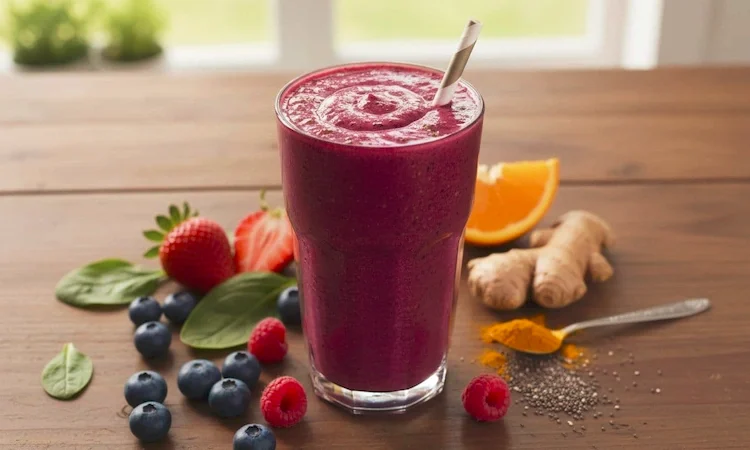
You don’t need a fancy pantry to make smoothies for immune system with simple ingredients. With a few everyday staples (fruit, yogurt or milk, oats, nut butter, and a handful of greens), you can blend a solid, filling drink in minutes.
An immune-support smoothie can’t prevent illness or cure anything. What it can do is support overall health by helping you get more protein, fiber, fluids, and key nutrients in a way that’s easy to stick with.
Weight Loss Programs

Dietary Supplements
Diet & Weight Loss
Diet & Weight Loss
Diet & Weight Loss
The goal is simple: start with whole foods, then balance the blend with protein, fiber, and healthy fats. After that, add smart extras like ginger, citrus, turmeric, berries, or seeds, only if you like the taste and you’ll actually use them.
In this post, you’ll get a short, practical ingredient list, easy mix-and-match formulas, and 8 to 10 quick recipes you can make on busy mornings. You’ll also find tips for prep, food safety (especially for fresh add-ins), and simple swaps for dairy-free, low-sugar, or allergy-friendly options.
What makes an immune-support smoothie, and what to look for
When you’re making smoothies for immune system with simple ingredients, the “immune support” part should come from consistency, not one magic ingredient. A solid smoothie is like a balanced meal in a glass: it keeps you full, helps steady your energy, and makes it easier to get fruits, veggies, and other everyday nutrients in.
Also, keep expectations realistic. Immune health is bigger than a blender. Hydration and sleep matter a lot, so pair your smoothie habit with enough water and a steady bedtime when you can.
The basics: protein, fiber, and healthy fats (the trio that makes it work)
If your smoothie is mostly fruit, it can taste great, but it may leave you hungry fast. The fix is simple: aim for a mix of protein + fiber + healthy fats so your body digests it more slowly and you avoid that “sweet now, tired later” sugar crash.
Here are easy targets and ingredients that fit most recipes:
- Protein target: 15 to 25g when possible
Good options include Greek yogurt, milk, soy milk, kefir, or a scoop of protein powder. If you’re using regular yogurt or almond milk, you may need an extra boost (like protein powder or soy milk) to hit that range. - Fiber helpers: berries, oats, chia seeds, ground flax, spinach
A handful of berries plus 1 to 2 tablespoons of chia or ground flax goes a long way. - Healthy fats: nut butter, chia, flax, avocado
Start small (like 1 tablespoon nut butter or 1/4 avocado) so the smoothie stays creamy, not heavy.
Think of it like building a sturdy chair. Fruit is the seat, but protein, fiber, and fats are the legs that keep it from tipping over an hour later.
Key immune nutrients in everyday foods (vitamin C, zinc, vitamin D, probiotics)
You don’t need a long supplement list to make a supportive smoothie. Food-first is usually the easiest approach because it’s repeatable and it tastes better.
A practical “grab from the fridge” guide:
- Vitamin C: oranges and other citrus, kiwi, strawberries
These blend easily and brighten the flavor fast. - Zinc: pumpkin seeds, yogurt, oats
Pumpkin seeds add a mild, nutty taste (and blend best in a strong blender). Oats are the easiest everyday add-in. - Vitamin D: fortified milk, fortified plant milk, yogurt
Many people also get vitamin D from sunlight. Supplements can be helpful if a clinician advises them. For a quick check on vitamin D basics, see the NIH vitamin D fact sheet. - Probiotics: kefir, yogurt
If you like a tangy smoothie, kefir is an easy swap for milk. For a simple example that combines probiotics with fruit, this Ochsner immune-boosting smoothie recipe shows how approachable it can be.
Simple add-ins that actually blend well (ginger, turmeric, cinnamon, cacao)
Add-ins should make your smoothie more enjoyable, not something you force down. Strong flavors are best in small amounts, then adjust next time.
Use this quick measuring guide:
- Ginger: 1/4 to 1 teaspoon grated fresh ginger (or a small pinch dried)
Bright, spicy, and great with citrus and mango. - Turmeric: 1/4 to 1/2 teaspoon ground turmeric (or a small knob fresh)
Earthy flavor, best with pineapple, banana, or mango. Add a tiny pinch of black pepper to help your body use it better, but keep it gentle so it doesn’t taste peppery. - Cinnamon: 1/4 to 1/2 teaspoon
Makes smoothies taste sweeter without adding sugar. - Cacao: 1/2 to 1 teaspoon
Chocolate flavor without the frosting vibe; pairs well with banana, peanut butter, and yogurt.
A quick note on sugar: how to keep smoothies sweet but not too sweet
Sweetness is not the enemy, but it’s easy to overdo it in a drink. The simplest rule is whole fruit first, then balance it with protein and fiber.
A few habits that help right away:
- Use frozen fruit for sweetness and thickness, it often tastes sweeter than fresh.
- Limit or skip juice (it adds sugar fast without fiber).
- Pair fruit with Greek yogurt, soy milk, chia, oats, or nut butter so it keeps you full.
One easy trick: start with half a banana, blend, then taste. If it needs more sweetness, add the other half. This keeps your smoothie in that sweet spot where it tastes good and still feels like a solid breakfast.
Simple ingredients checklist: build smoothies from what you already have
When you’re making smoothies for immune system with simple ingredients, the easiest path is a repeatable template, not a long shopping list. Think of it like building a sandwich, pick a bread, add a filling, then add a little “makes it stick” (fiber and healthy fat).
Here’s a basic formula you can memorize and use with whatever’s in your fridge, freezer, or pantry:
Liquid + fruit/veg + protein + fiber/fat + optional boost
A practical starting point for a 16-ounce smoothie:
- 3/4 to 1 cup liquid
- 1 to 1 1/2 cups fruit and/or veggies
- 1 protein choice
- 1 fiber/fat booster
- 1 optional boost (spice, citrus, ginger)
Best base liquids (dairy, dairy-free, and no-sugar options)
Your liquid sets the texture and sweetness. If you want more control over sugar, choose unsweetened versions and let fruit handle the flavor.
- Milk (dairy): Mild and creamy, great “everyday” base. If you want more protein without changing the taste much, this is an easy pick.
- Kefir: Tangy, drinkable, and creamy. It pairs well with berries, mango, and pineapple, and brings probiotics to the mix.
- Drinkable yogurt: Thick and tangy, often sweetened. Look for plain or low-sugar options if you don’t want your smoothie to taste like dessert.
- Soy milk: One of the most filling dairy-free choices because it’s usually higher in protein. Choose unsweetened for the most flexible flavor.
- Pea milk: Creamy and neutral, often higher in protein than other plant milks. Another smart unsweetened option.
- Oat milk: Very creamy and makes smoothies taste naturally sweeter. It’s easy to overdo sweetness here, so unsweetened helps a lot.
- Coconut water: Light and refreshing, not creamy. Best for tropical flavors (pineapple, mango, orange) when you want a thinner smoothie.
- Plain water: The simplest option, and it works. Use it when your protein choice is already creamy (Greek yogurt, cottage cheese, silken tofu) or when you’re using lots of frozen fruit.
If you like a thicker smoothie, use less liquid and more frozen fruit. If it turns into “smoothie cement,” add 2 to 3 tablespoons of liquid at a time until it moves.
Fruits and veggies that taste good and support immune health
These are reliable, beginner-friendly picks that blend well and taste good together. For general nutrition guidance on fruit and veggie variety, the USDA MyPlate fruit and vegetable tips are a helpful quick refresher.
- Berries (fresh or frozen): Tart-sweet, strong flavor, and they cover up greens well. Blueberries are mild; raspberries are tangier.
- Oranges (peeled): Bright, sweet-tart, and great with ginger or carrots. They can turn a bland smoothie into something you actually want to drink.
- Pineapple: Sweet and sharp, excellent at masking spinach or kale. It also helps balance tangy bases like kefir.
- Mango: Thick, sweet, and “smoothie-shop” tasting. Great for making dairy-free smoothies feel creamy.
- Banana (small amounts): Adds thickness and sweetness fast. Start with 1/2 banana so it doesn’t take over the whole blend.
- Spinach: Mild and easy. A big handful usually disappears into berry or pineapple flavors.
- Kale (small amounts): Stronger taste than spinach, a little goes a long way. Use a small handful and pair with pineapple or mango.
- Carrots (raw or steamed, sliced): Sweet, earthy, and great with orange, mango, or pineapple. A little makes the color pop.
- Cauliflower (frozen riced): Mild and nearly invisible in taste. It adds body and a frosty thickness without extra sweetness.
Tip: Keep frozen berries, spinach, and riced cauliflower on hand. They’re the “backup singers” that make almost any smoothie better.
Protein options that keep it simple (no fancy powders required)
Protein is what turns a smoothie from a quick snack into a real breakfast. If your smoothie doesn’t keep you full, add protein first.
- Greek yogurt: Thick, tangy, and high in protein. Helps smoothies feel like a milkshake without the extra sugar.
- Cottage cheese: Surprisingly good in smoothies, very creamy when blended. Mild taste, pairs well with berries and pineapple.
- Silken tofu: Neutral flavor and smooth texture, especially good in dairy-free blends.
- Soy milk: A simple way to add protein while keeping the ingredient list short.
- Pasteurized egg whites (optional): Easy protein with little taste. Only use pasteurized liquid egg whites for safety.
- Protein powder (optional): Helpful when you’re short on yogurt or tofu, or when you need more protein after a workout. Choose an unsweetened or lightly sweetened version if you want the fruit to lead.
Fiber and fat boosters that help you stay full
These ingredients slow digestion, steady energy, and make smoothies more satisfying. Start small, they can change texture fast.
- Oats: Adds thickness and a cozy, “breakfast” vibe. Great with banana, berries, and cinnamon.
- Chia seeds: Big satiety boost, but they thicken fast. If you like a drinkable smoothie, start with 1 teaspoon and blend right away.
- Ground flax: Nutty and easy to blend. Ground flax is what you want for smoothies, whole flax often passes through without breaking down well.
- Hemp hearts: Mild and slightly nutty, blends smoothly with almost anything.
- Nut butter: Creamy, flavorful, and filling. Peanut butter works with banana and cacao; almond butter is milder with berries.
- Avocado: Makes smoothies thick and silky without tasting “green.” Great with pineapple, mango, or cocoa.
- Pumpkin seeds: Adds fats, fiber, and minerals. Best in a strong blender, or use pumpkin seed butter for a smoother texture.
If you want one easy combo to remember: oats + Greek yogurt for a breakfast feel, or chia + soy milk for a dairy-free option that keeps you full. For more ingredient ideas and flavor combinations, this roundup from EatingWell is a handy skim.
8 easy smoothies for immune system with simple ingredients (step-by-step recipes)
These smoothies for immune system with simple ingredients are meant to be easy, filling, and realistic for busy mornings. Each recipe uses everyday groceries, keeps the ingredient list short, and includes a simple swap so you can work with what you already have.
A quick blending note: for the smoothest texture, add liquid first, then yogurt, then soft fruit, and frozen items last.
Berry Yogurt Oat Smoothie (quick breakfast, high protein)
This one tastes like a berry parfait you can drink. The oats and seeds make it more filling, and the cinnamon helps it taste sweet without adding much sugar.
Ingredients (1 large smoothie)
- 1 cup frozen mixed berries
- 3/4 cup plain Greek yogurt
- 3/4 cup milk (any kind)
- 1/4 cup rolled oats
- 1 tbsp chia seeds or ground flax
- 1/4 tsp cinnamon
Quick directions
- Add milk, yogurt, oats, chia (or flax), and cinnamon to the blender.
- Let it sit for 2 minutes so the oats soften (smoother texture).
- Add frozen berries, then blend until thick and creamy. Add a splash more milk if needed.
Swap
- Use soy yogurt (dairy-free) or kefir (tangier, thinner) instead of Greek yogurt.
Citrus Mango Vitamin C Smoothie (bright, kid-friendly)
If someone in your house says they “don’t like smoothies,” start here. It’s sunny, sweet-tart, and tastes like a creamsicle without the dessert heaviness.
Ingredients (1 large smoothie)
- 1 cup orange segments (or 2 peeled clementines)
- 1 cup frozen mango
- 1/2 banana
- 1/2 cup plain yogurt (or silken tofu)
- 1/2 to 3/4 cup water or coconut water
Quick directions
- Blend water (or coconut water) with yogurt (or tofu) first.
- Add orange segments, frozen mango, and half a banana.
- Blend until smooth, then taste. Add a little more water to thin.
Swap
- Use pineapple instead of mango for a sharper, more tropical flavor.
Optional tip: Add a tiny pinch of orange zest for extra aroma (a little goes a long way).
For another citrus-forward idea, see Healthline’s Blueberry Citrus Immunity Smoothie.
Green Ginger Smoothie that does not taste like salad
This is the “green smoothie for people who hate green smoothies.” Pineapple and banana cover the spinach, and ginger gives it a clean, bright finish.
Ingredients (1 large smoothie)
- 1 cup baby spinach (start here)
- 1 cup frozen pineapple
- 1/2 banana
- 3/4 cup Greek yogurt or unsweetened soy milk
- 1/2 cup water (add more if needed)
- 1/2 tsp freshly grated ginger (more to taste)
- 1 tbsp lime juice
Quick directions
- Blend water with yogurt (or soy milk) and spinach first until the green flecks are mostly gone.
- Add frozen pineapple, banana, ginger, and lime juice.
- Blend until creamy. Adjust with water to get the texture you like.
Swap
- Use mango instead of pineapple for a softer, less tangy flavor.
Tip: Keep it to 1 cup spinach the first time; add more next time if you want it greener.
Turmeric Carrot Cake Smoothie (anti-inflammatory style flavors)
This one tastes cozy, like carrot cake batter, not like vegetables. Turmeric and cinnamon do the heavy lifting here, and oats make it feel like breakfast.
Ingredients (1 large smoothie)
- 1/2 cup carrots (steamed and cooled, or shredded, or baby carrots)
- 1 banana
- 3/4 cup milk or yogurt
- 1/4 cup rolled oats
- 1/4 tsp ground turmeric
- 1/4 tsp cinnamon
- Tiny pinch of black pepper
- 1/4 tsp vanilla (optional)
Quick directions
- Add milk (or yogurt), carrots, banana, oats, turmeric, cinnamon, pepper, and vanilla (if using).
- Blend longer than usual (30 to 45 seconds) so the carrots fully break down.
- Add ice if you want it colder and thicker, then blend again.
Swap
- Use pumpkin puree instead of carrots for a smoother texture and a more “pumpkin spice” vibe.
Tip: Turmeric can stain, so rinse the blender right away.
Kefir Pineapple Probiotic Smoothie (easy on busy mornings)
When you need something fast and drinkable, kefir is hard to beat. It brings a tangy flavor and probiotics, and it blends in seconds with frozen fruit.
Ingredients (1 large smoothie)
- 1 cup plain kefir
- 1 cup frozen pineapple
- 1/2 banana or 1/2 cup frozen berries
- 1 tbsp ground flax
- 1 tsp honey (optional)
- Small handful of ice (optional)
Quick directions
- Add kefir, frozen fruit, and flax to the blender.
- Blend until smooth. Add honey only if it tastes too sharp.
- Adjust thickness with ice (thicker) or a splash of water (thinner).
Swap
- Use drinkable yogurt instead of kefir if that’s what you have.
If you want more smoothie inspiration that includes kefir and fruit combos, this roundup from EatingWell is a good skim: 17 Smoothies to Support Your Immune System.
Chocolate Cherry Cacao Smoothie (immune-friendly treat)
This is a dessert-style smoothie that still checks the boxes: fruit, protein, and fiber. Cherries plus cocoa taste rich, and the pinch of salt makes the chocolate flavor pop.
Ingredients (1 large smoothie)
- 1 cup frozen cherries
- 3/4 cup milk or unsweetened soy milk
- 1/2 cup Greek yogurt or silken tofu
- 1 tsp unsweetened cocoa powder or cacao (start small)
- 1 tbsp chia seeds
- Pinch of salt
Quick directions
- Blend milk with yogurt (or tofu) and cocoa first so the cocoa doesn’t clump.
- Add frozen cherries, chia, and salt.
- Blend until thick. Let it sit 1 minute if you want the chia to thicken it more.
Swap
- Use frozen strawberries instead of cherries for a lighter, brighter flavor.
Tip: Cocoa can taste bitter if you overdo it, start with 1 teaspoon, then adjust.
Peanut Butter Banana Flax Smoothie (simple pantry classic)
This one is the sweatshirt of smoothies: warm, familiar, and always there for you. It’s great when your fridge is low but you still want something that feels like a real meal.
Ingredients (1 large smoothie)
- 1 cup milk (dairy or unsweetened soy milk)
- 1 small banana (or 1/2 large banana)
- 1 tbsp peanut butter
- 1 tbsp ground flax
- 1/4 tsp cinnamon
- 1/2 cup ice
Quick directions
- Add milk, banana, peanut butter, flax, cinnamon, and ice to the blender.
- Blend until smooth and frosty. Add a splash more milk if it’s too thick.
Swap
- Use sunflower seed butter for a nut-free option.
Optional add-in: A small handful of spinach hides well here if you want greens without the taste.
Apple Pie Smoothie with yogurt (no juicer needed)
If you like oatmeal with apples and cinnamon, this smoothie hits the same notes. Blending a bit longer helps break down the peel so the texture stays smooth.
Ingredients (1 large smoothie)
- 1 small apple, chopped (or 1/2 cup unsweetened applesauce)
- 3/4 cup plain yogurt
- 1/2 to 3/4 cup milk
- 1/4 cup rolled oats
- 1/2 tsp cinnamon
- 1 tsp lemon juice (optional, brightens flavor)
- 1 date, pitted (optional, for extra sweetness)
Quick directions
- Add milk and yogurt first, then apple, oats, cinnamon, and lemon juice (if using).
- Blend for 45 to 60 seconds to fully break down the apple skin.
- Taste and decide if you want the date, then blend again.
Swap
- Use pear instead of apple for a softer, milder “pear pie” flavor.
Tip: If you use fresh apple (not applesauce), chop it small so your blender doesn’t struggle.
Make it easy: prep, storage, and safety tips for everyday smoothies
If you want smoothies for immune system with simple ingredients to become a real habit, make them easier than making toast. A little prep saves time, reduces waste, and helps you keep the taste and texture consistent.
Freezer smoothie packs in 10 minutes (grab, blend, go)
Freezer packs are your shortcut for busy mornings. You portion the produce once, then you only add liquid and blend.
Here’s a simple system that works fast:
- Set out 3 freezer bags or containers (quart size is usually right for one large smoothie).
- Add fruit and veggies first (aim for about 1 1/2 to 2 cups total per bag).
- Label clearly with the flavor, date, and what liquid to add (example: “Add 1 cup milk + 1/2 cup yogurt”).
- Dry boosters: You can add them to the bag, or keep them separate if you want better texture.
- In the bag: rolled oats, chia, ground flax (easy, but chia thickens as it sits)
- Add at blend time: protein powder, collagen, delicate powders (less clumping, more control)
For more freezer-pack ideas, this guide is a useful reference: How to Make Freezer Smoothie Packs.
3-pack example (make one of each):
- Berry Oat Pack: 1 cup frozen berries + 1/2 banana slices + 1/4 cup oats
- Tropical Green Pack: 1 cup pineapple + 1/2 cup mango + 1 big handful spinach
- Cherry Cacao Pack: 1 cup frozen cherries + 1/2 banana slices + 1 tsp cacao
How long smoothies last in the fridge, and how to stop separation
Homemade smoothies taste best fresh, but real life happens. A realistic rule is drink within 24 hours for best flavor and texture. (They can separate as they sit, even when they’re still safe.)
To keep a make-ahead smoothie fresher:
- Store it in a sealed jar or bottle.
- Fill it to the top to reduce air exposure (less browning).
- Add 1 to 2 teaspoons lemon juice for blends with apple, banana, or avocado to slow browning.
- Shake before drinking (separation is normal, it’s like salad dressing).
If you want a deeper storage rundown, see: How Long Do Fruit Smoothies Last in the Fridge?
Blender tips for a smooth texture (even with simple ingredients)
A smooth smoothie is mostly about the order. Think of it like building a snow globe, liquid helps everything move.
Use this blending order:
- Liquid first (milk, water, kefir)
- Soft items (yogurt, banana, fresh fruit, nut butter)
- Leafy greens (so they break down fully)
- Frozen fruit and ice last
A few quick texture fixes:
- Frozen fruit vs ice: frozen fruit gives flavor and thickness. Ice makes it colder, but can water it down.
- Too thick? Add 2 to 3 tablespoons water or milk and blend again (you don’t need juice).
- Too thin? Add more frozen fruit or a few ice cubes, then re-blend.
Ingredient cautions and allergy swaps (keep it safe and still tasty)
Simple swaps keep your smoothie safe and still satisfying:
- Dairy-free: unsweetened soy milk, pea milk, oat milk, coconut yogurt, or silken tofu for creaminess.
- Nut-free: sunflower seed butter, pumpkin seed butter, or tahini (start small, it’s strong).
- Gluten-free: use certified gluten-free oats if you are sensitive or have celiac disease.
- Go easy on add-ins: chia, flax, turmeric, ginger, and powders are useful, but more is not better. Start small so your stomach and taste buds stay happy.
A calm safety note: if you take blood thinners, or you have kidney issues, check with a healthcare professional before making big changes with high vitamin K greens (like lots of spinach or kale) or adding large amounts of supplements, turmeric, or ginger.
Conclusion
Smoothies for immune system with simple ingredients work best when they stay simple, balanced, and easy to repeat. Start with whole foods, then build around the basics: a protein you like, fiber (oats, chia, flax, or fruit), and a bit of healthy fat for staying power. Add ginger, citrus, or turmeric only if you enjoy the flavor and will keep using it.
Pick one recipe from this list to make twice this week, then keep the same base and swap the fruit to fit what you have. That repeatable formula is the real win because it turns smoothies into a habit, not a one-time project. If you only remember one thing, remember consistency beats “perfect” ingredients every time.
Thanks for reading, if you try one, share your favorite combo. Pair your smoothie with the daily basics that matter most, solid sleep, enough water, steady protein, and plenty of fruits and veggies.

The AnySmoothie team is all about smarter smoothie recipes made with whole-food ingredients. Everything we share centers on balanced nutrition, steady energy, and low-glycemic choices, so you can sip a smoothie that keeps you full, feels good, and helps you avoid sugar crashes.
- Disclaimer: This content is for educational use only. These smoothie recipes and nutrition details aren’t a substitute for medical advice from a licensed health professional. Please read our full Medical Disclaimer here.
Dietary Supplements
Dietary Supplements
Dietary Supplements
Dietary Supplements
Dietary Supplements