
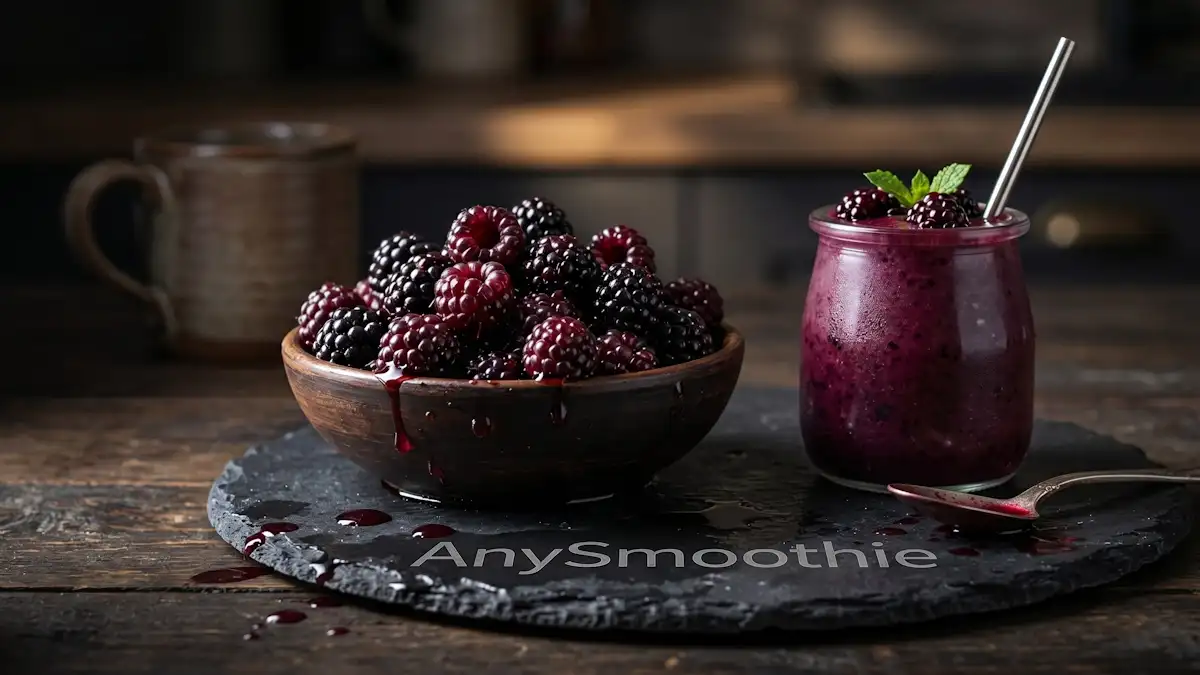
You eat a carb-heavy meal. Then blood sugar spikes. Energy crashes follow. Weight creeps up. Insulin resistance builds over time. These issues frustrate many people.
C3G, or cyanidin-3-glucoside, changes that. This anthocyanin pigment gives dark berries their deep color. It acts like a natural insulin mimetic. Berries with C3G improve insulin sensitivity. They activate AMPK to burn fat. They direct nutrients to fuel muscles, not fat stores.
Science backs this. Studies show C3G shuttles glucose into cells fast. Post-meal spikes drop. Steady energy lasts longer. Black raspberries lead with the highest C3G levels.
This guide spotlights berries with C3G for blood sugar control. You’ll see berry comparisons. Recipes pack in C3G doses. Tips boost absorption. Start simple. Grab berries today. Feel the difference.
The C3G Advantage: How Berry Pigments Act as Insulin Mimetic
C3G acts as an insulin mimetic. It pulls glucose from blood into cells. This happens without raising insulin levels. Cells get fuel. Blood sugar stays even.
Fiber in berries slows sugar release. That’s good. But C3G works faster. It boosts insulin sensitivity right away. Muscles take up glucose better. Fat stays out of storage.
Dark berries shine here. Black raspberries top the list. They pack more C3G than others. Blueberries and blackberries follow close.
Here’s a quick comparison of three top berries:
| Berry | Relative C3G Concentration (mg/100g fresh) | Glycemic Index | Secondary Benefit | Best Smoothie Pairing |
|---|---|---|---|---|
| Black Raspberries | 200-300 (C3G champs) | 25 | Heart health | Greens |
| Blackberries | ~150 | 25 | Gut health | Hemp seeds |
| Blueberries | 100-150 | 40-53 | Vision and brain | Yogurt |
Black raspberries win for C3G load. All keep GI low. Pair them smart for max effect.
These pigments target glucose control directly. Results show up in hours.
Beyond Fiber: The Direct Impact of Anthocyanins on GLUT4 Transporters
Anthocyanins like C3G bind cell receptors. This moves GLUT4 transporters to muscle surfaces. Glucose enters cells easy. No insulin needed.
Think of GLUT4 as door keys. C3G unlocks them. Sugar flows in. A study on anthocyanins and GLUT4 found better uptake in cells.
Human trials back it. People eat C3G-rich berries. Post-meal glucose drops 15-30%. Energy stays steady. No crashes. Fiber helps slow carbs. C3G handles the rest.
Add these berries daily. Insulin sensitivity rises. Blood sugar control improves fast.
Nutrient Partitioning: Signaling Your Body to Burn Sugar, Not Store It
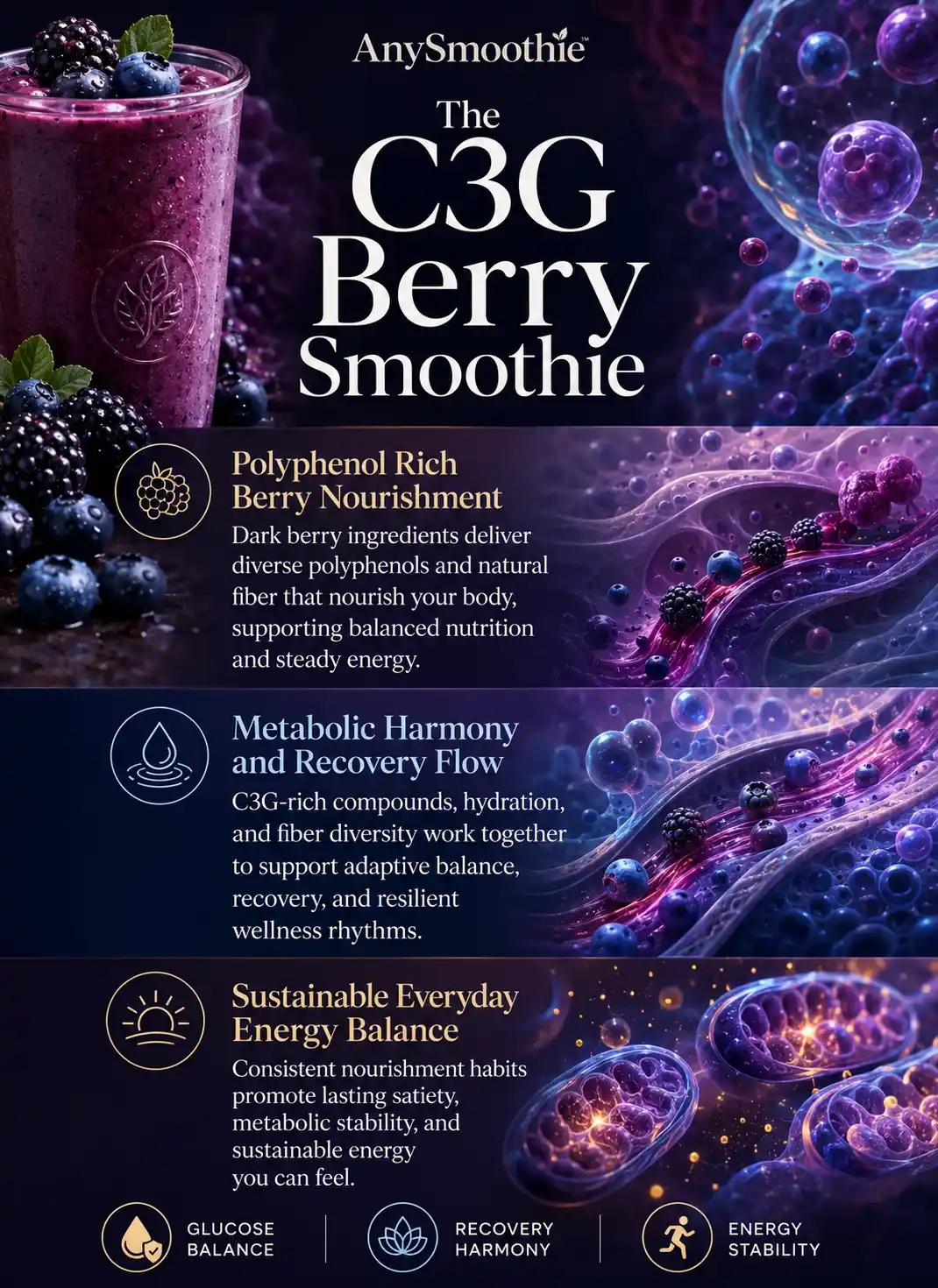
Your body routes nutrients two ways. To muscles for energy. Or to fat for storage. C3G tips the scale to burning.
It boosts insulin sensitivity first. Glucose heads to muscles. Less stores as fat. AMPK activation helps too. This switch ramps glucose use.
Picture a traffic cop. C3G directs sugar to fuel lines. Fat oxidation kicks in. Weight management gets easier.
Berries deliver this daily. Black raspberries lead. They signal smart partitioning. Energy flows. Fat shrinks.
Studies confirm. Mice on high-fat diets eat C3G. Glucose tolerance improves. Fat drops. Humans see similar gains.
Try smoothies next. They pack C3G with synergies.
The AMPK Pathway: How C3G Activates Your Metabolic Master Switch
AMPK senses low energy. It turns on fat burn and glucose uptake. C3G flips this switch. Cells mimic exercise effects.
Mitochondria work harder. Glucose burns fast. Fat storage enzymes shut down. Berry studies show 20-40% AMPK boost.
In simple terms, AMPK wakes cells. They burn sugar quick. Blood sugar dips. Body comp shifts.
A key study on C3G metabolism links it to better insulin action. Add berries. Activate AMPK. Control blood sugar.
3 High-C3G Smoothie Recipes for Glycemic Stability
Smoothies make berries with C3G easy. They stabilize blood sugar. Each recipe serves 1-2. Prep takes 5 minutes. Calories stay 200-300. GI remains low.
C3G doses hit 150-250mg. Pairings boost effects. Call them glycemic shields. Blend one daily.
The Black-Velvet Blackberry and Hemp Insulin Primer
Ingredients
- 1 cup blackberries
- 2 tbsp hemp seeds
- 1/2 avocado
- 1 cup spinach
- 1 cup unsweetened almond milk
- Stevia to taste
Blend all ingredients until smooth. Pour and sip.
Blackberries provide anthocyanins, including cyanidin-3-glucoside (C3G), while hemp seeds contribute protein and unsaturated fats. Avocado, berries, and spinach make this a particularly fiber-rich blend. However, the exact C3G content varies considerably with blackberry variety, ripeness, and processing, so a precise 150 mg amount cannot be assumed.
Estimated Nutrition per Serving
- Calories: ~390 kcal
- Protein: ~13 g
- Carbohydrates: ~32 g
- Fat: ~27 g
- Fiber: ~18 g
- Sugars: ~10 g
Black Raspberry C3G Champion Blast
Ingredients
- 1 cup black raspberries
- Juice of 1/2 lemon
- 1 tbsp chia seeds
- 1 cup kale
- 1 cup unsweetened coconut water
Blend until creamy. Enjoy cold.
Black raspberries are especially rich in anthocyanins, including C3G, although their concentration varies substantially. Chia and berries contribute fiber, while coconut water supplies fluid and potassium. Lemon adds vitamin C and acidity but should not be presented as guaranteeing greater C3G absorption or stable blood sugar.
Estimated Nutrition per Serving
- Calories: ~210 kcal
- Protein: ~7 g
- Carbohydrates: ~39 g
- Fat: ~5 g
- Fiber: ~15 g
- Sugars: ~16 g
Triple Berry AMPK Activator
Ingredients
- 1/3 cup blackberries
- 1/3 cup black raspberries
- 1/3 cup blueberries
- 1 tbsp almond butter
- Pinch of ground ginger
- 1 cup plain unsweetened kefir
Blend until frothy. Drink fresh.
The three berries provide a diverse mixture of anthocyanins and other polyphenols, while kefir contributes protein and live cultures when the product contains them. Almond butter adds unsaturated fats and some protein. These foods can fit into a metabolically balanced dietary pattern, but the smoothie should not be described as activating AMPK throughout the day.
Estimated Nutrition per Serving
- Calories: ~310 kcal
- Protein: ~14 g
- Carbohydrates: ~38 g
- Fat: ~13 g
- Fiber: ~10 g
- Sugars: ~21 g
I’d keep all three berries frozen for this one and use the kefir straight from the refrigerator. That gives the blend a thick, almost sorbet-like texture without diluting its berry flavor with ice.
Biohacking the Bloom: Maximizing Anthocyanin Absorption in the Gut
C3G absorption sits low at 1-5%. Hacks lift it to 20%+. Pair right. No pills needed.
Vitamin C stops oxidation. Fats form micelles for gut crossing. Probiotics help too.
Chew berries well. Eat with meals. Fasted works sometimes. Studies show 2-3x gains.
Expert Note: C3G is highly sensitive to pH. Adding an acidic component like lemon or lime juice not only provides Vitamin C but also stabilizes the anthocyanin molecules, preventing their degradation before they reach your bloodstream.
Synergy and Bioavailability: Why Vitamin C and Fats Enhance C3G Uptake
Citrus or peppers add vitamin C. It shields C3G in the gut. A study on C3G synergy proves better transport.
Avocados, nuts, seeds provide fats. They wrap C3G for intestine passage. Ferments like kefir aid microbes.
Protocol: Smoothie with lemon and hemp. Absorption jumps. Blood sugar benefits grow.
Conclusion: Track your levels. Adjust pairs. Biohack your intake.
Berries with C3G offer real power. They mimic insulin via GLUT4. Black raspberries top C3G charts. AMPK activation burns sugar smart. Smoothies deliver easy doses. Absorption hacks multiply gains.
Start today. Pick one recipe. Blend and sip. Steady energy follows. Weight eases. Insulin sensitivity climbs.
Challenge yourself. Track blood sugar for a week pre- and post-berries. See the drop. Own your control. These pigments work. Make them yours.
🛡️ Safety Notes & Dietary Interactions
- Anthocyanin Stability and Glucose Communication Dynamics: Cyanidin-3-glucoside (C3G) is a dark berry anthocyanin frequently discussed in relation to glucose transport and metabolic signaling pathways. Pairing C3G-rich berries with acidic ingredients like lemon or lime may help support anthocyanin stability before digestion while also contributing vitamin C for broader antioxidant protection.
- GLUT4 Transporter Activity and Nutrient Partitioning Support: Research surrounding C3G often focuses on its relationship with GLUT4 transporter activity and glucose uptake into muscle tissue. In practical nutrition routines, berries paired with fiber, healthy fats, and protein may help create steadier post-meal energy patterns and support smoother nutrient partitioning compared to high-sugar low-fiber snack foods.
- AMPK Signaling and Metabolic Flexibility Balance: Dark berries are commonly discussed in metabolic wellness frameworks because anthocyanins appear to interact with AMPK-related pathways tied to glucose utilization and fat oxidation. Their role is generally framed around supporting metabolic flexibility and steadier cellular energy communication rather than acting like aggressive stimulants or “fat burners.”
- Fiber Matrix and Anthocyanin Delivery Coordination: Whole berries naturally combine anthocyanins with fiber, which slows digestion and helps moderate glucose release. Pairing berries with avocado, hemp, chia, kefir, or nut butters may also support smoother absorption dynamics and more stable satiety compared to drinking fruit juice or highly sweetened smoothie blends.
FAQ
Why are black raspberries considered one of the strongest C3G sources?
Black raspberries naturally contain very high concentrations of cyanidin-3-glucoside compared to many other common berries. This deep anthocyanin density is one reason they appear frequently in discussions around glucose regulation, oxidative balance, and metabolic signaling. Their lower glycemic profile also helps them fit well into blood sugar-conscious smoothie routines.
How does C3G relate to GLUT4 transporters and blood sugar balance?
GLUT4 transporters help move glucose from the bloodstream into muscle cells where it can be used for energy. Research suggests anthocyanins like C3G may support pathways involved in GLUT4 activity and glucose uptake dynamics. In practical terms, this is why dark berries are often discussed as part of steadier energy and insulin-sensitivity nutrition strategies.
Why are fats and vitamin C paired with dark berries in smoothies?
Vitamin C helps stabilize delicate anthocyanin compounds, while healthy fats may support smoother transport and absorption dynamics inside the digestive system. Ingredients like lemon, avocado, hemp seeds, chia, kefir, and almond butter therefore complement dark berries by improving both flavor balance and the broader nutrient-delivery environment.
How does AMPK fit into the discussion around berries and metabolism?
AMPK is commonly described as a cellular energy-sensing pathway tied to glucose utilization and fat oxidation. Anthocyanin-rich berries appear in AMPK discussions because researchers continue studying how these plant compounds interact with metabolic flexibility and energy regulation pathways. This is less about “hacking metabolism” and more about supporting steadier fuel use through nutrition.
Why do berry smoothies often create steadier energy than sugary snacks?
Whole berries combine fiber, water, polyphenols, and relatively moderate sugar content in one structure. When paired with fats or protein, digestion slows even further and glucose release becomes more gradual. Many people therefore notice fewer energy crashes and more stable satiety compared to processed snacks or juice-heavy drinks that digest rapidly.

Medical Disclaimer: AnySmoothie content is for educational purposes only and is not a substitute for professional medical advice. Consult a healthcare provider for personalized guidance. See our full Disclaimer & Terms of Use. AI Transparency: AnySmoothie may use AI to support content development. All content undergoes human editorial review for accuracy, clarity, and editorial quality. See our full AI Transparency.