
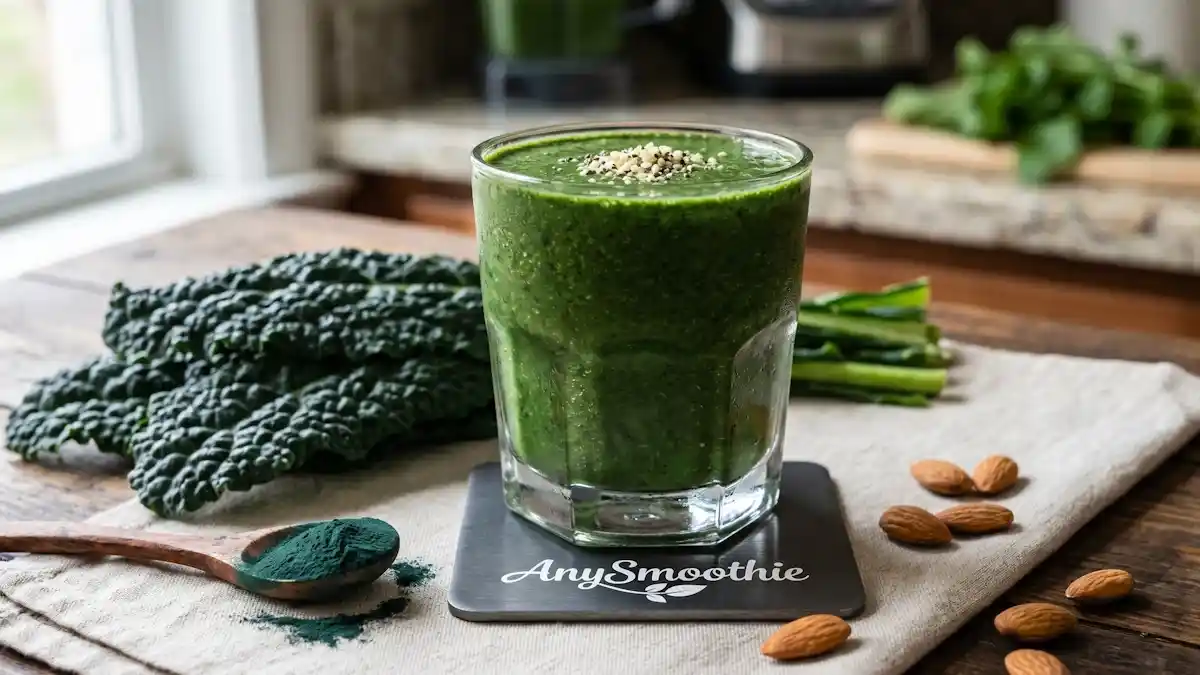
Ever finish breakfast and feel hungry again an hour later? That “bottomless pit” feeling can make weight management harder, especially when cravings hit mid-morning. On top of that, irregular digestion can leave you feeling heavy, bloated, or just off.
High fiber smoothies can help because fiber tends to slow digestion and adds volume. That often means you feel satisfied longer, your energy feels steadier, and your gut has a better chance to stay regular. Still, smoothies aren’t magic. A smoothie that’s basically fruit juice in a blender won’t keep you full for long.
The sweet spot is building smoothies that act like a real meal or a smart snack. In this post, you’ll learn how fiber works, which ingredients raise fiber without ruining flavor, a simple build-it formula, and easy recipes (including a gentle option some people like as constipation relief smoothies). You’ll also see common mistakes that turn smoothies into dessert.
How fiber in smoothies supports appetite, cravings, and digestion
Fiber is the part of plant foods your body can’t fully break down. That sounds unhelpful until you remember what you want from a weight management smoothie: staying full, fewer snack attacks, and digestion that doesn’t feel like a mystery.
First, fiber helps with fullness in a few ways. It adds bulk, which makes the smoothie feel more “there” in your stomach. Some types of fiber also absorb liquid and thicken, which slows how fast your stomach empties. When your smoothie digests more slowly, you’re less likely to feel the need to graze right away.
Next, fiber often pairs well with better blood sugar control when the rest of the smoothie is balanced. That matters because a very sweet, low-fiber smoothie can feel like a sugar rush followed by a slump. A higher fiber blend, plus protein and some fat, tends to feel more even.
Digestion is the other big piece. Fiber supports regularity by helping stool form and move. Many people notice “easier bathroom trips” after they increase fiber slowly and drink enough fluids. The key word is slowly. Jumping from low fiber to very high fiber overnight can backfire.
One more helpful detail: smoothies can be a simple way to add gut healthy drinks into your day, as long as you don’t drown them in added sugar. If you want extra context on how blended fruit still contains fiber (and when it matters), see this dietitian-written overview on fiber in blended fruit digestion.
Soluble vs insoluble fiber, and what they do in your gut
Not all fiber acts the same. Your body responds differently depending on the type.
Soluble fiber mixes with liquid and turns thick, almost gel-like. That thickness can slow digestion and help you feel full. It also feeds helpful gut bacteria, which is one reason many people think of fiber-focused smoothies as “healthy digestion smoothies.”
Soluble fiber smoothie-friendly examples:
- Rolled oats
- Chia seeds (a classic for chia seed smoothies)
- Ground flaxseed
- Berries (especially raspberries and blackberries)
- Pears with the skin on
Insoluble fiber doesn’t dissolve. Instead, it adds bulk and helps move things along. Think of it like a gentle “broom” effect for regularity.
Insoluble fiber smoothie-friendly examples:
- Spinach or kale
- Zucchini (frozen zucchini blends well)
- Cauliflower rice (adds body with mild flavor)
- Apple with skin
- A small amount of canned white beans (rinsed well)
Most people do best with a mix. That’s why smoothies built with fruit, greens, and a thickener like oats or chia tend to feel more satisfying. For a simple breakdown of the difference, this explainer on soluble vs insoluble fiber lays it out clearly.
What “enough fiber” looks like, and how to increase it without stomach trouble
In the US, general guidance often lands around 25 to 38 grams of fiber per day for many adults, depending on age and sex. You don’t need to hit a perfect number to benefit, but it helps to have a ballpark. If you have digestive disease, a history of bowel obstruction, or you’re on a diet prescribed by a clinician, check in before making big changes.
If your current intake is low, increase fiber over 1 to 2 weeks. That slower ramp-up helps reduce gas and bloating. Also, drink more water. Fiber pulls in fluid, so low hydration can leave you feeling backed up.
A smoothie can move you forward fast, which is great, until it isn’t. If you go from “almost no fiber” to “two tablespoons of chia plus oats plus berries” in one day, your gut may complain. Start with one add-in, then build.
For people exploring gentle constipation relief smoothies, foods like prunes, kiwi, pears, and chia get mentioned a lot. They can help some people, especially when paired with enough water, but introduce them gradually and notice how you feel.
Build a high fiber smoothie that keeps you full (without tasting like cardboard)
A filling smoothie shouldn’t feel like punishment. The goal is a drink that tastes good, feels thick, and holds you over. Think of it like building a comfy chair. Fiber is the frame, but you still need supportive cushions.
Here’s what tends to work for weight management: fiber plus protein plus a little fat. Fiber adds volume and slows digestion, protein helps with satisfaction, and fat improves staying power and flavor. Without protein, many smoothies act like a snack that disappears too fast.
Also watch sugar. Fruit is fine, but it’s easy to stack sweet ingredients. A smoothie with banana, mango, pineapple, juice, and sweetened yogurt can turn into a liquid dessert. If you want more inspiration from dietitians on balanced breakfast blends.
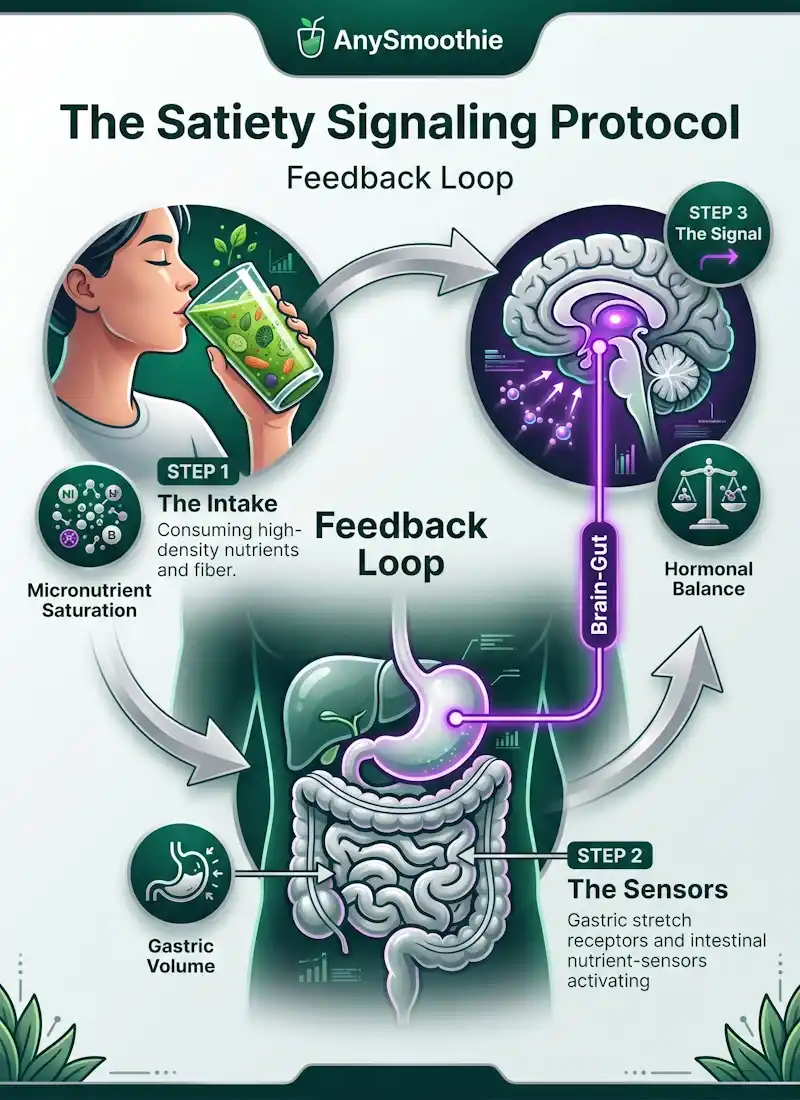
Texture matters more than most people think. A thin smoothie goes down fast, and your brain may not register it as “food.” A thicker smoothie, on the other hand, encourages slower sipping. That gives fullness signals time to catch up.
If you can drink it in 60 seconds, it probably won’t “stick” for long. Make it thicker, then sip it slowly.
Finally, keep portions realistic. A smoothie can be breakfast, but it shouldn’t be breakfast plus dessert plus a bonus snack in one cup.
The simple smoothie formula: fiber base, protein, healthy fat, and flavor
Use this structure as your default. It’s easy to remember, and it prevents the “all fruit” trap.
1 to 2 cups produce (fruit plus veggies)
A practical split is 1 cup fruit plus 1 cup veggies. Frozen berries, spinach, zucchini, and cauliflower rice all blend smoothly.
1 high-fiber add-in
Pick one to start, then rotate:
- 1 to 3 teaspoons chia seeds
- 1 tablespoon ground flaxseed
- 1/4 to 1/3 cup rolled oats (great for oat smoothie recipes)
- 1/2 cup cauliflower rice
- A very small amount of psyllium husk (start low, it thickens fast)
- 1/4 avocado (adds fiber and creaminess)
20 to 30 grams protein (or a solid food-based option)
Options that blend well:
- Greek yogurt or skyr
- Cottage cheese (yes, it works, and it’s creamy)
- Silken tofu
- Kefir
- Milk (dairy or soy tends to add more protein than almond milk)
- Protein powder (if it agrees with you)
1 small fat source
Fat makes smoothies taste better and helps satisfaction:
- 1 tablespoon nut butter
- 1 to 2 teaspoons chia or flax (already counted as fiber too)
- 1/4 avocado
Flavor boosters
Cinnamon, cocoa, vanilla, lemon juice, frozen cherries, or mint can lift flavor without extra sugar. A pinch of salt can make fruit taste sweeter, surprisingly.
Ingredient swaps to cut sugar and boost fiber without losing flavor
Small swaps can change how full you feel. They also change how your smoothie tastes, in a good way.
- Use whole fruit instead of juice. If you want citrus flavor, blend orange segments with water.
- Choose berries more often. They’re sweet, but usually less sugary per cup than tropical fruit.
- Keep banana to half to one. It’s a great texture tool, not the whole base.
- Add zucchini or cauliflower for volume. They’re mild and help thicken.
- Use unsweetened milk or yogurt. Then sweeten with fruit, not syrups.
- Use oats or chia for thickness instead of extra fruit.
- If you add dates, cap it at one. Add cinnamon and vanilla first.
One more practical tip: smoothies are easy to drink fast. A thicker blend and a smaller straw can slow you down, which helps your body notice fullness. That “sticks with you” combo many people love in fiber rich breakfast drinks is simple: oats plus berries plus yogurt.
High fiber smoothie recipes you can use for breakfast or snacks
Each recipe below follows the same idea: fiber + protein + flavor. Adjust the liquid to get the thickness you like. If your blender struggles, add liquid first and blend in stages.
Apple Pie Fiber Smoothie (no added sugar)
Blend 1 small apple with skin (cored and chopped), 1/4 cup rolled oats, 3/4 cup plain yogurt, 1 tablespoon ground flax, 3/4 to 1 cup unsweetened milk, 1/2 teaspoon cinnamon, and a few ice cubes. Add a pinch of salt and a splash of vanilla to make it taste sweeter.
Why it helps: apple skin plus oats plus flax creates a fiber-forward base that still tastes familiar. Pears swap in well, too.
Chocolate Cherry “Meal-Prep” Smoothie you can freeze
Blend 1 cup frozen cherries, 1 tablespoon chia seeds, 1 tablespoon cocoa, 3/4 cup unsweetened milk, and your protein (3/4 cup Greek yogurt or a scoop of protein powder). For extra thickness and fiber, add 1/2 cup frozen cauliflower rice.
Why it helps: cherries and cocoa taste rich, while chia and cauliflower add body so it feels like a real snack, not a sugar drink. To meal-prep, portion chia and cocoa into small containers or freezer bags, then dump and blend in the morning.
Conclusion
High fiber smoothies can be a smart tool for weight management because they tend to support fullness and digestion. Still, the best results usually come from balance: fiber plus protein plus a little fat, with added sugar kept low. Increase fiber slowly, especially if you’ve been eating very little, and drink enough water so your gut can keep up.
For the next week, pick one recipe you actually like, prep your add-ins (chia, oats, flax), and make it three times. Then note how full you feel two to three hours later. If you’re pregnant, manage a digestive condition, or take meds that interact with fiber, ask a clinician before making major fiber changes. Small steps beat big swings, and your stomach will agree.
🛡️ Safety Notes & Contraindications: High Fiber Smoothies
Hydration Imperative: High fiber intake without proportional water consumption can lead to fecal impaction and severe constipation; always drink at least 250ml of extra water for every high-fiber smoothie.
The “Fiber Jump” Bloat: Rapidly increasing fiber intake from 5g to 25g+ can cause significant gas, abdominal distension, and cramping; increase your dosage by 3-5g every few days to allow the gut microbiome to adapt.
Intestinal Blockage Risk: Individuals with a history of bowel obstructions, strictures (e.g., from Crohn’s disease), or gastroparesis should consult a physician before using bulk-forming fibers like psyllium husk or large amounts of chia seeds.
Medication Interference: High-viscosity fibers can trap medications and slow their absorption; avoid consuming high-fiber smoothies within 2 hours of taking essential oral medications (e.g., thyroid hormones or birth control).
Oxalate Sensitivity: Raw spinach and beets are high in oxalates; those prone to calcium oxalate kidney stones should rotate their greens with low-oxalate options like arugula or lightly steamed kale.
FAQ
How does “Viscosity Engineering” influence the physiological signals of fullness?
Viscosity refers to the thickness and resistance to flow of a liquid. Biochemically, soluble fibers like the beta-glucans in oats or the mucilage in chia seeds form a gel-like matrix in the stomach. Supporting this physiological system through high-viscosity smoothies optimizes the natural pathways of “gastric distension,” sending clear mechanical signals to the brain that prolong satiety and reduce the urge for mid-morning grazing.
Why is “Sequential Fiber Reintroduction” necessary to avoid digestive drag?
The gut microbiome requires time to adapt its enzymatic machinery to an increased fiber load. Biochemically, a sudden influx of fermentable substrates can lead to temporary gas production as microbial populations shift. Supporting the physiological system through a “start low, go slow” approach optimizes the natural pathways of microbial adaptation, ensuring the biochemical mechanics of fermentation stay within tolerable comfort thresholds.
What is the role of “Insoluble Bulk” in the mechanical glide of transit?
Insoluble fiber, found in the skins of apples and the cell walls of leafy greens, does not dissolve in water but adds physical structure to the stool. Biochemically, this bulk triggers tensoreceptors in the intestinal wall, stimulating peristaltic contractions. Supporting this physiological system through “bulk engineering” facilitates the biochemical mechanics of “mechanical glide,” ensuring steady transit and supporting regular elimination patterns.
How do “Proteins and Lipids” act as a metabolic brake for fiber-rich blends?
While fiber slows sugar absorption, proteins and fats trigger the release of hormones like cholecystokinin (CCK) and PYY. Biochemically, these hormones signal the stomach to slow its emptying rate further. Supporting this physiological system by anchoring a fiber-rich smoothie with Greek yogurt or nut butter optimizes the natural pathways of nutrient partitioning, providing a steadier energy flow and preventing reactive hypoglycemia.
Why is “Hydroscopic Saturation” critical for the efficacy of chia and flax?
Chia and flax seeds are highly hydroscopic, meaning they draw water from their environment to expand. Biochemically, if these seeds are not paired with sufficient liquid (12–16 oz), they can extract moisture from the intestinal lumen, potentially slowing transit. Supporting this physiological system through proper hydration optimizes the natural pathways of “osmotic balance,” ensuring the biochemical mechanics of the fiber gel support movement rather than causing stasis.

Medical Disclaimer: AnySmoothie content is for educational purposes only and is not a substitute for professional medical advice. Consult a healthcare provider for personalized guidance. See our full Disclaimer & Terms of Use. AI Transparency: AnySmoothie may use AI to support content development. All content undergoes human editorial review for accuracy, clarity, and editorial quality. See our full AI Transparency.