
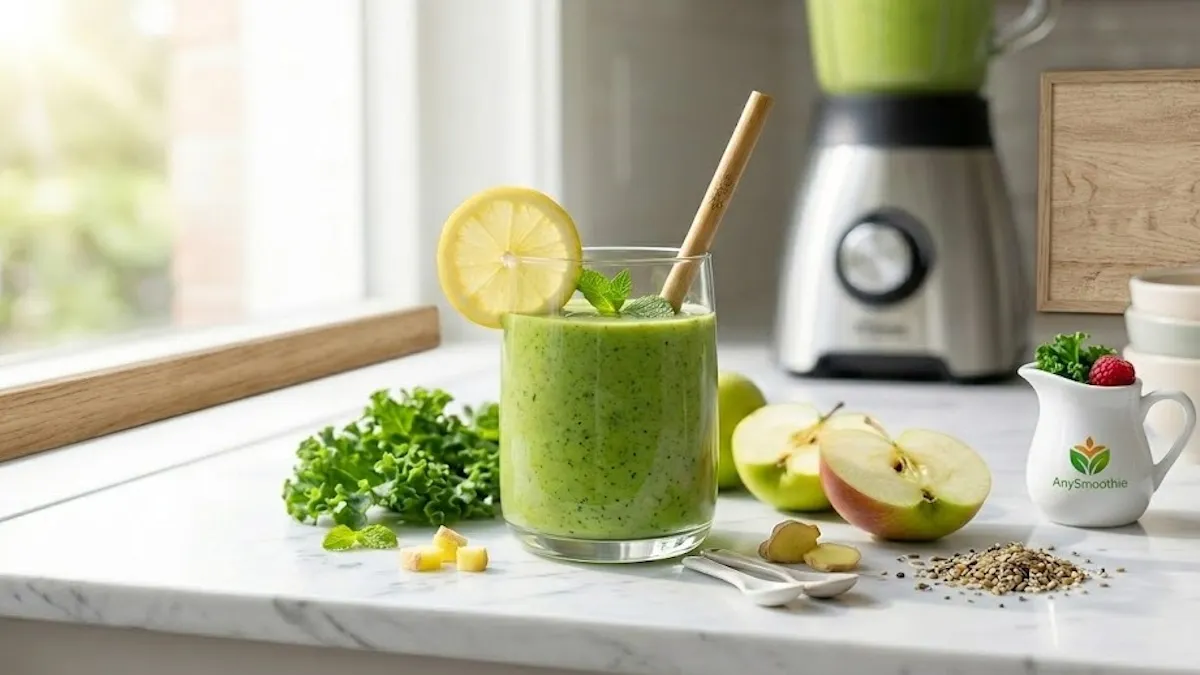
Most of us want to stay well year-round, but everyday meals don’t always make that easy. That’s where smoothies for immune system regulation can help, not as a cure or quick fix, but as a simple way to add nutrients your body needs on a regular basis.
When you build them well, smoothies can bring in key vitamins, minerals, fiber, hydration, and protein that support normal immune function. They can also be an easy fix for busy mornings or low-energy afternoons, especially when you’re trying to eat better without overthinking it. Still, not every blend helps, and some common smoothie habits can load your glass with sugar while leaving out the parts that matter most.
Next, you’ll see which ingredients are worth using, how to build a balanced smoothie, what mistakes to avoid, and a few practical recipes you can make again and again.
What immune system regulation really means, and where smoothies fit in
When people talk about immunity, they often picture a shield that needs to be made stronger, fast. That idea sounds good, but your immune system works more like a thermostat than a muscle. It has to respond when needed, then settle back down.
That is why smoothies for immune system regulation make sense when they support steady, everyday nutrition. A well-built smoothie can help fill common gaps with whole foods, protein, fiber, and healthy fats. It cannot replace sleep, stress control, movement, or medical care, but it can make those daily habits easier to follow.
Why balance matters more than trying to boost immunity fast
A healthy immune system is not one that is always turned up high. It is one that reacts well, stays in range, and does not overdo it. As explained in this overview of immune balance, both underactive and overactive responses can cause problems.
So, what does support look like in real life? It usually means giving your body the basics it uses every day:
- Enough calories and protein to build and repair cells
- Vitamins and minerals from real foods
- Fiber and fluids for gut and overall health
- Consistent habits, not short bursts of effort
That is a very different goal from chasing miracle claims. A smoothie loaded with fruit juice, syrups, and sweetened yogurt may taste healthy, but it can act more like dessert. Too much added sugar can crowd out more useful ingredients and make it harder to keep your meals balanced through the day.
Relying on supplements alone can also miss the point. Some people use powders and pills as a shortcut, but nutrition works best as part of a bigger pattern. Whole foods bring fiber, water, and compounds that do not come in the same package as a capsule. For a broad review of nutrients tied to immune function, the NIH immune function fact sheet is a solid reference.
Think of immune support as upkeep, not a panic button.
In that sense, immune health smoothies work best when they are built like a meal or solid snack. The goal is not to “boost” your system overnight. The goal is to help your body stay ready, day after day.
The nutrients your immune system uses every day
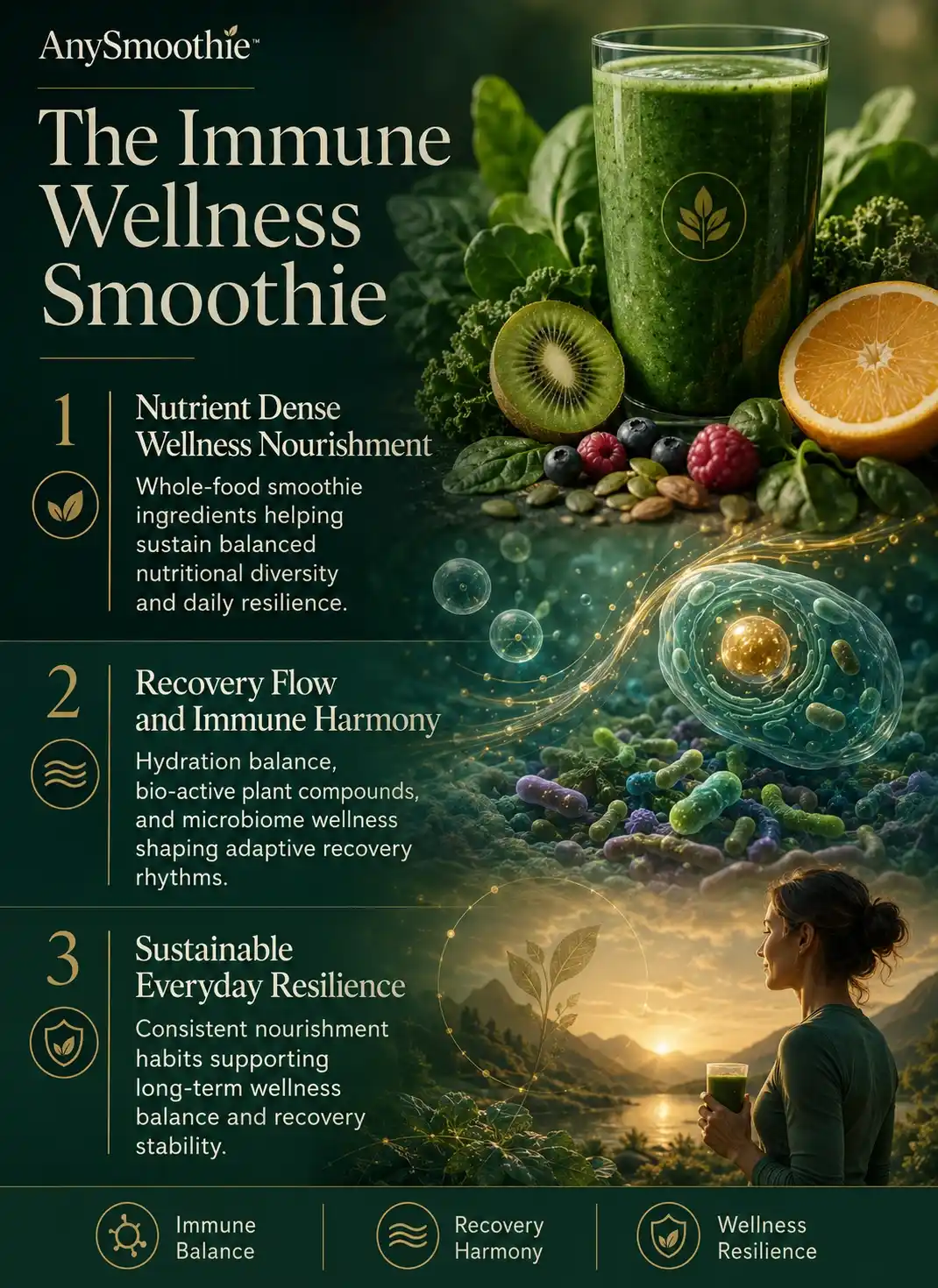
Your immune system depends on a team of nutrients, not one superstar ingredient. That is why the best vitamin boost smoothies combine produce, protein, and a few smart add-ins instead of leaning on one trendy powder.
Here is the short version of what matters most:
- Vitamin C helps support immune cell function and also acts as an antioxidant. Smoothie-friendly sources include strawberries, kiwi, citrus, pineapple, and mango.
- Vitamin A helps maintain the skin and tissues that act as your first line of defense. You can get it from carrots, sweet potato, pumpkin, spinach, and kale.
- Vitamin D helps regulate immune responses. Food sources for smoothies are limited, but fortified milk, fortified plant milk, and yogurt can help.
- Zinc supports immune cell growth and signaling. Good blend-ins include yogurt, milk, pumpkin seeds, oats, and nut butters.
- Selenium helps protect cells from damage and supports normal immune function. Brazil nuts, yogurt, oats, and sunflower seeds can contribute small amounts.
- Protein gives your body the amino acids it needs to build immune cells and repair tissue. Greek yogurt, kefir, soy milk, tofu, and protein-rich seeds work well.
- Omega-3 fats help support healthy inflammatory balance. Smoothie options include chia seeds, flaxseed, hemp seeds, and walnuts.
- Probiotics support gut health, and much of your immune activity is linked to the gut. Yogurt and kefir are easy smoothie picks.
- Antioxidants help protect cells from oxidative stress. Berries, cherries, cocoa, leafy greens, and colorful fruits are easy wins for antioxidant fruit blends.
For a practical summary of nutrients tied to normal immune function, Cleveland Clinic’s nutrition guide covers many of the main players in plain language.
The key takeaway is simple. A strong smoothie for daily support usually has more than fruit alone. When you pair colorful produce with protein, healthy fat, and cultured dairy or fortified alternatives, you get much closer to what your body actually uses. That is where a smoothie for strong immunity starts to become useful, not because it is magic, but because it is balanced.
The best smoothie ingredients for steady immune support
If you want smoothies for immune system regulation to actually help, focus on ingredients that do more than taste good. The best blends combine colorful produce, enough protein to make the drink satisfying, and a few smart extras that add flavor and nutrition without turning your smoothie into a sugar bomb.
Think of it like building a solid meal in a glass. Fruit brings vitamins and antioxidants, but balance is what makes it useful day after day. That steady pattern matters more than any one “superfood.”
Fruits and vegetables that bring antioxidants, vitamin C, and beta carotene
Color matters for a reason. Deep reds, bright oranges, rich greens, and sunny yellows often signal plant compounds that support your body in different ways. In practical terms, that means your smoothie gets stronger when you rotate produce instead of relying on the same banana-and-juice combo every time.
For immune health smoothies, some of the best fruits are berries, citrus, kiwi, mango, and pineapple. Berries bring antioxidants with relatively less sugar than many tropical fruits. Citrus and kiwi are well-known for vitamin C, while mango and pineapple add sweetness plus a mix of helpful nutrients that pair well with greens.
On the vegetable side, spinach and kale are easy wins because they blend smoothly with fruit. Carrots, pumpkin, and sweet potato stand out for beta carotene, which your body can turn into vitamin A. That matters because vitamin A helps support the skin and tissues that act like your first protective layer.
A few produce picks work especially well in smoothies:
- Berries: Great for antioxidant fruit blends, especially blueberries, strawberries, and raspberries.
- Citrus and kiwi: Bright flavor, lots of vitamin C, and a fresh lift for heavier ingredients.
- Mango and pineapple: Naturally sweet, easy to blend, and helpful when you want fewer added sweeteners.
- Spinach and kale: Mild to earthy greens that add vitamins without changing the texture too much.
- Carrots, pumpkin, and sweet potato: Thick, creamy, and rich in orange pigments tied to beta carotene.
You do not need fresh produce for every smoothie. In fact, frozen fruits and vegetables can be just as useful as fresh. They are picked and frozen quickly, they last longer, and they often make smoothies colder and thicker without ice. That can save money, cut waste, and make it much easier to keep ingredients on hand.
If you tend to get stuck using only oranges for vitamin C, it helps to branch out. This quick guide to foods with immune-supporting nutrients shows how many colorful options can do the job.
The best smoothie for strong immunity is rarely built from one hero ingredient. It works better when several colorful foods show up together.
Protein, healthy fats, and fiber that help make smoothies more balanced
Fruit alone can make a smoothie taste fresh, but it may not keep you full for long. That is where protein, healthy fats, and fiber come in. They slow things down, help with fullness, and make your drink feel more like a meal than a sweet snack.
Protein matters because your body uses it to build and repair tissues, including immune cells. Good smoothie-friendly choices include Greek yogurt, kefir, cottage cheese, soy milk, and tofu. Greek yogurt makes a thick, creamy base. Kefir adds protein plus probiotics. Cottage cheese sounds unusual, but it blends surprisingly well and bumps up protein without much sugar. If you want a dairy-free option, soy milk and soft tofu both work well.
Healthy fats also earn their place. Chia seeds, flax seeds, hemp seeds, avocado, and nut butters can help your smoothie stay satisfying for longer. You do not need much. Even a tablespoon or two can improve texture and help take the edge off hunger. That matters because steady energy and fewer crashes make it easier to eat well across the whole day.
Fiber helps with that same goal. Oats, chia seeds, flax seeds, fruit, and vegetables all add bulk and slow digestion. A smoothie with fiber tends to hit differently than one made with fruit juice and sweetened yogurt. It feels more stable, more filling, and less likely to leave you hunting for snacks an hour later.
Here is the simple idea:
- Protein helps support repair and fullness.
- Healthy fats help with staying power and mouthfeel.
- Fiber supports digestion and helps smooth out blood sugar swings.
That balance supports overall nutrition over time, which is where real immune support happens. Not with a one-day reset, but with meals that keep showing up for you.
For example, a stronger base for natural defense smoothies might look like berries, spinach, Greek yogurt, chia seeds, and oats. You still get the bright fruit flavor, but now the drink has enough structure to carry you through the morning.
Helpful extras like ginger, turmeric, cinnamon, and probiotic foods
Small add-ins can sharpen both flavor and nutrition, but they work best as supporting players. A little fresh ginger can make a smoothie taste brighter and less flat. Turmeric adds earthy warmth and brings plant compounds many people want in an herbal immune smoothie. Cinnamon is a smart choice when you want sweetness without more sugar.
The key is to keep expectations realistic. Ginger and turmeric are useful ingredients, but they are not magic fixes. A teaspoon of grated ginger or a small pinch of turmeric can add interest and variety, especially in mango, pineapple, carrot, or citrus blends. Cinnamon works well with banana, oats, pumpkin, and nut butter, and it can make a smoothie taste richer without syrup or honey.
Probiotic foods fit here too, especially kefir and yogurt. Since gut health and immune health are closely linked, cultured dairy foods can be a practical addition if you tolerate them well. They also help with texture, which is a nice bonus. If you like the idea, this golden kefir smoothie recipe shows how turmeric, ginger, and kefir often pair together.
A few simple tips make these extras easier to use well:
- Start small: Ginger, turmeric, and cinnamon can overpower a smoothie fast.
- Pair wisely: Ginger fits citrus and pineapple, while cinnamon suits oats, pumpkin, and nut butters.
- Use probiotics regularly: Kefir or yogurt can be more helpful as a routine habit than a once-in-a-while add-in.
In other words, these ingredients help round out vitamin boost smoothies, but they should not distract from the basics. Colorful produce, enough protein, and some fiber still do the heavy lifting. The extras are like seasoning in a good soup, helpful, noticeable, but not the whole meal.
How to build smoothies for immune system regulation without making them too sugary
The best smoothies for immune system regulation are usually the simplest ones. You don’t need a long recipe or a pantry full of powders. Instead, build your drink like a balanced plate, with produce, protein, fiber, and enough richness to keep it satisfying.
That matters because a smoothie can help or hurt your energy. A good one feels steady and filling. A sugary one can hit fast, then fade just as quickly.
A simple smoothie formula you can mix and match
A reliable smoothie formula keeps things easy. Think in four parts, then swap ingredients based on what you have.
Here is a plain, flexible framework:
- Fruit: Use about 1 cup total. Stick to one serving, or mix two small portions.
- Greens or vegetables: Add 1 handful of spinach or about 1/2 cup of another mild veggie.
- Protein: Choose 3/4 to 1 cup Greek yogurt, 1 cup kefir, 1 cup soy milk, or a small scoop of plain protein powder.
- Healthy fat or fiber: Add 1 to 2 tablespoons chia seeds, flax, hemp seeds, nut butter, or 1/4 cup oats.
- Liquid: Pour in 3/4 to 1 cup water, unsweetened milk, or unsweetened plant milk.
That gives you a smoothie for strong immunity that tastes good and holds up like a real snack or light meal. For example, berries plus spinach, Greek yogurt, chia, and unsweetened milk is a solid place to start. If you want more ideas, this low-sugar smoothie bowl example shows how balanced ingredients can keep sweetness in check.
Easy ways to cut excess sugar and keep energy more steady
Sugar sneaks in fast. Juice-heavy blends, flavored yogurt, sherbet, and oversized fruit portions can turn immune health smoothies into dessert in a glass.
A few swaps make a big difference:
- Use whole fruit instead of juice, because whole fruit brings fiber and slows the rush.
- Choose unsweetened yogurt or milk, since flavored versions often add more sugar than you expect.
- Keep fruit to about 1 cup, rather than piling in banana, mango, pineapple, and dates all at once.
- Add seeds, oats, or nut butter, because they help the smoothie feel more steady and filling.
- Blend in vegetables, such as spinach, cauliflower, zucchini, or cucumber, for volume without much sugar.
If your smoothie tastes like a milkshake, it’s probably built like one.
This doesn’t mean your smoothie has to taste bland. It just means sweetness shouldn’t do all the work. Cinnamon, ginger, cocoa, lemon, and plain kefir can add a lot of flavor without pushing sugar higher.
When to drink an immune health smoothie for the most benefit
Timing helps, but consistency matters more. Natural defense smoothies work best when they fit your routine instead of feeling like a special project.
Breakfast is a smart option if you tend to skip meals or grab something sweet on the go. A balanced blend with protein and fiber can also work well after a workout, especially when you want something easy to digest. Later in the day, it can stand in as a solid snack when you’re too busy for a full meal.
Busy days are where vitamin boost smoothies shine. They won’t fix a poor diet on their own, but they can keep you from falling into the usual trap of caffeine, vending snacks, and random grazing. In other words, the “best” time is the time you’ll actually keep doing.
3 easy smoothie ideas that match different wellness needs
Not every smoothie has to do the same job. Some work best as a bright breakfast, some feel better on a lighter day, and some are better when you need a snack that actually sticks with you. For smoothies for immune system regulation, the goal stays the same: combine produce, protein, fiber, and a few smart extras so the drink tastes good and feels balanced.
Common smoothie mistakes that can weaken the health benefits
Even the best ingredients can get lost in a poorly built smoothie. That’s the catch with smoothies for immune system regulation. They can support better eating, or they can quietly turn into a sugar-heavy drink that leaves you hungry and tired.
Most mistakes are simple. A little too much sweetness here, not enough protein there, then a smoothie starts acting more like a snack bar melted into a cup. The goal isn’t perfection. It’s knowing what throws off the balance.
Using too many sweet ingredients and calling it healthy
A smoothie can look healthy and still miss the mark. Fruit juice is a common example. It sounds wholesome, but it strips away the fiber you’d get from whole fruit, so the drink goes down fast and hits hard. That’s one reason many experts suggest skipping juice and using water or an unsweetened milk instead, as explained in these blood sugar smoothie tips.
The same problem shows up with sweetened yogurt, honey, flavored protein powders, and big fruit portions. None of these are automatically “bad.” Still, when you stack them in one blender, the total sugar climbs quickly. Suddenly your smoothie has:
- whole fruit
- fruit juice
- vanilla yogurt
- honey
- sweet protein powder
At that point, you’re not building a balanced meal. You’re building a dessert-like drink with a health halo.
Portion size matters just as much. Two bananas, a cup of mango, pineapple, dates, and juice can push a smoothie far past what most people expect. It may still contain vitamins, but it also becomes easy to overdrink. Liquids don’t always register the same way solid food does, so a large smoothie can pack a lot of sugar and calories without feeling especially filling.
If your smoothie needs several sweeteners to taste good, the recipe probably needs more balance, not more sweetness.
A better approach is simple. Use whole fruit, keep the portion reasonable, and let flavor come from ingredients like cinnamon, ginger, cocoa, or plain kefir. If you want a quick reality check on hidden smoothie add-ins, this roundup of less healthy smoothie ingredients covers some of the biggest trouble spots.
Skipping protein and fiber, then feeling hungry too soon
A fruit-only smoothie often feels great for about 30 minutes. Then comes the crash. You get a quick burst of energy, but it fades fast because the drink moves through your system too quickly.
That’s where protein and fiber matter. They slow digestion, help steady blood sugar, and give your smoothie some staying power. Without them, even antioxidant fruit blends can act more like a sweet drink than a meal or solid snack.
Think of it like a campfire. Fruit alone burns hot and fast. Add protein, fiber, and some healthy fat, and the fire lasts longer.
This is why so many people feel hungry soon after a “healthy” smoothie. It wasn’t balanced enough to hold them. According to EatingWell’s explanation of why smoothies don’t always satisfy hunger, smoothies that lack enough protein, fiber, and fat are less likely to keep you full.
Here’s what usually helps:
- Protein from Greek yogurt, kefir, tofu, cottage cheese, soy milk, or a plain protein powder
- Fiber from berries, chia seeds, flax, oats, and greens
- Healthy fat from nut butter, seeds, or avocado
You don’t need all of these in large amounts. You just need enough structure so the smoothie behaves like food. That’s especially important if you’re drinking immune health smoothies for breakfast or as a meal replacement. Otherwise, the cycle gets familiar fast: drink smoothie, feel good briefly, get hungry, grab something sugary, repeat.
For a smoothie for strong immunity, balance beats sweetness every time.
Relying on one smoothie instead of a healthy routine
A good smoothie can support your routine, but it can’t carry the whole load. That’s true for vitamin boost smoothies, natural defense smoothies, and every other healthy blend with a catchy name. One drink doesn’t cancel out short sleep, high stress, skipped meals, or dehydration.
Your immune system responds to the bigger pattern. That includes:
- Sleep, because your body does repair work at night
- Regular meals, so you don’t swing between under-eating and overeating
- Stress care, because chronic stress can wear you down
- Movement, which supports overall health
- Hydration, since even mild dehydration can affect how you feel
So yes, smoothies can help. They make it easier to fit in fruit, greens, protein, and fiber on busy days. But they work best as one tool, not the whole toolbox. As Verywell Health’s guide to healthy smoothies points out, the ingredients and the overall diet pattern both matter.
This also matters for expectations. If you’re drinking an herbal immune smoothie every morning but sleeping five hours a night, the smoothie isn’t the weak link. It’s just being asked to do too much.
If you have diabetes, digestive issues, kidney disease, food allergies, or a special diet, personalized advice can help. The same goes for anyone using smoothies as meal replacements often. A few smart tweaks can make a big difference, especially when your health needs aren’t one-size-fits-all.
Conclusion
Smoothies for immune system regulation work best when you keep them simple and balanced. That means whole fruit, a solid protein source, fiber, and little to no added sugar. As a result, your smoothie supports your routine instead of acting like a sweet drink with a healthy label.
Start with one easy formula, then adjust it to fit your taste, schedule, and nutrition needs. For example, you might rotate between immune health smoothies with berries and greens, a smoothie for strong immunity with yogurt and seeds, or lighter antioxidant fruit blends when you want something quick.
Most importantly, let these vitamin boost smoothies support the bigger picture, not replace it. Pair your natural defense smoothies or herbal immune smoothie with real meals, sleep, movement, and hydration, and healthy choices start to feel much easier to keep.
⚠️ Specific Safety Notes
Autoimmune Conditions: If you have an autoimmune disease (e.g., Lupus, Rheumatoid Arthritis), consult your specialist before adding potent immune-modulators like medicinal mushrooms or high-dose zinc. You want to balance, not over-stimulate, an already overactive system.
Zinc Toxicity: While zinc is vital, chronic excessive intake (more than 40mg daily from all sources) can interfere with copper absorption and actually weaken immune function over time. Stick to whole-food sources like seeds and yogurt.
Vitamin A Overload: If you use pre-formed Vitamin A (Retinol) supplements, be careful with adding large amounts of liver or high-dose extracts to your smoothie. High levels can be toxic, especially during pregnancy. Beta-carotene from carrots/spinach is much safer as the body converts only what it needs.
Blood Pressure & Ginger/Turmeric: These common “immune boosters” can have mild blood-thinning effects. If you are on anticoagulants (Warfarin, Aspirin), monitor your levels if these become a daily habit.
Detox Myth: “Immune-boosting” smoothies are not detoxes. If you feel sudden fatigue or headaches after starting a green smoothie routine, you may be experiencing a reaction to oxalates or a sudden change in fiber, not “toxins leaving the body.” Slow down and hydrate.
FAQ
How do “Immune Health Smoothies” support physiological regulation rather than just stimulation?
The immune system functions through a delicate balance of activation and resolution. Biochemically, nutrients like Vitamin D and Omega-3 fatty acids act as modulators that help the system respond to threats without overreacting. Supporting this physiological system through balanced smoothies optimizes the natural pathways of “immune surveillance,” ensuring the biochemical mechanics of defense remain steady and well-regulated rather than hyper-stimulated.
Why is “Protein and Zinc Synergy” essential for immune cell production?
Immune cells, such as T-cells and B-cells, require rapid protein synthesis and zinc-dependent signaling to multiply during an immune challenge. Biochemically, zinc is a cofactor for hundreds of enzymes involved in cell growth and DNA synthesis. Supporting this physiological system with Greek yogurt, seeds, and protein-rich bases ensures the biochemical mechanics of “immune cell proliferation” have the necessary raw materials to respond efficiently to environmental stressors.
What is the role of the “Gut-Immune Axis” in smoothie formulation?
Approximately 70-80% of the immune system is located in the gut-associated lymphoid tissue (GALT). Biochemically, probiotics from kefir or yogurt and prebiotic fiber from oats and berries support a healthy microbiome, which in turn signals to immune cells. Supporting this physiological system through fermented bases and high-fiber ingredients optimizes the natural pathways of “cross-talk” between the gut and the systemic immune response, facilitating a more resilient defense.
How does “Vitamin A and C” support the body’s first line of defense?
Vitamin A is crucial for maintaining the integrity of mucosal barriers (skin and linings), while Vitamin C supports the function of various immune cells and acts as a potent antioxidant. Biochemically, these vitamins protect cells from the oxidative burst used to neutralize pathogens. Supporting these physiological systems through ingredients like kale, carrots, and citrus optimizes the natural pathways of “barrier protection,” ensuring the biochemical mechanics of the innate immune system stay robust.
Why should “Added Sugars” be avoided in immune-support protocols?
High intake of refined sugars can temporarily suppress the activity of white blood cells, specifically neutrophils, which are key for neutralizing bacteria. Biochemically, a sugar spike can interfere with the transport of Vitamin C into cells due to their similar chemical structures. Supporting the physiological system through low-glycemic, whole-food smoothies optimizes the natural pathways of nutrient uptake, ensuring the biochemical mechanics of immune defense are not hindered by metabolic fluctuations.

Medical Disclaimer: AnySmoothie content is for educational purposes only and is not a substitute for professional medical advice. Consult a healthcare provider for personalized guidance. See our full Disclaimer & Terms of Use. AI Transparency: AnySmoothie may use AI to support content development. All content undergoes human editorial review for accuracy, clarity, and editorial quality. See our full AI Transparency.