
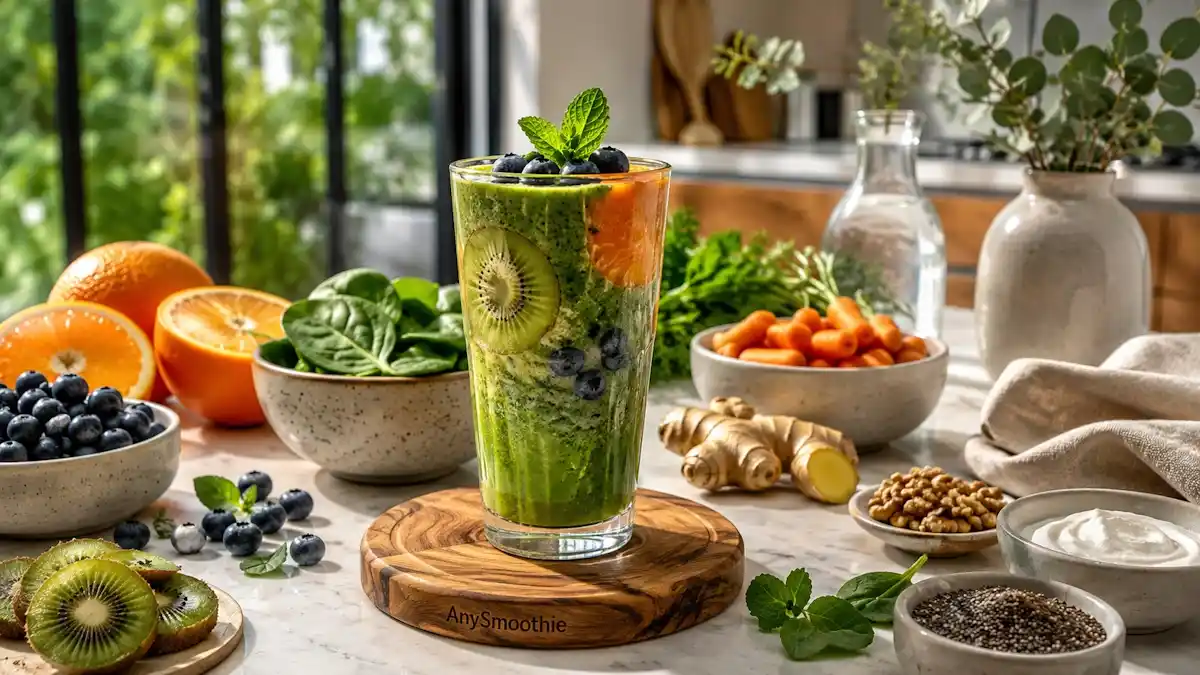
Can smoothies support your body after quitting smoking? Yes, they can make it easier to drink fluids and eat fruit, vegetables, protein, and fiber while your habits change. Smoothies after quitting smoking can also provide a planned meal or snack when a craving appears or your usual coffee-and-cigarette routine feels incomplete.
Taste and smell may improve after quitting, while appetite and meal timing can shift. A well-built smoothie won’t cleanse your lungs or replace evidence-based quit support, but it can support consistent nutrition. Start with three practical recipes, then adjust your ingredients around hunger, preferences, and health needs.
How Smoothies Can Support Your Routine After Quitting Smoking
A smoothie is a convenient food option, not a treatment. Blending produce with a protein source can help you create breakfast, a snack, or a planned replacement for a smoking cue. Preparing one before work may also reduce the chance of skipping a meal when cravings disrupt your routine.
Fluids support normal hydration, while fiber helps food move through the digestive tract and supports regular bowel function. Protein supplies Amino acids and usually makes a blended meal more filling than fruit and liquid alone. Vitamin C participates in collagen production and antioxidant systems. Carotenoids are plant pigments, and some can be converted to vitamin A. Potassium supports fluid balance and normal nerve and muscle function.
Fresh flavors may become more appealing as taste and smell recover. However, a large fruit-only smoothie can deliver plenty of sugar without much protein or fiber. That combination may leave you hungry soon after drinking it, especially if your appetite has increased.
No smoothie can remove nicotine from your body faster or reverse smoking-related damage on its own. Continue following guidance from a clinician, quitline, counseling program, or other trusted smoking-cessation resource. Quitting smoking is one of the most important steps you can take for your long-term health. Learn more about What happens after you quit smoking and the positive changes that occur over time.
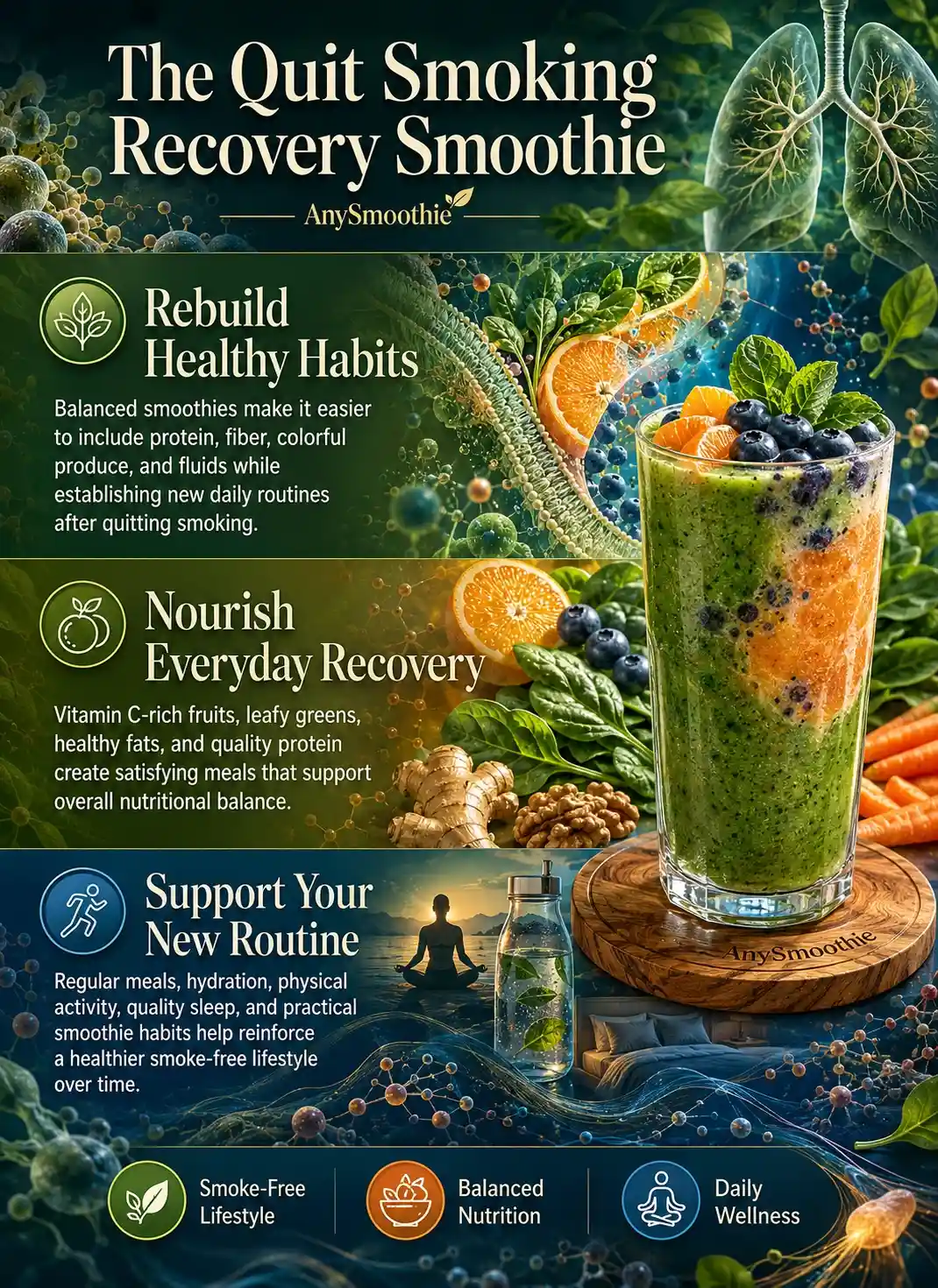
3 Smoothies After Quitting Smoking
These recipes make one substantial serving. Blend each one until smooth, then add liquid gradually to control thickness. The nutrition estimates are approximate because yogurt, milk, tofu, and produce vary by brand and size.
Berry Citrus Recovery Smoothie
Ingredients
- 1 cup frozen mixed berries
- 1 small peeled orange
- 3/4 cup plain Greek yogurt
- 1 packed cup baby spinach
- 1 tablespoon ground flaxseed
- 3/4 cup unsweetened milk or water
Add everything to a blender and process until smooth. Add another tablespoon or two of liquid if needed.
Berries and oranges provide vitamin C, while berries also supply polyphenols and fiber. Spinach adds carotenoids and potassium. Greek yogurt provides protein, and flaxseed adds fiber plus plant-based fats. Depending on the ingredients, this smoothie may provide roughly 18 to 20 grams of protein and 12 to 14 grams of fiber.
For a lower-sugar blend, use 1/2 orange, keep the berries, and choose water or unsweetened milk. Avoid orange juice, which increases the drink’s sugar without adding the fiber found in whole fruit.
Estimated Nutrition per Serving
Estimated with mixed berries, one small orange, plain nonfat Greek yogurt, spinach, ground flaxseed, and unsweetened soy milk.
- Calories: ~390 kcal
- Protein: ~28 g
- Carbohydrates: ~53 g
- Fat: ~9 g
- Fiber: ~14 g
- Sugars: ~31 g
Frozen berries plus Greek yogurt can make this recovery blend quite thick before the flaxseed is even added. Start with the full liquid amount and blend completely before adding more; after a few minutes, the flaxseed will naturally give the smoothie a fuller texture.
Green Ginger Hydration Smoothie
Ingredients
- 1 cup chopped cucumber
- 1 packed cup leafy greens, such as spinach or kale
- 3/4 cup pineapple chunks or 1/2 chopped green apple
- 1/2 small avocado
- 1 teaspoon freshly grated ginger
- 1 cup water or unsweetened coconut water
- Ice, optional
Blend the cucumber, greens, fruit, avocado, ginger, and liquid until creamy. Add ice if you prefer a colder texture.
Cucumber and leafy greens contain substantial water, which can help you include fluids with a snack. Pineapple or apple brings sweetness and fiber, while avocado adds monounsaturated fat and potassium. Ginger provides a sharp flavor without syrups or added sugar. This recipe has little protein, so pair it with plain yogurt, eggs, tofu, or another protein-rich food if you want it to function as breakfast.
If you take medication, have digestive concerns, or have a food allergy, check whether concentrated ginger, avocado, coconut water, or another ingredient fits your needs.
Estimated Nutrition per Serving
Estimated with cucumber, spinach, pineapple, half a small avocado, fresh ginger, plain water, and without optional ice.
- Calories: ~225 kcal
- Protein: ~5 g
- Carbohydrates: ~37 g
- Fat: ~9 g
- Fiber: ~10 g
- Sugars: ~22 g
Chocolate Banana Protein Smoothie
Ingredients
- 1 small banana
- 1 tablespoon unsweetened cocoa powder
- 3/4 cup plain Greek yogurt or 5 ounces soft tofu
- 1/4 cup rolled oats
- 1 tablespoon peanut, almond, or sunflower seed butter
- 3/4 cup unsweetened milk
Blend the banana, cocoa, yogurt or tofu, oats, seed butter, and milk until smooth. Let the mixture stand for two minutes if you prefer softer oats, then blend again.
Banana supplies carbohydrate and potassium. Cocoa adds a chocolate flavor without relying on syrup, while oats contribute soluble and insoluble fiber. Yogurt or tofu provides protein, and nut or seed butter adds fat that can make the drink more satisfying. Depending on your choice of yogurt or tofu, the smoothie may provide about 18 to 25 grams of protein and 6 to 8 grams of fiber.
Choose unsweetened cocoa and plain dairy or soy products. Sweetened protein powders and flavored milks can add sugar quickly. Sunflower seed butter is a useful nut-free substitution, but check labels for cross-contact if you have a serious allergy.
Estimated Nutrition per Serving
Estimated with one small banana, unsweetened cocoa, plain nonfat Greek yogurt, rolled oats, natural peanut butter, and unsweetened soy milk.
- Calories: ~495 kcal
- Protein: ~33 g
- Carbohydrates: ~65 g
- Fat: ~15 g
- Fiber: ~10 g
- Sugars: ~26 g
Cocoa and oats can occasionally collect around the sides of the blender beneath the thicker yogurt. Adding the milk first, followed by oats and cocoa before the remaining ingredients, helps them disperse more evenly and gives this protein-rich smoothie a smoother chocolate finish.
Build a Balanced Smoothie and Avoid Common Mistakes
Use this simple formula: one protein source, one or two servings of produce, a fiber source, a small amount of healthy fat, and an unsweetened liquid. This structure helps keep a smoothie from becoming a high-sugar drink that leaves you hungry. Building regular meal patterns can make healthy eating easier while your routine changes after quitting smoking. The Dietary guidelines for americans offer practical advice for creating balanced meals and snacks.
For more combinations built around fiber, see these fiber-rich smoothie recipes. Keep portions realistic, especially when a smoothie accompanies a full meal.
| Smoothie | Main ingredients | Best time to use it | What it provides | Simple adjustment |
|---|---|---|---|---|
| Berry Citrus | Berries, orange, yogurt, spinach, flax | Breakfast or a filling snack | Protein, fiber, vitamin C, carotenoids | Use half an orange for less sugar |
| Green Ginger | Cucumber, greens, pineapple, avocado, ginger | Light snack or alongside protein | Fluids, potassium, fiber, healthy fat | Choose apple for a less tropical flavor |
| Chocolate Banana | Banana, cocoa, yogurt or tofu, oats, seed butter | Breakfast or an afternoon craving | Protein, fiber, carbohydrate, satisfying fat | Use sunflower seed butter for a nut-free option |
Added sugar is easy to miss in flavored yogurt, juice, sweetened milk, syrups, and protein powders. Water or unsweetened milk usually works better than juice. Unsweetened coconut water still contains natural sugar, so account for it when choosing the rest of the recipe.
Acidic ingredients, including citrus and pineapple, can soften tooth enamel temporarily. Rinse your mouth with water after drinking an Acidic smoothie, and wait before brushing. If you have diabetes, kidney disease, swallowing problems, food allergies, or special dietary needs, ask a qualified health professional to review ingredient choices and portion sizes.
Conclusion
Smoothies after quitting smoking can support hydration, steady nutrition, and a new daily routine. They aren’t a lung cleanse or a substitute for quit-smoking care. Choose a protein source, include fiber, limit added sugar, and rotate the berry, green, and chocolate recipes according to your hunger.
Prepare ingredients the night before, then use one smoothie as part of a broader plan for staying smoke-free. A reliable meal routine can make changing old smoking cues easier to manage.
🛡️ Safety Notes & Dietary Interactions
- Support Your Quit Plan: These smoothies can help maintain hydration and balanced nutrition after quitting smoking, but they do not remove nicotine, repair smoking-related damage, or replace evidence-based smoking cessation support or medical care.
- Choose Ingredients That Fit Your Health: If you have diabetes, kidney disease, food allergies, digestive disorders, pregnancy, or follow a medically prescribed diet, personalize ingredients such as fruit, dairy, soy products, nuts, seeds, and oats with guidance from a qualified healthcare professional.
- Be Mindful of Oral Health: Citrus fruits and pineapple are naturally acidic and may temporarily soften tooth enamel. Rinse your mouth with water after drinking acidic smoothies and wait a short time before brushing your teeth.
- Build Lasting Habits: Nutritious smoothies work best alongside regular meals, adequate hydration, physical activity, Quality sleep, and proven smoking cessation strategies. Long-term recovery depends on consistent healthy habits rather than any single food or beverage.
FAQs
Can smoothies help me quit smoking?
Smoothies cannot stop nicotine cravings or replace smoking cessation treatments. However, they can provide a convenient source of balanced nutrition, hydration, and planned meals that may help support healthier daily routines while you’re adjusting to life without cigarettes.
Which smoothie ingredients are most helpful after quitting smoking?
Protein-rich foods such as Greek yogurt or tofu, fiber-rich fruits and vegetables, whole oats, leafy greens, berries, citrus fruits, flaxseed, and unsweetened dairy or fortified plant-based milks create balanced smoothies that support overall nutrition and hydration.
Why is protein important after quitting smoking?
Protein helps make smoothies more satisfying than fruit-only blends and supplies amino acids needed for normal tissue maintenance. Combining protein with fiber and healthy fats may also help support fullness as appetite changes during smoking cessation.
Should I avoid fruit juice in my smoothies?
Whole fruit is usually the better choice because it retains natural fiber and creates a more balanced smoothie. Fruit juice can increase sugar intake without providing the same level of satiety or fiber found in whole fruits.
Can I drink these smoothies every day?
Yes. These smoothies can be part of a healthy daily eating pattern when combined with a variety of whole foods. Rotating fruits, vegetables, protein sources, and healthy fats helps broaden nutrient intake while supporting long-term healthy eating habits after quitting smoking.

Medical Disclaimer: AnySmoothie content is for educational purposes only and is not a substitute for professional medical advice. Consult a healthcare provider for personalized guidance. See our full Disclaimer & Terms of Use. AI Transparency: AnySmoothie may use AI to support content development. All content undergoes human editorial review for accuracy, clarity, and editorial quality. See our full AI Transparency.