

Your legs feel like concrete, your shirt’s still damp, and your schedule says you’ve got 12 minutes before the next thing. Eating a full meal sounds like work, but you still want to recover well and show up strong tomorrow.
That’s where protein smoothies earn their spot. A good blend can cover three basics at once: protein to help repair trained muscle, carbs to top off energy, and fluids to replace what you lost sweating. It’s fast, easy to drink, and you can keep the ingredients simple.
Weight Loss Programs
Diet & Weight Loss
Diet & Weight Loss
Diet & Weight Loss
Diet & Weight Loss
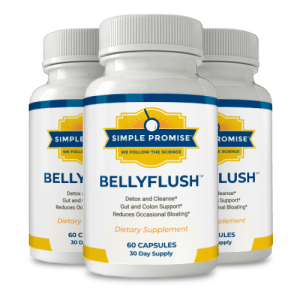
BellyFlush™ – Gut Cleanse and Digestive Detox for Weight Support
In this post, you’ll learn what to put in a recovery smoothie, when to drink it, and how to adjust it based on your training day. You’ll also get a few easy recipes you can repeat without thinking.
What your muscles need after a workout (and why a smoothie works)
After training, your body is in “clean-up and rebuild” mode. You created small amounts of muscle damage (that’s normal), you burned through stored carbs, and you lost water and minerals through sweat. Recovery nutrition doesn’t need to be fancy, but it does need to be consistent.
First, protein supplies amino acids, the building blocks your body uses to repair muscle tissue after resistance training, sprints, or hard intervals. If your day includes strength work, getting enough protein later on matters as much as what you do in the gym.
Second, carbs help refill glycogen, which is the stored fuel your muscles use during moderate to high effort work. If you did a long run, a tough bike session, a high-volume lift, or a two-a-day, carbs can make tomorrow’s workout feel less like pushing through mud.
Third, fluids and electrolytes bring you back to baseline. Even mild dehydration can make you feel flat later in the day. Most people don’t need a lab test to know they’re low, they just notice a headache, dry mouth, and a weird hunger that’s really thirst.
So why a smoothie?
- It’s quick when you’re busy or not hungry.
- It’s easy to digest compared with a big plate of food.
- It’s customizable, so you can go lighter or more filling.
- It can be a bridge to a real meal when appetite returns.
The details of post-workout nutrition can get nerdy, but the practical message stays steady. Pair protein with carbs and fluids, then keep doing that often enough to support your total training load. If you want a deeper look at how recovery nutrition supports later performance, this open access review is a solid reference: nutrition strategies for post-exercise recovery.
Protein, carbs, and fluids, the recovery trio
Think of recovery like fixing a wall after a storm. Protein is the repair crew, carbs restock the supplies, and fluids help everything run on time.
For most active people, a simple target works well:
- Protein: aim for about 25 to 40 grams in your smoothie.
- Carbs: add them when the workout was hard, long, or you’ll train again soon. Fruit, oats, milk, and honey all count.
- Fluids: add enough liquid to make it easy to drink, usually 12 to 20 ounces total, depending on thickness.
Electrolytes don’t have to come from a sports drink. A pinch of salt can help, and many smoothie staples already contain potassium, like bananas, dairy, and soy milk.
If you only fix one thing, fix this: stop drinking “protein-only” blends after brutal sessions. Add carbs and enough liquid, and your body will thank you later.
When to drink a post workout smoothie and how much you need
You don’t need to race the clock. For most people, drinking your smoothie within a couple hours after training works fine. If you’re training again the same day, sooner is helpful because you’re trying to refill the tank faster.
Still, the bigger driver is your total daily protein. One perfect smoothie won’t make up for a day that’s low overall, and a slightly late smoothie won’t ruin a solid day of eating.
For portions, keep it simple:
- A 12 to 20 oz smoothie is a practical range for most people.
- If you’re smaller, newer to training, or you ate a meal soon after, stay closer to 12 oz.
- If you’re taller, lifting heavy, or using the smoothie as a meal, 16 to 20 oz often fits better.
Appetite is personal. Some days you want a thin drink. Other days you want something thick enough to eat with a spoon. Both can work, as long as the ingredients match your goals.
Build a muscle recovery smoothie that actually tastes good
A lot of people quit on the post-lift smoothie habit for one reason: they keep blending things that taste like flavored sand.
The fix is structure. When you follow a simple formula, your smoothie tastes better and hits your recovery needs without guesswork. It also makes grocery shopping easier because you’re buying a repeatable set of ingredients.
This is the sweet spot for a post workout smoothie: enough protein to support repair, enough carbs when training demands it, and enough fluid that you’ll actually finish it. Once you lock in a base recipe, you can rotate flavors without changing the core.
If you like seeing how other cooks build their blends, this is a helpful example of a balanced recovery approach: ultimate post-workout smoothie for recovery. Use it for ideas, then adjust to your taste and protein target.
Also, don’t overthink variety. Most people do better with two or three reliable protein shake recipes they can repeat, especially on busy weeks.
A simple high protein smoothie formula you can memorize
Use this blueprint, then tweak the flavor.
- Liquid base (1 to 1 1/2 cups): milk, soy milk, kefir, or water
- Protein (choose 1): 1 scoop protein powder, 3/4 to 1 cup Greek yogurt, 1/2 to 1 cup cottage cheese, or 1/2 block silken tofu
- Carb/fruit (1 to 1 1/2 cups): banana, berries, mango, oats, or dates
- Healthy fat (optional, 1 to 2 tbsp): peanut butter, chia, flax, or avocado
- Flavor booster: cocoa, cinnamon, vanilla, coffee, or a pinch of salt
- Ice: a handful, especially if you use fresh fruit
For a smoother texture, blend 30 to 60 seconds longer than you think. If it still tastes chalky, add half a banana, use yogurt, or pour in a bit more liquid. A pinch of salt can also make chocolate and coffee flavors pop.
Best protein choices: whey, dairy, and plant based options
A whey protein smoothie is popular for a reason. Whey mixes easily, tastes neutral in most flavors, and makes it simple to hit 25 to 40 grams without adding a lot of volume.
Whole-food proteins work great too:
- Greek yogurt makes smoothies thick and tangy, and it pairs well with berries and vanilla.
- Cottage cheese blends into a surprisingly creamy base, especially with banana and cocoa.
- Kefir is thinner than yogurt, so it drinks easily while still adding protein.
For a plant based protein smoothie, you’ve got several strong options:
- Pea or soy protein powder for a higher protein hit.
- Silken tofu for creaminess without much flavor.
- Soy milk for a protein boost right in the liquid base.
Plant proteins can taste a little earthy. Strong flavors help, like cocoa, peanut butter, and coffee. Also, check labels on powders. Serving sizes vary, and added sugar can climb fast if you scoop twice without noticing.
4 high protein smoothie recipes for muscle recovery (plus easy swaps)
You can use these as a starting point, then change one ingredient at a time. That way, you learn what your body and taste buds like without starting over each week.
If you want more ideas for workout-friendly blends, Snap Fitness shares a few approachable options here: protein shake recipes to build muscle. For now, pick one gym smoothie recipe below and repeat it for a week.
Chocolate banana whey recovery smoothie
Creamy, classic, and easy to drink even when you’re not hungry. Protein target: about 30 grams (depends on your scoop and milk).
- 1 cup milk (or lactose-free milk)
- 1 scoop whey protein (chocolate or vanilla)
- 1 banana (fresh or frozen)
- 1 tbsp cocoa powder
- 1/2 cup Greek yogurt (optional, for thickness)
- Pinch of salt
- Ice + splash of water as needed
Blend until smooth. If it’s too thick, add more milk or water.
Swaps: Add 1/4 cup oats for more carbs after long sessions. If you want it less sweet, use half a banana and more ice.
Berry vanilla Greek yogurt smoothie for sore day mornings
This one feels like food, not just a drink. It’s great on mornings when chewing sounds annoying. Protein target: about 25 to 35 grams, based on yogurt and milk choice.
- 1 1/2 cups frozen mixed berries
- 3/4 to 1 cup plain Greek yogurt
- 1/2 to 1 cup milk or kefir
- 1/2 tsp vanilla extract
- 1 tsp honey (optional)
- 1 tbsp chia seeds (optional)
- Ice if you want it thicker
Blend. Taste, then adjust sweetness.
If the berries taste sharp, sweeten with 1/2 a ripe banana or 1 to 2 dates instead of honey. For lower sugar, skip honey and use more vanilla and cinnamon.
Peanut butter oat smoothie for hard training days
This is one of the more filling muscle gain drinks, especially if you’re trying to gain weight and struggle to eat enough. Protein target: about 30 to 40 grams, depending on your protein pick.
- 1 cup milk or soy milk
- 1 scoop protein powder or 3/4 cup cottage cheese
- 1/3 cup oats
- 1 to 2 tbsp peanut butter
- 1 banana
- 1/2 tsp cinnamon
- Ice + water as needed
Blend longer than usual so the oats fully break down.
Swaps: Use sunflower seed butter for nut-free. If you want it lighter, cut the oats in half, or use half a banana.
Mocha plant based recovery smoothie (no dairy)
If coffee is already part of your routine, this plant based protein smoothie makes recovery feel like a treat. Protein target: about 25 to 35 grams, depending on powder and milk.
- 1 cup soy milk
- 1 scoop pea or soy protein powder
- 1 frozen banana
- 1/3 to 1/2 cup cold brew (or 1 tsp instant coffee + water)
- 1 tbsp cocoa powder
- Pinch of salt
- Ice
Blend until creamy. If it tastes bitter, add more banana, 1 date, or a splash of vanilla.
For more plant-based inspiration, this recipe is a helpful reference point: high protein vegan smoothie. You can also add a handful of spinach to the mocha version, and it won’t change much if you keep the cocoa.
Conclusion
Muscle recovery doesn’t need a complicated plan. A solid smoothie has enough protein (often 25 to 40 grams), some carbs when training is long or intense, and enough fluid to rehydrate. Once you find a blend you like, repeat it until it becomes automatic.
Pick one recipe from this post and use it for a week, then adjust one detail at a time, like carbs, sweetness, or thickness. Save the formula, prep freezer packs, and blend right after training so it’s done before the couch wins.
If you have kidney disease, you’re pregnant, or you manage food allergies, check with a clinician or dietitian before changing your protein routine. Your best smoothie is the one you can drink consistently and enjoy.

The AnySmoothie team is all about smarter smoothie recipes made with whole-food ingredients. Everything we share centers on balanced nutrition, steady energy, and low-glycemic choices, so you can sip a smoothie that keeps you full, feels good, and helps you avoid sugar crashes.
- Disclaimer: This content is for educational use only. These smoothie recipes and nutrition details aren’t a substitute for medical advice from a licensed health professional. Please read our full Medical Disclaimer here.
Dietary Supplements
Dietary Supplements
Dietary Supplements
Dietary Supplements

Dietary Supplements