
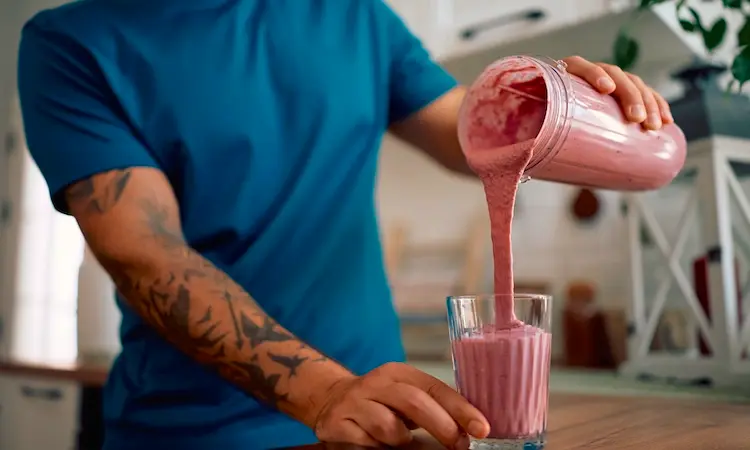
If your day starts at full speed, a protein smoothie can feel like a shortcut that actually works. In about 5 minutes, you can blend simple grocery store ingredients into something that supports muscle recovery and steadier energy, without turning breakfast into a project.
These Protein Smoothie Recipes are for busy mornings, post-workout refuels, and that mid-afternoon slump when coffee alone doesn’t cut it. You’ll get six reliable recipes, a mix-and-match formula you can repeat, and a few practical fixes so your smoothie doesn’t come out watery, icy, or weirdly foamy.
Weight Loss Programs

Diet & Weight Loss

Cooking
Diet & Weight Loss
Diet & Weight Loss
Think of this as your “grab a blender and go” plan. Start with one recipe you’ll actually crave, then tweak it based on your training, your budget, and what’s already in your kitchen.
Build a protein smoothie that actually keeps you full and fueled
A good smoothie isn’t just protein powder and hope. The ones that keep you full (and don’t leave you hungry an hour later) usually have six parts: protein + carbs + healthy fat + fiber + liquid + flavor. Once you get that down, you can build high protein smoothies on autopilot.
Start with protein. Most people do well with 20 to 40 grams of protein per smoothie, depending on body size and whether it’s a meal or a snack. If you’re aiming for muscle gain and you lift regularly, you’ll often want the higher end, especially post workout. If it’s a light snack, 15 to 25 grams may be plenty.
Then add carbs for energy. Carbs are not the enemy of strength. They’re fuel. Fruit, oats, and even cooked rice can help you train harder and recover better. (If you want inspiration beyond this list, these high-protein smoothie ideas show how flexible the “protein + produce” combo can be.)
Healthy fat makes it satisfying. A spoonful of nut butter or a small chunk of avocado turns a thin shake into something that sticks with you. Fiber helps, too, especially if you’re blending this as breakfast. It slows digestion and steadies your energy, which is why oats, chia, flax, and berries show up in fitness smoothies so often.
Finally, choose a liquid that matches your goal. Milk, soy milk, or a milk-water mix works for most muscle building smoothies. Coconut water or half juice and half water can feel lighter after cardio.
Quick texture fixes (because nobody wants a sad smoothie):
- If it’s too thick, add 2 to 4 tablespoons liquid, blend, then reassess.
- If it’s too thin, add a handful of frozen fruit, a few ice cubes, or 2 tablespoons oats.
- If it’s too icy, use fewer ice cubes and more frozen fruit, or let it sit 2 minutes, then re-blend.
Choose your protein base, whey, plant, Greek yogurt, cottage cheese, or tofu
Your protein choice changes everything: taste, thickness, and how your stomach feels afterward.
Whey and whey blends usually taste mild and blend smooth, which is why they’re common in protein shake alternatives. Plant proteins can be great, but some blends taste earthier, and they can thicken fast. If you’re dairy-free and still want high protein, look for soy protein, pea plus soy blends, or pair a plant powder with silken tofu. Soy milk can also boost protein without adding much extra work.
Greek yogurt (and skyr) brings a tangy flavor and creamy texture. Cottage cheese adds a surprisingly neutral creaminess and a big protein bump, especially in chocolate or coffee smoothies. Silken tofu makes smoothies thick and mild, and it plays well with fruit and cocoa.
One small trick that prevents clumps: blend your liquid and powder first for 10 to 15 seconds, then add the rest. It’s the same idea as whisking flour into a sauce before adding chunks, it keeps things smooth.
If you want more ideas from the broader high-protein smoothie world, this roundup of high-protein smoothie recipes shows how many ways people hit protein without drinking something that tastes like dessert every day.
Pick smart carbs for energy that lasts, fruit, oats, and cooked rice work great
Carbs in smoothies come in “fast” and “steady” forms. Fast carbs hit quicker, which is helpful right after a workout or before an intense session when you need fuel soon. Think banana, pineapple, mango, or a bit of juice.
Steadier carbs digest slower, which is what you want at breakfast or as an afternoon energy smoothie. Rolled oats are the classic, they add staying power and a thicker texture. Frozen berries also help because they bring fiber and make the smoothie cold and spoon-thick without much ice. Cooked rice sounds odd until you try it, it blends smooth and can be an easy way to add carbs post workout without extra fiber.
Banana is the “training wheels” sweetener. Half a banana often makes a smoothie taste finished, even without honey or syrup.
If you want fewer calories, shrink the carb portion rather than removing it completely. Use half a banana instead of a full one, swap juice for water, and keep oats to 2 tablespoons. You’ll still get energy, just without turning your smoothie into a 900-calorie surprise.
Protein Smoothie Recipes for muscle building, recovery, and all day energy
Each recipe below takes about 5 minutes. All measurements are flexible, smoothies are more like jazz than chemistry. If you like it thicker, use more frozen fruit or less liquid. If you want it thinner, add a splash and blend again.
A note on safety: if you use raw eggs, skip them here. These recipes keep it simple and widely safe using common store ingredients. For more general post-workout smoothie structure, the Vitamix post-workout smoothie page also reinforces the basic idea: protein plus carbs, blended fast.
Post workout chocolate banana recovery shake (classic, fast, and filling)
Goal: quick recovery and a satisfying refuel after lifting.
Ingredients: 1 to 1 1/2 cups milk or soy milk, 1 scoop chocolate protein (or plant protein), 1 frozen banana, 1/2 cup Greek yogurt or cottage cheese, 1 tablespoon cocoa, pinch of salt, ice as needed.
Steps: Blend milk and protein first, then add everything else and blend until smooth. If it’s too thick, add a small splash of milk.
Options: Need more carbs after a hard session? Add 2 to 4 tablespoons rolled oats.
Extra add-in: 1 tablespoon chia for more fiber, or 1 tablespoon peanut butter for more calories. The pinch of salt helps the chocolate taste richer and can feel good after a sweaty workout.
Peanut butter oat breakfast smoothie (steady energy through the morning)
Goal: breakfast protein smoothie that keeps you full until lunch.
Ingredients: 1 to 1 1/2 cups milk (or lactose-free milk), 1 scoop vanilla protein, 1/3 cup rolled oats, 1 to 2 tablespoons peanut butter (or almond butter), 1/2 to 1 banana or 1 to 2 pitted dates, pinch of cinnamon, ice.
Steps: If you have time, let the oats soak in the milk for 5 minutes, then blend everything until creamy. If you don’t, just blend longer.
Options: Add 1 tablespoon chia for extra fiber.
Extra add-in: A handful of frozen blueberries adds texture and makes it taste like a PB and jelly situation, in a good way.
Berry green muscle smoothie (high protein, not too sweet)
Goal: muscle building smoothie that feels fresh, not sugary.
Ingredients: 1 1/2 cups frozen mixed berries, 1 big handful spinach, 3/4 cup Greek yogurt or skyr, 1/2 to 1 scoop vanilla protein (optional if your yogurt is high-protein), 1/2 to 1 cup water or milk, 1 tablespoon ground flax or chia, squeeze of lemon.
Steps: Blend liquid, spinach, and yogurt first to avoid leafy flecks, then add berries and the rest. Blend until thick.
Options: Dairy-free? Use a high-protein dairy-free yogurt and add silken tofu or a soy-based protein to keep protein up.
Extra add-in: 1/4 avocado makes it ultra-creamy. The spinach stays mild here, most people barely taste it.
Tropical whey or plant protein smoothie (hydrating and energizing)
Goal: lighter post workout smoothie, great after cardio or on hot days.
Ingredients: 1 cup frozen mango, 1/2 cup frozen pineapple, 3/4 cup coconut water or orange juice, 1/2 to 1 scoop protein, squeeze of lime, optional 1/3 cup plain yogurt.
Steps: Blend everything until smooth. If it tastes too sweet, cut the juice with water and add more lime.
Options: Add a small knob of fresh ginger for a bright kick.
Extra add-in: 2 tablespoons oats if you need it to stick longer, especially if this is replacing breakfast. If you’re watching sugar, do half coconut water and half water, and keep the fruit to about 1 1/2 cups total.
Coffee protein smoothie for pre workout energy (no jitters crash)
Goal: steady energy before training, without feeling heavy.
Ingredients: 3/4 to 1 cup chilled coffee or cold brew, 3/4 cup milk (or soy milk), 1 scoop chocolate or vanilla protein, 1 frozen banana, 1 tablespoon cocoa (optional), optional 2 tablespoons oats.
Steps: Blend coffee and protein first, then add the rest and blend until creamy. Taste it before adding sweeteners, banana usually handles it.
Options: Use decaf if you train later in the day. If you like collagen, add it, but pair it with another complete protein source.
Timing tip: Drink it 30 to 60 minutes before training.
Extra add-in: 1 tablespoon peanut butter if you need more calories and you’re not doing high-intensity intervals.
Dairy free vanilla cinnamon shake (easy on the stomach, still high protein)
Goal: dairy-free, high protein, low sugar option that still tastes like something.
Ingredients: 1 1/2 cups unsweetened soy milk or pea milk, 1 scoop plant protein, 1/2 cup frozen cauliflower rice (optional), 1/2 teaspoon cinnamon, splash of vanilla, 1 tablespoon nut butter, ice.
Steps: Blend soy milk and protein first, then add the rest and blend until smooth. Add ice last, only if you want it colder.
Options: Add a handful of berries for more flavor. Add 2 tablespoons oats if you need more carbs.
Extra add-in: 1 tablespoon chia boosts fiber fast. Cauliflower rice sounds strange, but it’s mild and makes the texture thicker without adding much sugar.
Make your smoothies work for your goals, muscle gain, fat loss, or better workouts
Smoothies can support almost any training goal, but the “best” smoothie changes based on what you need.
For muscle gain, you usually need two things: enough total calories and enough protein across the day. In smoothie terms, that means building a real meal: pick a full protein serving (often 30 to 40 grams), add a carb source (banana, oats, rice), then add a small fat source to make it satisfying. If you struggle to eat enough, smoothies are an easy win because you can drink calories when chewing feels like work.
For fat loss, the goal is simpler: keep protein high, keep flavor high, and keep calories controlled. Use water or unsweetened milk, choose berries over juice, and rely on cinnamon, cocoa, vanilla, and lemon or lime for taste. Add fiber (chia, flax, oats) so it stays filling, but don’t stack every high-calorie add-in at once.
For better workouts, timing matters. If you’re training soon, your smoothie should be easier to digest: moderate fiber, moderate fat, enough carbs to fuel your session. Post workout, keep it simple: protein plus carbs, not a kitchen sink blend that sits heavy.
Common mistakes that hurt energy:
- Going too low-carb before hard training, then wondering why you feel flat.
- Adding lots of juice, honey, and sweetened yogurt in the same smoothie.
- Skipping fiber and fat completely, then crashing and snacking nonstop later.
If you want more breakfast-focused ideas built around steady energy, these protein-packed breakfast smoothie examples can help you spot the patterns.
Simple add ons that boost calories and protein without huge volume
A few small additions can raise calories and protein without turning your smoothie into a giant pitcher.
- More Greek yogurt or cottage cheese (1/2 cup): easy protein and creaminess, best for bulking.
- Nut butter (1 tablespoon): calorie-dense and satisfying, great for hard gainers.
- Oats (2 to 4 tablespoons): steady carbs, helps breakfast smoothies keep you full.
- Chia or ground flax (1 tablespoon): adds fiber and thickness, helpful for appetite control.
- Olive oil (1 teaspoon): neutral, tiny volume, use only if you truly need calories.
- Frozen avocado (1/4): creamy texture, less sweet, works in berry or chocolate blends.
When to drink a smoothie, pre workout, post workout, or as a high protein snack
For pre workout, aim for protein plus carbs, and keep fat and fiber moderate so it digests well. The Coffee Protein Smoothie works here, and so does the Tropical Smoothie if you keep it lighter on oats.
For post workout, keep it straightforward: protein plus carbs, not too much added fat. The Chocolate Banana Recovery Shake fits the classic “lift, then refuel” moment.
For a high-protein snack, add fiber and a bit of fat for staying power. The Berry Green Muscle Smoothie is a solid afternoon option because it’s not overly sweet, and it doesn’t feel like dessert in a cup.
Conclusion
If your smoothies have been hit-or-miss, the fix is usually structure, not more ingredients. Start with the repeatable formula (protein, carbs, healthy fat, fiber, liquid, flavor), then use these Protein Smoothie Recipes as templates you can bend without breaking.
Pick one muscle-focused option (like chocolate banana) and one steady-energy option (like peanut butter oat), and run them for two weeks. Save your favorites, prep a couple freezer packs, and see how your energy and strength feel when protein becomes the easy part of your day.

The AnySmoothie team is all about smarter smoothie recipes made with whole-food ingredients. Everything we share centers on balanced nutrition, steady energy, and low-glycemic choices, so you can sip a smoothie that keeps you full, feels good, and helps you avoid sugar crashes.
- Disclaimer: This content is for educational use only. These smoothie recipes and nutrition details aren’t a substitute for medical advice from a licensed health professional. Please read our full Medical Disclaimer here.
Dietary Supplements
Remedies
Dietary Supplements

Dietary Supplements
Dietary Supplements
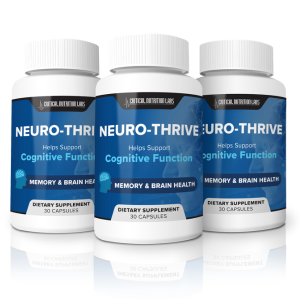
Neuro-Thrive – Daily Brain Support for Focus and Cognitive Clarity