
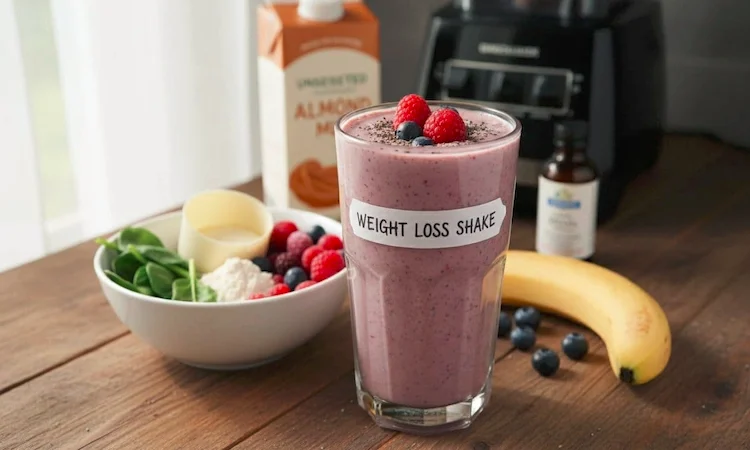
A low sugar smoothie for weight loss at home sounds simple, and it can be, if you build it the right way. When sugar stays low, you’re more likely to avoid cravings and keep your energy steady. It’s also easier to stick with when it tastes good and doesn’t feel like a diet trick.
The problem is that a lot of smoothies turn into sugar bombs. A big banana, a couple cups of fruit, juice, flavored yogurt, and a splash of sweetened milk can add up fast. Even “healthy” add-ins like honey or agave can push sugar higher than you’d expect.
Weight Loss Programs
Diet & Weight Loss

Diet & Weight Loss
Diet & Weight Loss

Diet & Weight Loss
The best smoothie for weight loss isn’t just fruit in a blender, it’s a balance of protein, fiber, and healthy fats. That combo helps you feel full longer and keeps the smoothie from digesting too quickly. It also makes your smoothie taste creamy and satisfying without needing extra sugar.
In this post, you’ll learn how to keep sugar low, choose better ingredients, and mix flavors so you actually enjoy what you drink. You’ll also see practical ways to make it filling, even on busy mornings at home.
What “Low Sugar” Really Means for Smoothies (and Why It Helps Weight Loss)
“Low sugar” can mean two very different things in smoothie land. One version is mostly natural sugar from whole fruit, which comes packaged with water, fiber, and nutrients. The other version is added sugar, the sweet stuff mixed in during processing or cooking (think sweeteners, syrups, and sugary flavorings).
For a low sugar smoothie for weight loss at home, the goal is simple: keep added sugar close to zero, and keep total sugar reasonable based on your ingredients. A practical target most people can follow is aiming for 0 to 5 grams of added sugar per smoothie, and often under about 15 to 25 grams total sugar for a filling, everyday option (it varies with fruit choice and portion size). When sugar climbs too high, smoothies can act like a quick hit of calories that doesn’t stick with you, so hunger shows up again an hour later.
Added sugar vs fruit sugar, what to watch for on labels
Fruit sugar (like the sugar in berries, apples, or bananas) is naturally in the food. Added sugar is what sneaks in through “healthy” add-ins and packaged items. The tricky part is that many smoothie staples look wholesome on the front of the container, but the ingredient list tells the real story.
Common smoothie add-ins that often contain added sugar:
- Sweetened yogurt (especially flavored cups and drinkable yogurts)
- Juice (even 100 percent juice is a concentrated sugar source)
- Flavored protein powder (many taste like dessert for a reason)
- Sweetened non-dairy milk (vanilla almond milk is a common trap)
- Bottled smoothies (often more like a sweet drink than a meal)
When you check the label, look at both “Added Sugars” on the Nutrition Facts panel and the ingredients list. A few words that often signal added sugar include:
- Syrup (corn syrup, rice syrup, tapioca syrup)
- Cane sugar (cane sugar, evaporated cane juice)
- Honey
- Agave
If you want a simple rule: choose unsweetened versions whenever you can (unsweetened yogurt, unsweetened milk, unflavored protein), then sweeten naturally with a small portion of fruit if needed. For more help spotting sneaky sources, the CDC’s guide to spotting hidden sugars in everyday foods is a solid reference.
Why juice is the fastest way to raise sugar in a smoothie
Juice is basically fruit with most of the fiber removed, and fiber is the part that helps you feel full. When you blend whole fruit, you keep much more of that structure, so your body handles it slower. When you pour in juice, you’re adding a sweet liquid that’s easy to drink fast and easy to overdo.
That matters for weight loss because a smoothie that digests too quickly can leave you with that “I’m hungry again already” feeling. It can also make it harder to stay within your normal calorie needs without thinking about it.
Easy swaps that keep flavor but cut the sugar load:
- Water + ice (simple, refreshing, lets fruit flavor shine)
- Unsweetened almond milk
- Unsweetened soy milk (often more protein than almond milk)
- Brewed and chilled green tea (adds a light flavor without sweetness)
The weight loss sweet spot, more protein and fiber, less “liquid candy”
A filling smoothie works like a balanced meal. Protein and fiber slow digestion, so the energy lasts longer and cravings stay quieter. Think of sugar as kindling, it burns fast. Protein and fiber are the slow logs that keep the fire steady.
Here’s what that balance looks like in real life:
- Better balance (steady, filling): berries + spinach + Greek yogurt + chia
You get fiber from berries, spinach, and chia, plus protein from yogurt. It tastes naturally sweet without turning into dessert. - High sugar version (easy to overdrink): banana + mango + juice
It’s tasty, but it’s mostly fast carbs in liquid form, and it often leads to hunger coming back sooner.
If you want a quick checkpoint: when you build a smoothie, make sure it has a clear protein source (Greek yogurt, cottage cheese, tofu, or protein powder) and a fiber source (berries, chia, flax, oats, or leafy greens). That’s the difference between a smoothie that supports your day and one that acts like liquid candy. For a deeper look at where sugar hides in everyday foods, Johns Hopkins has a helpful overview on finding the hidden sugar in the foods you eat.
The Simple At-Home Formula for a Low Sugar Smoothie That Keeps You Full
If you want a low sugar smoothie for weight loss at home that actually holds you over, think of it like building a plate: you need a base, a controlled amount of fruit, a real protein, and a little fiber and fat. When you stick to that structure, your smoothie stops acting like a sweet drink and starts feeling like a meal.
Here’s a simple, repeatable starting point (no fancy tools needed, any basic blender works):
- Base: 1 to 1 1/2 cups
- Fruit: 1/2 to 1 cup
- Protein: 20 to 30 grams worth (varies by ingredient)
- Fiber and fat add-ins: 1 to 2 small add-ins
Beginner note: measure for the first week. It’s the easiest way to avoid “oops” calories from nut butter, oats, and extra fruit. Then taste and adjust.
Pick your base, keep it unsweetened
Your base sets the sugar level before you add anything else. If your base is already sweet, you’ll chase flavor by adding more fruit, and your smoothie can climb fast.
Good low sugar bases (choose one):
- Water + ice: clean taste, lowest sugar, great for fruity blends.
- Ice (extra): adds volume and thickness with zero sugar (and helps a small fruit portion feel bigger).
- Unsweetened almond milk: light and creamy, usually low in calories.
- Unsweetened soy milk: creamier and typically higher in protein than almond milk.
- Plain kefir: tangy and drinkable, but check the label because some brands add sugar.
- Plain milk: works if it fits your goals and calorie needs.
Quick tip: be careful with sweetened oat milk (and “vanilla” versions of any milk). They often taste great because they come with added sugar. If you want more general guidance on what to include and what to skip, these tips for healthier smoothies from Mayo Clinic Health System match this build method well.
Beginner move: start with 1 cup base + 1 cup ice. Blend, then adjust thickness.
Choose low sugar fruits first (and limit high sugar ones)
Fruit is where smoothies quietly turn into dessert. You don’t have to avoid fruit, you just want the kinds that give you flavor with fewer grams of sugar per bite.
Best choices (easy to keep low sugar):
- Berries (strawberries, blueberries, raspberries, blackberries)
- Cherries (tart or unsweetened frozen)
- Kiwi (bright, tropical vibe without going overboard)
- Small orange wedge (for flavor, not as the main fruit)
- Avocado (yes, it’s a fruit, it makes smoothies thick and creamy with almost no sugar)
Use smaller portions of these (still fine, just easier to overdo):
- Banana
- Mango
- Pineapple
- Grapes
Simple portion guide:
- Most days, aim for 1/2 to 1 cup fruit total.
- If you’re new to low sugar smoothies, start at 1/2 cup, then add a few pieces if it tastes too tart.
Texture trick: choose frozen fruit to thicken the smoothie without needing extra banana or sweeteners. If you want more ideas for smart fruit picks, Johns Hopkins shares a helpful overview on how to make a healthy smoothie that includes fruit guidance.
Add protein for weight loss, not just for gym goals
Protein is what turns your smoothie into something that sticks with you. Without it, a smoothie can digest fast and leave you hungry again. For weight loss, that matters because it’s easier to stay on track when your breakfast does its job.
Easy protein options (pick one):
- Plain Greek yogurt: thick, creamy, and usually high in protein.
- Cottage cheese: mild taste, blends smoother than people expect.
- Pasteurized liquid egg whites: neutral flavor, adds protein without changing taste much (optional if you like it).
- Tofu (silken is easiest): great for creaminess, especially in dairy-free smoothies.
- Unsweetened protein powder (whey or plant): convenient, travel-friendly.
Protein powder tip: look for little to no added sugar, and don’t assume “chocolate” or “vanilla” is low sugar. Flavored powders can sneak in sweeteners fast, so check the Nutrition Facts and ingredients.
Beginner move: if your smoothie never keeps you full, add protein first before adding more fruit.
Boost fiber and healthy fats for longer fullness
Fiber and fat are your “slow down” tools. They help your smoothie feel like it has staying power, and they can make a low sugar blend taste richer without needing honey or syrup.
Smart add-ins (choose 1 to 2):
- Chia seeds (1 tablespoon): adds fiber and thickens as it sits.
- Ground flaxseed (1 tablespoon): fiber plus healthy fats, mild taste.
- Hemp hearts (1 to 2 tablespoons): adds healthy fats, slightly nutty.
- Oats (1 to 2 tablespoons): makes smoothies more “breakfast-like,” keep the portion small.
- Nut butter (1 tablespoon): improves flavor and mouthfeel, but measure it.
- Avocado (1/4): creamy texture with very little sugar.
- Leafy greens (1 to 2 cups spinach): adds volume and nutrients with minimal impact on sugar.
A little fat can make the smoothie more satisfying and help it taste less “diet.” Just watch the heavy hand with nut butter. Going from 1 tablespoon to 3 tablespoons happens fast, and so do the calories.
Beginner note: after blending, taste it. If it needs sweetness, add a few more berries before you add more banana or any sweetener. That keeps the sugar lower while still improving flavor.
Low Sugar Smoothie Recipes for Weight Loss at Home (Easy, Tasty, No Weird Ingredients)
When you want a low sugar smoothie for weight loss at home, the biggest win is keeping the fruit portion reasonable, then building flavor with protein, tart ingredients (like lime or yogurt), and spices. These recipes stick to easy grocery store staples and skip the “health food aisle” vibes.
Each one is designed to taste like something you’d actually choose, not something you’d force down. Use frozen produce when you can because it makes smoothies thick and cold without needing extra banana or sweeteners.
Berry Green Protein Smoothie (classic low sugar starter)
This is the “I want a smoothie that tastes normal” option. It comes out sweet-tart and refreshing, and the spinach basically disappears once the berries and yogurt kick in.
Ingredients (1 smoothie)
- 1/2 to 1 cup frozen mixed berries
- 1 to 2 cups spinach
- 1 cup unsweetened milk (almond, soy, or dairy)
- 1/2 cup plain Greek yogurt (or 1 scoop unflavored protein powder)
- 1 tablespoon chia seeds or ground flaxseed
- 1/2 to 1 cup ice (optional, for extra thickness)
Quick steps
- Blend milk, yogurt (or protein powder), and chia or flax first.
- Add spinach, then berries, then ice.
- Blend until smooth. Add a splash of milk if it’s too thick.
What it tastes like: Berry-forward with a tangy yogurt bite, like a lighter version of a berry milkshake.
Why it’s lower sugar: You’re using berries (lower sugar than most fruits), plus protein and fiber to slow things down.
Swap idea: Use unsweetened soy milk for more protein, or add 1/4 teaspoon cinnamon to make it taste sweeter without adding sugar. For a similar flavor profile, Nutritious Life’s low sugar berry green smoothie is a good reference.
Best time: Great as a breakfast smoothie or post-workout snack.
Chocolate Peanut Butter “No Added Sugar” Smoothie (dessert vibe, still filling)
If you miss chocolate shakes, this one scratches that itch. The key is treating peanut butter like a “seasoning,” not the main event. Measure it, blend it, enjoy it.
Ingredients (1 smoothie)
- 1 cup unsweetened milk
- 1/2 cup plain Greek yogurt (or 3/4 cup silken tofu)
- 1 tablespoon unsweetened cocoa powder
- 1 tablespoon peanut butter (or 2 tablespoons powdered peanut butter)
- 1 to 1 1/2 cups ice
- Optional: stevia or monk fruit (a small pinch, if you use it)
- Optional: 1/2 teaspoon vanilla extract
Quick steps
- Blend milk, yogurt (or tofu), cocoa, and peanut butter.
- Add ice and blend again until thick and frosty.
- Taste, then decide if you want a tiny amount of sweetener.
What it tastes like: Like a creamy chocolate shake with a peanut butter finish.
Why it’s lower sugar: No juice, no flavored yogurt, and cocoa adds big flavor with almost no sugar.
Swap idea: Add 1/2 cup frozen cauliflower for extra thickness and volume without adding sweetness (you won’t taste it if the cocoa is strong). If you want another take on the flavor combo, see this avocado chocolate peanut butter smoothie.
Best time: Works well as a late-afternoon snack when cravings hit.
Tropical-Light Smoothie (pineapple taste, less sugar)
Tropical smoothies can get sugary fast because pineapple and mango are easy to over-pour. The trick here is using a small amount for flavor, then bulking up with mild, frozen veggies for a thick, creamy base.
Ingredients (1 smoothie)
- 1/3 to 1/2 cup frozen pineapple or mango
- 1/2 to 1 cup frozen zucchini or frozen cauliflower
- 1 to 2 cups spinach
- 1/2 cup plain Greek yogurt
- 1 cup unsweetened milk (or water + extra ice)
- 1 to 2 tablespoons lime juice
- 1/2 to 1 cup ice (as needed)
Quick steps
- Blend milk (or water), yogurt, lime juice, and spinach.
- Add frozen pineapple or mango and frozen zucchini or cauliflower.
- Blend until smooth and thick.
What it tastes like: Bright, tropical, and a little tangy, like a lighter pineapple smoothie with a lime squeeze.
Why it’s lower sugar: You get the “tropical” taste from 1/3 to 1/2 cup fruit, not a whole cup (or more). The rest is volume from low sugar ingredients.
Swap idea: Add coconut extract (a few drops) instead of coconut milk to keep sugar low and still get that beachy flavor.
Best time: Better as a snack smoothie or light breakfast if you pair it with something savory (like eggs).
Coffee Breakfast Smoothie (high protein, low sugar, helps curb cravings)
This one drinks like an iced latte that actually fills you up. It’s also a smart pick when mornings make you snacky, because protein plus coffee can feel extra satisfying.
Ingredients (1 smoothie)
- 3/4 cup chilled coffee (regular or decaf)
- 1/2 to 1 cup unsweetened milk
- 1/2 cup plain Greek yogurt (or 1 scoop protein powder)
- 1/2 teaspoon cinnamon
- 1/2 teaspoon vanilla extract
- 1 to 1 1/2 cups ice
- Optional: 2 tablespoons oats (keep it small)
Quick steps
- Blend coffee, milk, yogurt (or protein powder), cinnamon, and vanilla.
- Add ice (and oats if using), then blend until creamy.
What it tastes like: Like a creamy iced coffee with a cinnamon note, not overly sweet.
Why it’s lower sugar: No fruit needed, and cinnamon plus vanilla adds “sweet” flavor without sugar.
Swap idea: Add 1 tablespoon chia seeds for more fiber and a thicker texture.
Caffeine timing note: If coffee makes you jittery or hungry later, use decaf or half-caff. You still get the flavor, and the smoothie stays low sugar.
Best time: Ideal as a breakfast smoothie that holds you until lunch.
Creamy Avocado Berry Smoothie (very low sugar, super filling)
Avocado is the secret weapon for low sugar smoothies because it makes everything feel rich, even with less fruit. This is the one to make when you want a smoothie that drinks like a meal.
Ingredients (1 smoothie)
- 1/4 to 1/2 avocado
- 1/2 cup frozen berries (blueberries or mixed berries)
- 1 cup unsweetened milk
- 1/2 cup plain Greek yogurt (or protein powder)
- 1 tablespoon chia or ground flaxseed (optional)
- 1 tablespoon lime juice
- Optional: 1 cup spinach
- Ice as needed
Quick steps
- Blend milk, yogurt (or protein powder), avocado, lime, and spinach (if using).
- Add berries and ice, then blend until very smooth.
What it tastes like: Creamy and slightly tart, with a berry finish. The texture feels like soft-serve.
Why it’s lower sugar: Avocado gives thickness and body, so you can keep fruit to about 1/2 cup and still feel satisfied. For another version, check out this low sugar avocado blueberry smoothie.
Swap idea: Use cottage cheese instead of Greek yogurt for extra protein and an even thicker blend (it tastes mild once mixed with berries and lime).
Best time: Best as a breakfast smoothie or a “mini meal” when you need something that sticks.
Common Mistakes That Make “Healthy” Smoothies High Sugar (and How to Fix Them)
A smoothie can look “clean” on paper and still hit like dessert once it’s blended. The usual problem is simple, too much concentrated sweetness, not enough protein or fiber, and portions that quietly double. If your low sugar smoothie for weight loss at home makes you hungry in an hour, these fixes will help it feel more like a meal and less like a sweet drink. (Health.com has a solid overview of common smoothie slipups too: smoothie mistakes.)
Too much fruit, not enough protein, the hunger rebound
Fruit is healthy, but stacking fruits plus juice adds up fast. A banana, a cup of mango, and a splash of orange juice can push sugar way higher than you think, and because it’s liquid, it goes down quickly. That’s when you get the “hunger rebound” later.
Fix it with three moves:
- Cap fruit at 1/2 to 1 cup total (most days).
- Add a real protein (Greek yogurt, cottage cheese, tofu, protein powder).
- Add fiber (chia, flax, oats, or leafy greens) to slow digestion.
Before (sweet, not filling)
- 1 banana
- 1 cup mango
- 1 cup orange juice
- Ice
After (lower sugar, stays with you)
- 1/2 cup frozen berries
- 1/2 banana (for texture, not the whole sweet base)
- 1/2 cup plain Greek yogurt
- 1 tablespoon chia seeds
- Water or unsweetened milk + ice
Think of fruit like the “flavor shot,” not the full drink.
Sweetened yogurt, granola, and “health” add-ins that sneak in sugar
This is where many “healthy” smoothies go off track. Flavored yogurt, sweetened kefir, granola, dried fruit, honey, and sweetened nut milks can turn a decent blend into a sugar-heavy one.
Common sugar sneaks:
- Vanilla or fruit-on-the-bottom yogurt
- Sweetened kefir and drinkable yogurts
- Granola (even the “light” kind)
- Dried fruit (dates, raisins, cranberries)
- Honey or agave
- Sweetened almond, oat, or coconut milk
Better swaps that still taste good:
- Use plain Greek yogurt, then add cinnamon and vanilla extract for “sweet” flavor.
- Skip granola, add a small handful of nuts for crunch if you’re eating it from a bowl.
- If you want a thicker, more filling texture, use 1 tablespoon oats, measured, not poured.
If you want another quick guide to keeping smoothies from becoming sugar bombs, this breakdown is helpful: how to make a low-sugar smoothie.
Portion creep, when the blender turns one serving into two
A “healthy” smoothie can still stall progress if it’s just too big. The blender makes it easy to toss in extras, then drink it all without thinking.
Try these practical guardrails:
- Use a smaller glass (12 to 16 oz) so your portion looks normal.
- Measure nut butter and seeds (1 tablespoon is plenty for most smoothies).
- Add ice for volume instead of more fruit, oats, or nut butter.
- If you blend a big batch, pour half into a jar for later.
- If you track progress, don’t drink straight from a huge blender cup, it’s hard to know what you had.
Quick checklist before blending
- Fruit: 1/2 to 1 cup, no juice
- Liquid: unsweetened (or water) + ice
- Protein: one clear source
- Fiber: chia, flax, oats, or greens
- Extras: measured, not poured
Conclusion
A low sugar smoothie for weight loss at home works when you treat it like a real meal, not a sweet drink. Start with an unsweetened base (water, ice, unsweetened milk, or chilled tea), then keep fruit to a smaller portion so the flavor stays bright without the sugar spike. From there, add solid protein (Greek yogurt, cottage cheese, tofu, or a low-sugar protein powder), plus fiber like chia, flax, oats, or spinach to slow digestion and keep you full.
The goal isn’t a perfect recipe, it’s consistency. Try one of the smoothies above this week, then tweak it based on your hunger levels and taste. If you’re still hungry soon after, add more protein or fiber before you add more fruit. If it tastes too tart, bump up berries a little, or use cinnamon and vanilla for a sweeter feel.
Thanks for reading, now make this easy on yourself. Pick one “go-to” combo you actually like, then stock five staples for quick blends (unsweetened milk, frozen berries, spinach, plain Greek yogurt, and chia or flax).

The AnySmoothie team is all about smarter smoothie recipes made with whole-food ingredients. Everything we share centers on balanced nutrition, steady energy, and low-glycemic choices, so you can sip a smoothie that keeps you full, feels good, and helps you avoid sugar crashes.
- Disclaimer: This content is for educational use only. These smoothie recipes and nutrition details aren’t a substitute for medical advice from a licensed health professional. Please read our full Medical Disclaimer here.
Dietary Supplements
Dietary Supplements
Dietary Supplements
Dietary Supplements
GlucoBerry – Daily Support for Healthy Blood Sugar and Energy
Dietary Supplements