
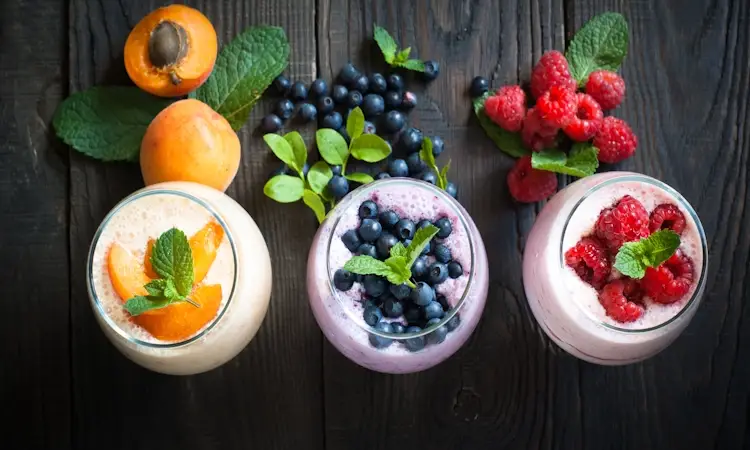
That 3 pm slump hits hard, especially after a heavy workout, a rushed morning, or a week of short sleep. While many people reach for more caffeine, the problem is often simpler: your body needs steady fuel to keep you going.
Iron matters here because it helps your blood move oxygen through your body, which supports more consistent energy. When you’re not getting enough (or you’re not absorbing it well), you can feel wiped out even if you’re eating “healthy.”
Weight Loss Programs
Diet & Weight Loss
Diet & Weight Loss
Diet & Weight Loss
Diet & Weight Loss
This guide focuses on high-iron smoothies you can actually enjoy, with options that fit busy schedules and picky tastes. You’ll get iron-rich smoothie recipes, simple add-ins that help your body use iron better (like pairing plant iron with vitamin C), and a few common mistakes that can make your smoothie less effective.
You’ll also see who should be cautious with natural iron boost drinks, including anyone taking iron supplements or managing a health condition. The goal is practical, food-first support, so you can blend a drink that tastes good and helps you feel more steady through the day.
Iron and energy, what the connection really is
If your energy feels flat, iron might be part of the story. Iron helps your body make hemoglobin, a protein in red blood cells that carries oxygen. When oxygen delivery runs low, your muscles and brain can feel like they are running on a weak signal.
That’s why high-iron smoothies can be a smart, food-first option. They won’t replace medical care, but they can help you build a routine that supports steady energy, especially when you focus on absorption (not just “more iron”).
Signs you might not be getting enough iron (and when to get checked)
Low iron can show up in ways that feel like everyday burnout. The tricky part is that these signs also overlap with stress, poor sleep, low calories, and other nutrient gaps.
Here are common signs people notice:
- Tiredness that doesn’t match your day (you sleep, but still feel drained)
- Feeling weak or like workouts hit harder than usual
- Getting short of breath with easy activity (like stairs)
- Pale skin or looking “washed out”
- Headaches that keep popping up
- Restless legs at night
- Cold hands and feet, even in a normal room
If symptoms feel strong or keep going, it’s worth talking with a clinician. Consider blood work if you are pregnant, you have heavy periods, you donate blood often, or you manage a health condition. For a quick list of common symptoms and causes, see Mayo Clinic’s iron deficiency anemia overview.
If you’re not sure, don’t guess. A simple lab check can save months of frustration.
Heme vs non-heme iron, and why smoothies need a smart mix
Iron comes in two forms. Heme iron is found in animal foods and is easier for your body to absorb. Non-heme iron is found in plant foods (like spinach, pumpkin seeds, oats, and beans), and it’s harder to absorb.
Since smoothies are usually plant-forward, they’re mostly non-heme iron. That doesn’t make them “lesser,” it just means the mix matters. A few simple habits can help:
- Pair iron-rich ingredients with vitamin C (think citrus, strawberries, kiwi, pineapple, or even a splash of lemon).
- Avoid adding common blockers in the same smoothie, especially if you’re trying to boost iron. The big ones are calcium-heavy add-ins (like lots of yogurt or milk) and tea or coffee alongside your smoothie.
Vitamin C helps your body take in non-heme iron more effectively. If you want the science behind that relationship, check The Blood Project’s review of oral iron and vitamin C.
How much iron do you need, and who is most likely to fall short
Iron needs aren’t one-size-fits-all. Age, sex, life stage, and activity level all matter. As a simple frame, many adults need around 8 to 18 mg per day, while pregnancy needs are higher.
Some groups are more likely to fall short, either because needs are higher or because iron intake and absorption can be lower:
- People with heavy menstrual periods
- Pregnant people
- Teens (growth raises nutrient needs)
- Endurance athletes (higher turnover and losses can add up)
- Frequent blood donors
- Vegetarians and vegans (plant iron is non-heme, so absorption strategy matters)
If you’re unsure where you fall, start by checking nutrition labels on staples (cereals, oats, plant milks) and noting how often you eat iron-rich foods. For a trustworthy reference on daily needs by age and life stage, see the NIH Office of Dietary Supplements iron fact sheet. If your needs feel higher than average, a registered dietitian or clinician can help you personalize a plan without guessing.
Build a high-iron smoothie that actually absorbs well
It’s easy to toss “iron foods” into a blender and call it a day. The catch is that many high-iron smoothies are heavy on plant-based (non-heme) iron, which your body absorbs less easily unless you build the smoothie the right way.
Think of it like packing a suitcase. You can cram in a lot, but if you forget the zipper (vitamin C) or you wedge in the wrong items (too much calcium at the same time), you won’t get the result you want. The goal is simple: pick a few reliable iron sources, add a vitamin C “booster,” and avoid common blockers when iron support is the priority.
Best iron-rich smoothie ingredients you can keep on hand
A good iron-focused smoothie starts with ingredients that are easy to buy, store, and actually enjoy. You don’t need a long list. You need a small set of staples that mix well, taste decent, and fit your routine.
Here are smoothie-friendly options worth keeping around, with quick notes on flavor and texture:
- Spinach (fresh or frozen): Mild, blends smooth, and disappears under fruit. Frozen spinach is one of the easiest upgrades because it’s always ready and helps your smoothie stay cold and thick.
- Kale: More earthy and slightly bitter than spinach, but it works great with pineapple, mango, or citrus.
- Pumpkin seeds (pepitas): Nutty flavor and a creamy finish when blended well. They also help thicken the texture.
- Hemp seeds (hemp hearts): Soft, mild, and easy to blend. They add a subtle richness without taking over.
- Chia seeds: Mostly neutral in taste, but they gel fast and can turn a smoothie into pudding if you use a lot. Start with a small spoonful.
- Sesame or tahini: Toasty and slightly bitter, in a good way. Tahini pairs surprisingly well with dates, cacao, and banana.
- Oats: Cozy, slightly sweet, and great for making a smoothie feel like breakfast. They add thickness, so increase your liquid a bit.
- Quinoa (cooked and chilled): Mild and slightly nutty. It blends best when fully cooked and cold, and it makes the smoothie feel more filling.
- Tofu (especially silken): Very smooth, almost no flavor, and adds a creamy “milkshake” vibe.
- White beans: Neutral, creamy, and easy to hide under berries or cacao. Rinse well to keep the flavor clean.
- Lentils (cooked and mild): Use red lentils or well-cooked brown lentils. They can taste “savory” if you add too much, so start small.
- Blackstrap molasses (small amount): Deep, bittersweet, and intense. Think of it like a strong seasoning, not a sweetener. A little goes a long way.
- Cacao powder: Chocolate flavor with a slightly bitter edge. It pairs well with cherry, banana, dates, or peanut butter.
- Dried apricots: Sweet-tart and fruity, and they blend best when soaked in hot water first.
- Prunes: Sweet and rich with a caramel note. They add body and can help the smoothie feel thicker.
If you want a quick ingredient combo that usually tastes great, try this “base” idea: spinach or kale + pumpkin seeds + frozen fruit + a splash of citrus. For more ingredient inspiration, see these practical high-iron smoothie ideas.
Quick tip: Seeds thicken fast. If your smoothie turns into paste, add more water (or coconut water) and blend again.
Vitamin C boosters that help your body use the iron
Most iron in smoothies is non-heme iron from plants. Vitamin C helps your body absorb non-heme iron better, which is why so many iron-rich smoothie recipes pair greens and seeds with fruit.
You don’t need a supplement for this. You just need a smart “C” ingredient that fits the flavor you want.
Easy vitamin C boosters for smoothies include:
- Orange: Bright and sweet, and it covers earthy greens well.
- Pineapple: Strong flavor that hides kale and adds a juicy finish.
- Strawberries: Sweet and easy, plus they work with nearly any base.
- Kiwi: Tart and refreshing, especially with spinach and mango.
- Mango: Smooth, sweet, and great for creamy high-iron healthy smoothies.
- Lemon or lime juice: A small squeeze can wake up the whole blender. It also helps “clean up” earthy flavors.
- Bell pepper (a small piece): Sounds odd, but it’s mild in fruit smoothies when you keep it small. Pair it with pineapple or strawberry.
A simple rule that works for most people: include at least one vitamin C-rich fruit in every iron-focused smoothie. You’re basically giving the iron a helpful escort through digestion. If you want a clear explanation of why this matters, this guide on ways to increase iron absorption breaks it down in plain language.
Common iron blockers in smoothies, and easy workarounds
You don’t need to treat smoothies like a chemistry lab, but a few habits can make a real difference when you’re using smoothies for anemia support or you’re actively trying to raise iron intake.
Two common issues show up a lot:
1) Calcium in the same smoothie
Calcium can compete with iron for absorption. That doesn’t mean calcium is “bad.” It just means you may not want to combine large amounts of calcium with an iron-focused blend.
Common calcium-heavy add-ins include:
- Cow’s milk
- Yogurt and kefir
- Calcium-fortified plant milks (many almond, soy, oat milks)
- Calcium supplements taken with the smoothie
Easy workarounds that keep things practical:
- Use water or coconut water as your main liquid when iron absorption is the priority.
- Choose a non-fortified plant milk if you want a creamier texture (check the label, because many are fortified).
- Enjoy dairy later in the day, or make your smoothie iron-focused in the morning and your yogurt snack in the afternoon.
- If you take calcium supplements, space them away from iron-rich meals.
2) Tea or coffee too close to meals
Tea and coffee contain compounds that can reduce iron absorption when you drink them with, or right after, an iron-rich meal. If your routine is “smoothie in one hand, coffee in the other,” this might be the quiet reason your efforts aren’t paying off.
A calm, doable fix: have your coffee or tea at least a little before or after your iron-focused smoothie, instead of with it. If you want the research background, this PubMed paper on the effect of tea on iron absorption explains the connection.
The point isn’t perfection. It’s picking the moments that matter most. If you’re making natural iron boost drinks a few times a week, timing your calcium and caffeine is an easy win.
Make it filling, protein and fat add-ins for steadier energy
Iron supports oxygen transport, but it won’t automatically make a smoothie keep you full. For steadier energy, add a bit of protein and fat so your smoothie feels more like a meal and less like a quick sugar hit.
Here are add-ins that usually blend well in high-iron smoothies:
- Nut butter (peanut, almond, cashew): Adds richness and staying power. It also pairs well with cacao, banana, and berries.
- Avocado: Mild flavor, creamy texture, and a thicker mouthfeel without extra sweetness.
- Silken tofu: Smooth and neutral, and it boosts protein without changing the flavor much.
- Pea protein: A good option if you want a bigger protein bump without dairy.
What about Greek yogurt? It’s a great protein choice, but it’s also high in calcium. If you’re making an iron-absorption focused smoothie, save Greek yogurt for another time of day. On the other hand, if your goal is general energy-boosting smoothie ideas (not strict iron timing), it can be a smart add-in.
One more thing: iron-rich smoothies often include beans, oats, seeds, and greens, so fiber can climb fast. Some people feel great on that. Others feel heavy or bloated.
Start small if you’re sensitive:
- Use 1 tablespoon of seeds, not three.
- Add a few spoonfuls of beans, not a full cup.
- Blend longer and add more liquid for a smoother texture.
For more protein add-in ideas that still taste good, this list of ways to add protein to smoothies offers simple options you can mix and match.
7 high-iron smoothie recipes for natural energy (with simple swaps)
These high-iron smoothies keep it practical: a few iron-rich staples (greens, seeds, beans, tahini, molasses) plus vitamin C from fruit to help your body absorb non-heme iron. Each recipe is flexible, so you can swap what you have and still get a solid, energy-supporting blend.
Quick blender rule: If you’re focusing on iron, pair iron-rich add-ins with citrus, berries, kiwi, or pineapple, then keep calcium-heavy ingredients for another time of day.
Citrus Spinach Sunrise Smoothie (mild taste, high payoff)
This one tastes like a bright fruit smoothie, even though it sneaks in serious iron support. The orange and lemon do more than add flavor; citrus helps iron absorption, which matters for smoothies for anemia support that rely on plant-based iron.
Blend:
- A big handful of spinach
- 1 orange (peeled)
- 1 cup frozen mango
- 1 to 2 tablespoons pumpkin seeds
- A squeeze of lemon
- Water or coconut water to blend
Simple swaps if your fridge disagrees:
- Use baby kale instead of spinach (slightly stronger taste, still blends well with mango).
- Use sunflower seeds instead of pumpkin seeds (similar texture, more neutral flavor).
If you want a similar flavor profile, see this green smoothie with mango and spinach.
Berry Cacao Seed Shake (chocolatey and iron-packed)
This is the “it tastes like dessert” option that still fits best iron-packed smoothies. Cacao and seeds bring the depth, while berries bring vitamin C to support absorption.
Blend:
- 1 to 1 1/2 cups mixed berries (fresh or frozen)
- 1 tablespoon cacao powder
- 2 to 3 tablespoons hemp seeds
- 1/4 cup oats
- 1 banana (sweetness and creaminess)
- A pinch of salt (makes the chocolate taste richer)
- Water (or non-fortified plant milk) to blend
Optional flavor upgrades:
- A dash of cinnamon
- A splash of vanilla
If it’s too tart, add half a banana more or a few extra oats.
Tropical Tahini Pineapple Smoothie (creamy without dairy)
Tahini is the quiet hero here. Sesame (tahini) is a solid iron source, and it turns pineapple into something that tastes almost like a sherbet shake. Lime keeps it from tasting flat.
Blend:
- 1 to 2 tablespoons tahini
- 1 cup pineapple
- 1 banana
- A handful of spinach
- Lime juice
- A cup of ice
- Water to blend
Simple swap for sesame allergy:
- Use cashew butter or sunflower seed butter instead of tahini.
Keep the tahini modest at first. Too much can make it taste slightly bitter. For a similar combo, check out this tahini pineapple smoothie.
Creamy White Bean Strawberry Smoothie (surprisingly good)
White beans sound odd in a smoothie until you try them. They add a gentle, neutral thickness, which makes this one feel like a treat while quietly supporting iron intake. It’s also an easy way to build high-iron healthy smoothies without a “green” taste.
Blend:
- 1/4 to 1/2 cup canned white beans (rinsed and drained well)
- 1 to 1 1/2 cups strawberries
- 1/2 cup orange juice (or 1 to 2 kiwi, plus water)
- 1 tablespoon chia
- Vanilla (a small splash or pinch)
New to beans in smoothies? Start with 1/4 cup, then work up. You’ll still get the creamy payoff without noticing the flavor.
For another take on this idea, see strawberry smoothie with white beans.
Green Kiwi Protein Smoothie with Silken Tofu (post-workout friendly)
After a workout, you want energy that doesn’t spike and crash. Protein helps with that, which is why tofu works so well in energy-boosting smoothie ideas. Kiwi and pineapple also bring vitamin C, which pairs nicely with plant-based iron sources.
Blend:
- 1/2 to 1 cup silken tofu
- 1 to 2 kiwi (peeled)
- 1/2 to 1 cup pineapple
- A handful of greens (spinach or baby kale)
- A small knob of ginger
- Water to blend
Soy-free swap:
- Use pea protein (start small) plus avocado for creaminess.
If ginger feels too sharp, reduce it and add more pineapple.
Blackstrap Molasses Date Shake (small but mighty)
Blackstrap molasses is intense, like adding espresso to brownies. Use a small amount and it can make a real difference in natural iron boost drinks, especially when paired with fruit.
Blend:
- 1 to 2 teaspoons blackstrap molasses (start with 1)
- 1 date (pitted)
- 1 banana
- 1 tablespoon almond butter
- 1 teaspoon cacao or a pinch of cinnamon
- Water (or a non-fortified plant milk) to blend
A key absorption note: calcium-fortified milks may reduce iron absorption, so choose water or check labels when iron support is the priority.
If the molasses taste is strong, add another half banana or a second date.
Iron-Forward Beet Berry Smoothie for extra support days
This is the “support” blend for days when you want extra help from food. Beets can taste earthy, so citrus is your best friend here. Think of it like adding lemon to roasted veggies, it brightens everything.
Blend:
- 1/2 cup cooked or steamed beet
- 1 cup berries
- Orange or lemon juice
- 1 to 2 tablespoons pumpkin seeds
- A handful of spinach
- Water and ice to blend
Flavor tip: If it tastes too earthy, add more citrus or a bit more berries. Keep expectations realistic too. This smoothie can support your routine, but it’s not a cure for iron deficiency. For a similar flavor direction, see this berry beet smoothie recipe.
How to fit high-iron smoothies into your day safely and consistently
High-iron smoothies work best when they feel normal, not like a project. The goal is simple: build a repeatable routine that supports absorption, fits your schedule, and still tastes good. A few small timing choices and some prep ahead habits can turn these into an easy part of your week.
Timing tips, getting the most benefit without overthinking it
If you’re using high-iron smoothies for steadier energy, timing matters, but you don’t need perfection. Think of it like catching a bus, you just want to arrive close to the right time, not to the second.
A few practical options that fit real life:
- With breakfast or lunch: Great if your smoothie is meal-sized (greens, seeds, oats, tofu, beans). You’re more likely to stay consistent when it replaces a meal you already eat.
- Between meals: Helpful if you want fewer “competition” foods in the same sitting. It can also reduce the odds you pair it with dairy by habit.
- Add vitamin C every time: Keep it easy. Toss in orange, kiwi, strawberries, pineapple, or a squeeze of lemon. That “C buddy” helps your body use plant-based (non-heme) iron better.
Two common timing mistakes are easy to fix:
- Don’t take calcium supplements with the smoothie. If you use calcium (or a multivitamin with calcium), take it at a different time.
- Space coffee or tea when you can. If possible, give your smoothie a buffer of 1 to 2 hours before or after coffee or tea.
If you want a clear, dietitian-backed summary of these timing ideas (written for supplements, but the same absorption logic applies), see EatingWell’s guide to maximizing iron absorption.
Keep it simple: An iron-forward smoothie plus a vitamin C fruit, then move coffee and calcium to another time slot.
Prep and storage hacks so it stays quick on busy mornings
Consistency usually breaks on the busiest mornings, so set yourself up the night before. The best system is the one that makes blending feel like pouring cereal.
Start with two make-ahead moves that take almost no effort:
- Freezer smoothie packs: Add greens, fruit, and your iron add-ins to a freezer bag or container (pumpkin seeds, hemp, chia, cooked quinoa). In the morning, dump and blend with water or coconut water.
- Pre-portion seeds: Measure pumpkin seeds, hemp hearts, or chia into tiny jars or snack bags. When you’re half-awake, you won’t “accidentally” skip them.
A few ingredient-specific shortcuts help a lot:
- Freeze greens: Frozen spinach and kale blend fast, stay mild, and cut down on food waste. If fresh greens wilt on you, freezing is the fix.
- Batch cook and freeze quinoa: Cook a pot, cool it, then freeze in ice cube trays or small bags. Pop a few cubes into best iron-packed smoothies for extra iron and staying power.
If you’re blending ahead instead of packing ingredients, storage matters:
- In the fridge: Most smoothies keep about 24 hours with decent flavor and texture (sometimes up to 48 hours, but they separate more).
- Texture tip: Separation is normal. Shake hard in a jar, or re-blend for 10 seconds to bring back the creamy texture.
For a simple visual on how to build freezer packs quickly, this guide to frozen meal prep smoothie packs lays out an easy workflow.
Who should be careful with iron, and when food is not enough
For many people, high-iron healthy smoothies are a safe, food-first way to support intake. Still, iron isn’t a “more is always better” nutrient. Some people need testing and a plan, not extra iron.
Be cautious and talk with a clinician first if any of these apply:
- You’ve been told you have high iron, hemochromatosis, or unexplained high ferritin.
- You have chronic liver disease, frequent transfusions, or another condition that affects iron handling.
- You’re already taking an iron supplement, especially at higher doses.
If you want a reliable overview of iron overload risks and symptoms, Cleveland Clinic’s page on hemochromatosis (iron overload) is a solid reference.
Also, smoothies can support your diet, but they can’t diagnose the problem. Get medical guidance (and labs) if you notice red flags like:
- Severe fatigue that doesn’t improve with rest
- Dizziness, shortness of breath, or fainting
- Pregnancy-related concerns, including fatigue that feels extreme or unusual
- Symptoms that keep getting worse, even with better eating
Finally, if iron deficiency is confirmed, supplements should be clinician-guided. It’s the safest way to choose the right dose, avoid side effects, and re-check labs at the right time. Smoothies for anemia support can still be part of that plan, just not the whole plan.
Conclusion
High-iron smoothies can be a simple way to support natural energy because iron helps move oxygen through your body. Still, the real payoff comes from smart builds, not just tossing spinach in a blender. Pair plant iron (greens, seeds, beans, oats, tahini, or a little molasses) with a vitamin C fruit, since that combo helps your body absorb non-heme iron better.
Just as important, watch the timing. If iron is the goal, keep calcium-heavy add-ins and coffee or tea away from your smoothie when you can. That small shift can make your Iron-Rich Smoothie Recipes and other Natural Iron Boost Drinks work harder for you.
This week, pick one of the recipes above and make it twice. Use the swaps to match your taste, then track how you feel for two weeks (energy, workouts, focus, and cravings). Over time, High-Iron Healthy Smoothies can fit into your routine as steady Energy-Boosting Smoothie Ideas, not a special project.
If fatigue, dizziness, or shortness of breath won’t go away, see a clinician instead of guessing. Lab tests can show what’s going on and guide next steps, especially when you need more than a smoothie guide for anemia support.

The AnySmoothie team is all about smarter smoothie recipes made with whole-food ingredients. Everything we share centers on balanced nutrition, steady energy, and low-glycemic choices, so you can sip a smoothie that keeps you full, feels good, and helps you avoid sugar crashes.
- Disclaimer: This content is for educational use only. These smoothie recipes and nutrition details aren’t a substitute for medical advice from a licensed health professional. Please read our full Medical Disclaimer here.
Dietary Supplements
Dietary Supplements
Dietary Supplements
Dietary Supplements
Dietary Supplements