
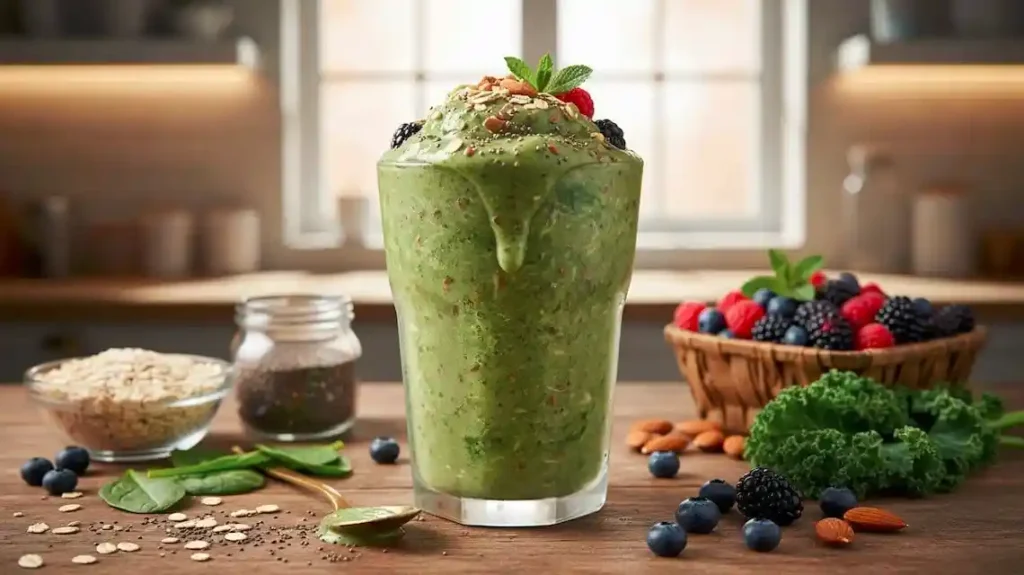
A good high fiber smoothie works like a quiet helper in your day. It keeps your stomach happy, your energy steadier, and your cravings in check.
In simple terms, a high fiber smoothie is just a blended drink packed with fruits, veggies, and add-ins that are rich in fiber. That fiber slows digestion, supports gut health, and helps you feel full longer.
Weight Loss Programs

Diet & Weight Loss
Diet & Weight Loss
Diet & Weight Loss

Diet & Weight Loss
This guide walks you through why fiber matters, what to put in your smoothie, easy ingredient ideas, and one simple starter recipe you can blend in minutes.
Why a High Fiber Smoothie Is Good for Your Body
A high fiber smoothie brings several benefits in one fast drink.
- More stable energy: Fiber slows how fast sugar hits your blood, so you avoid a quick spike and crash.
- Better appetite control: You stay full longer, which can support healthy weight habits.
- Gentler digestion: Fiber helps keep things moving so you feel lighter and less bloated.
- Happier gut: Some fibers act like food for good gut bacteria, which supports overall health.
If you want more science-backed ideas, you can browse dietitian approved high fiber smoothies in this helpful roundup from a nutrition professional: 37 high fiber smoothies – dietitian approved.
Helps You Feel Full and Supports Healthy Weight
Fiber behaves a bit like a slow-burning log on a campfire. It keeps your body fueled longer than a quick sugary snack.
When you add fiber to a smoothie, digestion slows down. Your stomach empties more slowly, and your blood sugar rises more gently. That means you are less likely to feel “starving” an hour later and raid the snack drawer.
This is perfect for busy mornings. A high fiber smoothie can be a fast breakfast you drink on the go, yet it still helps control hunger and reduce random snacking.
Keeps Digestion Regular and Supports Gut Health
Fiber also acts like a gentle broom in your digestive tract. It adds bulk to your stool and helps prevent constipation.
Some types of fiber feed the “good” bacteria in your gut. When those bacteria are well fed, they produce compounds that support gut comfort and overall wellness.
The result is a calmer belly, more regular bathroom trips, and less of that heavy, sluggish feeling many people get from low fiber eating.
Best High Fiber Smoothie Ingredients You Can Use Every Day
You do not need fancy powders to make a high fiber smoothie. Simple grocery store foods work very well and fit most budgets.
Fiber Rich Fruits That Taste Great in Smoothies
Great fiber friendly fruits include:
- Berries, like strawberries, blueberries, and raspberries
- Bananas
- Apples with the skin
- Pears with the skin
- Mango
Frozen fruit works just as well as fresh, often at a lower price. These fruits add natural sweetness, so you usually do not need sugar or syrups. For more ideas on tasty fruit choices, check out this guide on how to make a healthy smoothie.
Veggies That Boost Fiber Without Ruining the Taste
You can slip a lot of veggies into a smoothie without making it taste like a salad.
Good options are spinach, kale, carrots, and frozen cauliflower rice. Mild veggies like spinach and cauliflower almost disappear in flavor when you blend them with fruit.
If you are new to green smoothies, start with a small handful of greens. As you get used to the taste, you can slowly add more.
Seeds, Oats, and Extras That Pack in Even More Fiber
This is where your smoothie becomes a true fiber powerhouse.
- Chia seeds: High in fiber, also add healthy fats.
- Ground flaxseed: Supports digestion and adds healthy fats.
- Hemp seeds: Add some protein and a light nutty flavor.
- Rolled oats: Make smoothies thicker and more filling.
- Nut butter (peanut, almond, cashew): Adds fiber, fat, and protein.
Simple serving ideas: use 1 to 2 tablespoons of seeds or nut butter, or about 1/4 cup oats per smoothie.
Simple High Fiber Smoothie Formula You Can Customize
Once you know the basic mix, you can build almost any high fiber smoothie you like.
Easy High Fiber Smoothie Blueprint
Use this simple formula:
- 1 to 2 cups fruit and veggies
- 1 tablespoon seeds or 1/4 cup rolled oats
- 1 cup liquid (water, milk, or plant milk)
- Ice, if you want it thicker and colder
Blend until smooth, taste, then tweak. Add more liquid if it is too thick, more fruit if you want it sweeter.
Quick Starter Recipe: Berry Oat High Fiber Smoothie
Try this easy starter recipe:
- 1 cup frozen mixed berries
- 1/2 banana
- 1/4 cup rolled oats
- 1 tablespoon chia or ground flaxseed
- 1 cup milk or plant milk
Blend until creamy. You get a thick, cold smoothie with a fruity, slightly nutty taste. Add a bit more banana or a splash of honey if you prefer it sweeter, or more liquid if you like a thinner texture.
Conclusion
Building a high fiber smoothie is simple once you know the basic formula. Fruits, a handful of veggies, plus seeds or oats can turn a quick drink into a satisfying meal.
Try one small change this week, like adding chia seeds or oats to your usual smoothie. Or blend the berry oat recipe tomorrow morning and see how long you stay full. Your future self will be glad you did.
You might also like:
High-Fiber Smoothie FAQs:
What counts as a high-fiber smoothie?
A smoothie is high fiber if it gives you at least 8 to 10 grams of fiber in one serving. Most people can hit that with a mix of fruit, vegetables, and something like oats, chia, or flax. If your smoothie keeps you full for a few hours and uses whole foods, it likely has a good fiber load.
How much fiber should I aim for in a smoothie?
For most adults, a good target is 8 to 15 grams of fiber per smoothie. The daily fiber goal is about 25 grams for women and 38 grams for men, so one high fiber smoothie can cover a big chunk of that. If you are new to fiber, start on the lower end and increase slowly.
What are the best high-fiber ingredients to add?
Whole fruits, vegetables, and seeds give you the biggest boost. Some great options:
- Berries (raspberries, blackberries, blueberries)
- Pear or apple with the skin left on
- Leafy greens like spinach or kale
- Oats or oat bran
- Chia seeds, ground flaxseed, hemp seeds
- Beans (like white beans or chickpeas, in small amounts)
Here is a quick guide to common high fiber add-ins:
| Ingredient (about 1 serving) | Approx. Fiber (grams) |
|---|---|
| 1 cup raspberries | 8 |
| 1 medium pear (with skin) | 5.5 |
| 2 tbsp chia seeds | 10 |
| 2 tbsp ground flaxseed | 4 |
| ½ cup rolled oats | 4 |
| 1 cup spinach (packed) | 4 |
| ½ cup black beans | 7.5 |
These numbers are averages, but they help you build a smoothie that actually hits your fiber goals.
Can a high-fiber smoothie replace a meal?
Yes, it can, as long as it has fiber, protein, and healthy fat. Fiber alone will not keep you full very long. For a meal smoothie, add things like Greek yogurt, protein powder, nut butter, seeds, or tofu along with the fiber rich fruits and oats. If you are still hungry within an hour, it probably needs more calories or protein.
Will a high-fiber smoothie cause gas or bloating?
It can, especially if your body is not used to much fiber. To reduce discomfort, increase fiber slowly, drink plenty of water, and avoid going from low fiber to a 20 gram smoothie overnight. Start with half servings of chia, flax, or beans, then build up over a week or two. If gas is strong or painful, cut back a bit and see how you feel.
Are high-fiber smoothies good for weight loss?
They can help with weight loss because fiber helps you feel full on fewer calories . A smoothie that has fiber, protein, and healthy fat often cuts down on snacking later. Just watch added sugars and large portions of juice, sweetened yogurt, or syrups. Whole fruits are fine for most people, especially when paired with protein and fat.
How can I make a high-fiber smoothie without too much sugar?
Focus on vegetables, seeds, and oats as your fiber base, then use fruit more like a flavor boost. For example, blend spinach, cucumber, oats, chia seeds, and half a banana instead of two whole bananas. Skip juice and use water, milk, or unsweetened plant milk. If you want more sweetness, add cinnamon, vanilla extract, or a few berries.
Is a smoothie better than juice for fiber?
Yes, a smoothie keeps the whole fruit or vegetable, so you keep the fiber too. Juice removes most of the fiber, which makes the sugar hit your blood faster. With smoothies, the fiber slows digestion, supports gut health, and helps you stay full longer. If fiber is the goal, smoothies win.
Can kids drink high-fiber smoothies?
Yes, kids can enjoy high fiber smoothies, but keep the fiber amount age appropriate. Start small, like 3 to 5 grams of fiber in a smoothie, then adjust based on their usual diet and how they feel. Use simple ingredients, such as berries, banana, oats, and milk, and watch for any tummy discomfort. If a child has digestive issues, check with their pediatrician first.
When is the best time to drink a high-fiber smoothie?
Any time that fits your routine works, as long as it fits your total food intake for the day. Many people like them in the morning for steady energy or in the afternoon to avoid a snack crash. If you drink one right before a hard workout, keep the portion moderate so your stomach does not feel too full.

The AnySmoothie team is all about smarter smoothie recipes made with whole-food ingredients. Everything we share centers on balanced nutrition, steady energy, and low-glycemic choices, so you can sip a smoothie that keeps you full, feels good, and helps you avoid sugar crashes.
- Disclaimer: This content is for educational use only. These smoothie recipes and nutrition details aren’t a substitute for medical advice from a licensed health professional. Please read our full Medical Disclaimer here.
Dietary Supplements
Dietary Supplements
Dietary Supplements
ZenCortex – Daily Support for Brain Clarity and Hearing Health
Dietary Supplements
Dietary Supplements