

Ever had a breakfast that looked healthy, but you were starving again by 10 a.m.? That’s the smoothie trap. A blender full of fruit and juice can taste great, yet it often drinks like a snack, not a meal.
Healthy breakfast smoothies work best when they’re built like a simple breakfast plate: protein for staying power, fiber for fullness, and enough healthy fat to keep energy steady. The bonus is speed. Once you learn a basic formula, you can make quick morning smoothies in five minutes with whatever you have.
In this guide, you’ll get an easy framework for balanced smoothie meals, ingredient swaps that save time (and sugar), plus eight reliable recipes for different needs: energy boosting smoothies, high fiber smoothies, and clean eating breakfast drinks that still taste like something you’d actually want to drink.
The simple formula for healthy breakfast smoothies that feel like a real meal
Weight Loss Programs

Diet & Weight Loss
Diet & Weight Loss
Diet & Weight Loss
Diet & Weight Loss
A good smoothie shouldn’t feel like a gamble. If you want it to keep you full, build it the same way every time, then change flavors instead of changing the structure.
Here’s a memory-friendly formula that works for most people: protein + fiber + healthy fat + smart carbs. Think of it like making a sturdy house. Fruit is the paint color, not the foundation.
A simple starting point for a 16 to 20-ounce breakfast smoothie is:
- 1 serving protein (usually 20 to 30 grams, depending on your needs)
- 1 to 2 fiber boosters
- 1 fat source (small but meaningful)
- 1 to 1.5 cups fruit or other carb source (often less than you think)
- Enough liquid to blend (start small, add more as needed)
If you like having examples to riff on, scan a few recipe collections, then come back to the formula. Prevention’s roundup of healthy smoothie recipes for breakfast can help you spot patterns in ingredients that make smoothies more filling.
Build balance in 4 parts: protein, fiber, healthy fat, and smart carbs
Protein (the anchor). Protein is what turns fruit breakfast shakes into breakfast. It slows digestion and helps your smoothie “stick.” Easy options include Greek yogurt, kefir, cottage cheese, milk, soy milk, silken tofu, or a protein powder you tolerate well. If you use powder, keep the rest simple so the flavor doesn’t get muddy.
Fiber (the brakes). Fiber helps you feel full, supports regularity, and keeps the texture thick without extra sugar. Great choices include oats, chia seeds, ground flax, berries, pears, and even a handful of spinach. Leafy greens sound intimidating, but a small handful often disappears behind fruit.
Healthy fat (the smoothness). Fat adds creaminess and helps a smoothie satisfy like a meal. Nut butters, avocado, chia, flax, and hemp hearts are common options. You don’t need much. One tablespoon of nut butter or a quarter avocado can be enough.
Smart carbs (the fuel). Fruit belongs in breakfast smoothies, but it works best as a controlled part, not the whole drink. Frozen berries, banana, mango, pineapple, and cherries are easy. For a more “breakfast” feel, add cooked oats or a small date or two. If you’re using dates, treat them like candy, a little goes a long way.
Pick a liquid and sweetener that will not spike your morning
The liquid you choose can quietly make or break your morning energy. A smoothie with plenty of protein can still feel like a sugar rush if the base is sweetened.
This quick table can help you choose faster:
| Liquid base | Why people like it | Watch-outs |
|---|---|---|
| Dairy milk | Protein, creamy, easy | Can be too rich for some |
| Unsweetened soy milk | High protein, dairy-free | Choose unsweetened |
| Pea milk | Often high protein, neutral taste | Brands vary a lot |
| Unsweetened almond milk | Light, low sugar | Low protein |
| Water | Fast, clean flavor | Needs protein and fat for fullness |
If you’re trying to avoid a mid-morning crash, skip using fruit juice as your main liquid. It adds a lot of sugar without the fiber that helps slow it down.
For sweetness, aim for flavor tricks before extra sugar. Ripe banana, frozen mango, cinnamon, and vanilla extract can make a smoothie taste “sweet” without pushing it over the edge. If you still want more, add one or two dates, or a small drizzle of honey.
Caffeine add-ins can work well, too. Cold brew, leftover coffee, or matcha can fit into energy boosting smoothies. Keep the timing in mind, though. If coffee on an empty stomach makes you jittery, blend it with protein and fat, or save it for after you’ve eaten.
Ingredient shortcuts that make quick morning smoothies easier and healthier
Most people don’t quit smoothies because they hate the taste. They quit because mornings are chaos, or because the smoothie didn’t keep them full. A few small systems solve both problems.
First, decide what you want your smoothie to do. Do you need steady energy until lunch? More fiber? A higher-protein breakfast after workouts? Once the goal is clear, the shopping list gets easier, and so does the habit.
Second, watch the common traps. These three show up the most:
- Too much fruit, especially when paired with juice
- Not enough protein, which turns breakfast into a snack
- Oversized portions, which can feel heavy and still leave you hungry later
A helpful mental check is to ask, “Would I eat this amount of fruit by itself?” If the answer is no, scale it back and add oats, yogurt, tofu, or seeds instead.
For high fiber smoothies, it also helps to learn from fiber-focused recipes that get texture right. Elizabeth Rider’s high-fiber breakfast smoothie is a good example of how people build fiber without relying on juice.
Make mornings faster with freezer packs and a 5 minute prep routine
Freezer packs turn smoothies into a grab-and-blend breakfast. You do the thinking once, then your weekday self just follows the plan.
A simple Sunday routine:
- Wash and dry greens (spinach or kale), then portion handfuls into containers or bags.
- Portion frozen fruit (or freeze fresh fruit on a sheet pan first).
- Pre-measure dry add-ins like oats, chia, or ground flax into small jars.
- Stock a few “always ready” items: nut butter, cinnamon, vanilla extract, and a shelf-stable milk you like.
Then, in the morning, dump a freezer pack into the blender, add liquid and protein, blend, and go.
If you’re on a budget, frozen fruit is usually the best value. It’s also consistent. One bag of frozen berries can cover a week of breakfasts, and it makes the smoothie thick without needing ice.
The easiest way to keep smoothies healthy is to make the healthy choice the convenient choice. Prep is less about perfection and more about removing friction.
High fiber smoothie boosters that do not taste like cardboard
Fiber boosters can feel like punishment if you add too much, too fast. Start small and build up as your taste and digestion adjust.
Easy starting amounts for one smoothie:
- Chia seeds: 1 tablespoon
- Ground flax: 1 to 2 tablespoons
- Oats (rolled): 1/4 cup
- Psyllium husk: 1 teaspoon (go slow, and drink extra water)
- Spinach: 1 handful
- Berries or pear: 1/2 to 1 cup
Texture tip: if chia or flax tastes gritty, blend longer and let the smoothie sit for two minutes. The seeds hydrate and the texture turns creamier. Frozen banana also helps, but you can get the same thickness from oats or avocado if banana isn’t your thing.
For another example of a fiber-forward blend that still tastes like breakfast, Lindsay Pleskot’s high-fiber mixed berry smoothie shows how oats and berries can do a lot of the heavy lifting.
8 healthy breakfast smoothie recipes for energy, fiber, and staying full
Each recipe below aims for the same thing: a smoothie that drinks like a small meal. Adjust thickness by starting with less liquid, then adding a splash at the end.
Energy boosting coffee banana smoothie with oats
Ingredients: 1/2 to 3/4 cup cold brew or chilled coffee, 1 frozen banana, 1/4 cup rolled oats, 3/4 cup milk of choice, 1/2 cup Greek yogurt (or 1 scoop dairy-free protein), pinch of cinnamon, ice if needed.
Steps: Blend until silky, then add a splash more liquid if it’s too thick.
Best for: Busy mornings when you want breakfast and coffee in one. (Dairy-free swap: soy or pea milk, plus plant protein.)
High fiber berry chia smoothie that keeps you full
Ingredients: 1 cup mixed berries (frozen works great), 1 tablespoon chia seeds, 3/4 cup plain Greek yogurt or kefir, 3/4 cup unsweetened milk, 1/2 teaspoon vanilla extract, optional handful of spinach.
Steps: Blend, rest 2 minutes, then blend again for a thicker texture.
Best for: High fiber smoothies that don’t feel heavy.
Peanut butter, cocoa, and protein smoothie that tastes like dessert
Ingredients: 1 cup milk of choice, 1 tablespoon peanut butter, 1 tablespoon unsweetened cocoa powder, 1/2 to 1 frozen banana, 1 scoop protein powder (or 1/2 cup cottage cheese), pinch of salt, ice if needed.
Steps: Blend well, taste, then add cinnamon if you want more warmth.
Best for: A sweet craving without added sugar. (That pinch of salt makes the chocolate pop.)
Green mango ginger smoothie for a lighter, fresh start
Ingredients: 1 cup frozen mango, 1 packed cup spinach, 1/2-inch fresh ginger (peeled), juice of 1/2 lime, 3/4 cup water (or coconut water), 1/2 cup Greek yogurt or silken tofu.
Steps: Blend until bright green and smooth, add more water if needed.
Best for: A fresh, not-too-sweet morning.
Apple pie breakfast smoothie with oats and cinnamon
Ingredients: 1 small apple (cored and chopped) or 1/2 cup unsweetened applesauce, 1/4 cup rolled oats, 3/4 cup milk, 1/2 cup Greek yogurt, 1/2 teaspoon cinnamon, optional 1 tablespoon walnuts.
Steps: Blend longer than usual for a smoother apple texture.
Best for: When you want a cozy breakfast flavor without baking.
Tropical clean eating smoothie with pineapple and coconut
Ingredients: 3/4 cup frozen pineapple, 1/2 frozen banana, 3/4 cup unsweetened coconut milk beverage, 1/2 cup Greek yogurt or silken tofu, 1 tablespoon chia seeds, optional handful of spinach.
Steps: Blend until creamy, then adjust thickness with a splash of liquid.
Best for: Clean eating breakfast drinks that still taste like vacation.
No banana mixed berry smoothie for people who do not like banana
Ingredients: 1 1/2 cups mixed berries (frozen), 3/4 cup milk of choice, 1/2 cup Greek yogurt or protein of choice, 1/4 cup oats (or 1 tablespoon chia), optional 1 to 2 dates or 1 teaspoon honey.
Steps: Blend, then let it sit 2 minutes if you used oats for extra thickness.
Best for: Fruit breakfast shakes without the banana flavor. (Thickness swaps: oats, 1/4 avocado, or a handful of cauliflower rice.)
Extra filling avocado vanilla smoothie for long mornings (higher-calorie)
Ingredients: 1/2 ripe avocado, 3/4 cup milk of choice, 1/2 cup Greek yogurt or protein powder, 1 teaspoon vanilla extract, 1/2 to 1 cup frozen mango or berries, optional handful of spinach.
Steps: Blend until completely smooth, scrape the blender once if needed.
Best for: Long workdays, active mornings, or anyone who needs more fuel.
If you want more fruit-forward high-fiber inspiration, Real Life Nutritionist has an easy high fiber fruit smoothie that’s useful for comparing ingredients and portions.
Conclusion
If smoothies have let you down before, it usually wasn’t the blender. It was the build. Start with the simple meal formula: protein plus fiber, then add healthy fat and smart carbs for flavor and energy. Also keep an eye on your liquids and added sugar, because juice and sweetened milks can turn breakfast into a quick spike.
Pick one recipe from the list and repeat it for a week. Then tweak one thing at a time, maybe swap berries for mango, or oats for chia. Most importantly, try making one set of freezer packs this week, then choose a single go-to smoothie for busy mornings. Your future self will thank you at 7:12 a.m.

The AnySmoothie team is all about smarter smoothie recipes made with whole-food ingredients. Everything we share centers on balanced nutrition, steady energy, and low-glycemic choices, so you can sip a smoothie that keeps you full, feels good, and helps you avoid sugar crashes.
- Disclaimer: This content is for educational use only. These smoothie recipes and nutrition details aren’t a substitute for medical advice from a licensed health professional. Please read our full Medical Disclaimer here.
Dietary Supplements
Dietary Supplements
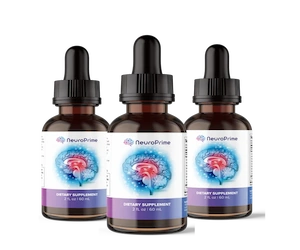
Neuro Serge – Daily Support for Brain Health and Cognitive Performance
Dietary Supplements
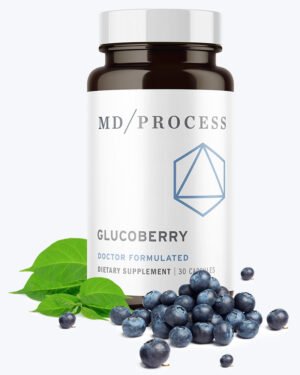
GlucoBerry – Daily Support for Healthy Blood Sugar and Energy
Dietary Supplements
Dietary Supplements