
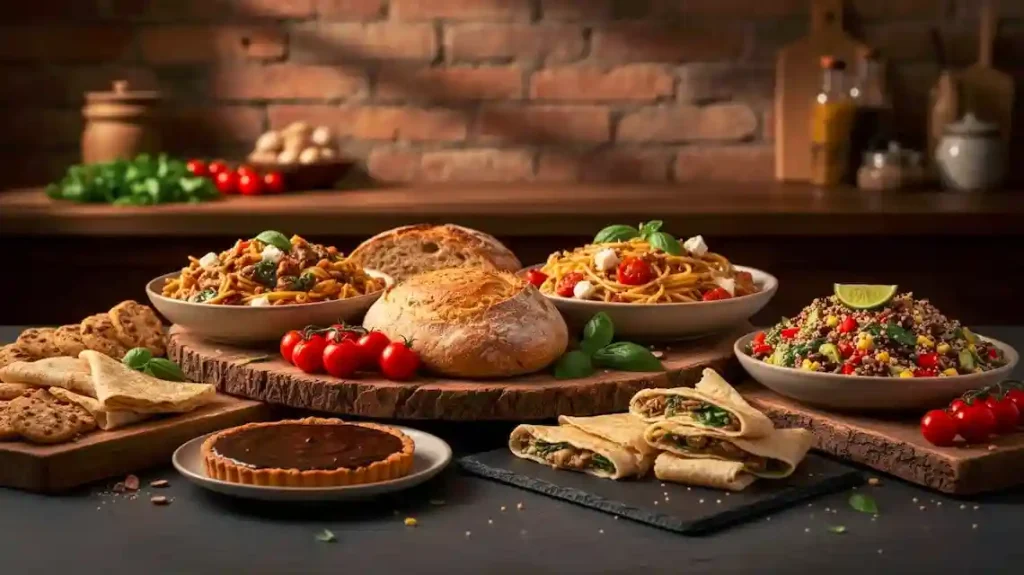
You might feel a bit lost the first time you hear you need to eat gluten free. Labels look confusing, bread feels off-limits, and eating out can seem risky. If you are cooking for yourself or for someone you love, it is normal to feel unsure at first.
Gluten is a protein in some grains that gives bread its stretch and chew. For some people, gluten causes real health problems, so they need to avoid it. For others, cutting back can ease stomach issues or fatigue.
Weight Loss Programs
Diet & Weight Loss

Diet & Weight Loss
Diet & Weight Loss
Diet & Weight Loss
The best news is that you are not stuck with plain salad or dry rice cakes. There are plenty of tasty gluten free food options for breakfast, lunch, dinner, and snacks that the whole family will enjoy. This guide walks you through what gluten actually is, how to read labels, simple meal ideas, and smart tips for eating out with confidence.
What Does Gluten Free Mean and Why Does It Matter?
Gluten free means that a food does not contain gluten. That might sound simple, but gluten shows up in more places than most people expect.
For someone with celiac disease, gluten triggers the immune system and harms the small intestine. For others with gluten sensitivity, gluten can cause gas, bloating, or brain fog. A gluten free diet protects their health and helps them feel better day to day.
If you are gluten free for medical reasons, even a small amount can be a problem. That is why label reading, cross contact, and ingredient lists matter. If you are gluten free by choice, you might not react as strongly, but it still helps to know where gluten hides.
Gluten free eating is not about perfection or fear. It is about learning a few key habits so you can pick food that fits your body and your life.
What Is Gluten and Where Is It Usually Found?
Gluten is a protein found in wheat, barley, and rye. It acts like glue and helps bread dough stretch and hold its shape.
You find gluten in:
- Regular bread, rolls, and bagels
- Most pasta and noodles made with wheat
- Many breakfast cereals
- Crackers, cookies, cakes, and pastries
- Most standard flour tortillas and pizza crusts
Gluten can also hide in less obvious foods. Soy sauce, canned soups, gravy mixes, salad dressings, and some flavored chips may contain wheat or barley. Even some supplements and medicines can include gluten as a filler.
A helpful step is to start reading ingredient lists. Look for the words wheat, barley, rye, malt, and brewer’s yeast. The Celiac Disease Foundation explanation of gluten gives a clear overview if you want more detail.
Who Needs Gluten Free Food Options?
Several groups of people need gluten free food.
- Celiac disease: This is an autoimmune condition. When someone with celiac eats gluten, the immune system attacks the small intestine. Over time, this can cause weight loss, anemia, and many other issues.
- Gluten sensitivity: Some people do not have celiac disease, but gluten still makes them feel sick. They may have bloating, headaches, or joint pain.
- Wheat allergy: This is an allergy to proteins in wheat. It can cause hives, swelling, or trouble breathing soon after eating.
Only a doctor can diagnose these conditions through tests and a full medical history. Others choose gluten free eating because it helps them feel more comfortable. There is no one right reason. The goal is to feel well and stay healthy.
How To Read Labels and Avoid Hidden Gluten
Learning to read labels makes gluten free eating much easier.
First, check for a “gluten free” label. In many countries, that means the product has less than 20 parts per million of gluten, which is considered safe for most people with celiac disease.
Next, scan the ingredient list for:
- Wheat
- Barley
- Rye
- Malt or malt extract
- Brewer’s yeast
If you see any of these, skip the product.
Cross contamination is another concern. This happens when gluten free food touches gluten during processing, for example when a factory uses the same equipment for wheat bread and gluten free bread. People with celiac disease often choose “certified gluten free” products to lower this risk.
When in doubt, keep it simple. Fresh fruit, vegetables, plain meat, plain poultry, fish, eggs, and unflavored dairy are naturally gluten free.
Easy Gluten Free Food Options for Breakfast, Lunch, and Dinner
Gluten free meals do not need to be fancy or expensive. Start with foods that are naturally free of gluten, then add a few simple products like gluten free bread or pasta if you enjoy them.
Gluten Free Breakfast Ideas That Keep You Full
A good breakfast should keep you satisfied for several hours. Protein and healthy fats help with that.
Try these ideas:
- Scrambled eggs with spinach, tomatoes, and a little cheese
- An omelet with mushrooms, onions, and leftover chicken
- Gluten free oats labeled “certified gluten free,” cooked with milk and topped with berries and nuts
- Yogurt with sliced banana, chia seeds, and a drizzle of peanut butter
- A smoothie made with frozen fruit, spinach, yogurt, and nut butter
- Gluten free toast or bagels with avocado and a fried egg
- Rice cakes spread with peanut butter and apple slices
Oats deserve a quick note. Oats do not naturally contain gluten, but they often share fields or equipment with wheat. Look for products that are clearly marked gluten free.
Simple Gluten Free Lunches You Can Pack or Eat at Home
Lunch can be fast, simple, and still satisfying.
Some easy options:
- Lettuce wrap “sandwiches” with turkey, cheese, tomato, and mustard
- Big salads with grilled chicken, beans, or boiled eggs and a simple olive oil dressing
- Rice bowls with black beans, corn, salsa, and diced avocado
- Baked potatoes topped with cheese, broccoli, and a bit of sour cream
- Corn tortilla tacos filled with shredded chicken, lettuce, and salsa
- Sandwiches on gluten free bread with tuna salad or hummus and veggies
Use corn tortillas, rice, quinoa, or salad greens as your base instead of wheat bread. Check labels on deli meat, dressings, and sauces because some brands add wheat for texture or thickening.
These lunches work for school, office, or at home. Make extra dinner and pack leftovers for an even easier option.
Gluten Free Dinner Options the Whole Family Will Eat
Dinner is often when people worry the most, especially if not everyone at the table is gluten free. The trick is to build meals around foods that everyone already likes.
Here are some family-friendly ideas:
- Grilled chicken, steak, or pork chops with rice and roasted vegetables
- Baked fish with lemon and herbs, served with quinoa and a green salad
- Taco night using corn tortillas, seasoned meat or beans, cheese, and salsa
- Stir-fry with chicken or tofu, mixed vegetables, and tamari (a gluten free soy sauce alternative) over rice
- Baked potatoes topped with chili, cheese, and green onions
- Gluten free pasta with tomato sauce and meatballs made with gluten free breadcrumbs
Most favorite dinners can be made gluten free with one or two swaps. Replace regular pasta with gluten free pasta, use tamari instead of soy sauce, and choose corn tortillas instead of flour tortillas. For fresh ideas, you can check out family meals labeled gluten free on BBC Good Food.
Use herbs, garlic, lemon, and spices to keep flavors bright so no one misses the gluten.
Snacks, Convenience Foods, and Eating Out on a Gluten Free Diet
Real life is busy. You need snacks for car rides, work breaks, kids’ activities, and nights when you just cannot cook. Gluten free eating still works in those moments.
Quick Gluten Free Snack Ideas for Busy Days
Keep a few easy snacks ready so you do not get stuck hungry.
Good options include:
- Fresh fruit like apples, grapes, bananas, or berries
- Cut veggies with hummus or guacamole
- Cheese sticks or cheese slices with a handful of nuts
- Plain popcorn or popcorn labeled gluten free
- Rice cakes with almond butter or sunflower seed butter
- Gluten free granola bars
- Hard-boiled eggs
- Yogurt cups
- Gluten free crackers with cheese or peanut butter
Flavored snacks, bars, and trail mixes may include wheat or barley, so read the label before you buy.
Gluten Free Store-Bought Foods You Can Trust
Most grocery stores now carry gluten free versions of everyday products. These can be a big help on busy days.
Common gluten free items include:
- Bread, sandwich rolls, and bagels
- Pasta made from rice, corn, or quinoa
- Crackers and pretzels
- Frozen waffles and pancakes
- Pizza crusts and frozen gluten free pizzas
When possible, look for “certified gluten free” on the package. This gives extra peace of mind about cross contact and ingredient sources.
If you are new to gluten free products, try one new item at a time. That approach keeps your budget in check and makes it easier to remember which brands your family liked.
How To Order Safe Gluten Free Food Options at Restaurants
Eating out can still be enjoyable when you are gluten free. It just takes a bit of planning and clear communication.
Before you go, check the restaurant menu online. Many places now mark gluten free choices or have a separate menu. The National Celiac Association has helpful advice on eating out gluten free.
At the restaurant, you could say something like:
- “I need to eat gluten free. Can you tell me which dishes are safe?”
- “Is this cooked on a shared grill or in the same fryer as breaded items?”
Look for dishes that are naturally gluten free, such as:
- Grilled meat or fish with vegetables and potatoes or rice
- Salads without croutons, with a simple oil and vinegar dressing
- Rice bowls or baked potatoes with safe toppings
Avoid breaded or fried foods unless the menu says they are gluten free and cooked in a separate fryer. Skip regular soy sauce unless the restaurant offers a gluten free version.
Focus on what you can enjoy instead of what you cannot. That mindset keeps meals relaxed and fun.
Conclusion
Learning to eat gluten free feels big at first, but it gets easier with practice. You now know what gluten is, where it hides, and how to read labels to spot it. Simple ideas for breakfasts, lunches, dinners, and snacks made from whole foods and a few smart products. You also have tools to order safely at restaurants and still enjoy nights out.
There are many gluten free food options that fit any budget and taste. Pick one new meal or snack idea from this guide and try it this week. See how your body feels, then keep building from there. Over time, gluten free eating becomes just “eating,” and your kitchen turns into a place of comfort instead of stress.
You might also like:
Gluten Free Food Options FAQs:
What foods are naturally gluten free?
Many whole foods are gluten free by nature. Fresh meat, poultry, fish, eggs, beans, lentils, nuts, seeds, fruits, and vegetables all work. Gluten free grains include rice, corn, quinoa, buckwheat, millet, sorghum, and certified gluten free oats. Plain dairy is often safe, but always check labels for additives.
Which grains and flours should I avoid on a gluten free diet?
Avoid anything made from wheat, barley, rye, or triticale. This includes common flours like all purpose, whole wheat, graham, spelt, durum, semolina, and kamut. Barley malt, malt vinegar, and malt extract also contain gluten. Many breads, pastas, cereals, and baked goods use these grains.
How can I tell if a packaged food is gluten free?
Read the ingredient list and allergen statement. Look for wheat, barley, rye, or malt. Some products carry a certified gluten free label, which follows strict testing rules. If a product is not labeled gluten free but looks safe, check the brand website or contact customer service.
Is “wheat free” the same as “gluten free”?
No. Wheat free only means the product does not contain wheat. It might still have barley, rye, or malt, which all have gluten. Gluten free means it avoids all gluten containing grains and stays under set levels of gluten, often 20 parts per million or less.
Are oats gluten free?
Pure oats are gluten free, but they are often processed on shared equipment with wheat or barley. If you need to avoid gluten for medical reasons, choose oats labeled gluten free. These oats are grown and processed to limit cross contact with gluten grains.
What are good gluten free options for bread and pasta?
For bread, look for gluten free loaves made with rice, sorghum, buckwheat, or seed flours. Many stores carry them in the freezer section. For pasta, try products made with rice, corn, quinoa, lentils, or chickpeas. Cook them according to the package, since the texture can change if overcooked.
What can I eat for breakfast that’s gluten free?
You have many choices. Gluten free oats, yogurt with fruit and nuts, eggs with potatoes and veggies, smoothies, and gluten free toast all work well. Some cereals are made with corn or rice and are labeled gluten free. Check the box to be sure.
How do I avoid gluten when eating out?
Ask for an allergen or gluten free menu if the restaurant has one. Tell your server you need your food made without gluten, not just “no bread.” Ask about marinades, soy sauce, breaded items, and shared fryers. Simple dishes, like grilled meat with vegetables and plain rice, are often safer choices.
Is soy sauce gluten free?
Most regular soy sauce contains wheat. Choose gluten free soy sauce or tamari that is labeled gluten free. Many brands now offer a clear gluten free version, and some restaurants keep it on hand if you ask.
Are fries and chips always gluten free?
Not always. Plain potatoes are gluten free, but fries can pick up gluten if cooked in a shared fryer with breaded foods. Some fries or chips also have wheat based coatings or seasonings. Ask how the fries are cooked, and read chip labels for wheat, barley, or malt.
What snacks can I keep on hand that are gluten free?
Good options include plain nuts, seeds, popcorn, rice cakes, corn tortillas, gluten free crackers, fresh fruit, yogurt, cheese sticks, and veggie sticks with hummus. Check labels for flavorings or thickeners that might contain gluten, especially in seasoned snacks.
Can I still eat desserts on a gluten free diet?
Yes. You can enjoy desserts made with gluten free flours like almond, coconut, rice, sorghum, or gluten free blends. Many bakeries and stores sell gluten free cookies, cakes, and brownies. Fruit, meringues, macarons, and some ice creams are often gluten free, as long as mix ins and cones are safe.
Are gluten free products always healthier?
Not always. Gluten free cookies or crackers can still be high in sugar, salt, or fat. Some gluten free products have less fiber and more starch. Focus on whole foods and read nutrition labels. Gluten free is important for those who need it, but it does not automatically mean “healthy.”
How do I avoid cross contact with gluten at home?
Use separate toasters, cutting boards, and wooden utensils if you share a kitchen with people who eat gluten. Store gluten free bread and baked goods in their own containers. Wipe counters well, and clean pots, pans, and strainers carefully before cooking gluten free foods.
What should I watch for in sauces, soups, and dressings?
Many sauces and soups use flour or roux to thicken. Soy sauce, malt vinegar, and some bouillon cubes contain gluten. Salad dressings can have wheat based thickeners or flavorings. Look for products labeled gluten free or made with safe starches like cornstarch, potato starch, or arrowroot.
How can I plan a simple gluten free meal?
Build your plate around three parts. Pick a protein, like chicken, fish, tofu, eggs, or beans. Add a gluten free grain or starch, like rice, potatoes, quinoa, or corn tortillas. Fill the rest with vegetables or salad. Season with herbs, spices, olive oil, and lemon for easy flavor without gluten.

The AnySmoothie team is all about smarter smoothie recipes made with whole-food ingredients. Everything we share centers on balanced nutrition, steady energy, and low-glycemic choices, so you can sip a smoothie that keeps you full, feels good, and helps you avoid sugar crashes.
- Disclaimer: This content is for educational use only. These smoothie recipes and nutrition details aren’t a substitute for medical advice from a licensed health professional. Please read our full Medical Disclaimer here.
Dietary Supplements
Dietary Supplements
Dietary Supplements
ZenCortex – Daily Support for Brain Clarity and Hearing Health
Dietary Supplements
Dietary Supplements