
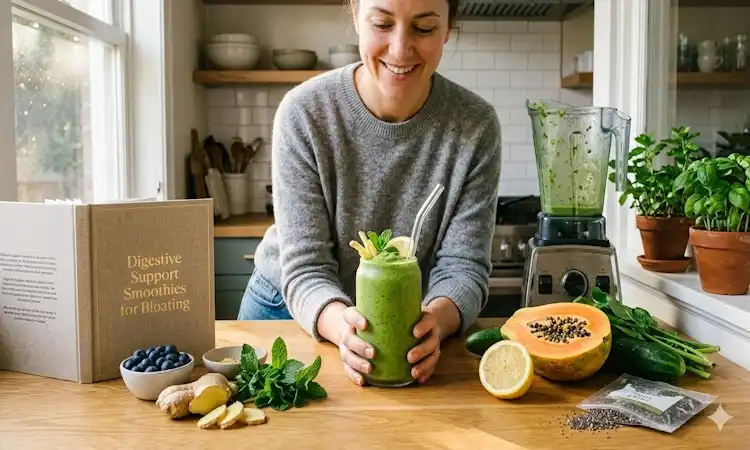
A tight, gassy, puffy belly can show up fast, sometimes right after you eat. That uncomfortable “full” feeling is bloating, and it can make even a normal day feel off.
When you want something light, smoothies can be a gentle option. They add hydration, go down easy, and let you control fiber so you don’t overwhelm your gut. That’s why many people use digestive support Smoothies for bloating as a simple first step toward feeling more comfortable.
Still, smoothies aren’t a cure for every cause of bloating. Triggers vary, including eating too fast, salty foods, carbonated drinks, high sugar, certain fibers, and dairy. The good news is that many people feel better when they choose calming ingredients and skip the ones that stir things up.
Weight Loss Programs

Diet & Weight Loss
Diet & Weight Loss

Diet & Weight Loss
Diet & Weight Loss
In this post, you’ll get a quick guide to what helps (and what to avoid), plus 6 to 8 bloating relief smoothies made for everyday life. Expect easy swaps for sensitive stomachs, including IBS-friendly smoothie recipes and anti-bloat healthy drinks you can adjust based on how you feel.
Why you bloat, and when a smoothie is a smart move
Bloating isn’t just “too much food.” Most of the time, it’s a mix of gas, fluid shifts, and slow-moving digestion that makes your belly feel tight. The tricky part is that the trigger can be something small you barely notice, like how fast you eat, not just what you ate.
That’s where digestive support Smoothies for bloating can help. A well-built smoothie is easier to digest than a heavy meal, plus it adds fluid that keeps things moving. Still, the wrong smoothie can backfire and leave you feeling worse, so it helps to know your patterns before you blend.
The most common bloating triggers people miss
Some bloating comes from swallowed air, not “bad” food. If you eat fast, talk while chewing, chew gum, sip through a straw, or drink from a narrow-mouth bottle, you can trap extra air that later shows up as pressure and burps.
Food choices matter too, especially when they stack up in one day:
- Big salty meals: Sodium pulls water into your tissues, so your belly can feel puffy the next morning. Restaurant meals and packaged snacks are common culprits.
- Sugar alcohols: Ingredients like sorbitol, xylitol, and erythritol (often in “sugar-free” gum, candy, and protein bars) can cause gas and loose stools in some people. For a rundown of common causes, see MedicalNewsToday’s bloating overview.
- Carbonated drinks: Bubbles add gas fast, and your gut has to put it somewhere.
- Large raw veggie servings: A big salad can be healthy and still make you bloated, because raw fiber is harder to break down. Lightly cooking veggies often feels gentler.
- Lactose: Milk, ice cream, and some yogurts can trigger bloating if you don’t digest lactose well.
- High-fat meals: Fat slows stomach emptying, which can make fullness linger.
Fiber deserves a special mention. Fiber helps bloating long-term because it supports regular bowel movements. However, a sudden jump (like adding chia, flax, kale, and berries all at once) can cause more gas at first.
If you’re trying to “eat clean” and your belly feels worse, the issue might be timing and volume, not your effort.
How smoothies can calm your stomach, or make bloating worse
A gut-soothing drink usually has three things: fluid, a moderate amount of fiber, and balanced macros (carbs plus protein, sometimes a little fat). Blending can also make certain foods easier to tolerate because you’re doing some of the breakdown work up front.
On the other hand, a smoothie turns into a bloating trap when it becomes a sugar bomb. Too much fruit, fruit juice, sweetened yogurt, and add-ins can spike sugar, pull water into the gut, and feed gas-producing fermentation. Portion size matters too. A 24-ounce smoothie can act like a big meal, especially if you drink it fast.
Three simple rules can keep smoothies for digestive health on track:
- Start with a gentle liquid: Water, lactose-free milk, or unsweetened almond milk are usually easier than juice.
- Keep fruit to about 1 to 1.5 cups: Use ripe banana, berries, or peeled citrus. This keeps sugar and fermentable carbs in check.
- Add protein, and go easy on high-fiber extras: Greek yogurt (if tolerated), lactose-free kefir, or a simple protein powder can steady digestion. Meanwhile, keep chia, flax, oats, and raw greens modest at first.
Also, slow down. Sip your smoothie like you would chew food. Drinking quickly can add swallowed air and overwhelm your stomach. If you’re prone to gas, consider skipping fizzy “prebiotic sodas” alongside your smoothie and keep ingredient combos simple.
A quick self-check before you blend
Before you pick from bloating relief smoothies, take 30 seconds to figure out what kind of bloating you’re dealing with. These five questions make the next choice much clearer:
- When did the bloating start? Was it sudden, or building over weeks?
- What did you eat or drink before it hit? Think dairy, beans, big salads, carbonated drinks, or sugar-free snacks.
- Is it paired with constipation or diarrhea? That changes what “gentle” should mean.
- Do you notice issues with dairy? If yes, start lactose-free and see if symptoms settle.
- Has stress or your menstrual cycle changed recently? Many people feel more gut symptoms during high-stress stretches, and IBS can flare when your nervous system is on high alert. The gut-stress link is real, and it’s explained well in Mindset Health’s stress and IBS article.
Use your answers to pick a direction:
- Constipation support: More fluid, a little soluble fiber (like oats or chia), and fruit that tends to help bowel movements (like kiwi or prunes, in small amounts).
- Gas support: Smaller portions, fewer raw veggies, and less sugar alcohols. Ginger or peppermint-style ingredients can be soothing for some.
- IBS-friendly gentle option: Keep it simple, limit high-FODMAP ingredients if they’re a trigger for you, and avoid stacking too many “healthy” add-ins at once.
If you track your pattern for a few days, smoothies for stomach comfort get much easier to personalize.
Build a digestive support smoothie for bloating that actually feels good
A smoothie for bloating should feel like a soft landing, not a food challenge. The goal is simple: hydrate, keep fiber gentle, add enough protein to steady your appetite, and skip the extras that usually cause gas.
If you’ve tried “healthy” gut-soothing drinks that left you more puffy, it usually comes down to two things: too much volume, or too many heavy add-ins at once. Use the build-your-own approach below, then adjust based on how your stomach responds.
The simple 4-part formula: liquid, fruit, gut-friendly add-ins, protein
Think of this as a reliable template for digestive support smoothies for bloating. It keeps the blend light, balanced, and easy to repeat.
Here’s a ratio that works for most people:
- Liquid (1 to 1.5 cups): Start thinner than you think, you can always add more.
- Fruit (about 1 cup): Choose one or two fruits max to keep sugar and fermentable carbs in check.
- Gut-friendly add-ins (1 to 2 total): Pick small amounts and keep it simple.
- Protein (aim for 15 to 25 g if possible): This helps the smoothie “sit” better and prevents a quick blood sugar swing.
If you want a quick, gentle starting combo, try: 1.25 cups liquid + 1 cup ripe banana and berries + 1 add-in (like oats) + a protein (like lactose-free yogurt or protein powder). Blend, taste, then adjust.
Some liquids tend to feel easier on a sensitive stomach:
- Water (plain and reliable, especially if you bloat easily)
- Coconut water (light and hydrating, choose unsweetened)
- Lactose-free kefir (tangy, drinkable, and easy to blend)
- Low-sugar yogurt thinned with water (creamy without being heavy)
- Ginger tea (adds flavor without extra fiber, let it cool first)
A good anti-bloat healthy drink is usually “boring” on purpose. Simple ingredients are easier to troubleshoot.
Best ingredients for stomach comfort (and why they help)
When your belly feels tight, the best ingredients are the ones that calm things down without adding a big fiber load. These options are popular in smoothies for stomach comfort because they’re gentle and easy to measure.
Ginger is a classic for a reason. Many people find it helps with nausea and that “gassy” feeling, especially in small amounts (fresh ginger or a pinch of ground ginger). If you want the science angle, see ginger’s digestion and nausea overview, but keep expectations realistic because everyone’s triggers differ.
Peppermint can help some people feel less crampy, which is why it shows up in many IBS-friendly smoothie recipes (often as peppermint tea, not peppermint candy). Still, peppermint can worsen reflux for some people, so skip it if mint tends to bring on heartburn. For a balanced rundown, check peppermint oil and stomach aches.
A few more low-drama picks:
- Cucumber: Adds hydration and a clean taste. Peel it if the skin bothers you.
- Ripe banana: Gentle carbs and natural sweetness, plus it helps with texture.
- Kiwi: Often used for regularity, start with 1 fruit and see how you do.
- Pineapple (small amounts): Bright flavor, but keep portions modest if you’re sensitive.
- Oats (2 to 4 tablespoons): Adds soft, soluble fiber, which can feel steadier than raw greens.
- Chia (1 teaspoon to 1 tablespoon): Thickens and adds fiber, but too much can bloat you fast.
- Kefir or yogurt: Adds probiotics for some people, choose lactose-free if dairy bothers you. This comparison of kefir vs. yogurt for gut health can help you pick.
- Spinach (small handful): Mild taste and easy nutrients, but don’t pack the blender.
- Lemon: Great for flavor, but not a great choice if reflux is part of your bloating picture.
The through-line: start small. If an ingredient helps, keep it. If it doesn’t, it’s not “bad,” it’s just not your fit.
Ingredients that often trigger bloating, plus easy swaps
A smoothie can look virtuous and still cause gas. That’s usually because several common triggers stack up in one glass. If you’re building bloating relief smoothies, watch these ingredients and portion sizes first.
Raw cruciferous veggies (in large amounts), like kale, broccoli, and cauliflower, can be rough on a sensitive gut. They’re healthy, but they can ferment and create gas, especially when raw and packed in.
Big scoops of nut butter can also backfire. Fat slows stomach emptying, and heavy blends can sit like a rock. The same issue comes up with too much avocado.
Fiber add-ins are another common trap. Large amounts of chia or flax (think multiple tablespoons) can overwhelm you if your gut is already irritated.
Then there’s the FODMAP factor. Some fruits are more likely to trigger bloating for people with IBS patterns, including apples, pears, and mango. Sweeteners and “functional” powders can be even sneakier. Inulin or chicory root fiber often causes gas, and sugar alcohols (like xylitol and erythritol) can be a problem in protein powders and “keto” add-ins.
Finally, large dairy amounts can cause bloating if lactose is an issue, even if you tolerate small servings.
Easy swaps that keep your smoothie soothing:
- Swap berries or citrus for apple, pear, or mango.
- Swap lactose-free kefir or lactose-free yogurt for regular milk or ice cream style bases.
- Swap 2 to 4 tablespoons oats for an extra tablespoon of chia or flax.
- Swap a small handful of spinach for a big cup of raw kale (or skip greens altogether).
- Swap cooked, cooled zucchini for raw cruciferous veggies if you want a veggie boost with a milder feel (yes, it blends well).
- Swap plain protein powder for “prebiotic” or “fiber-loaded” powders.
If you want more IBS-friendly ingredient ideas, this list of IBS-friendly smoothie ingredients is a helpful reference point.
When a smoothie makes you bloat, it’s often a “too much” problem, too much fiber, too much fat, or too many add-ins competing at once.
Portion size, texture, and temperature tricks that matter
Ingredients matter, but how you drink the smoothie matters too. Small tweaks to temperature, texture, and pace can turn a good recipe into one that actually feels calming.
First, watch the ice. Very icy smoothies can bother some stomachs, especially if you’re prone to cramping. Cold can also slow things down for certain people, which may make the “full” feeling stick around longer. If that sounds like you, use a room-temp liquid and frozen fruit in a smaller amount, or use fresh fruit with just a few ice cubes.
Texture is another big deal. A chunky smoothie can trap extra air and make you feel gassy. Blend longer than you think you need to, and add liquid slowly until it’s silky. If you use oats or chia, give the smoothie a minute to sit, then blend again for a smoother finish.
Portion size is where many anti-bloat healthy drinks go off track. Start with 12 to 16 oz instead of a giant blender bottle. You can always have more later, but it’s harder to undo the discomfort of too much volume.
Finally, sip it slowly. When you drink fast, you swallow more air and your stomach fills quickly. Treat it like a small meal, take pauses, and avoid using a straw if you’re already gassy. The calmer you go, the calmer your gut usually feels.
7 gut-soothing smoothie recipes for bloating relief (with simple swaps)
When your stomach feels tight and puffy, the best smoothie is usually the simplest one. These digestive support Smoothies for bloating focus on hydration, gentle carbs, and just enough protein to help the blend “sit” well. Start with smaller servings, blend until silky, then sip slowly so you don’t swallow extra air.
A quick tip before you pick: if you’re dealing with gas, keep fiber modest. If it’s constipation bloat, add a little soluble fiber and more fluid. And if you’re sensitive to cold drinks, skip the ice.
Ginger Banana Oat Smoothie for a calm, steady stomach
This one feels like a warm sweater for your gut, creamy, steady, and not too intense. Ginger adds a gentle zing, while oats thicken without getting heavy.
Blend:
- 1 ripe banana
- 1 to 2 teaspoons fresh ginger (grated)
- 2 to 4 tablespoons rolled oats
- 1/2 to 3/4 cup lactose-free yogurt or kefir (or dairy-free)
- 1/2 to 1 cup water or cooled ginger tea
- Pinch of cinnamon
Blend longer than you think you need, oats can stay gritty if you rush. If you want a similar flavor profile, see EatingWell’s take on a smoothie to help reduce bloating.
Simple swaps: If banana doesn’t agree with you, use kiwi instead. Want it lighter? Skip the oats and add more liquid.
Cucumber Mint Cooler for gas and puffiness
When you feel “inflated,” this one keeps things light and hydrating. Cucumber and coconut water taste clean, while a little pineapple adds brightness without turning it into a sugar bomb.
Blend:
- 1 cup cucumber (peeled if needed)
- 6 to 10 mint leaves
- 1 to 2 tablespoons lemon juice
- 1/4 cup pineapple (small amount)
- 1 cup coconut water
- Optional: 1/2 cup plain Greek yogurt or a simple protein powder (if tolerated)
Keep pineapple modest, it’s easy to overdo. Also, mint can bother reflux, so listen to your body.
Simple swaps: Use basil instead of mint if mint triggers heartburn. If pineapple feels irritating, swap in strawberries or blueberries.
Kiwi Berry Regularity Smoothie for constipation bloat
Constipation bloat often comes with that “stuck” feeling. Kiwi is popular here because many people find it gentle for regularity, especially compared to heavier fiber add-ins that can cause more gas at first.
Blend:
- 1 kiwi (peeled, or leave some skin if you tolerate it)
- 1/2 to 1 cup blueberries or strawberries
- 1 teaspoon chia (start small)
- 3/4 cup lactose-free kefir (or soy yogurt)
- 1/2 to 1 cup water
Let it sit for 2 minutes, then blend again for a smoother texture (chia thickens fast). For another take, Frugal Nutrition shares a kiwi smoothie for constipation.
Simple swaps: If chia feels too strong, skip it and add 1 to 2 tablespoons oats. No kiwi around? Use just berries and keep the portion smaller.
Papaya Lime Smoothie for post-meal heaviness
This is a good “reset” smoothie when you feel heavy after eating. Papaya is known for enzymes like papain, and it’s popular in gut-soothing drinks, but results vary from person to person.
Blend:
- 1 cup ripe papaya (seeds removed)
- 1 to 2 tablespoons lime juice
- 1/2 to 1 teaspoon fresh ginger (optional but helpful)
- 1/2 to 3/4 cup lactose-free yogurt
- Water as needed to thin
Keep it smooth and sippable, not thick and icy. If you want a similar combo, Bits of Wellness has a papaya, lime, and coconut smoothie.
Simple swaps: Can’t find papaya? Use ripe cantaloupe for a similar soft texture. Want it extra light? Use water plus a pinch of salt instead of yogurt.
Low FODMAP Strawberry Kefir Smoothie for sensitive guts
When your gut feels touchy, fewer ingredients usually wins. This one stays simple and lower fiber, which can make it a safer pick for IBS-friendly smoothie recipes.
Blend:
- 1 cup strawberries (fresh or frozen)
- 3/4 cup lactose-free kefir
- 1/4 cup water (add more to thin)
- Optional: small handful spinach (keep it modest)
If you add spinach, blend well so you don’t end up with leafy bits (those can feel rough).
Simple swaps: If kefir doesn’t work for you, use lactose-free yogurt plus water. If spinach feels like “too much,” skip it and add cucumber instead.
Warm Ginger Tea Smoothie (yes, warm) for mornings when cold drinks feel rough
Some mornings, a cold smoothie hits your stomach like a splash of icy water. A warm (not hot) blend can feel softer, almost like a drinkable breakfast.
Blend:
- 1 cup warm ginger tea (comfortably warm, not steaming)
- 1/2 to 1 banana or 3/4 cup berries
- Optional: 1 to 2 tablespoons oats
- 1/2 cup yogurt (lactose-free if needed) or silken tofu
Warm liquids can also help the smoothie blend smoother without needing much ice.
Simple swaps: Prefer a gentler flavor? Use chamomile tea instead of ginger tea. Need dairy-free? Silken tofu keeps it creamy without lactose.
Savory Belly-Friendly Smoothie when sweet feels like too much
If sweet smoothies make you feel worse, try savory. Think of it like a light, drinkable soup, hydrating, simple, and easy to customize.
Blend:
- 1 cup cucumber (peeled if needed)
- 1/2 cup peeled zucchini (small amount)
- Small handful spinach (optional)
- 1 to 2 tablespoons lemon juice
- Pinch of salt
- 1 to 1.25 cups water
- Optional: plain yogurt or unflavored protein
Keep the greens minimal. Too much raw fiber can turn this from soothing to gassy fast.
Simple swaps: For extra gentleness, use cooked and cooled zucchini (it blends smooth). Want a super-light option? Skip greens and dairy, then blend cucumber, lemon, salt, and water for a clean, hydrating sip. For another zucchini approach, see Simple Green Smoothies’ zucchini smoothie recipe.
Make your smoothie habit work long term (and know when to get help)
A smoothie routine only helps if it fits your real life. That means keeping ingredients simple, watching portion sizes, and testing changes like you would adjust a recipe, one small tweak at a time.
Most importantly, digestive support Smoothies for bloating should make you feel steadier, not like you’re rolling the dice. Use the strategies below to find your best blends, and to spot the moments when a smoothie isn’t the right tool.
How to test ingredients without guessing
If your gut is unpredictable, start with a short “baseline” so you can tell what’s helping and what’s stirring things up. Think of it like turning down the background noise so you can hear the main instrument.
For 3 days, stick with one simple smoothie once per day:
- 3-day baseline smoothie (simple and gentle):
1 cup water (or lactose-free milk), 1 ripe banana, 1/2 cup strawberries (or blueberries), 1/2 cup lactose-free yogurt (or a plain protein powder), plus ice only if you tolerate cold.
Keep everything else the same, including the serving size. If you feel decent, begin testing add-ins one at a time. Add one new ingredient for 2 to 3 days, then decide if it stays.
A clean “one-at-a-time” test looks like this:
- Pick one ingredient (for example, 1 teaspoon chia, 2 tablespoons oats, a few slices of ginger, or 1/2 cup spinach).
- Add it to your baseline smoothie for a couple days.
- If symptoms worsen, remove it and return to baseline.
Also, take a quick note after you drink it. You don’t need a full diary, just a few details help you spot patterns:
- Time of day (morning vs. afternoon can feel different)
- Portion size (12 oz vs. 20 oz matters)
- Symptoms (gas, pressure, reflux, bowel changes, nausea)
One more thing, digestion isn’t only food. Stress and sleep change gut motility and sensitivity, so a “bad smoothie day” might really be a short night plus a hectic morning.
If you change three ingredients at once, you don’t learn anything. Slow testing feels boring, but it’s how you get answers.
Timing tips: before workouts, after meals, and at night
Timing can turn the same recipe into either a calm, steady drink or a heavy gut load. A few small rules help your smoothie habit last.
Before a workout, go smaller and simpler. Aim for a thinner smoothie with fewer high-fiber add-ins, especially if you tend to cramp when you run or lift.
After a workout, you can usually handle more. That’s a good time to include protein and a little extra carb. Still, keep the total volume reasonable if you bloat easily.
After a salty meal, a gentle smoothie can feel like a reset because it adds fluids and potassium-rich produce. Try an easy option like cucumber plus berries plus water, with a scoop of lactose-free yogurt if you want it more filling.
At night, reflux is the big concern. If you’re prone to heartburn, avoid very large smoothies late and skip ingredients that often aggravate reflux for you (for example, lots of citrus or mint). A smaller serving earlier in the evening tends to sit better.
No matter the timing, your drinking style matters:
- Sip slowly, like it’s a small meal.
- If gas is an issue, skip the straw because it can increase swallowed air.
For more troubleshooting ideas, see tips to reduce bloating from smoothies.
Red flags and common situations that deserve a medical check
Bloating happens to almost everyone. Still, some symptoms should never be brushed off or “managed” with gut-soothing drinks.
Schedule prompt medical care if you have any of these red flags:
- Severe, sudden, or worsening abdominal pain
- Blood in stool (or black, tarry stools)
- Fever with belly symptoms
- Persistent vomiting or you can’t keep fluids down
- Unexplained weight loss
- Anemia (or unusual fatigue that doesn’t make sense)
- Symptoms that wake you up at night
- New digestive symptoms after age 50
- Pregnancy concerns, especially pain, bleeding, dehydration, or major bowel changes
If you want a clear overview of when bloating needs attention, Cleveland Clinic’s guide to a bloated stomach and when to be concerned is a solid reference.
Even without red flags, certain common conditions often need a tailored plan:
- IBS: Many people do best with simpler, consistent recipes and careful FODMAP triggers (IBS-friendly smoothie recipes can help, but personalization matters).
- GERD (reflux): Portions, timing, and acidic ingredients can make or break your results.
- Food allergies or intolerances (dairy, soy, nuts, etc.): You may need specific testing or guidance, not more swapping and guessing.
If your smoothies for digestive health keep backfiring, take that as useful data. Your body might be asking for a different approach, and the right support can save you months of trial and error.
Conclusion
Bloating relief smoothies work best when they stay simple. Start with a gentle liquid, keep fruit moderate, then add only one or two extras so your gut does not get overloaded. With digestive support Smoothies for bloating, size matters too, a 12 to 16 oz blend often feels better than a huge bottle you finish fast.
To make smoothies for digestive health work long term, pick one recipe and repeat it for a few days. Next, in this smoothie guide, tweak just one ingredient at a time (for example, swap kefir for yogurt, switch chia for oats, or leave out mint if it triggers reflux). That slow approach turns gut-soothing drinks into something you can trust, not guess at. Thanks for reading, if you try one of these, share what helped and what you swapped.
Next step: choose your anti-bloat healthy drinks based on your main issue, go lighter for gas, add a bit of soluble fiber for constipation, and keep ingredients minimal for IBS-friendly smoothie recipes and smoothies for stomach comfort. If bloating is intense, new, or doesn’t ease up, get checked out, peace of mind matters.

The AnySmoothie team is all about smarter smoothie recipes made with whole-food ingredients. Everything we share centers on balanced nutrition, steady energy, and low-glycemic choices, so you can sip a smoothie that keeps you full, feels good, and helps you avoid sugar crashes.
- Disclaimer: This content is for educational use only. These smoothie recipes and nutrition details aren’t a substitute for medical advice from a licensed health professional. Please read our full Medical Disclaimer here.
Dietary Supplements
Dietary Supplements
Dietary Supplements
Dietary Supplements
Dietary Supplements