
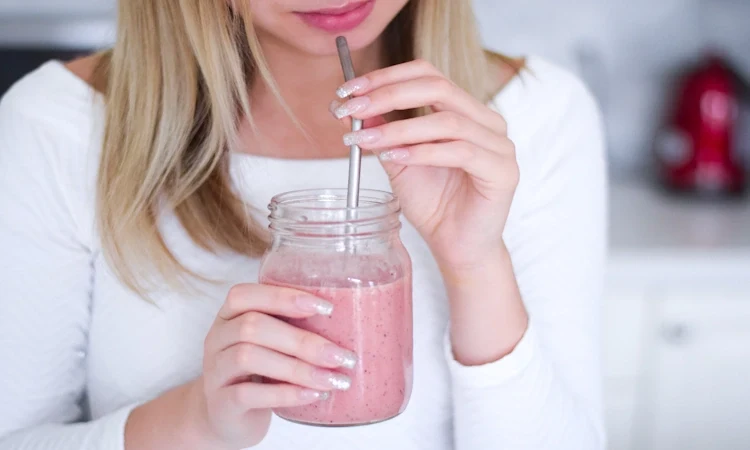
A smoothie can feel like the easiest “healthy” choice, until your blood sugar says otherwise. The difference usually comes down to balance, not willpower.
In a balanced smoothie, you’re aiming for steadier energy, fewer spikes, and a drink that actually keeps you full. That means pairing fiber plus protein plus healthy fat, keeping portions realistic, and picking lower-sugar fruits more often than not.
Weight Loss Programs

Diet & Weight Loss
Old School New Body – Transformative Fitness & Nutrition Program
Diet & Weight Loss
Diet & Weight Loss
Diet & Weight Loss
This article shares a simple build-a-smoothie method and seven practical recipes you can repeat. If you use insulin or medicines that can cause lows, check in with your clinician or diabetes educator before changing your usual breakfast or snack routine.
The simple formula for a Diabetic-Friendly Smoothie that keeps blood sugar steadier
A smoothie is basically a meal in a cup. That’s helpful, but it also means small ingredient changes can shift how your body responds. The goal is not “zero carbs.” The goal is carbs that come with brakes, like fiber, protein, and fat.
Here’s a reliable order that works for many people:
- Start with protein (your anchor): Greek yogurt, cottage cheese, tofu, or an unsweetened protein powder.
- Add fiber: chia, ground flax, oats (small amount), or even veggies like spinach or cauliflower rice.
- Choose fruit wisely: berries first, then apple or citrus, then tropical fruit in smaller amounts.
- Add healthy fat: nut butter, avocado, or a few nuts.
- Finish with flavor: cinnamon, cocoa, vanilla, lemon or lime, and a pinch of salt.
This approach supports smoothies for blood sugar control because it slows digestion. As a result, glucose tends to rise more gently for many people. It also helps with smoothies for insulin resistance since protein and fiber can improve fullness, which often helps with portion control. American Diabetes Association has practical nutrition tips here: diabetes food-nutrition
Watch out for the common smoothie traps:
- Fruit-only blends: even “natural” sugar adds up fast when it’s blended.
- Juice as the base: it’s easy to drink the sugar of several fruits in minutes.
- Sweetened yogurt or flavored milk: “vanilla” often means added sugar.
- Oversized servings: a 24-ounce cup can turn a snack into a sugar rush.
If your smoothie feels “healthy” but you’re hungry an hour later, it often needs more protein, fiber, or fat, not more fruit.
Pick your base: unsweetened, creamy, and low sugar
Your liquid sets the tone. Start with unsweetened options most of the time, and read labels carefully. “No sugar added” matters, and flavored milks can hide added sugar even when they sound wholesome.
Good bases include unsweetened almond milk, unsweetened soy milk, dairy milk, plain kefir, or water plus ice. Water sounds too simple, yet it works when you already have a creamy protein (like yogurt or tofu). Kefir can add a tangy taste and extra protein, but check the carton, since many versions are sweetened.
Protein varies by base. Dairy milk and soy milk often bring more protein than almond milk or coconut milk. That doesn’t make almond milk “bad.” It just means you may want to add a bit more protein elsewhere.
Balance carbs with protein, fiber, and healthy fats
To turn a smoothie into a filling mini-meal, pick at least one strong protein, then add fiber and fat for staying power.
Easy, realistic options:
- Greek yogurt or cottage cheese: about 1/2 to 1 cup, depending on hunger.
- Silken tofu: about 1/2 cup for creaminess without much sugar.
- Unsweetened protein powder: one scoop if you tolerate it well.
- Chia or ground flax: 1 tablespoon adds fiber fast.
- Nut butter: 1 tablespoon adds fat and flavor.
- Avocado: 1/4 to 1/2 gives a thick texture and a “steady” finish.
Portion cues can keep it simple. Use a handful of berries, a tablespoon of seeds or nut butter, and about a cup of a protein base. Then adjust based on your numbers and your hunger.
7 Diabetic-Friendly Smoothie recipes for balance (with easy swaps)
Each recipe below uses grocery-store basics and keeps the ingredient list short. They also fit well with low glycemic smoothie recipes when you stick to the portions and skip added sugars.
Berry Greek Yogurt Crunch (high protein, high fiber)
Ingredients
- Plain Greek yogurt
- Frozen mixed berries
- Chia seeds
- Cinnamon
- Unsweetened milk
- Ice
- Optional: a few walnuts
Steps
- Add milk, yogurt, berries, chia, and cinnamon to a blender.
- Blend until thick, then add ice to reach your texture.
- Top with walnuts if you want extra crunch.
Why it works: Protein plus berries and chia help slow the rise.
Swap: Use plain soy yogurt plus a scoop of unsweetened protein if dairy-free. Tip: frozen berries help you skip juice.
Green Peanut Butter Protein Smoothie that tastes like dessert
Ingredients
- Unsweetened milk
- A big handful of spinach
- Natural peanut butter
- Small banana (or half)
- Ground flax
- Vanilla extract
- Ice
Steps
- Blend milk and spinach first, so it turns fully smooth.
- Add peanut butter, banana, flax, vanilla, and ice, then blend again.
Why it works: This Diabetic-Friendly Smoothie keeps banana modest, and balances it with fat, fiber, and protein.
Swap: Use almond butter, or unsweetened powdered peanut butter if you want it lighter. Keeping the banana small supports smoothies for blood sugar control.
Chocolate Cherry Kefir Shake (tart, creamy, no sugar added)
Ingredients
- Plain kefir (unsweetened)
- Frozen tart cherries
- Unsweetened cocoa powder
- Chia seeds
- Pinch of salt
- Ice
Steps
- Blend kefir, cherries, cocoa, chia, and salt until smooth.
- Add ice and blend briefly for thickness.
Why it works: Tart cherries give flavor without needing syrup, and kefir adds protein.
Swap: Use plain Greek yogurt plus a splash of water if kefir isn’t available. Also, check labels carefully, since many “fruit” kefirs are sweetened.
Apple Pie Cinnamon Oat Smoothie for a slow, steady morning
Ingredients
- Unsweetened milk
- One small apple (chopped or grated)
- Rolled oats (small handful)
- Cinnamon
- Greek yogurt or silken tofu
- Chia seeds
- Ice
Steps
- Blend milk, yogurt (or tofu), apple, oats, cinnamon, and chia.
- Add ice and blend again until creamy.
Why it works: Oats and chia slow digestion, while protein keeps it filling.
Swap: Use cauliflower rice to lower carbs while keeping volume. This fits low glycemic smoothie recipes when portions stay modest and protein is included.
Tropical Avocado Lime Smoothie (creamy without lots of fruit)
Ingredients
- Avocado (about 1/4 to 1/2)
- Lime juice
- Unsweetened coconut milk (carton) or almond milk
- Small amount of pineapple or mango
- Optional: spinach
- Ice
Steps
- Blend milk, avocado, lime, and a small portion of tropical fruit.
- Add spinach (if using) and ice, then blend until thick.
Why it works: Avocado adds richness, so you don’t need much fruit.
Swap: Add cucumber for more volume with fewer carbs. Tropical fruit can still fit, just keep the portion smaller and balance it.
Strawberry Cheesecake Smoothie (sweet taste, steady finish)
Ingredients
- Cottage cheese or plain Greek yogurt
- Frozen strawberries
- Vanilla extract
- Lemon zest (optional, but bright)
- Chia or ground flax
- Unsweetened milk
- Ice
Steps
- Blend milk, cottage cheese (or yogurt), strawberries, vanilla, and chia.
- Add lemon zest and ice, then blend again.
Why it works: This is one of the high protein diabetic smoothies that still tastes like a treat.
Swap: Use silken tofu plus unsweetened protein powder if dairy-free.
Coffee Protein Smoothie for afternoons (no added sugar needed)
Ingredients
- Cold brew coffee (plain)
- Plain Greek yogurt or unsweetened protein powder
- Almond butter
- Cinnamon
- Unsweetened milk
- Ice
Steps
- Blend coffee, milk, yogurt (or protein), almond butter, and cinnamon.
- Add ice and blend until frothy.
Why it works: Protein and fat help coffee feel like a snack, not a jittery shortcut.
Swap: Use decaf or caffeine-free coffee. If caffeine affects sleep or appetite, keep this earlier in the day.
Make smoothies work in real life: portions, prep, and tracking what your body does
Even the best recipe needs a plan. The biggest wins usually come from three habits: realistic portions, quick prep, and a simple way to watch your response.
Start by treating a smoothie as either a snack or a mini-meal. If it’s a snack, keep it smaller and simpler. If it’s breakfast, build it out with more protein and fiber. Many healthy smoothies for diabetics fail because they’re “healthy” on paper but too large in real life.
If you monitor your glucose, run a small experiment. Check before you drink it, then check again about 1 to 2 hours after (or follow the timing your clinician recommends). When numbers run higher than you’d like, change only one thing next time. For example, use less fruit, add more protein, add chia, or pour a smaller serving.
Think of your blender like a dimmer switch. You’re not flipping sugar “on” or “off,” you’re turning the spike down.
A practical bonus: make your go-to drink a repeatable Diabetic-Friendly Smoothie, not a different mix every day. Consistency makes it easier to learn what works for you.
Portion size is the hidden sugar, even with healthy ingredients
Start with 8 to 12 ounces. Drink it slowly, because blended food goes down fast. If you need more to feel satisfied, add protein or fiber first. Doubling fruit, oats, or milk can change the result more than most people expect.
If a smoothie doesn’t hold you, pair it with a small solid snack, like a hard-boiled egg or a handful of nuts. That’s often better than upsizing the smoothie.
Prep once, blend fast: freezer packs and smart add-ins
Freezer packs make weekday smoothies almost automatic. Add your measured fruit portion, spinach, and chia to a bag, then label the date. Keep protein items (yogurt, kefir, tofu, powder) separate until blending, so textures stay better.
For extra flavor without turning to sweeteners, keep a few add-ins on hand: cinnamon, unsweetened cocoa, lemon or lime, fresh ginger, and a spoon of nut butter. These also help with no sugar added smoothie recipes because they bring strong taste without syrup or honey.
Conclusion
Balance matters more than being “perfect” when you make smoothies. In this smoothie guide, mix protein, fiber, and healthy fat with a reasonable amount of fruit, so you get steadier energy and feel full longer.
Pick one recipe from this list and make it for three days. Notice your hunger, your mood, and your blood sugar response if you track it. Then adjust one variable at a time, because that’s how you learn what works.
Save the recipes, stock five staples (unsweetened milk, Greek yogurt or tofu, frozen berries, chia, and nut butter), and talk with a clinician if you’re dealing with frequent highs or lows. Your best routine is the one you can repeat with confidence.

The AnySmoothie team is all about smarter smoothie recipes made with whole-food ingredients. Everything we share centers on balanced nutrition, steady energy, and low-glycemic choices, so you can sip a smoothie that keeps you full, feels good, and helps you avoid sugar crashes.
- Disclaimer: This content is for educational use only. These smoothie recipes and nutrition details aren’t a substitute for medical advice from a licensed health professional. Please read our full Medical Disclaimer here.
Dietary Supplements
Dietary Supplements
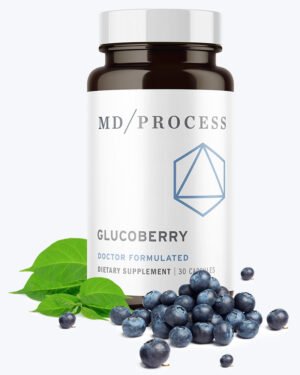
GlucoBerry – Daily Support for Healthy Blood Sugar and Energy
Dietary Supplements
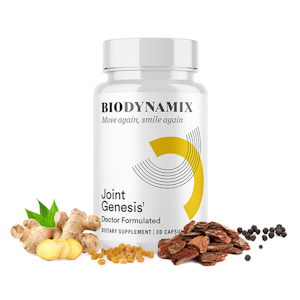
Joint Genesis – Daily Support for Comfortable, Confident Movement
Dietary Supplements
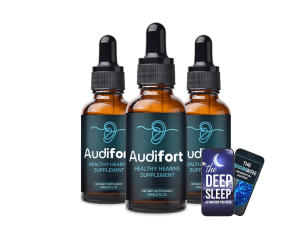
Audifort – Daily Support for Brain Clarity and Comfortable Hearing
Dietary Supplements