
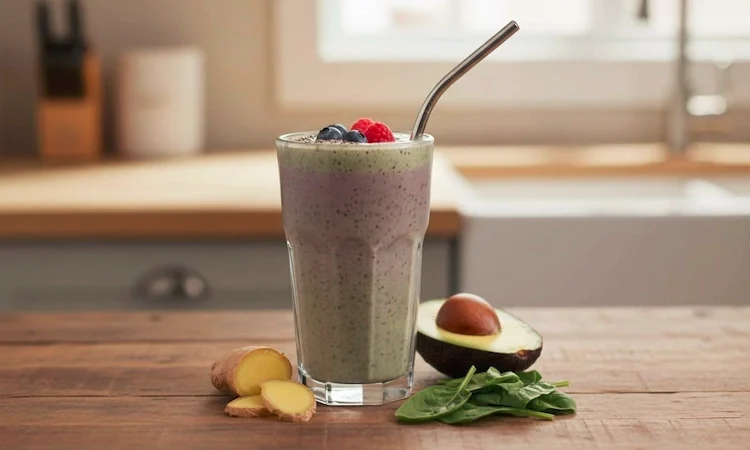
Busy mornings don’t leave much room for guesswork, especially when your stomach feels off or your energy crashes by 10 a.m. That’s where anti inflammatory smoothies recipes can help, they’re quick, filling, and easy to make taste good.
“Anti-inflammatory” is just a plain way to describe foods that may help calm ongoing body irritation. Think colorful fruits and veggies, omega-3-rich add-ins, and spices like ginger and turmeric, paired with steady protein and fiber so you’re not running on sugar.
Weight Loss Programs

Diet & Weight Loss
Diet & Weight Loss
BellyFlush™ – Gut Cleanse and Digestive Detox for Weight Support
Diet & Weight Loss
Diet & Weight Loss
In this post, you’ll find simple, tasty blends you can make in about five minutes, using common grocery staples. The goal is real-life support for common concerns like less bloating, steadier energy, and better joint comfort, without big claims or complicated rules.
You can also tweak every smoothie to fit how you eat. Swap in dairy-free milk or yogurt, stick to gluten-free add-ins, or keep it lower-sugar by using berries, greens, and unsweetened liquids. If you’ve tried smoothies before and felt hungry soon after, these recipes focus on balance so they actually hold you over.
What makes a smoothie anti-inflammatory (and what to limit)
The best anti inflammatory smoothies recipes have a simple theme, colorful plants plus fiber, healthy fats, and smart protein, with spices for extra flavor. That combo helps keep your blood sugar steadier and gives your body a steady stream of helpful plant compounds (like polyphenols) instead of a quick sugar rush.
Think of it like building a campfire. Fruit and veggies are the logs, protein and fat help it burn slow, and spices are the spark that makes it feel satisfying.
Anti-inflammatory all-stars to add often
You don’t need every “superfood” in one cup. Pick a few from this list and rotate them based on taste and what you have.
- Berries (1 cup): Packed with antioxidants and fiber, they give sweetness with less sugar than many fruits.
- Cherries (1/2 to 1 cup, frozen is easy): Rich in polyphenols that support recovery and joint comfort.
- Leafy greens (1 to 2 handfuls spinach or kale): Adds fiber and micronutrients with very little sugar.
- Pineapple (1/2 cup): Brings bright flavor and natural enzymes, it’s great in small amounts.
- Beets (1/2 cup cooked or 1 small beet): Colorful nitrates and antioxidants, plus earthy sweetness.
- Avocado (1/4 to 1/2): Creamy texture and healthy fats that make smoothies more filling.
- Extra-virgin olive oil (1 teaspoon to 1 tablespoon): A simple way to add monounsaturated fats and polyphenols, especially in green smoothies.
- Chia, flax, or hemp (1 tablespoon): Adds fiber and plant omega-3s for a thicker, more satisfying blend.
- Walnuts (1 to 2 tablespoons, or a small handful): More omega-3s plus a rich, nutty taste.
- Ginger (1/2 to 1 teaspoon, fresh grated): Zippy flavor and natural compounds linked with a calmer gut.
- Turmeric (1/4 to 1/2 teaspoon): Warm, earthy spice known for curcumin, pair with a pinch of black pepper if you like.
- Cinnamon (1/4 to 1/2 teaspoon): Adds sweetness without sugar and pairs well with berries or cacao.
- Cacao (1 tablespoon unsweetened): Chocolatey and rich in plant antioxidants, great with cherries or banana.
- Green tea (cooled, 1/2 to 1 cup): A polyphenol boost in place of juice or milk.
- Kefir or yogurt (1/2 to 3/4 cup, if tolerated): Protein plus probiotics for many people, choose unsweetened when possible.
If you want a few ingredient ideas in one place, this overview of anti-inflammatory smoothie ingredients is a helpful reference.
Smoothie add-ins that can backfire
Smoothies can feel “healthy” while still acting like dessert. The usual issue is too much added sugar, especially when the fiber got left behind.
A few common culprits:
- Lots of juice: It’s easy to pour 12 ounces without noticing; you get sugar without the filling fiber of whole fruit.
- Sweetened yogurt: Flavored cups can add more sugar than you’d expect, stick to plain when you can.
- Flavored protein powders: Some taste great but carry added sugars or sugar alcohols that can upset digestion.
- Big amounts of honey or agave: A teaspoon is different than a big squeeze, measure once so you learn what you like.
- Sugary granola: It adds crunch but can turn a smoothie into a high-sugar snack fast.
Also, your triggers are personal. Some people feel better with less dairy, others do fine with kefir. Same with caffeine, green tea can feel great or make you jittery. Adjust based on how you feel, not what’s trendy.
A simple formula for balanced smoothies every time
Use this template when you want a smoothie that tastes good and actually holds you over.
- Liquid (1 to 2 cups): Unsweetened milk, soy milk, kefir, or cooled green tea.
- Produce (1 to 2 cups): Aim for mostly low-sugar fruit (berries, cherries) plus greens.
- Protein (20 to 30 g): Protein powder, Greek yogurt, kefir, cottage cheese, or silken tofu.
- Healthy fat (1 to 2 tablespoons): Chia, flax, hemp, nut butter, walnuts, avocado, or olive oil.
- Spice boost: Ginger, turmeric, cinnamon, or cacao.
For thickness, use frozen fruit or a handful of ice. For flavor, a squeeze of lemon or lime, a splash of vanilla, or a tiny pinch of salt can make the whole thing taste more “finished.” For a simple example that uses beets, berries, and ginger, this anti-inflammatory smoothie recipe shows how those flavors can work together.
Anti inflammatory smoothies recipes you can make in 5 minutes
These anti inflammatory smoothies recipes are built for real life. They use frozen fruit, a short ingredient list, and simple add-ins (chia, flax, ginger, turmeric) that make the blend feel more like a meal than a sweet drink.
A quick tip before you start: add liquid first, then soft ingredients (yogurt, avocado), then frozen fruit and seeds. It blends faster, which keeps your five-minute promise.
Berry Ginger Kefir Smoothie (gut-friendly)
Ingredients (1 large smoothie)
- 1 cup frozen mixed berries
- 3/4 cup plain kefir or plain yogurt
- 1/2 to 1 teaspoon fresh grated ginger (or 1/4 teaspoon ground)
- 1 tablespoon chia seeds
- 1/2 to 3/4 cup water or milk (to thin)
Steps
- Add water or milk to the blender, then kefir or yogurt.
- Add berries, ginger, and chia.
- Blend 30 to 45 seconds until smooth, then adjust thickness with a splash more liquid.
Swap
- Dairy-free: Use unsweetened coconut yogurt plus water.
- Lower-sugar: Use more raspberries than blueberries, add a big handful of spinach (it disappears).
- If you want more on probiotic foods, this University of Arizona overview is a solid read: Top 5 Probiotic Foods for Gut Health.
Golden Turmeric Mango Smoothie (classic anti-inflammatory spice)
Ingredients
- 1 cup frozen mango (or 1/2 cup mango plus 1/2 cup frozen cauliflower rice)
- 1/2 teaspoon turmeric
- Tiny pinch of black pepper
- 1/4 teaspoon cinnamon
- 3/4 cup plain Greek yogurt (or vanilla protein)
- 3/4 to 1 cup unsweetened almond milk
Steps
- Pour almond milk in first, then add yogurt or protein.
- Add mango (and cauliflower, if using), turmeric, pepper, and cinnamon.
- Blend until creamy, scrape once if needed.
Swap
- Lower-sugar: Do the half mango plus cauliflower rice option.
- Dairy-free: Use a dairy-free protein powder and a thicker plant milk.
- Mild flavor tip: Add 1/4 teaspoon vanilla extract to soften the spice.
- Turmeric can stain, so rinse your blender right away. If you’re curious why pepper is often paired with turmeric, this UMass Chan explainer is helpful: Using Black Pepper to Enhance the Anti-Inflammatory Effects of Turmeric.
Tart Cherry Vanilla Smoothie (post-workout support)
Ingredients
- 1 cup frozen tart cherries
- 1 small banana (or 1/2 banana for lower sugar)
- 3/4 cup Greek yogurt or vanilla protein
- 1 tablespoon ground flaxseed
- 1/2 to 1 cup water or milk (to blend)
- Optional: 1 handful spinach
Steps
- Add liquid and yogurt or protein to the blender.
- Add cherries, banana, flax, and spinach (if using).
- Blend until thick and smooth, about 45 to 60 seconds.
Swap
- Nut-free liquid options: Dairy milk, soy milk, oat milk, or water all work.
- Caffeine-free note: No tea or coffee here, so it’s a good late-day recovery smoothie.
- Want more context on tart cherries and athletic recovery? This review is a useful starting point: Tart Cherry Juice in Athletes: A Literature Review.
Pineapple Green Smoothie with Ginger and Lime (bloat-friendly)
Ingredients
- 1/2 to 3/4 cup frozen pineapple
- 1 to 2 cups spinach (or a smaller handful of kale)
- 1/2 teaspoon fresh grated ginger
- Juice of 1/2 lime
- 1/2 cup cucumber (chopped)
- 1 tablespoon hemp seeds
- 3/4 to 1 cup water or coconut water (unsweetened)
Steps
- Add water first, then greens and cucumber to help everything catch the blades.
- Add pineapple, ginger, lime juice, and hemp seeds.
- Blend 45 to 60 seconds until the greens fully break down.
Swap
- Too tangy fix: Add 1/2 banana to round it out.
- Low-FODMAP note: If your stomach is sensitive, use a smaller pineapple portion and add more cucumber or spinach for volume.
- Nut-free: This one is naturally nut-free.
Creamy Avocado Cacao Smoothie (healthy fats, low added sugar)
Ingredients
- 1/2 avocado
- 1 tablespoon unsweetened cocoa powder
- 1/4 teaspoon cinnamon
- 1 date (optional, for a hint of sweetness)
- 1 cup milk of choice
- Optional: 1 scoop unflavored or chocolate protein
Steps
- Add milk, avocado, cocoa, cinnamon, and date (if using).
- Blend until silky, about 30 to 45 seconds.
- Taste, then add a splash more milk if it’s too thick.
Swap
- Nut-free version: Use oat milk or dairy milk.
- Lower-sugar: Skip the date, or use just 1/2.
- Chocolate flavor boost: Add a tiny pinch of salt, it makes the cocoa taste deeper.
Beet Berry Blend (heart-healthy colors)
Ingredients
- 1/2 cup cooked beets (or vacuum-packed cooked beets)
- 1 cup blueberries (frozen is fine)
- 1/2 orange (peeled) or 1/2 teaspoon orange zest
- 3/4 cup plain yogurt
- 1 tablespoon chia seeds
- 1/2 to 3/4 cup water (as needed)
Steps
- Add water and yogurt to the blender.
- Add beets, blueberries, orange, and chia.
- Blend until fully smooth, 60 seconds, beets need a little time.
Swap
- Prevent earthy taste: Add more berries, or squeeze in a little lemon juice.
- Dairy-free: Use coconut yogurt plus water.
- Heads-up: pink or red urine can happen after beets, it’s a normal effect for many people.
Matcha Peach Oat Smoothie (calm energy)
Ingredients
- 1 cup frozen peaches
- 1/2 teaspoon matcha (start small)
- 2 tablespoons rolled oats
- 1 tablespoon ground flaxseed
- 1 cup milk of choice
- Optional: pinch of cinnamon
Steps
- Add milk, matcha, oats, and flax to the blender first.
- Add frozen peaches.
- Blend 45 to 60 seconds until the oats fully disappear.
Swap
- Caffeine-free swap: Skip matcha, add a handful of spinach plus 1/4 teaspoon vanilla.
- Gluten-free note: Use certified gluten-free oats if needed.
- For a quick overview of matcha’s possible benefits, see: Matcha: A look at possible health benefits.
Apple Cinnamon Walnut Smoothie (fiber-forward)
Ingredients
- 1 apple (with skin), cored and chopped
- 3/4 cup plain yogurt
- 1/4 to 1/2 teaspoon cinnamon
- 2 tablespoons walnuts (or sunflower seeds)
- 1/2 to 3/4 cup water or milk
- 1 cup ice
Steps
- Add liquid and yogurt first.
- Add apple, cinnamon, walnuts, and ice.
- Blend longer than you think, about 60 to 75 seconds, for a smoother texture.
Swap
- Nut-free: Use sunflower seeds.
- Lower-sugar: Use a small apple and add a handful of spinach.
- Dairy-free: Use a thick plant yogurt plus water.
Strawberry Basil Smoothie with Olive Oil (Mediterranean style)
Ingredients
- 1 1/2 cups frozen strawberries
- 3/4 cup plain yogurt
- 4 to 6 fresh basil leaves
- Juice of 1/2 lemon
- 1 teaspoon extra-virgin olive oil (start here)
- 1/2 to 3/4 cup water (to blend)
Steps
- Add water and yogurt to the blender.
- Add strawberries, basil, lemon juice, and olive oil.
- Blend until bright and creamy, 45 seconds, then taste and adjust lemon.
Swap
- Dairy-free: Coconut yogurt plus water works well with basil.
- Lower-sugar: Keep it strawberry-only (skip banana add-ins) and use unsweetened yogurt.
- Olive oil works because fat helps your body absorb certain plant nutrients, plus it makes the texture feel richer. Start with 1 teaspoon, more can taste greasy. For a practical explanation, see: Morning Juices and Smoothies, and How to Get the Most Out of Them.
How to customize anti inflammatory smoothies for your goals
The best anti inflammatory smoothies recipes work because they’re flexible. Once you understand the “knobs” you can turn (protein, fat, fiber, and sweetness), you can build a smoothie that fits your day instead of guessing and hoping you stay full.
A quick way to think about it: fruit is the spark, but protein and fat are the slow-burning fuel. Adjust those first, then fine-tune the flavor with spices, citrus, and a pinch of salt.
For steady energy and fewer cravings: balance carbs with protein and fat
If your smoothie leaves you hungry an hour later, it usually needs more protein and a bit more fat. The goal is simple: keep the flavor you like, and make the blend act more like a meal.
Easy protein adds (choose 1):
- Greek yogurt (plain): thick, tangy, and usually higher protein
- Kefir (plain): drinkable and easy to blend
- Silken tofu: mild flavor, creamy texture, dairy-free
- Protein powder: pick one you tolerate, start with half a scoop if you’re new
Easy fat adds (choose 1):
- Chia seeds or ground flaxseed: thickens and adds omega-3s
- Avocado: creamy and mild, great in berry or cacao blends
Two quick “before and after” upgrades:
- Before (fruit-only): 1 banana + 1 cup mango + 1 cup orange juice
After (balanced): 1/2 banana + 1/2 cup mango + 3/4 cup plain Greek yogurt + 1 tbsp chia + water or unsweetened milk
Result: still sweet and tropical, but steadier and more filling. - Before (sweet snack): 2 cups strawberries + 1 cup apple juice
After (meal-like): 1 1/2 cups strawberries + 1 cup spinach + 3/4 cup kefir + 1 tbsp ground flax + squeeze of lemon
Result: bright and refreshing, with less of a sugar spike.
For sensitive digestion: gentle ingredients and smart portions
A smoothie can look “clean” and still feel rough on your stomach. Common troublemakers include too much raw kale, big fruit portions (especially when blended fast and gulped), lots of sugar alcohols in some powders, or stacking too much fiber at once.
Try these gentle tweaks first:
- Swap greens: use spinach instead of kale (softer taste, often easier to tolerate).
- Choose easy produce: peeled cucumber, zucchini, or frozen cauliflower rice for volume without a big sugar hit.
- Keep banana small: use 1/2 banana (ripe is easier to blend and tends to be gentler).
- Start low with seeds: begin with 1 tablespoon chia or flax, not 2 to 3 tablespoons.
If you follow a low-FODMAP approach, simple swaps can help, like using berries instead of large servings of mango, and choosing lactose-free yogurt or a dairy-free base if lactose bothers you. The most helpful habit is tracking, even for a week. Notice what changes when you adjust one ingredient at a time, especially sweeteners, powders, and high-fiber add-ins.
For weight goals: make it filling without turning it into dessert
For weight goals, the sweet spot is high volume + solid protein, with sweetness coming mostly from berries or a small amount of fruit. You want it satisfying, not a milkshake.
A simple build that works with many anti inflammatory smoothies recipes:
- Volume boosters: frozen cauliflower rice, frozen zucchini, spinach
- Protein anchors: plain Greek yogurt, plain skyr, kefir, or an unflavored protein powder
- Lower-sugar fruit: berries and tart cherries
Keep added sweeteners optional. If it tastes flat, try cinnamon, vanilla extract, citrus, or a pinch of salt before adding honey.
Two practical guardrails:
- Serving size: aim for 12 to 16 oz for most people. Bigger smoothies can quietly become two servings.
- Mindful add-ins: nut butters, coconut cream, and oils can raise calories fast. Measure once (even 1 tablespoon) so your “healthy” smoothie doesn’t turn into dessert in a cup.
If you want more ideas for keeping smoothies lighter while still filling, this EatingWell plan has useful structure and portioning tips: https://www.eatingwell.com/gallery/8037600/30-day-smoothie-plan-for-weight-loss/.
Shopping, prep, and storage tips that make smoothie habits stick
If you want anti inflammatory smoothies recipes to become a habit, don’t rely on willpower at 7 a.m. Set up a simple system: buy a short list of repeat staples, prep a few freezer packs, and store blends safely so you can actually use what you buy.
The anti-inflammatory smoothie grocery list (mix and match)
Keep this list tight, then mix and match based on what you already like.
- Frozen fruit: mixed berries, tart cherries, mango chunks, pineapple (use smaller portions), sliced peaches
- Greens: baby spinach (mild), chopped kale (use less), frozen riced cauliflower (for volume)
- Liquids: unsweetened almond milk, soy milk, dairy milk, coconut water (unsweetened), cooled green tea
- Proteins: plain Greek yogurt, plain kefir, silken tofu, unflavored or low-sugar protein powder
- Fats: chia seeds, ground flaxseed, hemp hearts, avocado (fresh or frozen chunks), walnuts, extra-virgin olive oil
- Spices: cinnamon, turmeric, ginger (fresh or ground), cocoa powder (unsweetened), black pepper (tiny pinch with turmeric)
- Flavor boosters: lemons or limes, vanilla extract, orange zest, basil or mint
If you want a broader, food-first list to pull from, Mayo Clinic Health System has a solid guide to groceries that may help ease chronic inflammation.
Freezer smoothie packs and make-ahead shortcuts
Freezer packs turn smoothie-making into “dump, blend, go.” Portion produce and spices now, so mornings stay easy.
A simple pack formula (1 smoothie):
- 1 to 1 1/2 cups frozen fruit
- 1 handful greens (spinach freezes well)
- 1 tablespoon chia or ground flax
- 1/2 teaspoon ginger and/or 1/4 teaspoon turmeric (optional)
How to pack them: Use freezer bags or reusable containers. Press out air, label with the flavor, and freeze flat so they stack.
What not to freeze: most liquids (they take space), citrus juice (better fresh), and yogurt unless you freeze it in cubes. If you like yogurt in packs, spoon plain yogurt into an ice cube tray and freeze, then add 3 to 4 cubes per smoothie.
How long packs last: best within 1 to 3 months for flavor and texture (they’re usually safe longer, but quality drops).
5-minute morning routine
- Add 3/4 to 1 cup liquid to the blender first.
- Add yogurt or protein (if using).
- Dump in the freezer pack.
- Blend 45 to 60 seconds, add a splash of liquid if needed.
Fast blender cleaning: Fill the blender halfway with warm water, add a drop of dish soap, blend 10 seconds, rinse.
Common smoothie problems and easy fixes
Small tweaks fix most smoothie issues fast.
- Too bitter: add a squeeze of lemon or lime, add berries, or add 1/4 teaspoon vanilla. Also try less kale and more spinach.
- Too thin: add more frozen fruit, 1 tablespoon chia, or 2 tablespoons oats, then blend again.
- Too thick: add liquid slowly, 1 to 2 tablespoons at a time, and pulse between additions.
- Gritty seeds: blend longer (60 to 90 seconds), or soak chia in your liquid for 5 minutes before blending.
- Turmeric taste too strong: use less (start at 1/8 teaspoon), add ginger and vanilla, and keep fruit bright (mango or pineapple in smaller amounts).
Food safety note: Don’t leave dairy-based smoothies sitting out. If it has yogurt or kefir, drink it right away or refrigerate it in a sealed container and finish within 24 hours.
Conclusion
The best anti inflammatory smoothies recipes stay simple: start with colorful fruits and veggies, then make them meal-like with fiber, protein, and healthy fats. Add ginger, turmeric, cinnamon, or cacao for flavor, and keep added sugar low by leaning on berries, tart cherries, greens, and unsweetened liquids.
If you want this to stick, don’t try all 10 at once. Pick two smoothies you actually want to drink, make them a few times this week, then rotate ingredients so you don’t get bored. Frozen fruit, spinach, chia or flax, and a plain protein base (yogurt, kefir, tofu, or a low-sugar powder) cover most mornings without much effort. The goal is consistency, not perfection.
A quick safety note: if you have allergies, you’re pregnant, or you manage a medical condition, check with your clinician before making big diet changes. That matters even more if you use supplements or concentrated add-ins like turmeric, matcha, or herbal powders.
Try one recipe this week, then save a simple shopping list so next week is even easier.

The AnySmoothie team is all about smarter smoothie recipes made with whole-food ingredients. Everything we share centers on balanced nutrition, steady energy, and low-glycemic choices, so you can sip a smoothie that keeps you full, feels good, and helps you avoid sugar crashes.
- Disclaimer: This content is for educational use only. These smoothie recipes and nutrition details aren’t a substitute for medical advice from a licensed health professional. Please read our full Medical Disclaimer here.
Dietary Supplements
Dietary Supplements
GlucoBerry – Daily Support for Healthy Blood Sugar and Energy
Dietary Supplements
Dietary Supplements

Dietary Supplements