
The minutes after training matter more than most people think. Your muscles are open to refill glycogen, move nutrients into cells, and start repair, which is the perfect setup for metabolic priming.
That is why recovery smoothies work so well. They deliver carbs, protein, fluids, and electrolytes in one easy drink, without a heavy meal slowing things down.
The goal is simple: support the body’s normal recovery signals with the right mix of fuel.
The priming window: why your post-workout smoothie matters
After exercise, muscle cells are more receptive to nutrients. Glucose moves in more easily, amino acids enter repair pathways faster, and insulin works with less resistance. That creates a short window where what you drink can have a bigger effect than usual.
This is where nutrient partitioning matters. Your body is more likely to send carbs toward muscle glycogen and amino acids toward repair, instead of leaving them sitting around unused. A recovery smoothie fits that moment because it is fast, easy to digest, and easy to dose.
How exercise makes muscles more ready to absorb nutrients
During training, GLUT4 transporters move to the muscle cell surface. That helps glucose enter muscle more efficiently, even before insulin rises much. Exercise also improves insulin sensitivity for a while after the session.
In plain terms, your muscles are more ready to soak up fuel right after work is done. A smoothie with the right carbs can match that state and support the glycogen refill process.
Why fast carbs and protein work better together
Carbs refill glycogen. Protein supplies amino acids for muscle protein synthesis. Put them together, and you support both energy restoration and tissue repair without making the process complicated.
Fast carbs plus clean protein are the core of most effective recovery smoothies for metabolic priming.
A higher-carb, higher-protein drink also gives the body a clear recovery signal. That matters after hard lifts, long runs, or mixed training sessions where recovery demand is high.
| Post-Workout Fuel | Speed of Glycogen Replenishment | Impact on Insulin Spiking | Efficiency in Muscle Protein Synthesis | Metabolic Priming Score |
|---|---|---|---|---|
| High-Fructose Fruit | Moderate, more liver-focused | Lower to moderate | Low unless paired with protein | 6/10 |
| High-Glucose / Maltodextrin | Fast, direct muscle support | Higher | Moderate when paired with amino acids | 9/10 |
| Amino Acid Isolates | No direct glycogen refill | Low to moderate | High | 7/10 |
Glucose-based sources are the best fit for rapid recovery of the GLUT4 pathway. Fruit still has a place, but it works best when you want a more balanced blend.
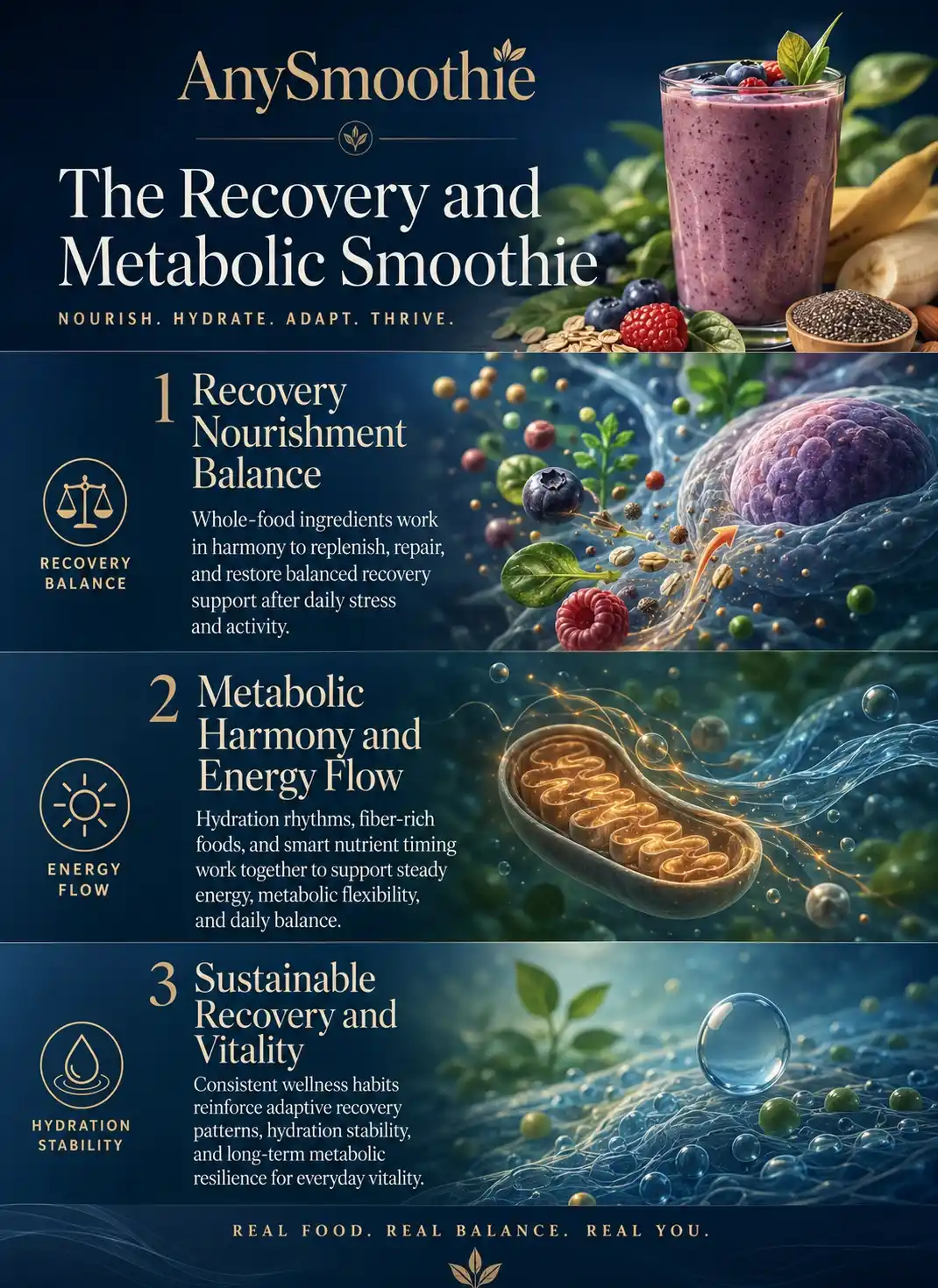
What goes into a metabolic recovery smoothie
A good recovery drink does three jobs at once. It restores fuel, supports repair, and replaces fluid losses from sweat.
The best formulas keep each ingredient useful. That means choosing a carb source that digests well, a protein that hits the bloodstream fast, and fluids that help rehydrate without bloating you.
Choose the right carbs for rapid glycogen resynthesis
For fast recovery, glucose, dextrose, and maltodextrin are strong options. They move quickly and work well when the goal is to refill muscle glycogen after hard or long sessions.
Fruit can work too, especially bananas, mango, and berries. Still, fruit-based carbs often digest more slowly because of fiber and water content. That is fine for lighter training days, but glucose-based carbs are better when speed matters.
Add a clean protein source to support muscle repair
Whey isolate is one of the easiest options because it digests fast and has a strong amino acid profile. Essential amino acid blends also work well, especially if you want something light.
Greek yogurt or skyr can fit too, but they slow the drink a bit. For a true recovery smoothie, digestion speed matters because the body is ready to use the amino acids right after training.
Use electrolytes, fluids, and polyphenols with purpose
Sweat loss changes fluid balance and sodium status fast. Adding water, milk, coconut water, or ice helps with hydration, while a pinch of salt helps restore sodium.
Polyphenol-rich add-ins can be useful too. Tart cherry and berries bring anthocyanins, which support recovery without turning the smoothie into a sugar bomb.
3 recovery smoothie formulas that support metabolic priming
These are simple, adjustable templates. Use them as a base, then scale the carbs and protein to match the workout you just finished.
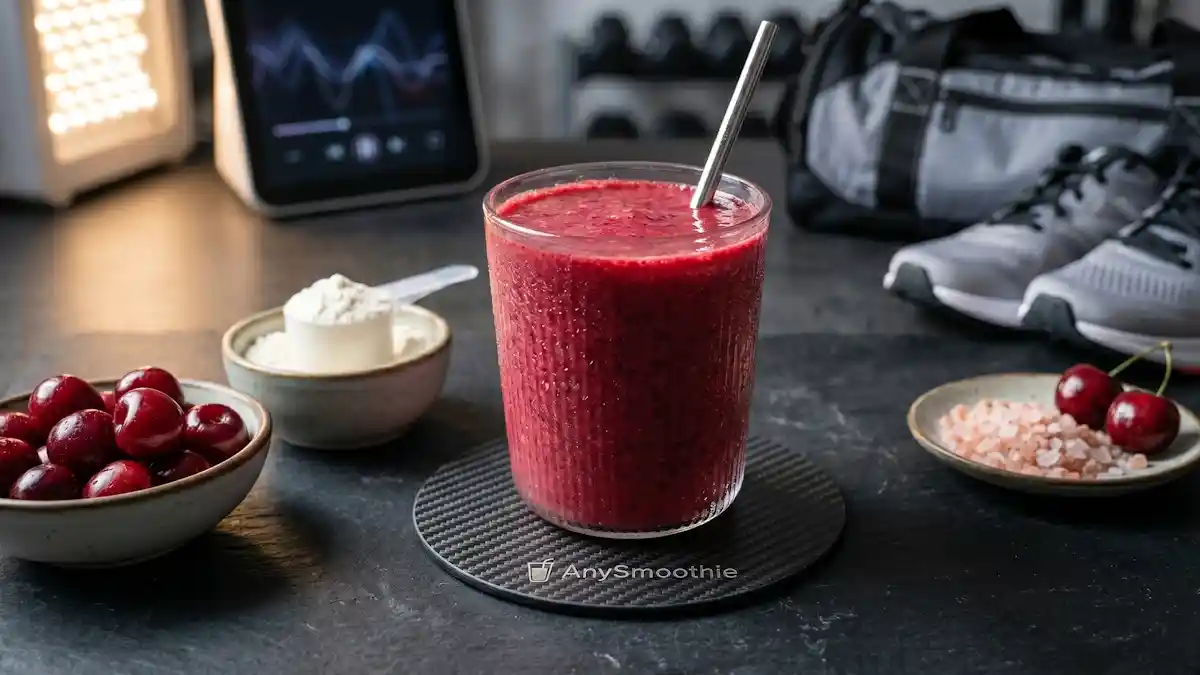
The Anabolic Fuel Blend With Whey Isolate, Tart Cherry, and Dextrose
Ingredients
- 1 scoop whey isolate
- 1 cup unsweetened tart cherry juice
- 1 tablespoon dextrose
- 10 ounces cold water
- ½ cup ice
- Small pinch of salt, optional
Pour the cold water and tart cherry juice into the blender first. Add the whey isolate, dextrose, ice, and salt if using. Blend briefly until smooth.
Whey isolate provides rapidly digested, high-quality protein that can support muscle protein synthesis after resistance exercise. Tart cherry juice and dextrose provide carbohydrates that can contribute to glycogen replenishment, while tart cherries also contain polyphenols studied in exercise-recovery contexts. The smoothie can complement post-training nutrition, but it should not be expected to accelerate recovery on its own.
Estimated Nutrition per Serving
- Calories: ~300 kcal
- Protein: ~26 g
- Carbohydrates: ~49 g
- Fat: ~1 g
- Fiber: ~0 g
- Sugars: ~43 g
A Balanced Berry and Banana Smoothie for Everyday Training Days
Ingredients
- 1 medium banana
- 1 cup mixed berries
- 1 scoop protein powder
- 1 cup low-fat milk
- Small pinch of salt
Pour the milk into the blender first. Add the banana, mixed berries, protein powder, and salt, then blend until creamy and smooth.
Protein powder and milk provide high-quality protein, while banana and berries contribute carbohydrates that can complement post-exercise glycogen replenishment. Berries also provide fiber and polyphenols. This combination can support recovery and daily energy needs as part of an adequate overall diet.
Estimated Nutrition per Serving
- Calories: ~430 kcal
- Protein: ~35 g
- Carbohydrates: ~66 g
- Fat: ~5 g
- Fiber: ~9 g
- Sugars: ~42 g
If I were making this after a moderate session, I’d leave out the optional oats and honey initially. The banana, berries, and milk already provide a substantial carbohydrate base, and they keep the texture lighter.
A Low-Fuss Coconut, Cacao, and Amino Acid Smoothie for Hydration Support
Ingredients
- 1 cup unsweetened coconut water
- 1 cup cold water
- 1 scoop essential amino acid powder, according to the product’s labeled serving
- 1 teaspoon unsweetened cacao powder
- ½ medium banana
- ½ cup ice
Pour the coconut water and cold water into the blender first. Add the essential amino acid powder, cacao, banana, and ice. Blend until smooth.
Coconut water provides fluid and electrolytes, particularly potassium, while the banana contributes carbohydrates and additional potassium. Essential amino acid supplements provide amino acids involved in muscle protein synthesis, although formulations vary and should be used according to the product label. This lighter smoothie can contribute to post-exercise fluid and nutrient intake without requiring a thick dairy-based shake.
Estimated Nutrition per Serving
- Calories: ~145 kcal
- Protein: ~8 g
- Carbohydrates: ~28 g
- Fat: ~1 g
- Fiber: ~3 g
- Sugars: ~17 g
Biohacking inflammation: supporting the body’s natural repair cycle
Training creates stress, and that stress is part of adaptation. The goal is not to erase it. The goal is to keep recovery efficient so the repair cycle can do its job.
Polyphenols from berries and tart cherry can support that process. They help manage oxidative stress from exercise, which is useful after hard sessions or back-to-back training days.
Electrolyte resaturation: restoring intracellular osmotic pressure
Sodium and potassium help move fluid where it belongs. After sweating, that matters as much as carbs and protein. A smoothie with fruit, dairy or coconut water, and a little salt can help restore fluid balance more smoothly than plain water alone.
The right amount depends on the workout. A 20-minute lift session needs less than a long run in summer heat. The key is to replace what you lost, not overload the drink.
Conclusion
The best recovery smoothies for metabolic priming are simple. They combine fast carbs, clean protein, fluids, and electrolytes so your body can refill glycogen and start repair with less friction. Keep the formula tied to the workout. Harder sessions call for faster carbs and more fluid, while lighter days can use a more balanced blend. That small adjustment keeps recovery practical, useful, and easy to repeat.
⚠️ Safety Notes for Post-Training Recovery Smoothies
Insulin Response Management: Recovery smoothies are designed to create an insulin spike to shuttle nutrients into muscles. If you are diabetic or have severe insulin resistance, this rapid glucose entry can be dangerous. Consult your endocrinologist to adjust your post-workout protocol.
Whey Protein and Kidney Health: While safe for most, individuals with pre-existing chronic kidney disease should monitor their total protein intake. Excessive nitrogen load from rapid-absorbing protein can place additional stress on compromised nephrons.
Dextrose and Oral Health: High-glucose liquids consumed frequently after training can contribute to dental caries. Rinse your mouth with water after drinking your recovery smoothie to neutralize the acidity and sugar.
Tart Cherry and Aspirin: Tart cherry juice has mild anti-inflammatory properties similar to NSAIDs. If you are on blood thinners or daily aspirin therapy, consult your doctor as it may slightly increase the risk of bleeding or gastric irritation.
Hyponatremia Risk: If you have exercised for over 2 hours in extreme heat and only drink a large, low-sodium smoothie, you risk hyponatremia (low blood sodium). Always include a significant pinch of high-quality sea salt or electrolytes in your recovery blend.
FAQ
What is “Metabolic Priming” in a recovery context
Metabolic priming is the strategic use of nutrients to shift the body’s state from catabolic (breakdown) to anabolic (building) as quickly as possible. This involves providing specific substrates that support the natural pathways of insulin signaling and mTOR activation. By “priming” the metabolism with a recovery smoothie, you optimize the physiological systems responsible for repairing tissues and replenishing energy stores, ensuring you are ready for the next performance.
Why is the type of carbohydrate important for post-workout recovery
After exercise, the body’s priority is to refill glycogen stores. Glucose-based carbohydrates (like those in dextrose or white rice) are metabolized differently than fructose. They trigger a targeted insulin response that activates the GLUT4 transporters in muscle cells. This biochemical mechanic ensures that the energy is partitioned directly into the muscles for recovery rather than being processed slowly by the liver, supporting metabolic efficiency.
How do Tart Cherries support the natural repair cycle
Tart cherries are rich in anthocyanins, which support the body’s natural pathways for managing oxidative stress induced by intense exercise. Unlike some antioxidants that can blunt the body’s adaptation to training, the compounds in tart cherries support the physiological systems involved in reducing muscle soreness while allowing the beneficial signaling for muscle growth to continue. This ensures a faster “functional recovery.”
Can I include collagen in a metabolic recovery smoothie
Yes. While whey or plant proteins provide the branched-chain amino acids (BCAAs) needed for muscle protein synthesis, collagen provides the specific amino acids—like glycine and proline—that support the structural integrity of tendons and ligaments. Including collagen in your recovery blend supports the physiological systems involved in total-body repair, ensuring both your muscles and your connective tissues recover in tandem.
Is timing critical for the Metabolic Priming smoothie
While the “anabolic window” is broader than previously thought, consuming your recovery blend within 45 to 60 minutes post-exercise maximizes metabolic priming. During this period, muscle cells are most sensitive to insulin and nutrient uptake. Providing the body with a bioavailable, liquid source of fuel at this time optimizes the natural transition into the repair phase, supporting long-term mitochondrial priming and physical resilience.

Medical Disclaimer: AnySmoothie content is for educational purposes only and is not a substitute for professional medical advice. Consult a healthcare provider for personalized guidance. See our full Disclaimer & Terms of Use. AI Transparency: AnySmoothie may use AI to support content development. All content undergoes human editorial review for accuracy, clarity, and editorial quality. See our full AI Transparency.