
Improving digestion does not have to feel complicated or restrictive. Simple, fiber-packed meals can support regularity, help you feel satisfied, and keep your gut working the way it should. When you build meals around whole grains, beans, vegetables, fruits, nuts, and seeds, you get a mix of both soluble and insoluble fiber that supports a healthy digestive system.
This guide walks through 6 fiber-rich meals to improve digestion naturally, with practical and realistic combinations you can enjoy on busy weekdays or slow weekends. Each meal idea focuses on whole foods, steady energy, and a balance of textures and flavors that make eating more satisfying. The goal is to show how easy it can be to build digestion-friendly plates from everyday ingredients you can find in any grocery store.
Weight Loss Programs
Diet & Weight Loss

Diet & Weight Loss
Diet & Weight Loss

Diet & Weight Loss
For a deeper look at what counts as high fiber, you can review the list of high-fiber foods from Mayo Clinic, which covers fruits, vegetables, grains, beans, peas, and lentils in more detail.
1. Hearty Lentil & Vegetable Stew With Whole-Grain Bread
A warm lentil and vegetable stew is one of the most reliable fiber-rich meals to improve digestion naturally. Lentils contain a mix of soluble and insoluble fiber, which supports gut health and steady digestion. When you pair them with a variety of vegetables and a slice of whole-grain bread, you get a meal that feels both comforting and balanced.
A basic lentil stew usually starts with onions, carrots, and celery, then layers in garlic, tomatoes, and broth. Adding extra fiber-rich vegetables, such as kale, spinach, or chopped cabbage, can boost the fiber content even more. These leafy greens are known to support digestion and provide vitamins like folate and vitamin K, as explained in this guide on foods to improve your digestion from Johns Hopkins Medicine.
Whole-grain bread on the side adds another fiber boost and helps round out the meal. Choosing bread that lists whole wheat, oats, or another whole grain as the first ingredient will usually provide more fiber per slice than refined white bread. The combination of protein from lentils, complex carbohydrates from grains, and fiber from vegetables creates a steady, satisfying meal that supports regular bowel movements and keeps you full for hours.
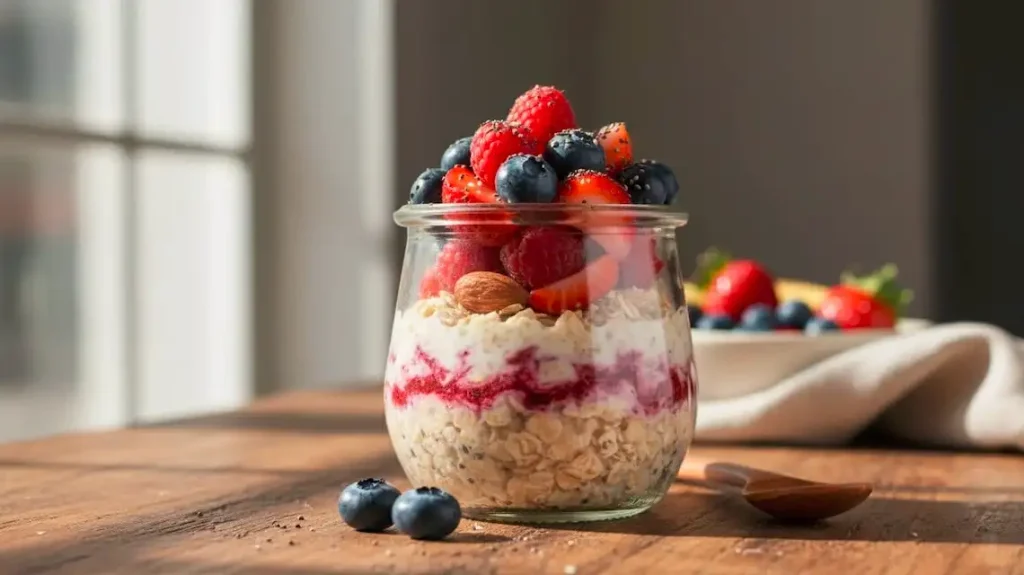
2. Overnight Oats With Chia Seeds, Berries, and Almonds
Overnight oats are simple to prepare, easy to digest, and packed with natural fiber. Rolled oats on their own offer a good amount of soluble fiber, which forms a gel-like texture in the gut and supports smoother digestion. When you add chia seeds, berries, and nuts or nut butter, you create a fiber-rich breakfast that also supplies healthy fats and plant protein.
A typical bowl of overnight oats might include rolled oats, milk or a milk alternative, chia seeds, and a bit of yogurt for creaminess. Chia seeds are especially dense in fiber and absorb liquid, which gives the oats a thick, pudding-like texture. As noted in this overview of high-fiber foods for better digestive health, chia seeds also bring omega-3 fats and minerals like calcium and magnesium to the table.
Berries, such as raspberries, blackberries, or blueberries, add both fiber and natural sweetness. Sliced almonds or walnuts on top add a bit of crunch and extra fiber, along with healthy fats that can help you feel satisfied. This kind of breakfast is easy to batch prep in jars, travels well, and supports gut health with a mix of fibers from grains, seeds, fruits, and nuts.
3. Black Bean, Brown Rice & Veggie Burrito Bowl
A black bean and brown rice burrito bowl offers a satisfying and flexible way to increase fiber intake at lunch or dinner. Beans and whole grains are two of the most important food groups for digestive health, as they supply both fiber and resistant starch that feed the gut microbiome. When you layer them with colorful vegetables and a simple salsa or avocado, you get a bowl that is both filling and friendly to your digestion.
Start with a base of warm brown rice or another whole grain, such as quinoa or barley. Whole grains contain bran and germ, which hold most of the fiber and nutrients, as explained in Harvard Health Publishing’s overview of foods high in fiber. Black beans or pinto beans on top add fiber, protein, and a creamy texture that pairs well with rice.
From there, load your bowl with vegetables such as shredded lettuce, diced tomatoes, corn, bell peppers, or sautéed onions and zucchini. A spoonful of guacamole, avocado slices, or a sprinkle of cheese can round out the flavors. This style of meal is easy to change based on what you have on hand, and it works well for meal prep since each piece can be stored separately and assembled just before eating. The mix of beans, grains, and veggies can support digestive regularity and keep you full longer than a low-fiber meal.
4. Mediterranean Chickpea & Quinoa Salad Plate
A Mediterranean-style chickpea and quinoa salad is light, colorful, and full of fiber. Chickpeas supply plenty of fiber and plant protein, while quinoa adds more fiber, amino acids, and a pleasant chew. When you add vegetables like cucumbers, tomatoes, red onion, and leafy greens, plus a drizzle of olive oil and lemon, you get a refreshing plate that supports gentle digestion.
Chickpeas work well in both warm and cold salads. They hold their shape, pack in fiber, and are easy to season with herbs like parsley, cilantro, or oregano. Quinoa cooks quickly and stores well in the fridge, which makes this meal great for batch cooking. Whole grains and beans, including quinoa and chickpeas, appear often on lists of high-fiber meals and ingredients from EatingWell that support digestion through a steady fiber intake.
Fresh vegetables add volume and texture without weighing the plate down. Sliced cucumbers and cherry tomatoes bring water and fiber, while leafy greens like arugula or spinach add even more roughage. A simple dressing made with olive oil, lemon juice, and a pinch of salt and pepper fits this kind of salad well and keeps ingredient flavors clear and bright. The final plate feels light yet filling, which many people find more comfortable for digestion than heavier, richer meals.
5. Oat, Bran & Berry Power Breakfast Muffins
Breakfast muffins can support digestion when they are built around oats, bran, and fruit instead of refined flour and sugar. Using whole oats or oat flour, wheat bran or oat bran, and plenty of berries creates a soft muffin with a noticeable fiber boost. These muffins store well, work as a grab-and-go breakfast or snack, and help keep your digestive system more regular over time.
Bran adds a dense source of insoluble fiber, which helps move material through the digestive tract. The National Cancer Institute lists bran cereals and bran muffins in its overview of high-fiber foods for everyday meals, placing them among some of the most fiber-rich breakfast options. When combined with oats, which also provide soluble fiber, you get a muffin that supports both gut movement and stool softness.
Berries, such as blueberries, raspberries, or chopped strawberries, add sweetness and more fiber without needing a lot of added sugar. Yogurt, mashed banana, or applesauce can help keep the muffins moist while also adding flavor. Compared to standard bakery muffins, this style of muffin generally offers more fiber, more nutrients, and more staying power. It can be a simple way to weave fiber into the morning without a full sit-down meal.
6. Gut-Friendly Veggie Stir-Fry With Tofu and Brown Rice
A veggie stir-fry with tofu and brown rice offers a flexible, fiber-forward meal that works for lunch or dinner. Stir-frying lets you combine several types of vegetables in one pan, which increases fiber without much extra effort. Tofu adds protein and a soft texture that contrasts nicely with firm vegetables and chewy rice.
A typical fiber-rich stir-fry might include broccoli, snap peas, carrots, bell peppers, onions, and mushrooms. These vegetables supply a range of fibers and plant compounds that support gut health. Many gut health guides, such as this overview of 11 foods for gut health and recipes from Emerson Health, highlight vegetables, fermented foods, and plant-based ingredients as useful for digestive wellness.
Brown rice or another whole grain, such as farro or barley, adds more fiber than white rice and gives a nutty taste that pairs well with savory sauces. A simple mixture of soy sauce or tamari, garlic, ginger, and a small splash of vinegar works well as a base sauce. Tofu cubes can be stir-fried until lightly crisp on the edges, then mixed with the vegetables and sauce. This kind of meal adapts easily to personal taste, since you can swap vegetables based on the season or what you have in your fridge, while still keeping a high fiber content.
Final Thoughts on Fiber-Rich Meals for Better Digestion
These 6 fiber-rich meals to improve digestion naturally share a few simple traits. They focus on whole grains, beans, vegetables, fruits, nuts, and seeds; they use familiar flavors and ingredients; and they fit into real life without demanding complicated recipes. When meals look like lentil stew, burrito bowls, overnight oats, veggie stir-fries, and hearty salads, fiber becomes a normal part of daily eating instead of a chore.
High-fiber eating does not need to feel strict or dull. A mix of textures, colors, and flavors keeps meals interesting while supporting digestive comfort.
By keeping fiber at the center of your plate and building meals around these types of ingredients, digestion support becomes part of your normal routine, not a separate project.
You May Also Like:
6 fiber-rich meals to improve digestion naturally FAQs:
What are 6 simple fiber-rich meals that support better digestion?
Here are six easy, balanced ideas:
- Oatmeal with berries, ground flaxseed, and a spoon of yogurt
- Lentil and vegetable soup with carrots, celery, and tomatoes
- Quinoa and black bean bowl with avocado and salsa
- Chickpea and veggie stir-fry with brown rice
- Chia pudding with almond milk, topped with fruit and nuts
- Roasted vegetable and barley salad with olive oil and lemon
Each meal combines soluble and insoluble fiber, which helps stool move smoothly and feeds good gut bacteria.
How does fiber in these meals actually improve digestion?
Fiber works in a few key ways. Soluble fiber (in oats, beans, chia, lentils) absorbs water and forms a soft gel, which helps stool pass more comfortably. Insoluble fiber (in veggies, barley, brown rice) adds bulk and speeds up movement through the colon.
These meals also support gut bacteria. The bacteria ferment some fiber and produce short chain fatty acids. Those help keep the gut lining healthy and may reduce inflammation.
How much fiber should I aim for in a day?
Most adults do well with:
- Women: about 21 to 25 grams per day
- Men: about 30 to 38 grams per day
Many people eat far less. One serving of oatmeal with berries can give around 6 to 8 grams. A lentil soup or a quinoa and black bean bowl can add 10 to 15 grams more. When you spread these meals through the day, you can reach your daily goal without much effort.
Can I add these meals all at once, or should I increase fiber slowly?
Increase fiber gradually. If you jump from low fiber to very high fiber in a day or two, you may feel gassy, bloated, or crampy.
Try this instead:
- Week 1, add one fiber-rich meal, such as oatmeal with berries, each day
- Week 2, add a lentil or bean-based meal a few times
- Week 3, work in the barley salad or chickpea stir-fry
Drink more water as you increase fiber. This helps the fiber move and keeps stools soft.
Do I need to drink more water with these high-fiber meals?
Yes, water matters as much as the fiber itself. Fiber pulls in water. If you eat a lot of fiber without enough fluids, stool can become too firm and harder to pass.
Aim for pale yellow urine as a general sign of good hydration. Sip water through the day, and have a glass with each fiber-rich meal such as lentil soup or barley salad.
Are these fiber-rich meals okay for sensitive stomachs or IBS?
Many people with a sensitive gut can still enjoy these meals, with a few tweaks:
- Start with smaller portions, such as half a bowl of lentil soup
- Cook vegetables well instead of eating them raw
- Choose low gas beans, such as lentils or split peas, before chickpeas or black beans
- Rinse canned beans very well
If FODMAPs trigger your IBS, some ingredients, such as onions, garlic, and some beans, may cause more symptoms. In that case, work with a dietitian who knows IBS and can adjust the meals for you.
What is the best time of day to eat these fiber-rich meals?
Any time works, as long as you eat fiber spread across the day. A few helpful patterns:
- Breakfast, oatmeal with berries or chia pudding
- Lunch, lentil and vegetable soup or barley salad
- Dinner, quinoa and black bean bowl or chickpea stir-fry
Spreading fiber helps avoid sudden large loads that can cause gas or cramps in some people.
Can these meals help with both constipation and loose stools?
They can support both, but in different ways.
For constipation, the mix of soluble and insoluble fiber adds bulk and softness, so stool moves more easily. For looser stools, soluble fiber, such as oats, chia, and beans, can soak up extra water and help form more solid stool.
If you have ongoing diarrhea, talk with a health professional before you increase fiber a lot, since some conditions need a different approach.
Are whole foods better than fiber supplements for digestion?
Whole foods usually help more. These meals give:
- Different types of fiber
- Water, vitamins, minerals, and antioxidants
- Natural compounds that support gut bacteria
Supplements, such as psyllium, can help if you cannot reach your fiber goals through food, or if your doctor suggests them. Many people do best when they use whole food first, then add supplements only if needed.
How quickly will I notice a difference in my digestion?
Many people notice some change within a few days, such as more regular bowel movements. For others, it takes a couple of weeks of steady eating.
Consistency matters more than one single high fiber meal. If you keep including options like oatmeal, lentil soup, quinoa bowls, and veggie-packed salads most days, your gut usually responds with better rhythm, less strain, and more comfort over time.

The AnySmoothie team is all about smarter smoothie recipes made with whole-food ingredients. Everything we share centers on balanced nutrition, steady energy, and low-glycemic choices, so you can sip a smoothie that keeps you full, feels good, and helps you avoid sugar crashes.
- Disclaimer: This content is for educational use only. These smoothie recipes and nutrition details aren’t a substitute for medical advice from a licensed health professional. Please read our full Medical Disclaimer here.
Dietary Supplements

Dietary Supplements

Dietary Supplements
Dietary Supplements
Dietary Supplements