
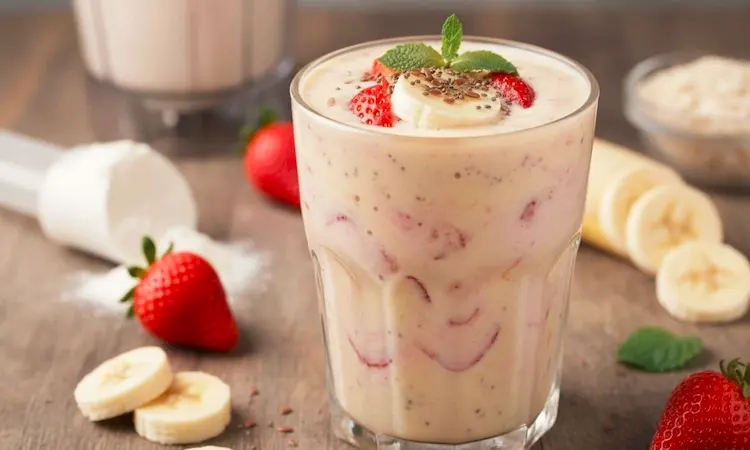
Mornings can feel like a sprint. You want something that tastes like a treat but still keeps you full, and you don’t want a sink full of dishes. That’s where a strawberry and banana protein smoothie earns its spot in the rotation.
It’s sweet without needing much (or any) added sugar, it’s creamy when you build it right, and it works just as well for breakfast as it does after a workout or during that mid-afternoon slump.
Weight Loss Programs
Diet & Weight Loss
Diet & Weight Loss
Diet & Weight Loss
Diet & Weight Loss
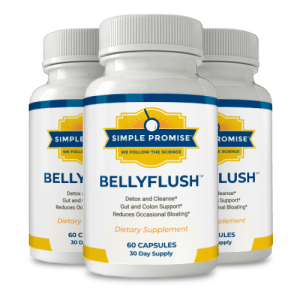
BellyFlush™ – Gut Cleanse and Digestive Detox for Weight Support
In this post you’ll get a reliable base recipe, simple ways to hit your protein goal, easy swaps for dairy-free or plant-based needs, and quick fixes for the most common texture problems. Best part, it can be done in about 5 minutes.
What Makes a Strawberry and Banana Protein Smoothie So Filling and Popular
This smoothie works because it balances comfort and function. Strawberries bring a bright flavor and vitamin C, bananas bring natural sweetness and that thick, milkshake-like body. Add protein, and the whole drink shifts from “fruit drink” to “actual meal.”
The filling part comes down to two things:
First, protein helps you stay full longer than carbs alone. It slows digestion and gives your body building blocks for muscle repair. Second, fruit adds water and fiber, which makes the smoothie more satisfying than a plain protein shake.
Most homemade versions land in a practical range: about 300 to 400 calories and roughly 25 to 30 grams of protein, depending on your milk choice, yogurt, and the scoop you use. If you keep the ingredients simple (frozen fruit, milk, protein powder), you can get a thick, sweet smoothie without pouring in sweeteners.
In early 2026, it’s also popular for a simple reason: people want fast food that still feels like self-care. Online chatter around strawberry banana smoothies has climbed year over year, and you’re seeing more plant-based options too, with pea protein and seed add-ins showing up in ready-to-blend cups and café menus. If you’re curious about how “healthy” strawberry banana smoothies can be (and what makes them less healthy), this breakdown from Lose It! is a helpful reality check.
Nutrition basics: protein, fiber, carbs, and why they matter
- Protein: Helps with fullness and muscle repair. You’ll boost it fast by using Greek yogurt, high-protein milk, or a full scoop of whey or pea protein.
- Fiber: Slows digestion and supports gut health. Add-ins like oats or ground flax raise fiber and make the smoothie more “stick-to-your-ribs.”
- Carbs: Your body’s quickest fuel. Fruit carbs are great around workouts, and they make the smoothie taste good without much extra work.
- A simple example: Use high-protein milk or Greek yogurt to raise protein, add oats or flax to raise fiber, and use frozen fruit to get sweetness and thickness without added sugar.
For a general nutrition-minded smoothie template, the University of Nebraska’s strawberry banana smoothie recipe is a solid reference point.
Best times to drink it: breakfast, post workout, or snack
Breakfast: Make it more filling with yogurt or oats, and you’ll stay satisfied longer than you would with toast alone.
Pre-workout: Keep it lighter so it doesn’t sit heavy. Use milk plus fruit plus half a scoop of protein, or skip the oats.
Post-workout: This is the easiest time to go higher protein. Use a full scoop and consider Greek yogurt for extra thickness.
Two easy serving ideas:
- Drink it right away in a cold glass, it tastes best while it’s frosty and thick.
- Pour it into a lidded cup and sip it during your commute, it’s a clean, one-hand breakfast.
The Best Strawberry and Banana Protein Smoothie Recipe (Creamy, Not Icy)
The biggest difference between “creamy” and “icy” is simple: frozen fruit does the thickening, not ice. Ice waters down flavor and can leave crunchy bits unless your blender is strong.
This base recipe is built for a smooth texture and a balanced taste. You can keep it classic, or adjust it depending on your protein needs and calorie target.
A quick note on protein powder: vanilla usually tastes best here. Unflavored also works if you want more fruit flavor. If you’re comparing approaches, Healthline’s strawberry banana protein smoothie is a useful example of the standard formula.
Ingredients for 1 serving (with easy substitutions)
- 1 frozen banana, sliced (medium)
- 1/2 to 3/4 cup frozen strawberries
- 1 to 1 1/4 cups milk (dairy or plant-based)
- 1 scoop protein powder (whey or pea)
- Optional: 1/4 to 1/2 cup plain Greek yogurt (for extra creaminess)
Easy substitutions that actually matter:
- Soy milk or pea milk: Higher protein, closer to dairy in texture.
- Almond milk: Lighter calories, a bit less creamy unless you add yogurt.
- Unflavored protein: Lets strawberry and banana taste more “real,” less like a shake.
- Fresh strawberries: Fine in a pinch, but you’ll want to freeze the banana or add a few frozen berries to keep it thick.
Step by step blending order for the smoothest texture
- Add milk first to the blender. This protects the blades and helps everything move.
- Add protein powder next, so it hydrates in liquid instead of clumping.
- Add the frozen banana and frozen strawberries.
- Blend 30 to 60 seconds, starting low and finishing high, until the sound changes and it looks glossy.
How to adjust it without ruining the flavor:
- If it’s too thick, add a splash of milk and blend 10 seconds.
- If it’s too thin, add a few more frozen strawberries or half a frozen banana.
- If it’s gritty, blend longer, or let it sit 1 minute so the powder hydrates, then blend again.
- If it tastes flat, add a tiny pinch of salt or a drop of vanilla extract. It shouldn’t taste salty, it should taste brighter.
How to sweeten it without turning it into dessert:
- Use a riper banana (more natural sweetness).
- Add more strawberries for a sweeter berry flavor without the same “banana sugar” feel.
- If you truly need a boost, use 1 teaspoon of honey or maple syrup, not a big squeeze.
For a no-added-sugar approach that still tastes like a treat, this no-added-sugar strawberry protein shake is a good read, especially if you’re trying to cut back on sweeteners without feeling deprived.
Easy Variations for Your Goals (Higher Protein, Dairy Free, or More Fiber)
Once you have the base, the “best” smoothie becomes the one that fits your day. Think of the recipe like a favorite hoodie. You can wear it different ways, but it still feels familiar.
Below are a few high-impact changes that people actually stick with, because they don’t make the smoothie weird.
Higher protein version (25g to 39g) without making it chalky
If you’ve ever added extra powder and ended up with a thick, dusty shake, you already know the rule: don’t just pile on more powder and hope for the best.
Try these options instead:
- Use high-protein milk: This raises protein without changing flavor much. It also keeps the smoothie drinkable.
- Add Greek yogurt: It boosts protein and makes the texture more like a milkshake. Start with 1/4 cup, then adjust.
- Choose a powder that mixes well: Whey tends to blend smooth and creamy. Many pea proteins work great too, but some need a longer blend to lose that “grainy” edge.
If you want to push protein higher, it’s usually better to combine two moderate upgrades (protein milk plus yogurt) than to double your powder. Depending on the products you choose, these combos can land in the 30-gram range or more while still tasting like strawberries and banana.
More fiber and steady energy: oats, ground flax, and “hidden greens”
If your smoothie leaves you hungry an hour later, you probably need more fiber and a bit more “slow fuel.”
A few add-ins that work without overpowering the taste:
- Rolled oats (2 to 4 tablespoons): Makes the smoothie thicker and more filling. It also softens the banana sweetness.
- Ground flax (1 to 2 teaspoons): Adds fiber and a mild, nutty note. It also helps the smoothie feel more substantial.
- Spinach (a small handful): This is the classic hidden greens move. With strawberries and banana, you’ll barely taste it, but you’ll notice the color shift.
These add-ins thicken the smoothie, so plan on an extra splash of milk. If you’re using oats and flax together, blending a little longer helps everything turn silky instead of speckled.
Dairy-free and plant-based swaps that still taste creamy
Dairy-free smoothies can be fantastic, but they can also turn thin if you swap milk and remove yogurt without replacing the thickness.
To keep it creamy:
- Pick a higher-protein plant milk (soy is the common go-to).
- Use a pea protein that’s labeled as smooth or “shake-friendly.”
- Add half an avocado slice (yes, really) if you need extra body, the fruit flavor still leads.
If you want a fully dairy-free version built around that idea, Eight Forest Lane’s strawberry banana protein smoothie (dairy free) is a solid reference for ingredient choices and texture.
Common Mistakes and How to Fix Them (Too Thick, Too Thin, Too Sweet, Not Sweet Enough)
Most smoothie problems aren’t “bad recipes,” they’re just small balance issues. Frozen fruit size varies, protein powders absorb liquid differently, and bananas can swing from barely sweet to candy-sweet depending on ripeness.
The goal is simple: use frozen fruit for body, use enough liquid to blend, and adjust in tiny steps. Big changes usually backfire.
Quick troubleshooting cheat sheet
- Too thick: Add 1 to 2 tablespoons milk, blend again.
- Too thin: Add more frozen strawberries, or half a frozen banana.
- Too sweet: Use half a banana next time, or increase strawberries for a brighter taste.
- Not sweet enough: Use a riper banana, or add 1 teaspoon honey.
- Protein taste too strong: Use unflavored protein, or do a half scoop plus 1/4 cup Greek yogurt.
Make ahead and storage tips (without losing texture)
Smoothies taste best right after blending, when the cold and thickness feel fresh. If you need to prep, focus on prepping ingredients, not the finished drink.
Best options:
- Make smoothie packs: portion frozen banana and strawberries into bags, then dump and blend in the morning.
- Store a blended smoothie in a sealed jar up to 24 hours in the fridge. Shake hard before drinking, separation is normal.
- If it thickens too much overnight, add a small splash of milk and stir, or re-blend for 10 seconds.
Conclusion
A strawberry and banana protein smoothie is one of the easiest ways to get a fast, filling meal that still tastes like comfort food. Start with the base recipe, use frozen fruit for that creamy texture, and pick one upgrade based on your goal, either higher protein or more fiber.
Once you’ve made it a few times, you won’t need a recipe. You’ll just know what your blender should sound like when it’s perfect. Try it tomorrow morning, tweak the thickness to your liking, and keep the best version in your back pocket for busy days.

The AnySmoothie team is all about smarter smoothie recipes made with whole-food ingredients. Everything we share centers on balanced nutrition, steady energy, and low-glycemic choices, so you can sip a smoothie that keeps you full, feels good, and helps you avoid sugar crashes.
- Disclaimer: This content is for educational use only. These smoothie recipes and nutrition details aren’t a substitute for medical advice from a licensed health professional. Please read our full Medical Disclaimer here.
Dietary Supplements
Dietary Supplements
Dietary Supplements
Dietary Supplements

Dietary Supplements