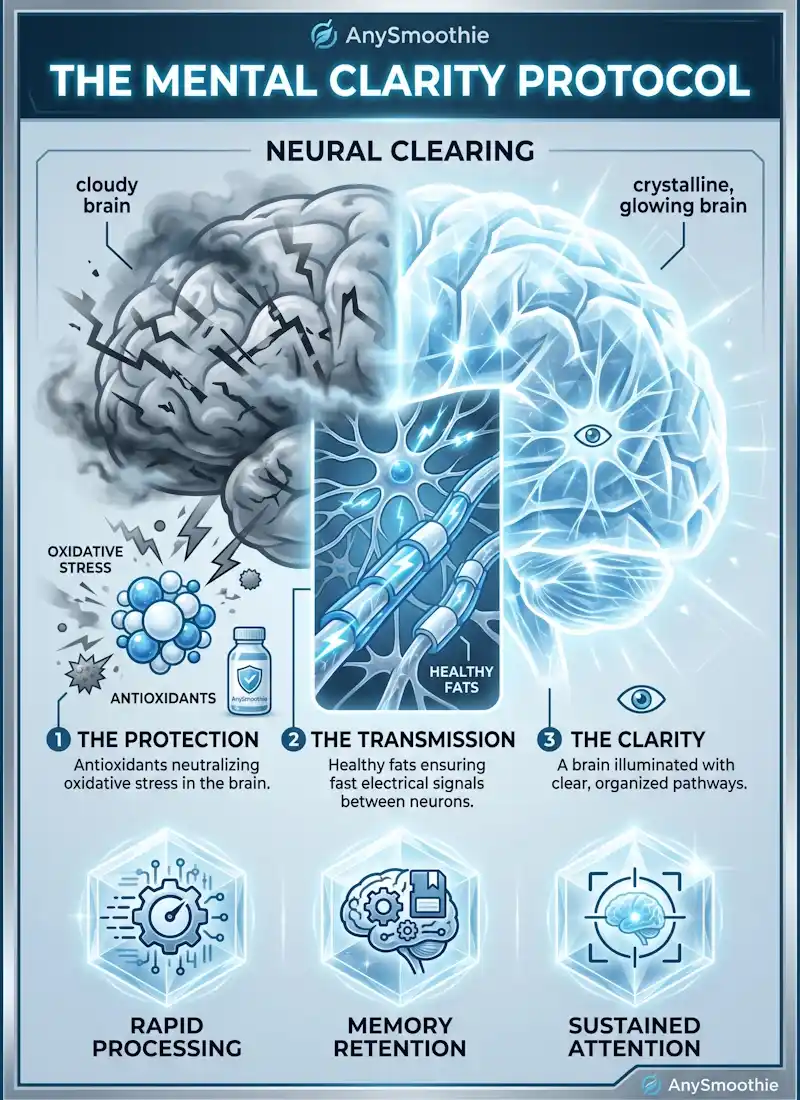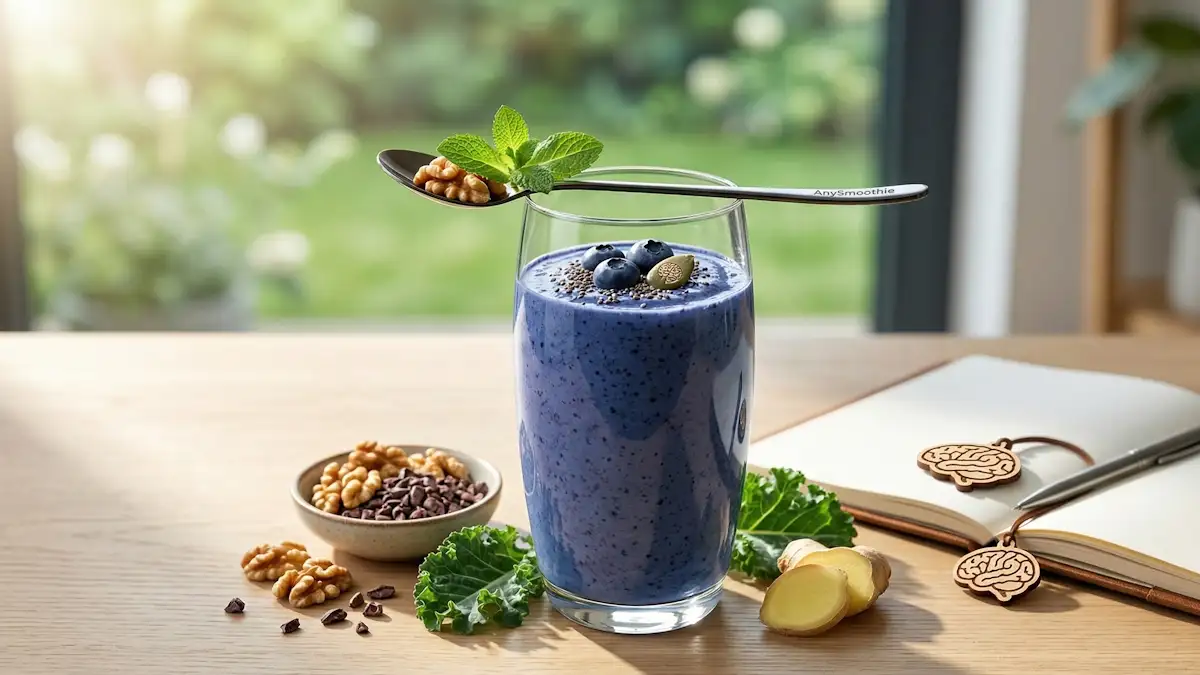
That mid-day slump can hit hard, and when brain fog rolls in, even simple tasks feel slow. If you’re trying to think clearly, stay focused, or stop reaching for more caffeine, smoothies to support mental clarity can be a smart place to start. They’re not a magic fix, but they can help you combine nutrients that support steady energy, hydration, and overall brain health in one easy meal or snack.
The right mix matters, though, because not every smoothie helps with focus or memory the same way. Some ingredients may support more stable blood sugar, while others add healthy fats, antioxidants for brain health, or protein that helps you stay sharp longer. Up next, you’ll see which ingredients matter most, how to build better cognitive-boosting smoothies, and a few easy ideas for focus and memory support.
Weight Loss Programs
Diet & Weight Loss
Diet & Weight Loss
Diet & Weight Loss
Diet & Weight Loss
What your brain needs most for better focus and clear thinking
If you want smoothies to support mental clarity, start with the basics your brain depends on every day. Focus is not just about caffeine or one trendy ingredient. Your brain works best when it gets steady fuel, enough fluids, and the right nutrients to help nerve cells communicate well.
That is why the best cognitive boosting smoothies do more than taste good. They help you avoid energy swings, replace fluids and minerals, and add compounds linked with memory and brain health. Think of it like building a fire, you need a steady burn, not a quick flash.
How steady energy helps reduce brain fog
Brain fog often shows up after a fast rise, then drop, in blood sugar. A breakfast loaded with sweet cereal, juice, or pastries can give you quick energy, but it often fades fast. The same thing can happen with a low-protein snack, like fruit alone or crackers, because it digests quickly and does not keep you full for long.
When energy dips, your brain notices. You may feel distracted, shaky, irritable, or just mentally slow. That is one reason a smoothie can help, but only if it is built well.
A better approach is to pair natural carbs from fruit with protein, fiber, and fat. That mix slows digestion and helps support more even energy. Instead of a short burst, you get a smoother release that can make it easier to stay on task.
Here is the simple formula:
- Fruit gives quick, usable fuel, such as berries, banana, or mango.
- Protein helps with fullness and steadier energy, such as Greek yogurt, cottage cheese, protein powder, or milk.
- Fiber slows the pace, such as chia seeds, flaxseed, oats, or berries.
- Healthy fat adds staying power, such as nut butter, avocado, hemp seeds, or walnuts.
For example, a banana smoothie made with only juice may leave you hungry an hour later. Blend that same banana with Greek yogurt, peanut butter, and chia seeds, and it becomes much more balanced. That is a smarter setup for mornings when you need clear thinking.
If you want brain fog smoothie recipes that work harder for you, keep sugar in check and build around balance. Recipes like a high-protein, high-fiber smoothie show how small ingredient changes can support steadier energy instead of a crash.
Quick takeaway: Fruit is helpful, but fruit plus protein, fiber, and fat is what makes a smoothie more focus-friendly.
Why hydration and minerals matter for mental sharpness
Even mild dehydration can make your brain feel off. Attention slips, mood drops, and mental tasks can feel harder than they should. If you have ever felt foggy by mid-morning and realized you barely drank anything, you have felt this firsthand.
Research and expert summaries continue to show that hydration affects how alert and focused you feel. A simple overview of how mild dehydration affects mood and focus explains why even small fluid losses can leave you feeling tired, irritable, and unfocused.
Smoothies can help here because they count toward fluid intake while also adding minerals your body uses to manage fluid balance. That matters even more after a workout, on hot days, or when you wake up already a little dehydrated.
Smoothie-friendly options include:
- Coconut water, which adds fluid and electrolytes
- Milk or yogurt, which provide fluid plus protein and minerals
- Cucumber, which adds water without much sugar
- Spinach, which brings magnesium and potassium
- Chia seeds, which add fiber and minerals while helping the smoothie stay satisfying
A simple blend of yogurt, cucumber, spinach, berries, and chia can do a lot in one glass. It hydrates, supports steady energy, and gives your brain nutrients it can use. If you want more staying power, add protein powder or nut butter.
Hydration is not flashy, but it is one of the first things to fix when focus is off. Many nootropic smoothies get attention for special add-ins, but without enough fluid and minerals, the basics are still missing. In other words, a sharp brain needs a well-watered system.
The best smoothie nutrients for memory and brain health
Once you have steady energy and hydration covered, the next step is adding nutrients tied to long-term brain support. This is where a good smoothie for memory support can shine, because it lets you combine several smart ingredients in one easy meal.
Some of the most helpful nutrients include:
- Omega-3 fats, which support brain cell structure
- Antioxidants, which help protect cells from stress
- B vitamins, which help with energy use and nerve function
- Magnesium, which supports normal brain and nerve activity
- Polyphenols, plant compounds linked with brain health
The good news is that you do not need rare ingredients. Many easy add-ins already fit well in smoothies.
Berries are one of the best places to start. Blueberries, strawberries, and blackberries bring antioxidants for brain health, along with polyphenols that may help support memory and healthy aging. They also add flavor without needing lots of extra sweetener.
Walnuts and flaxseed are smart choices for omega-rich smoothies for focus. They provide plant omega-3 fats and pair well with berries, cocoa, and banana. Ground flaxseed is especially easy to blend and also adds fiber.
Leafy greens like spinach or kale bring folate and other B vitamins, plus magnesium. A handful usually disappears into the flavor when mixed with fruit, yogurt, or cocoa.
Cocoa adds more than a chocolate taste. Unsweetened cocoa powder contains polyphenols, so it can be a useful add-in for focus-friendly smoothies when used without a lot of added sugar.
Avocado offers healthy fat and a creamy texture. It also helps slow digestion, which can support steadier energy while adding a more filling texture.
If you want a simple pattern to follow, try this:
- Start with berries or another fruit.
- Add a protein source, such as Greek yogurt or milk.
- Mix in flaxseed or walnuts for omega-3 fats.
- Add spinach for folate and magnesium.
- Finish with cocoa or avocado for extra brain-supportive compounds and texture.
That kind of blend checks a lot of boxes without feeling complicated. It is also why many of the best brain-focused smoothies use the same core ingredients again and again. A practical guide to brain-enhancing smoothie ingredients highlights many of these same choices.
The best part is that these are normal foods, not magic powders. Used often, they can help turn your smoothie into a simple habit that supports focus now and brain health over time.
The best ingredients to use in smoothies to support mental clarity
If you’re building smoothies to support mental clarity, ingredients matter more than fancy names. A smart blend should help with steady energy, support brain cells, and keep you full enough to think clearly past the first hour.
The good news is that many of the best choices are regular grocery staples. When you pair produce, protein, fiber, and healthy fat well, your smoothie starts to work more like a balanced meal and less like a sugary drink.
Fruits and vegetables that help protect brain cells
Some fruits and vegetables do more than add color. They bring compounds that may help protect brain cells from daily wear and tear, while also supporting blood flow and steadier energy.
Berries are a standout because they pack in antioxidants for brain health. Blueberries, strawberries, blackberries, and raspberries contain plant compounds that help protect cells from stress. They also add natural sweetness without pushing your smoothie too far into dessert territory. If you want ideas, this brain booster smoothie recipe shows how well berries fit into a focus-friendly blend.
Cherries bring a similar benefit. They contain antioxidants and polyphenols, which are plant compounds linked with healthy aging. In a smoothie, frozen cherries also add a deeper flavor, so you can skip extra sweeteners more easily.
Leafy greens deserve a spot here too. Spinach is easy to start with because its taste is mild. It adds folate, magnesium, and vitamin K, which help support normal brain and nerve function. Kale has a stronger flavor, but it also brings antioxidants, fiber, and key vitamins. If spinach is the entry point, kale is the bolder upgrade.
Then there are beets, which are especially interesting in cognitive boosting smoothies. They contain nitrates, natural compounds your body can convert into nitric oxide. That helps relax blood vessels and supports healthy blood flow, including to the brain. In plain English, beets may help more oxygen-rich blood get where it needs to go. A simple berry and beet smoothie is a good example of how to make them taste better.
Avocado works differently, but it’s just as useful. It adds healthy fats and a creamy texture that makes a smoothie feel more substantial. Because fat slows digestion, avocado can help your smoothie keep you satisfied longer. That’s helpful when brain fog tends to show up a couple of hours after breakfast. For inspiration, this blueberry avocado smoothie combines flavor and staying power well.
A simple pattern works best here:
- Berries or cherries for antioxidants
- Spinach or kale for vitamins and minerals
- Beets for nitrate-rich support
- Avocado for healthy fat and creaminess
Quick takeaway: Think of produce as your smoothie’s brain-support base, not just a flavor add-on.
Protein and healthy fats that help you stay full and focused
A smoothie can have great ingredients and still leave you hungry fast. That’s usually a sign it needs more protein, fiber, or fat. These nutrients slow digestion, help steady blood sugar, and make it easier to stay focused instead of chasing snacks an hour later.
Greek yogurt is one of the easiest upgrades. It’s thick, high in protein, and easy to pair with fruit. Because it digests more slowly than juice or fruit alone, it can help support more stable concentration. Kefir works in a similar way, though it’s thinner and tangier. It also brings probiotics, which can be a nice bonus if you want a smoothie with more substance. This roundup of easy protein add-ins for smoothies includes both and explains why they help with fullness.
If you want something a little different, cottage cheese blends better than many people expect. It adds a lot of protein with a mild taste, especially in berry-based smoothies. Tofu is another useful option, especially for dairy-free blends. Silken tofu makes a smoothie creamy while adding protein, and it doesn’t fight with the flavor.
Then come the fats and fibers that give a smoothie more staying power. Nut butters, like peanut or almond butter, add fat, some protein, and a richer texture. They help turn a light smoothie into something closer to a meal. Hemp seeds are soft, mild, and easy to blend. They add healthy fats and a bit of protein without changing the flavor much.
Chia seeds and flaxseed do two jobs at once. They add fiber, which slows digestion, and they contribute healthy fats, including plant omega-3s. Ground flaxseed is especially useful in omega-rich smoothies for focus because it blends smoothly and works with almost any flavor. Chia seeds also thicken the drink, which can help it feel more satisfying.
Finally, walnuts are worth keeping on hand. They bring crunch if sprinkled on top, but they also blend well in creamy smoothies. Like flax and chia, they offer plant omega-3 fats that fit naturally into a smoothie for memory support.
Here is the main idea: protein and fat act like brakes. They slow the rush of digestion, so your energy doesn’t spike and crash. That’s why a smoothie with berries, Greek yogurt, flaxseed, and walnut butter often feels steadier than one made with banana and juice alone.
Smart add-ins that can give nootropic smoothies more staying power
Add-ins can be helpful, but they work best as support pieces, not stars. In other words, nootropic smoothies still need a solid base of fruit, vegetables, protein, and fat. Once that’s in place, a few extras can round things out.
Cocoa is one of the best smart add-ins because it does more than add chocolate flavor. Unsweetened cocoa powder contains polyphenols, and it pairs well with berries, banana, walnuts, and Greek yogurt. Used in modest amounts, it can fit nicely into brain fog smoothie recipes without adding much sugar.
Cinnamon is another easy one. It adds warmth and makes smoothies taste sweeter without extra sweetener. That’s useful when you’re trying to keep the blend balanced. Ginger brings a fresh, sharp note that can wake up the flavor of berry, beet, or green smoothies.
For more staying power, oats are hard to beat. They add fiber and make a smoothie feel more like breakfast. If your current smoothie leaves you hungry by mid-morning, a small scoop of oats can help slow things down. Along the same lines, pumpkin seeds add healthy fats, magnesium, and a little protein. They work well in blends with cocoa, cinnamon, or cherries.
Then there’s green tea or matcha, which can make sense in small amounts if you want a little lift. They contain caffeine, so more isn’t always better. A modest amount may help some people feel more alert, but it’s still wise to keep expectations realistic. These ingredients support a healthy routine, they don’t replace sleep, food, or hydration. If you like the flavor, a matcha ginger green smoothie is a simple way to try it.
The best approach is simple:
- Build a balanced smoothie first.
- Add one or two extras that fit the flavor.
- Keep portions moderate, especially with matcha or green tea.
- Pay attention to how you feel, not just trends.
That balance is what makes these add-ins useful. They can help your smoothie do a little more, but the basics still carry the load.
How to build a smoothie that supports focus, not a sugar crash
The best smoothies to support mental clarity are built for steady energy, not a quick rush. That means thinking beyond fruit and ice. A focus-friendly smoothie should feel more like a balanced mini-meal, because your brain does better with a slow, even fuel source.
A simple smoothie formula you can mix and match
If smoothie building feels random, use a simple formula and keep it flexible. You do not need perfect measurements every time. You just need the right parts in the blender.
A good starting point looks like this:
- 1 cup fruit or vegetables for carbs, flavor, and nutrients
- 1 protein source for staying power
- 1 healthy fat to slow digestion
- 1 fiber booster to help steady energy
- Liquid to blend until smooth
Here is what that can look like in real life:
- Fruit or vegetables: berries, spinach, cauliflower, cucumber, half a banana
- Protein source: Greek yogurt, cottage cheese, silken tofu, protein powder
- Healthy fat: peanut butter, almond butter, avocado, hemp seeds
- Fiber booster: chia seeds, ground flaxseed, oats
- Liquid: milk, soy milk, unsweetened almond milk, kefir, water
For example, blend frozen blueberries, Greek yogurt, chia seeds, almond butter, spinach, and milk. That gives you carbs, protein, fat, and fiber in one glass. In other words, it acts more like breakfast than a sweet snack.
If you want a simple visual guide, the low-sugar smoothie formula follows this same idea. The main point is simple, build around balance first, then adjust flavor.
Think of your smoothie like a campfire. Fruit is the spark, but protein, fat, and fiber help it burn slow and steady.
Common smoothie mistakes that can make brain fog worse
Some smoothies look healthy but hit like dessert. When that happens, you may feel alert for a short time, then tired, hungry, and unfocused. That rise and fall can make brain fog worse, especially in the morning or mid-afternoon.
One common mistake is using fruit juice as the base. Juice goes down easily, but it adds sugar without much fiber. A second issue is piling on honey, maple syrup, dates, or flavored yogurt when the fruit is already sweet enough. Then there is the big one, not enough protein. Without it, your smoothie may digest too fast.
Portion size matters too. A giant smoothie packed with multiple bananas, mango, juice, and nut butter can turn into a full meal plus dessert. That does not mean those foods are bad. It means the balance is off.
A few red flags to watch for:
- Too much juice: raises sugar fast and adds little staying power
- Too many sweeteners: pushes the blend toward a sugar spike
- Too little protein: leaves you hungry soon after
- Oversized portions: makes it easy to overdo sugar and calories without noticing
Health experts often make the same point. These smoothie tips for avoiding blood sugar spikes stress unsweetened bases, moderate fruit, and enough protein, fiber, and fat. That is the same logic behind better brain fog smoothie recipes and more balanced cognitive boosting smoothies.
Easy swaps for dairy-free, high-protein, and low-sugar needs
A good smoothie formula should bend without breaking. If you are dairy-free, want more protein, or need less sugar, a few smart swaps can keep the texture and the nutrition on track.
For dairy-free smoothies, use unsweetened soy milk, almond milk, or coconut milk beverage instead of regular milk. Soy milk stands out because it usually has more protein than other plant milks. You can also swap Greek yogurt for silken tofu or a plain dairy-free yogurt.
If you want more protein, try one of the easiest upgrades: soy milk, cottage cheese, Greek yogurt, tofu, or plain protein powder. Even hemp seeds can help a little, though they work best with another protein source. This matters if you want omega-rich smoothies for focus that actually keep you full.
For a lower-sugar blend, lean on berries, spinach, avocado, cocoa, or cauliflower instead of making banana the main base. A half banana often gives enough sweetness. Berries are especially useful because they bring antioxidants for brain health while keeping the flavor bright.
A few easy swaps can change the whole feel of your smoothie:
- Use soy milk instead of dairy milk for a dairy-free, higher-protein base
- Use silken tofu instead of yogurt for creaminess without dairy
- Use berries instead of extra banana or mango to lower total sugar
- Use cinnamon or cocoa instead of added sweetener for more flavor
- Use avocado or chia when you need more texture and staying power
That flexibility makes it easier to build a smoothie for memory support or one of your go-to nootropic smoothies without starting from scratch each time.
4 easy smoothie recipes for mental clarity, focus, and memory support
Once you know how to build balanced smoothies to support mental clarity, the next step is simple, put that formula into real recipes you’ll actually make. These four options keep the ingredient lists practical, the flavors familiar, and the nutrition focused on steady energy, healthy fats, hydration, and antioxidants for brain health.
Use them as a starting point, not a strict script. If you need more protein, add a little extra yogurt, tofu, or protein powder. If you want a thicker texture, use frozen fruit or less liquid.
Berry walnut smoothie for memory support
This is one of the easiest picks when you want a smoothie for memory support without overthinking it. Blueberries and strawberries bring color, flavor, and a strong dose of antioxidant-rich plant compounds, while walnuts add healthy fats, including plant omega-3s.
Blend blueberries, strawberries, walnuts, Greek yogurt or kefir, and your milk of choice until smooth. If you like it colder, use frozen berries. If you want a little more sweetness, half a banana works well, but it’s not required.
The strength of this smoothie is balance. The berries help keep sugar more moderate than many tropical blends, and the yogurt or kefir adds protein so it feels more like breakfast than a snack. Meanwhile, the walnuts make it richer and more satisfying, which can help support steadier energy.
A simple version looks like this:
- 1 cup frozen blueberries
- 1/2 cup strawberries
- 2 tablespoons walnuts
- 3/4 cup Greek yogurt or kefir
- 3/4 to 1 cup milk of choice
If you want inspiration for the flavor profile, a blueberry walnut smoothie recipe shows why this combo works so well. It’s creamy, slightly tart, and easy to drink, even on rushed mornings.
Best for: Breakfast or a mid-morning reset when you want something simple, filling, and berry-forward.
Green avocado smoothie for a calm, steady morning
If sugary smoothies leave you hungry fast, this one is a better fit. It leans on spinach, avocado, cucumber, chia seeds, lemon, and a protein source, which makes it one of the better brain fog smoothie recipes for mornings when you want stable energy, not a quick spike.
Spinach and cucumber add water and volume without much sugar. Avocado brings creaminess and healthy fat, while chia seeds add fiber that helps the smoothie stick with you longer. A squeeze of lemon brightens the whole thing, so it tastes fresh instead of heavy.
For the protein piece, use what fits your routine. Greek yogurt, plain protein powder, silken tofu, or cottage cheese all work. That matters because greens alone won’t keep you full for long.
Try this mix:
- 1 cup spinach
- 1/2 avocado
- 1/2 cup cucumber
- 1 tablespoon chia seeds
- Juice of 1/2 lemon
- 1 serving protein source
- 3/4 to 1 cup milk or water
This is a lower-sugar option, but it doesn’t feel skimpy. Instead, it drinks like a cool green cream smoothie. If you want a recipe with a similar base, this avocado cucumber smoothie gives a useful reference point.
Because it’s hydrating and less sweet, it works especially well on warm mornings or after a poor night of sleep, when heavy food sounds rough but coffee alone won’t cut it.
Chocolate flax smoothie for afternoon focus
Afternoons are where many smoothies go wrong. A sweet blend can taste great at 2 p.m., then leave you dragging by 3. This chocolate version is a smarter fix because it pairs comfort-food flavor with ingredients that support steadier energy.
Blend cocoa powder, banana or cauliflower, flaxseed, peanut or almond butter, oats, and milk. Cocoa brings rich flavor plus plant compounds tied to antioxidants for brain health. Flaxseed adds fiber and healthy fats, including plant omega-3s, which is why it fits nicely into omega-rich smoothies for focus.
Banana gives natural sweetness and a classic smoothie texture. If you want to lower sugar, swap part or all of it for frozen cauliflower. It sounds odd, but it blends into a thick, creamy base without taking over the flavor.
A reliable combo is:
- 1 tablespoon unsweetened cocoa powder
- 1/2 banana or 3/4 cup frozen cauliflower
- 1 tablespoon ground flaxseed
- 1 tablespoon peanut or almond butter
- 1/4 cup oats
- 1 cup milk of choice
The result tastes close to a chocolate shake, but it’s built with more staying power. That’s the sweet spot for cognitive boosting smoothies, especially when your focus dips later in the day. For a similar flavor direction, this banana, flax, and raw cacao smoothie is a helpful example.
Matcha berry smoothie for a gentle mental lift
This smoothie works well when you want a little lift, but not the sharp jolt that comes with a strong coffee. The core mix is mixed berries, matcha or green tea, yogurt or tofu, and chia seeds, which keeps the flavor bright while adding protein, fiber, and healthy fats.
Berries do most of the heavy lifting on taste. They also bring the same antioxidant support that makes them so useful in many nootropic smoothies. Matcha adds a light earthy note and some caffeine, so start small if you’re sensitive. You can also swap in brewed, cooled green tea for a milder version.
A balanced blend looks like this:
- 1 cup mixed berries
- 1/2 to 1 teaspoon matcha, or 1/4 to 1/2 cup cooled green tea
- 3/4 cup yogurt or silken tofu
- 1 tablespoon chia seeds
- Milk or water as needed to blend
Keep expectations realistic here. Matcha may help you feel a bit more alert, but it’s not magic, and more isn’t always better. If caffeine tends to make you shaky, use less or skip it entirely. The smoothie still works without it.
For a similar idea, this blueberry matcha smoothie recipe shows how well berries and matcha pair together. The overall effect is light, fresh, and easy to fit into a busy morning or early afternoon.
Simple habits that make your brain-friendly smoothies work even better
Even the best smoothie works better when it fits the rest of your day. If you’re using smoothies to support mental clarity, small habits around timing, sleep, movement, and stress can make the payoff feel more noticeable.
Think of your smoothie as one part of the system, not the whole system. A balanced blend can help with focus, but it lands better when your routine gives your brain a fair shot, too.
When to drink a smoothie for the best results
For many people, breakfast is the easiest and most useful time. After a long overnight fast, your brain needs fuel and fluids. A smoothie with protein, fiber, and healthy fat can help you start steady instead of chasing energy later. That matters even more if mornings tend to feel foggy or rushed.
If your smoothie is a meal replacement, it needs enough substance to hold you over. In that case, include a protein source, a fat source, and fiber, not just fruit. A breakfast smoothie with berries, Greek yogurt, flaxseed, and nut butter works very differently than fruit and juice alone. Resources on brain-healthy breakfast smoothies make the same point, breakfast works best when it gives you staying power.
A post-workout smoothie can also be a smart move. After exercise, your body often needs fluids, protein, and carbs. That’s a good window for a smoothie because it’s easy to digest and simple to tailor. If you exercise in the morning, your post-workout blend may also double as breakfast. If not, it can act as a recovery snack that helps you avoid the crash that comes from waiting too long to eat.
Then there’s the midday smoothie, which can help when lunch is light or the afternoon slump hits hard. This works best when you treat it as a bridge, not a sugar bomb. A smaller smoothie with protein and fiber can steady your energy and help you focus through the second half of the day.
The key is simple:
- Use it as a meal when it includes enough protein, fat, and fiber to keep you full.
- Use it as a snack when it’s smaller and meant to tide you over, not replace lunch or breakfast.
- Match timing to your goal, whether that’s morning fuel, workout recovery, or afternoon focus.
Bottom line: The best time to drink a smoothie depends less on the clock and more on what job you want it to do.
If you want a practical overview, this guide on smoothie timing for different goals lines up with that same idea.
How sleep, movement, and stress affect mental clarity too
A smoothie can support focus, but it can’t fully cover for poor sleep. If you’re under-slept, even well-built brain fog smoothie recipes may feel less helpful because your brain is already running on low battery. In simple terms, nutrition helps, but sleep still sets the floor for memory, attention, and clear thinking. A quick read on sleep loss and brain fog explains why that foggy, slow feeling often starts there.
Daily movement matters, too. That doesn’t mean you need intense workouts every day. A walk after lunch, a short strength session, or even a few stretch breaks can help you feel more alert. Movement supports circulation, helps with energy regulation, and can make your smoothie work more like steady fuel instead of a quick refill.
Stress is the third piece, and it’s easy to miss. When stress stays high, focus often gets scattered, appetite can shift, and even good routines become harder to keep. That’s why nootropic smoothies and cognitive boosting smoothies work best when they sit inside a calmer routine, even a simple one.
Keep it basic and realistic:
- Sleep gives your brain time to reset and sort information.
- Movement helps wake up your body and mind.
- Stress habits like deep breathing, brief breaks, or stepping outside can lower mental static.
You don’t need a perfect routine. You just need enough support around your food choices so your smoothie for memory support has something to build on. In other words, the blender helps, but your daily habits are what keep the lights on.
Conclusion
Smoothies to support mental clarity work best when you keep the formula simple and balanced. Protein, fiber, healthy fats, and nutrient-dense produce do more for focus than a fruit-heavy blend that fades fast, so the goal is steady fuel, hydration, and ingredients that support brain health over time.
That is why the best brain fog smoothie recipes, cognitive boosting smoothies, and even a simple smoothie for memory support often rely on the same basics. Berries for antioxidants, flax or walnuts for omega-rich smoothies for focus, greens for key nutrients, and a solid protein source can make one glass far more useful than a quick sugar hit.
Start with one recipe that sounds easy, or use the simple formula to build your own nootropic smoothies from what you already have. Small, repeatable choices win here, and consistency beats perfection every time.
Frequently Asked Questions about Mental Clarity Smoothies
Which ingredients are best for clearing brain fog?
The best ingredients for brain fog include wild blueberries (rich in antioxidants), MCT oil (fast fuel for the brain), walnuts (omega-3s), and leafy greens like spinach. These provide the nutrients needed to reduce inflammation and improve cognitive speed.
Can a smoothie help with ADHD and focus?
While not a substitute for medical treatment, smoothies high in protein and healthy fats help stabilize blood sugar levels, which is crucial for maintaining focus and avoiding the afternoon “brain crash” common with high-carb breakfasts.
What are “natural nootropics” in smoothies?
Natural nootropics are substances that enhance brain performance. Common smoothie-friendly nootropics include Lion’s Mane mushroom powder, Matcha green tea, Bacopa Monnieri, and even raw cacao, which improves blood flow to the brain.

The AnySmoothie team is all about smarter smoothie recipes made with whole-food ingredients. Everything we share centers on balanced nutrition, steady energy, and low-glycemic choices, so you can sip a smoothie that keeps you full, feels good, and helps you avoid sugar crashes.
- Disclaimer: This content is for educational use only. These smoothie recipes and nutrition details aren’t a substitute for medical advice from a licensed health professional. Please read our full Medical Disclaimer here.
Dietary Supplements
Dietary Supplements
NeuroQuiet – Daily Support for Brain Health, Hearing, and Tinnitus Relief
Dietary Supplements
Dietary Supplements
Remedies