
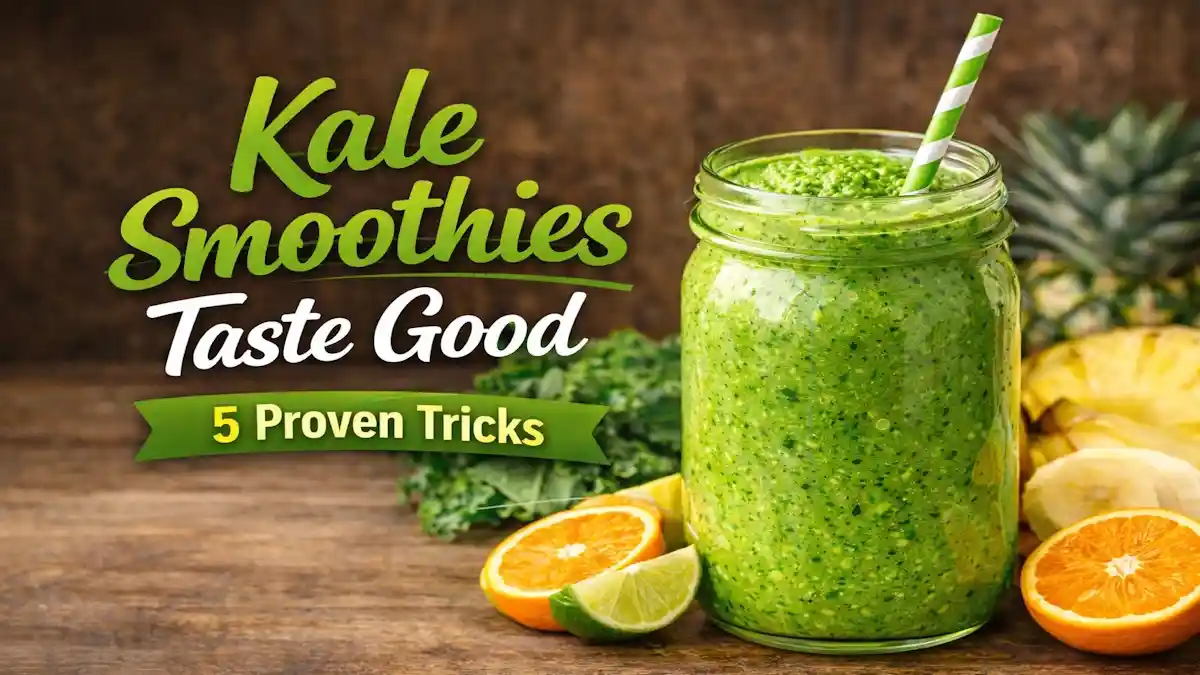
You make a healthy kale smoothie, take one sip, and it tastes grassy, bitter, or so strong you can’t finish the glass. The good news is kale doesn’t have to taste like that. If you’re wondering how to make kale smoothies taste good, the short answer is simple: balance kale’s bitterness with sweet fruit, creamy ingredients, a little acid, the right liquid, and a better blending order.
That one shift makes a huge difference, especially if you’re new to kale smoothie tips for beginners and want something you’ll drink again tomorrow. Instead of trying to hide kale with more random ingredients, it helps to know what to add to kale smoothies for taste, and why some pairings work better than others. A ripe banana, frozen mango, Greek yogurt, pineapple, lemon, and even oat milk can turn a harsh blend into an easy kale smoothie recipe that tastes good.
Next, you’ll see the five proven tricks that help make a kale smoothie less bitter, naturally sweeter, and much better balanced. Then we’ll look at the best tasting kale smoothie combinations, plus the common mistakes that make good ingredients taste worse.
Start With the Right Kind of Kale, Because Some Leaves Taste Milder Than Others
Kale comes in several varieties. Some pack a bold, bitter punch that overwhelms your first smoothie. Others stay mild and blend right in. Pick the right one, and you’ll cut bitterness from the start. This simple kale smoothie tip for beginners makes your drink taste fresh, not grassy.
Start small if you’re new to greens. Your blender and taste buds will thank you. Let’s break down the best options.
Baby kale and lacinato kale are easier for beginners
Baby kale tops the list for mild flavor. Growers harvest these young leaves early. They stay tender with little bitterness. No tough chew or strong aftertaste. In smoothies, they mix smoothly into sweet fruits like bananas or mangoes.
Lacinato kale works next. You might hear it called dinosaur kale for its bumpy, dark leaves. It tastes nutty and less sharp than curly types. The flat leaves break down easily in a blender. For example, toss a handful with pineapple, and the result drinks like a treat, not a chore.
Other kales, like curly, bring more bite. Skip them at first. Check out types of kale and their uses to see photos and pick wisely next shopping trip. Both baby and lacinato keep how to make kale smoothies taste good straightforward.
Remove stems and use a lighter handful for a smoother flavor
Stems ruin the vibe. They hide fibers that stay tough even after blending. Plus, they add extra bitterness right where you don’t want it. Strip them out every time. Hold the leaf at the base. Fold it in half. Pull or snip the stem away. Quick work for better results.
Begin with one cup of leaves, loosely packed. That’s about a small handful for a 16-ounce smoothie. It adds nutrition without overpowering. Blend it with a banana and berries first. Taste the difference right away.
Build up slowly. After a week, try 1.5 cups. Your palate adjusts, and the smoothie stays balanced. Too much kale too soon turns drinks muddy. This approach helps how to make kale smoothie less bitter while you ramp up greens. Stick here, and you’ll crave your next sip.
Use Sweet Fruit the Smart Way to Make Kale Smoothies Less Bitter
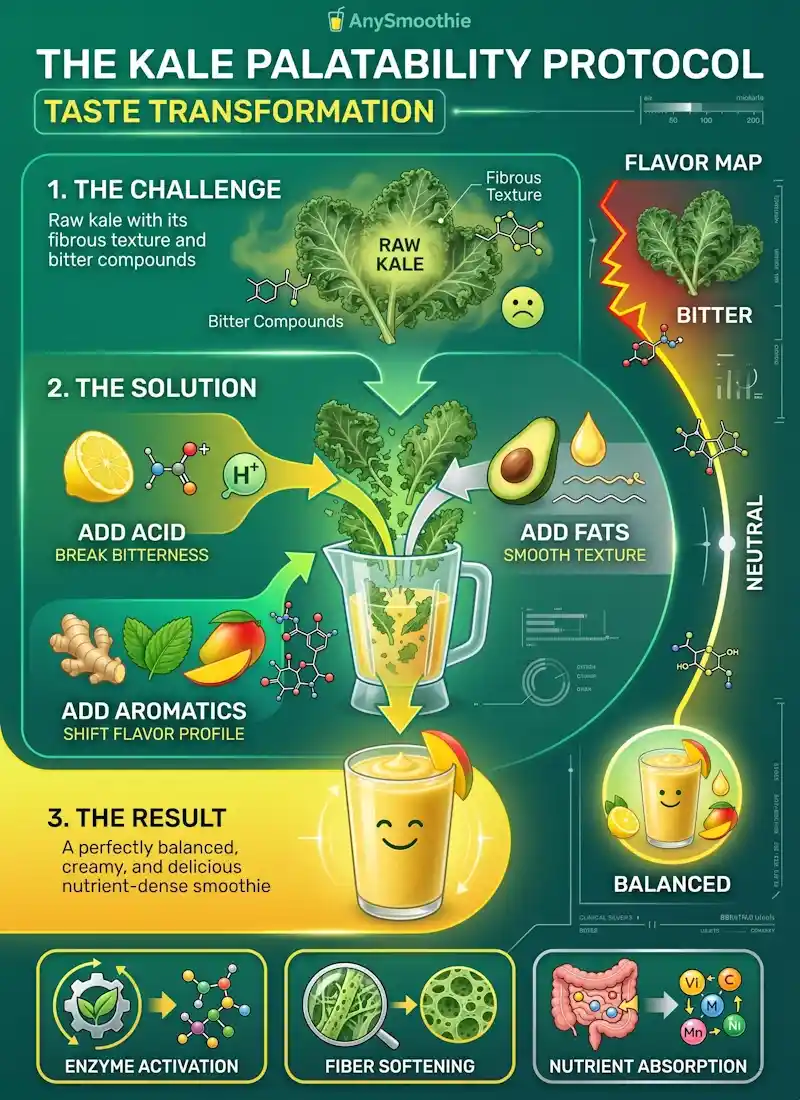
Sweet fruits turn bitter kale into something you actually enjoy. They add natural sugars that balance the sharp greens without extra calories or fake sweeteners. Because kale packs a punch, banana, mango, and pineapple stand out as top picks to make kale smoothies taste good. Start with one cup of kale and a full serving of these fruits. You’ll notice the difference right away.
Banana, mango, and pineapple do the most work for flavor
Bananas bring sweetness and creaminess to your blend. They mash easily, so the smoothie thickens without yogurt. Ripe ones work best; their soft texture coats the kale and softens its edge. For example, one medium banana per serving hides grassiness completely.
Mango softens the green flavor next. It adds a juicy, peachy note that pairs well with kale’s earthiness. Fresh or frozen chunks blend smooth and cut through toughness. In addition, the vitamin C boosts nutrition while you sip.
Pineapple finishes strong with sweetness and tartness. That zing slices bitterness like a knife through butter. It also adds enzymes that aid digestion. Blend a half-cup with kale, and the result tastes like vacation in a glass. Check out this kale pineapple smoothie recipe for proof it works.
These fruits overlap nicely. Use banana as base, then mango or pineapple for flair. Your kale smoothie tips for beginners get simpler this way.
Use frozen fruit for a colder, thicker, better tasting smoothie
Frozen fruit chills your drink fast, so no ice dilutes the flavor. It thickens the mix too, giving a milkshake feel that hides kale grit. Plus, the cold numbs sharp tastes from raw kale. Beginners love this trick because it forgives small mistakes.
Buy bags of frozen mango, pineapple, or banana slices. They stay fresh longer and portion easy. For a 16-ounce smoothie, use one cup frozen plus your kale. Blend on high until creamy. No watery mess.
The cold also mellows bitterness further. Heat from fresh blending can amplify it sometimes. Frozen skips that step. As a result, your how to make kale smoothie less bitter routine stays quick. Try it tomorrow, and you’ll blend more often.
Add Creamy Ingredients That Soften Kale’s Sharp Edge
Kale bites back with its sharp, grassy notes. Creamy add-ins coat that edge and build a richer mouthfeel. They turn thin, bitter blends into satisfying drinks you’ll finish every time. As a result, your kale smoothie tips for beginners include these staples from your fridge or pantry. Pick one or mix them in. They pair well with the sweet fruits from earlier.
Yogurt, avocado, and nut butter make kale taste richer and smoother
Yogurt adds tang and thickness right away. Plain Greek style works best because it whips smooth and cuts bitterness with mild acid. One half-cup per serving hides kale’s sharpness while boosting protein. It also chills the blend naturally.
Avocado brings silky fat that mellows earthiness. Scoop half a ripe one into your blender. The creaminess coats greens like a soft blanket, so no grit lingers. In addition, it adds healthy fats for staying power until lunch. See how this creamy avocado kale smoothie uses it simply.
Nut butter rounds out flavors with nutty depth. Almond or peanut styles shine here, just one tablespoon. They thicken without overpowering and balance kale’s bite against banana sweetness. Stir in after blending if you like chunks. These options make what to add to kale smoothies for taste easy when fruits alone fall short.
Choose a liquid that helps, not one that waters everything down
Liquids set the base, so pick wisely. Watery ones dilute creaminess and let bitterness peek through. Creamier bases build body and mask sharp notes better.
Milk creates the thickest texture. Whole or 2% versions coat kale fully and add subtle sweetness. However, plant-based folks skip it.
Almond milk stays light yet smooth. Unsweetened keeps calories low while thinning just enough. It works for everyday blends without heaviness.
Oat milk mimics dairy creaminess best. Its natural starch thickens as you blend, so smoothies feel indulgent. Great with nut butter too.
Coconut water lightens things up. Electrolytes refresh, and mild coconut hides bitterness well. Use it for tropical vibes with pineapple.
Orange juice brightens most. Citrus zing fights kale’s edge directly, plus vitamin C aids absorption. Dilute half-and-half with milk for balance. This guide to best liquids for smoothies compares options clearly. Start with one cup per serving. Taste and adjust. Your how to make kale smoothie less bitter gets reliable this way.
Use Bright Flavors That Cut Through the Green Taste
Kale often leaves smoothies flat or muddy. Bright flavors fix that fast. They add zing and depth, so how to make kale smoothies taste good feels simple. Acids brighten first. Then spices layer in warmth. Both cut grassy notes without extra sugar. You sip something fresh and lively. Let’s see how.
Lemon, lime, and orange can make a kale smoothie taste brighter fast
Acid changes everything. It cuts the dull, earthy taste from kale. Think of it as a wake-up call for your greens. The sharp notes lift, and flavors pop clearer.
Lemon juice works quick. Squeeze half into your blend with pineapple and kale. The tartness slices bitterness while pineapple sweetens. No more flat sip; it tastes alive.
Lime pairs even better with tropical fruits. Mix kale, mango, and a lime wedge. That combo dances on your tongue. Acid balances the mud, so you finish the glass happy.
Orange juice shines too. Blend it with banana and kale for a sunny drink. The citrus softens sharpness naturally. For proof, try this citrus kale green smoothie recipe. Kale smoothie tips for beginners start here because acid forgives heavy greens.
Start small, about one tablespoon per serving. Taste as you go. In addition, it helps kale’s nutrients absorb better. Your how to make kale smoothie less bitter routine gets a boost.
Ginger, vanilla, cinnamon, and cocoa help hide the grassy flavor
Small add-ins shift the whole drink. They mask grassiness with bold hints. You barely notice the kale anymore.
Ginger adds spice first. Grate a one-inch piece into pear and kale. It warms the blend and overpowers earthiness. Smoothies feel invigorating, not bland.
Vanilla extract smooths next. A half-teaspoon rounds edges softly. Pair it with banana and kale for dessert vibes. The aroma tricks your taste buds into loving greens.
Cinnamon brings cozy notes. Sprinkle a pinch over apple and kale. It tempers bitterness like a hug. Meanwhile, cocoa powder deepens everything. One tablespoon with banana and kale creates chocolate heaven. No grassy trace left.
These shine in combos. Banana plus cocoa plus kale tastes like a treat. Pear plus cinnamon plus kale feels autumn-fresh. Check this hide your kale smoothie for easy ideas. What to add to kale smoothies for taste stays simple this way.
Use fresh or ground forms. Blend well so no grit lingers. As a result, your drinks vary daily. Bright flavors make easy kale smoothie recipe that tastes good a habit.
Blend in the Right Order, and Balance the Recipe Before You Drink It
You blend your kale smoothie, but chunks linger or flavors clash. Poor order creates grit and uneven taste. Blend smart, then taste and tweak before pouring. This final trick ties everything together. It ensures smooth texture and balanced flavor so how to make kale smoothies taste good becomes effortless. Follow these steps, and your drink finishes creamy every time.
The best blending order for a smooth, not chunky, kale smoothie
Order matters in the blender. Liquids go first. They create a base that spins greens smooth. Kale breaks down better this way, so no leafy bits stick around.
Start with one cup of your chosen liquid, like oat milk or orange juice. Add the kale next, stems removed. Pulse a few times. The liquid soaks the leaves and chops them fine before other ingredients join.
Layer soft fruits after, such as ripe banana or mango chunks. Then drop in harder items like frozen pineapple or avocado. Finish with yogurt, nut butter, or ice if needed. Blend on high for 30 to 60 seconds.
This method protects your blender too. It avoids motor strain from dry kale. For a full breakdown, see this guide to smoothie ingredient order. In addition, it improves taste because flavors mix evenly. Your kale smoothie tips for beginners stay simple. No more dumping everything at once.
- Pour liquid into the blender.
- Add kale leaves.
- Include soft fruits.
- Add creamy items and frozen pieces last.
- Blend until silky.
Test it next time. The result drinks like silk, not salad.
How to fix a smoothie that is too bitter, too thick, or too bland
Blends go wrong sometimes. Don’t toss it. Quick fixes save the day. Taste after blending, then adjust in small amounts.
Too bitter? Blend in ripe banana, mango, or a splash of pineapple juice. Citrus like lemon counters it fast. The sweetness and acid balance kale’s edge right away.
Too thick? Pour in more liquid, a quarter cup at a time. Almond milk thins without watering down flavor. Blend again briefly. It flows smooth now.
Too bland? Stir a pinch of salt; it wakes up tastes. Add vanilla extract, grated ginger, or extra lemon juice. These boost depth without sugar.
| Issue | Quick Fix | Why It Works |
|---|---|---|
| Bitter | Ripe fruit or citrus | Masks sharpness with sweet acid |
| Too thick | Extra liquid | Improves pourable texture |
| Bland | Salt, vanilla, ginger, lemon | Enhances flavors naturally |
These tweaks work because they target the problem directly. For more on bitterness, check tips to mask bitter kale. As a result, your easy kale smoothie recipe that tastes good rescues easily. Practice once, and you’ll fix on autopilot.
4 Best Tasting Kale Smoothie Combinations to Try First
You have the tricks down now. Put them to work with these best tasting kale smoothie recipes that beginners love. Each one balances kale perfectly, so you get nutrition without the grass. Start simple. Pick one tomorrow. They make how to make kale smoothies taste good feel effortless.
Common Mistakes That Make Kale Smoothies Taste Worse
Even with great ingredients, small slip-ups ruin kale smoothies. You follow a recipe, but the drink still tastes off or feels wrong. These errors sneak in easy, especially for beginners. Spot them, and you’ll fix how to make kale smoothies taste good right away. Balance stays key. Let’s cover the big ones.
Using too much kale too soon can overpower the whole smoothie
Newbies pack in greens for max nutrition. That backfires fast. Kale dominates with its bitter edge, so fruits and creams can’t compete. The result tastes like lawn clippings, not a treat.
Stick to a beginner ratio instead. Use one cup kale to two cups total fruit and add-ins. For a 16-ounce drink, that’s one small handful of leaves max. Blend with a banana and mango first. Sweetness shines through, and kale adds nutrition quietly.
Balance beats volume every time. More greens don’t mean better health if you skip the sip. Ramp up slowly over weeks. Your palate adapts, and drinks stay enjoyable. In short, kale smoothie tips for beginners start light. Check common kale mistakes for more pitfalls to dodge.
Ignoring texture is one reason healthy smoothies still taste bad
Taste links tight to feel. A watery mix lets bitterness float free. Gritty bits remind you of stems or unblended leaves. Warm blends amplify grassy notes too. All kill the fun.
Fix watery drinks with thicker liquids like oat milk. They coat kale better, so flavors hold. Grit comes from poor order or tough kale. Chop leaves fine, blend liquids and greens first. Cold frozen fruit chills everything and numbs sharp tastes.
Warmth worsens it because heat boosts compounds that bite. Always use ice or frozen items. Smooth, cold texture tricks your mouth into liking the green. As a result, how to make kale smoothie less bitter ties to this simple check. See smoothie texture fixes for quick tests. Taste improves when it slides down easy.
Conclusion
Milder kale like baby or lacinato pairs best with sweet fruits such as banana and mango.
Creamy add-ins like yogurt soften the edge, while lemon or ginger brightens the mix.
Blend in the right order, and you nail how to make kale smoothies taste good every time.
These tricks keep things simple.
No fancy recipes needed.
Just smart swaps turn bitter blends into drinks you crave.
Pick one combo like the PB banana cocoa today.
Tweak it your way and sip happy.
What’s your first tasty kale smoothie going to be?
🛡️ Safety Notes & Contraindications: Kale smoothie protocol
Oxalate content: kale contains oxalates, which can contribute to the formation of kidney stones in susceptible individuals; if you have a history of calcium-oxalate stones, consult a urologist and consider lightly steaming kale before blending to reduce oxalate levels.
Goitrogenic activity: raw cruciferous vegetables like kale contain progoitrin, which can interfere with thyroid hormone synthesis by inhibiting iodine uptake; individuals with hypothyroidism should avoid daily consumption of large amounts of raw kale.
Vitamin K and Blood Thinners: kale is extremely high in Vitamin K, which is essential for blood clotting; if you are taking anticoagulant medications like Warfarin (Coumadin), sudden increases in kale intake can reduce the drug’s effectiveness. Maintain a consistent intake and consult your doctor.
Digestive distress: the high fiber and complex sugars (raffinose) in raw kale can cause significant bloating and gas in individuals with sensitive digestion or IBS; start with baby kale and small portions to assess tolerance.
Thallium accumulation: kale is known to hyper-accumulate thallium (a heavy metal) from the soil; rotate your greens (spinach, chard, lettuce) frequently to prevent potential heavy metal buildup from exclusive kale consumption.
FAQ
Why is removing the “Kale Stems” critical for both texture and taste?
The stems of mature kale are high in lignin and cellulose, which are difficult for standard blenders to break down, resulting in a gritty texture. Biochemically, these fibrous parts also contain a higher concentration of bitter glycosinolates. Supporting this physiological system by using only the leaves—especially baby kale—optimizes the natural pathways of digestion and palate acceptance, ensuring the biochemical mechanics of the smoothie remain smooth and pleasant.
How do “Manganese and Vitamin C” in kale support connective tissue repair?
Kale is an excellent source of manganese and vitamin C, both of which are essential cofactors for the enzymes that build collagen. Biochemically, vitamin C stabilizes the collagen triple helix, while manganese activates the enzyme prolidase. Supporting this physiological system through green smoothies optimizes the natural pathways of “matrix maintenance,” ensuring the biochemical mechanics of joint and skin health are supported by whole-food nutrients.
Why does “Lemon and Citrus” brighten the flavor and improve iron absorption?
The citric acid in lemons and oranges acts as a flavor modulator that cuts through the earthy, sulfurous notes of kale. Biochemically, the vitamin C (ascorbic acid) in citrus also converts non-heme iron from the kale into a more soluble form. Supporting this physiological system through citrus-kale pairings optimizes the natural pathways of mineral uptake, ensuring the biochemical mechanics of “iron bioavailability” are maximized in every sip.
How do “Creamy Fats” like avocado or yogurt soften kale’s bitter edge?
Kale contains bitter-tasting compounds that are perceived more intensely in watery bases. Biochemically, the lipids in avocado or the proteins in Greek yogurt coat the tongue’s bitter receptors, reducing the perception of sharpness. Supporting this physiological system through creamy add-ins optimizes the natural pathways of “sensory modulation,” ensuring the biochemical mechanics of flavor delivery are balanced and satisfying.
Why is “Sequential Blending” important for preventing leafy grit?
Kale leaves require high-speed mechanical force to rupture their cell walls and release nutrients without leaving chunks. Biochemically, blending the greens with the liquid base before adding fruit ensures that the leaves are fully pulverized. Supporting this physiological system through a structured blending order optimizes the natural pathways of nutrient release, facilitating a more efficient absorption of the chlorophyll and phytonutrients trapped within the kale’s cellular structure.

Medical Disclaimer: AnySmoothie content is for educational purposes only and is not a substitute for professional medical advice. Consult a healthcare provider for personalized guidance. See our full Disclaimer & Terms of Use. AI Transparency: AnySmoothie may use AI to support content development. All content undergoes human editorial review for accuracy, clarity, and editorial quality. See our full AI Transparency.