
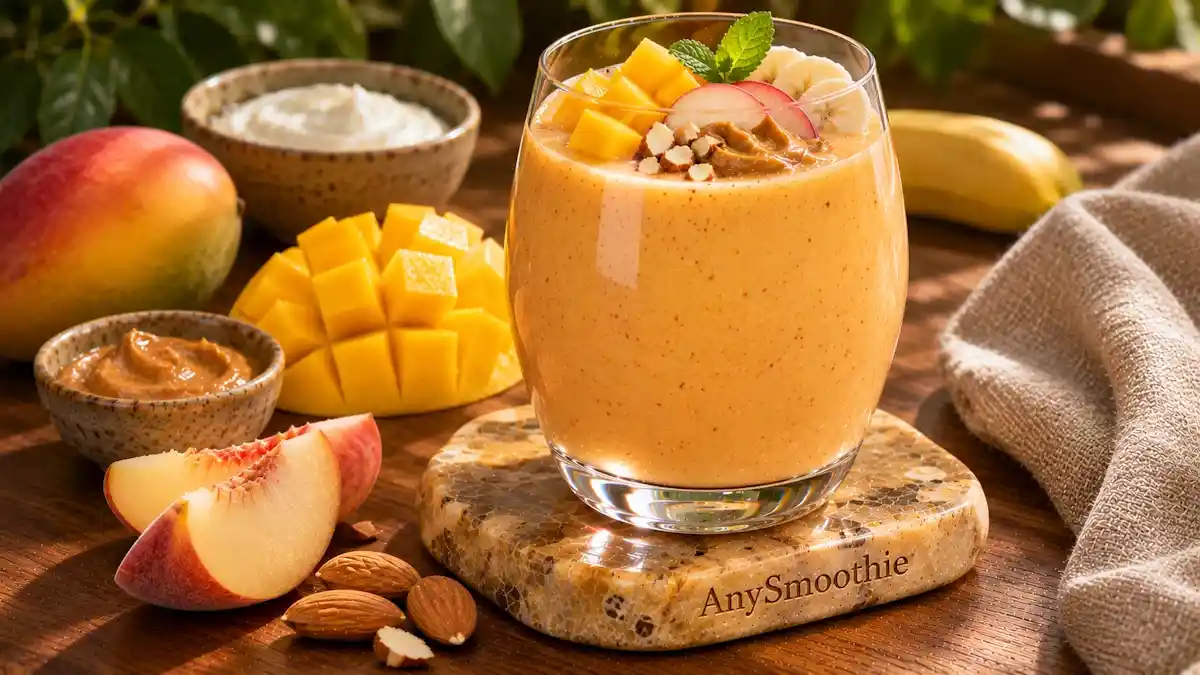
Tendons adapt to repeated physical loading, while food supplies nutrients your body uses to maintain and remodel tissue. A related discussion of joint and connective-tissue nutrition appears in glucosamine and chondroitin smoothie for joint repair. Smoothies for tendon mechanotransduction support can contribute to everyday nutrition, but they don’t replace a suitable exercise or rehabilitation plan.
The priority is appropriate, progressive loading, alongside enough food and a varied diet. Start with that distinction before choosing a recipe, because no ingredient can substitute for the movement signal itself.
How tendon mechanotransduction connects movement, food, and tissue support
Movement provides the primary mechanical stimulus for tendon adaptation, while nutrition supplies nutrients that support the ongoing maintenance and renewal of connective tissue.
Movement supplies the main signal
Mechanotransduction describes how cells convert physical forces into biological signals. In tendons, cells called tenocytes sense forces and respond through natural signaling pathways. A review of tendon cell biology describes how mechanical loading influences cellular activity involved in tissue upkeep and adaptation.
Appropriate loading progresses as your capacity allows. The right amount depends on your starting point and whether you’re managing an injury; greater force isn’t automatically better.
Nutrition supports normal tissue processes
Protein provides amino acids your body uses to maintain and remodel tissue. Vitamin C supports normal collagen formation, while fluids contribute to normal hydration. For a related but distinct collagen topic, see collagen type ii smoothies for joint cartilage repair. Adequate energy and a varied diet also support the body’s normal physiological systems.
These nutrients have supporting roles, but they don’t create the mechanical stimulus that exercise provides. A discussion of MSM in joint-focused formulations is available in msm smoothies for joint support. A smoothie can contribute to your daily intake without directly changing tendon signaling. No recipe below promises healing, pain relief, or faster recovery. Another related topic is hyaluronic acid smoothies for tissue hydration.

3 Smoothies for Tendon Mechanotransduction Support
These three single-serving options offer different flavors and nutritional profiles.
Nutrition belongs within the broader picture of rehabilitation and tissue support, alongside an appropriate exercise plan. The estimates below are rounded and vary with brands, fruit size, and ingredient composition.
Berry Citrus Yogurt Smoothie
Greek yogurt supplies most of this drink’s protein, while strawberries and orange provide vitamin C. Chia seeds add fiber and thicken the texture. Plain yogurt keeps added sweetness optional, so the fruit determines much of the flavor.
Ingredients
- 3/4 cup plain nonfat Greek yogurt
- 1/2 cup strawberries, fresh or frozen
- 1/2 cup orange segments
- 1 tablespoon chia seeds
- 1/2 cup water
Instructions
Blend all ingredients until smooth, adding a little more water if needed.
Estimated Nutrition (per serving)
- Calories: ~225 kcal
- Protein: ~20 g
- Carbohydrates: ~30 g
- Fat: ~5 g
- Fiber: ~8 g
- Sugars: ~20 g
Tart Cherry Oat Kefir Smoothie
Kefir contributes protein, and the oats make this option more substantial than a fruit-only drink. Expect a tangy flavor rather than dessert-like sweetness. Choose unsweetened tart cherries if you want the estimate to stay closer to the figures below.
Ingredients
- 1 cup plain low-fat kefir
- 3/4 cup frozen tart cherries
- 1/4 cup rolled oats
- 1 tablespoon pumpkin seeds
Instructions
Blend until creamy, then let the mixture sit for a few minutes if you prefer softer oats.
Estimated Nutrition (per serving)
- Calories: ~315 kcal
- Protein: ~15 g
- Carbohydrates: ~45 g
- Fat: ~9 g
- Fiber: ~5 g
- Sugars: ~27 g
Spinach Banana Tofu Smoothie
Silken tofu and soy milk provide a dairy-free protein base, while peanut butter adds richness. Fortified soy milk can also contribute calcium and vitamin D. The banana supplies mild sweetness, although this drink tastes less fruity than the other two.
Ingredients
- 1/2 cup silken tofu
- 1/2 medium banana
- 1 cup baby spinach
- 1 tablespoon peanut butter
- 1 cup unsweetened fortified soy milk
Instructions
Blend until smooth, scraping down the sides once if needed.
Estimated Nutrition (per serving)
- Calories: ~325 kcal
- Protein: ~21 g
- Carbohydrates: ~24 g
- Fat: ~18 g
- Fiber: ~5 g
- Sugars: ~10 g
Compare the smoothies and fit one into your routine
Choose the option that fits your appetite, preferences, and usual meals.
| Smoothie | Main nutritional focus | Texture | Flavor profile | Best use |
|---|---|---|---|---|
| Berry Citrus Yogurt | Protein, vitamin C, and fiber | Thick and lightly seedy | Bright, tangy, and fruity | A lighter snack |
| Tart Cherry Oat Kefir | Carbohydrates with protein and fiber | Creamy and substantial | Tart with a mild grain flavor | A more filling snack |
| Spinach Banana Tofu | Plant protein and unsaturated fats | Smooth and rich | Mildly sweet and nutty | A dairy-free option with staying power |
The berry option has the lowest estimated calories, while the cherry and tofu versions offer more substantial snacks. However, appetite and comfort matter more than choosing a drink based on one nutrient.
If you have food allergies or dietary restrictions, choose suitable swaps. Dairy, soy, and peanuts feature in these recipes. Replacing an ingredient can change protein content and texture, so the listed nutrition estimates won’t necessarily apply.
For celiac disease, use certified gluten-free oats. Also, lactose-free dairy may suit some people with lactose intolerance, but it isn’t suitable for a milk allergy.
Smoothies remain optional. Research on mechanical loading and tendon adaptation supports keeping movement central; ordinary meals can provide the same nutrients without a blender.
Conclusion: Keep loading and balanced nutrition at the center
Smoothies are convenient ways to include protein, produce, and other useful nutrients. However, consistent, appropriate tendon loading and an overall balanced diet matter more than any single drink.
Choose a recipe because it suits your tastes and nutritional needs. If you have ongoing tendon pain or concerns about exercise, seek guidance from a qualified health professional for an individualized plan.
🛡️ Safety Notes & Dietary Interactions
- Loading Comes First: These smoothies do not replace progressive tendon loading or rehabilitation. Ongoing tendon pain or exercise concerns should be addressed with an individualized plan from a qualified health professional.
- Dairy, Soy, and Peanuts: The recipes include yogurt or kefir, soy milk and tofu, and peanut butter. Check labels carefully and use appropriate alternatives for milk, soy, or peanut allergies.
- Gluten Considerations: The Tart Cherry Oat Kefir Smoothie contains oats. Anyone with celiac disease should use certified gluten-free oats, as ordinary oats may not meet their dietary requirements.
- Lactose and Texture: Lactose-free dairy may suit some people with lactose intolerance but does not make dairy safe for a milk allergy. Chia, oats, and seeds can also thicken smoothies and affect digestive tolerance.
FAQs
Which smoothie provides the most protein?
The Spinach Banana Tofu Smoothie provides the highest estimated protein, at approximately 21 grams per serving. The Berry Citrus Yogurt Smoothie provides about 20 grams, while the Tart Cherry Oat Kefir Smoothie provides approximately 15 grams.
Does vitamin C directly stimulate tendon mechanotransduction?
No. Vitamin C supports normal collagen formation, while mechanotransduction describes how tendon cells respond to physical forces. The article does not establish that vitamin C or any smoothie ingredient directly changes mechanotransduction. Appropriate mechanical loading remains the central stimulus discussed.
Which smoothie is the lightest option?
The Berry Citrus Yogurt Smoothie is the lightest, at approximately 225 calories per serving. It combines Greek yogurt, strawberries, orange, and chia seeds, providing about 20 grams of protein and 8 grams of fiber without the higher calorie density of the other two options.
Can I make the tendon smoothies dairy-free?
Yes. The Spinach Banana Tofu Smoothie is already dairy-free, using tofu and fortified soy milk as its protein base. The yogurt and kefir recipes can also be adapted with suitable plant-based alternatives, but substitutions will change their protein, calories, texture, and other nutritional values.
Should I drink one of these smoothies specifically after tendon exercise?
Not necessarily. The article emphasizes appropriate, progressive loading alongside adequate nutrition rather than a specific post-exercise smoothie. These recipes can contribute protein, carbohydrates, and other nutrients, but ordinary meals can provide the same nutritional components without requiring a particular timing window.

Medical Disclaimer: AnySmoothie content is for educational purposes only and is not a substitute for professional medical advice. Consult a healthcare provider for personalized guidance. See our full Disclaimer & Terms of Use. AI Transparency: AnySmoothie may use AI to support content development. All content undergoes human editorial review for accuracy, clarity, and editorial quality. See our full AI Transparency.