
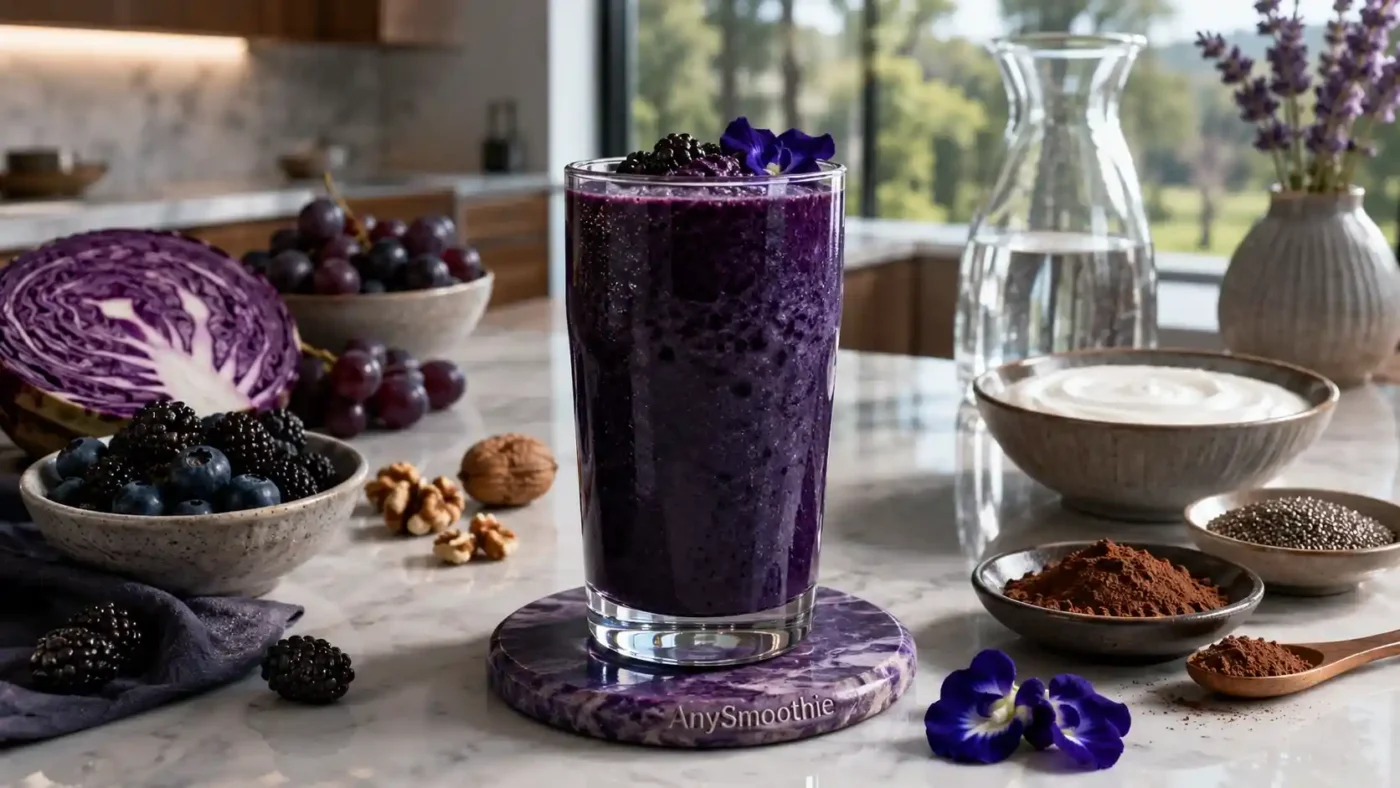
Mitochondria and the cell nucleus constantly exchange signals to coordinate energy production, stress responses, and repair. Smoothies supporting mitonuclear communication can’t control that process directly, but they can supply nutrients involved in antioxidant defense, mineral balance, one-carbon metabolism, and cellular signaling.
The goal is a practical drink that supports normal physiology, not a recipe that promises to change gene activity. By combining produce, protein, fiber, seeds, and unsweetened liquids, you can build blends that fit a balanced eating pattern. These three recipes offer useful starting points.
How Mitonuclear Communication Helps Cells Adapt
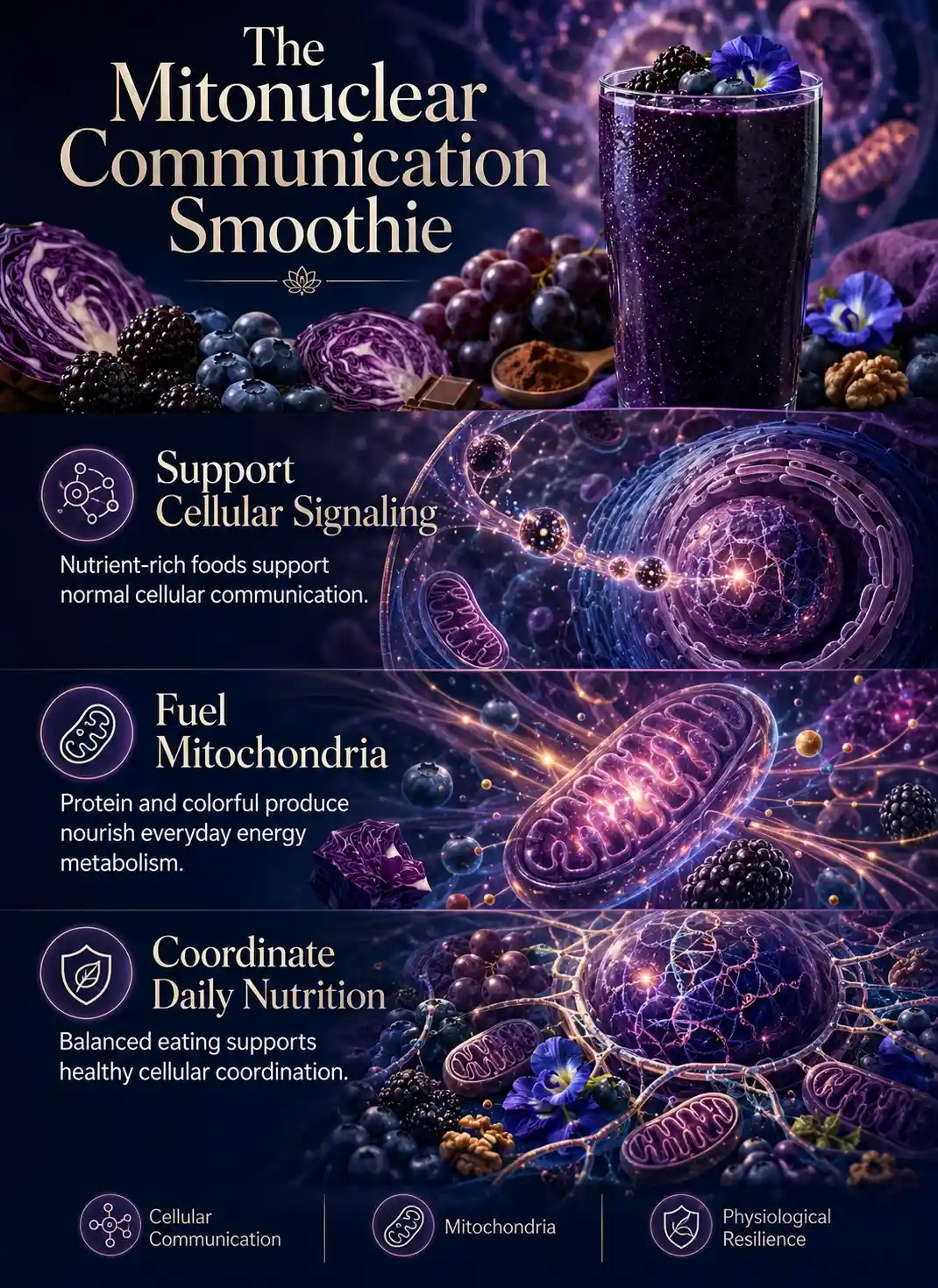
Mitonuclear communication is the two-way conversation between mitochondria and the cell nucleus. Mitochondria contain their own DNA, but most proteins they need are produced from instructions stored in nuclear DNA. Both genetic systems must stay coordinated so mitochondria can produce energy and respond to changing conditions.
Mitochondria send information back to the nucleus through retrograde signaling. Their energy status, reactive oxygen species, calcium levels, and metabolites can influence nuclear responses. These signals help the cell adjust antioxidant defenses, energy production, repair activity, and the handling of nutrient availability.
Nutrient sensing also affects this network. Compounds involved in one-carbon metabolism, for example, help regulate methylation reactions that influence cellular gene expression. Minerals such as magnesium Support enzymes involved in energy metabolism, while plant compounds can interact with redox-sensitive pathways.
Research on nutrition and mitochondrial function continues to develop. A Review of nutrition and cell signaling describes links between nutrients, mitochondrial activity, autophagy, and metabolic signaling. Still, no human study has shown that one smoothie improves mitonuclear communication. Food provides raw materials and supports physiological conditions, but it isn’t a targeted treatment.
Key Nutrients That Support Mitochondrial and Cellular Signaling
Leafy greens and legumes provide folate, magnesium, and other nutrients involved in energy metabolism and one-carbon pathways. Spinach, kale, lentils, and soy foods can add these nutrients without relying on supplements.
Berries, cherries, citrus, kiwi, and other colorful produce contain polyphenols and vitamin C. These compounds support normal antioxidant systems, which help cells manage oxidative reactions. Vitamin C also supports collagen formation and helps protect cells from oxidative damage as part of the body’s wider defense network.
Nuts and seeds contribute magnesium, zinc, selenium in some varieties, protein, and unsaturated fats. Pumpkin seeds, hemp hearts, chia seeds, walnuts, and flaxseed each bring a different nutrient profile. Unsweetened cocoa contains flavanols, while oats provide beta-glucan and other fiber.
A varied diet matters more than any single ingredient. Mitochondrial pathways depend on overall energy intake, protein, micronutrients, sleep, physical activity, and Metabolic health.
Why Smoothies Can Be a Practical Delivery System
Blending makes it easy to combine fruits, vegetables, seeds, and protein in one serving. It can also help people eat produce they may not choose as a side dish. For more ideas on combining fruits and vegetables in smoothies, use a simple formula rather than adding every ingredient in the kitchen.
The limits matter, too. A smoothie can become a high-sugar, high-calorie drink when it contains juice, sweetened yogurt, dates, honey, and several pieces of fruit. Blending doesn’t create unique mitochondrial effects and should complement, not replace, balanced meals, regular physical activity, adequate sleep, and professional nutrition advice.
Keep whole produce, fiber, and an unsweetened liquid in the mix. Drinking a blended meal may also feel less filling than chewing whole foods, so pay attention to portion size and hunger.
3 Smoothies Supporting Mitonuclear Communication
These nutrient-dense combinations support normal Cellular energy and stress-response pathways. They aren’t proven methods for changing gene signaling or treating a health condition.
| Smoothie | Main ingredients | Key nutrients | Best use | Important considerations |
|---|---|---|---|---|
| Berry, spinach, and hemp | Berries, spinach, hemp, yogurt | Polyphenols, folate, magnesium, protein | Breakfast or snack | Ask a clinician about major leafy-green changes if medication affects vitamin K |
| Citrus, kiwi, and pumpkin seed | Orange, kiwi, cucumber, pumpkin seeds, yogurt | Vitamin C, magnesium, fiber, protein | Light morning blend | Grapefruit interacts with some medications |
| Cacao, cherry, and oat | Tart cherries, cocoa, oats, chia, yogurt | Plant compounds, fiber, magnesium | Fiber-rich snack | Choose unsweetened cocoa and check added sugar |
How to Build a Smoothie Routine Without Overpromising Results
A balanced smoothie can follow a straightforward formula: one to two servings of produce, a protein source, a fiber-rich ingredient, and an unsweetened liquid. Greek yogurt, tofu, soy milk, or unsweetened protein powder can provide protein. Oats, chia, flax, berries, and leafy greens add fiber.
Rotate ingredients instead of repeating one recipe every day. Different colors often bring different plant compounds, and variety helps prevent a narrow eating pattern. You might use berries and spinach one day, kiwi and cucumber the next, then cherries and oats later in the week.
Keep portions modest when the smoothie accompanies a meal. If it replaces breakfast, include enough protein and fiber to make it satisfying. Protein-rich smoothie recipes for healthy aging offer additional combinations built around yogurt, tofu, soy milk, seeds, and oats.
People with diabetes, kidney disease, food allergies, digestive conditions, or medication concerns should personalize recipes with a qualified professional. Blood glucose response, mineral needs, and food tolerance vary widely. A smoothie can support a sound eating pattern, but outcomes depend on the whole diet and lifestyle.
Common Mistakes That Can Reduce the Value of a Smoothie
Using juice as the base removes much of the fiber and can make the drink sweeter than necessary. Adding honey, maple syrup, dates, and sweetened protein powder compounds the same problem.
Skipping protein can leave a fruit-heavy smoothie less satisfying. Oversized portions also turn a nutritious blend into more energy than you intended. Powders with unclear proprietary blends may add ingredients without clear amounts or reliable value.
Read labels, begin with a modest serving, and chew whole foods during the day. Smoothies work best as one part of a varied diet, not as a replacement for every meal.
Conclusion
Mitonuclear communication involves mitochondrial DNA, nuclear DNA, nutrient sensing, and cellular stress signals. These smoothies provide nutrients that support normal antioxidant defenses, enzyme activity, fiber intake, and energy metabolism, but no recipe has been proven to directly control the process.
Choose the blend that fits your needs, keep added sugar low, and rotate ingredients. Pair nutrition with adequate sleep, regular movement, and other evidence-based habits. Healthy cellular signaling depends on the pattern, not a single glass.
🛡️ Safety Notes & Dietary Interactions
- Support Normal Cellular Physiology: These smoothies provide protein, fiber, vitamins, minerals, healthy fats, and plant compounds that support normal cellular nutrition. They are not proven to directly influence mitonuclear communication, gene expression, mitochondrial DNA, or cellular signaling pathways.
- Adapt Recipes for Individual Health Needs: If you have kidney disease, diabetes, digestive disorders, food allergies, are pregnant, or follow a medically prescribed diet, adjust ingredients such as leafy greens, dairy, seeds, fruit, and protein sources with guidance from a qualified healthcare professional.
- Be Aware of Medication Interactions: Large increases in leafy green vegetables may affect vitamin K intake, which can influence certain anticoagulant medications. Grapefruit can also interact with several prescription drugs. Consult your healthcare provider or pharmacist before making significant dietary changes if you take these medications.
- Focus on Long-Term Dietary Patterns: No single Smoothie can optimize mitochondrial function or cellular communication. Regular physical activity, adequate sleep, balanced meals, hydration, and overall dietary variety remain the most evidence-based ways to support normal metabolic and cellular health.
FAQs
What is mitonuclear communication?
Mitonuclear communication is the continuous exchange of signals between mitochondria and the cell nucleus. This coordination helps regulate normal energy production, cellular stress responses, protein maintenance, and many other physiological processes required for healthy cell function.
Can a smoothie improve mitonuclear communication?
Current scientific evidence does not show that any smoothie or individual food can directly improve mitonuclear communication in humans. Instead, balanced meals provide nutrients that support the normal physiological systems involved in cellular metabolism, antioxidant defenses, and overall health.
Which nutrients are commonly included in these smoothies?
These recipes emphasize nutrients such as protein, magnesium, folate, vitamin C, fiber, healthy unsaturated fats, and naturally occurring plant compounds from berries, leafy greens, citrus fruits, seeds, oats, yogurt, tofu, and other minimally processed whole foods.
Why is dietary variety important for mitochondrial health?
Different fruits, vegetables, legumes, whole grains, dairy foods, and seeds provide distinct combinations of vitamins, minerals, amino acids, fiber, and plant compounds. Eating a wide variety of nutrient-dense foods supports overall nutritional adequacy more effectively than relying on any single ingredient or smoothie recipe.
Should I drink these smoothies every day?
Yes. These smoothies can be enjoyed regularly as part of a balanced eating pattern. Rotating ingredients throughout the week helps increase dietary diversity while supporting overall nutrition, rather than depending on one specific recipe or nutrient for cellular health.

Medical Disclaimer: AnySmoothie content is for educational purposes only and is not a substitute for professional medical advice. Consult a healthcare provider for personalized guidance. See our full Disclaimer & Terms of Use. AI Transparency: AnySmoothie may use AI to support content development. All content undergoes human editorial review for accuracy, clarity, and editorial quality. See our full AI Transparency.