
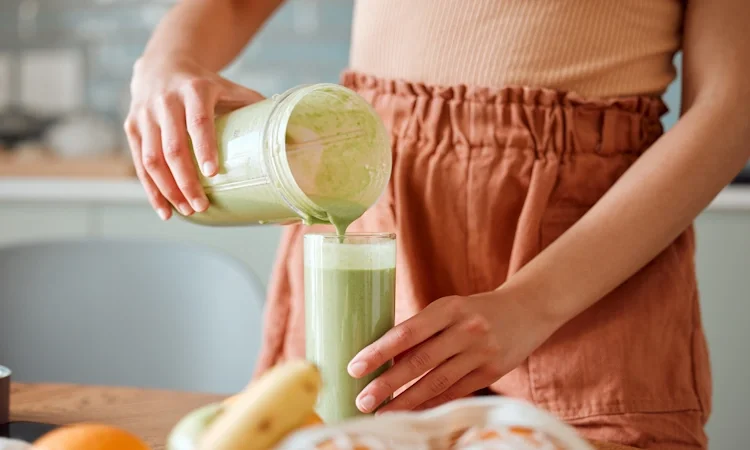
Bloating after lunch, bathroom trips that feel random, or that heavy feeling after a “normal” meal can make your day feel off. If that sounds familiar, you’re not alone. Your gut is home to trillions of microbes, and when the helpful ones have what they need, digestion often feels steadier.
That’s where probiotics come in. Probiotics are live, helpful microbes found in certain foods. They don’t “fix” everything overnight, and smoothies aren’t a cure-all. Still, a smoothie can be a simple daily habit that’s easy to repeat, especially when breakfast is rushed.
Weight Loss Programs

Diet & Weight Loss
Diet & Weight Loss

Diet & Weight Loss
Diet & Weight Loss
BellyFlush™ – Gut Cleanse and Digestive Detox for Weight Support
This guide breaks down probiotic-powered smoothies for gut health in plain terms, including what probiotics are, which smoothie add-ins actually support your microbiome (including prebiotics), easy recipes you can rotate, and common mistakes that can make a “healthy” smoothie feel rough on your stomach.
What makes a smoothie “probiotic-powered” (and what actually helps your microbiome)
A smoothie earns the “probiotic-powered” label when it includes a real source of live microbes, not just fruit and juice with a wellness name. The key word is live. Heat, time, and sometimes processing can reduce the number of living cultures, which is why your ingredient choices matter.
Probiotics are commonly measured in CFUs (colony-forming units) in supplements, but food labels don’t always list counts. That’s okay. For smoothies, the practical move is to choose fermented foods that clearly state they contain live cultures, then support those microbes with fiber-rich ingredients.
It also helps to keep expectations realistic. Some people feel less bloated within a week. Others notice changes only after a few weeks, and some feel no difference. Your baseline diet, stress, sleep, and the specific strains you tolerate all play a role. Even within yogurt, different brands can use different strains, so two “probiotic” products may not feel the same in your body.
If a smoothie suddenly makes you gassy or crampy, it’s often a dose issue, not a “you can’t do probiotics” issue. Start smaller and build up.
Probiotics vs prebiotics, you need both for the best results
Think of probiotics as the “seeds” and prebiotics as the “fertilizer.” Probiotics are the helpful microbes. Prebiotics are certain fibers and plant compounds that feed those microbes.
For a lot of people, prebiotic and probiotic smoothies feel gentler than probiotics alone, because fiber slows digestion and helps prevent a big sugar spike. It can also support more consistent bathroom habits over time.
Easy microbiome-boosting foods that blend well include:
- Bananas that are slightly green (often easier on sugar balance)
- Oats (adds thickness and steady energy)
- Chia seeds (fiber plus a gel-like texture)
- Ground flax (easy way to add fiber)
- Apples (use a small chunk, peel if you’re sensitive)
- Berries (fiber and polyphenols without a lot of sugar)
- Leafy greens like spinach (mild flavor when blended well)
If you want a quick refresher on which foods count as prebiotics, this guide to adding prebiotics to smoothies gives helpful examples you can match to what you already buy.
Used together, probiotic-powered smoothies for gut health become less about a trendy ingredient and more about a balanced routine your gut can handle.
The best probiotic choices for smoothies, kefir, yogurt, and non-dairy options
Your probiotic “base” sets the tone for taste, texture, and how your stomach feels afterward. These are the most practical options:
Kefir (dairy or lactose-free): Drinkable, tangy, and easy to blend. Many people like kefir because it’s thin enough to replace milk. If you’re deciding between liquids, this article on why kefir works well in smoothies explains the appeal in simple terms.
Plain yogurt with live cultures: Go for unsweetened when you can, then sweeten with fruit. Look for labeling that mentions “live and active cultures.”
Skyr or Greek yogurt: Thick, high-protein, and helpful if smoothies leave you hungry. Texture can get very thick, so add water or ice.
Non-dairy yogurts with live cultures: Coconut, almond, soy, and cashew options can work, but labels vary a lot. Check for live cultures, and watch added sugar.
Small fermented add-ins (optional): A spoon of cultured cottage cheese can boost protein, and a small splash of kombucha can add a tangy note if you tolerate it. Keep amounts modest at first.
No matter which base you choose, read the ingredients list. Added sugar can climb fast, especially in flavored kefir and fruit-on-the-bottom yogurts. With the right base, probiotic-powered smoothies for gut health start to feel like real gut health drinks, not dessert in a cup.
Build a gut-friendly smoothie that tastes good and feels good after you drink it
A smoothie should feel like a soft landing, not a sugar rush followed by a stomach ache. The sweet spot is a blend that has: a probiotic base, enough fiber to slow things down, and enough protein and fat to keep you satisfied.
Portion size matters too. A 12 to 16-ounce smoothie is plenty for most people. If you’re adding lots of extras, even 10 to 12 ounces can be enough. When a smoothie becomes 24 ounces of fruit plus juice, it can act more like a bolus of sugar and fermentable carbs. That’s where gas and urgency can show up, even with “healthy” ingredients.
The goal is comfort. For smoothies for digestion, that usually means starting simple, then adding one new ingredient at a time. Besides, your gut likes patterns. A consistent, repeatable breakfast often beats a complicated “perfect” blend you make once.
Once you get the formula down, probiotic-powered smoothies for gut health become a weeknight habit too, not just a weekend project.
A simple formula: probiotic base, fiber, protein, and a not-too-sweet fruit mix
Use this structure, then mix flavors based on what you like. Keep it flexible, but stick to the order.
- Choose a probiotic base (1 to 1 1/2 cups): kefir, plain yogurt plus water, or cultured non-dairy yogurt plus unsweetened milk.
- Add prebiotic fiber (1 to 2 tablespoons): oats, chia, or ground flax.
- Add protein (optional but helpful): Greek yogurt, an unflavored protein powder you tolerate, or silken tofu for a dairy-free option.
- Add fruit (1 to 1 1/2 cups): prioritize berries, then add small amounts of banana, mango, or pineapple for sweetness.
- Add flavor helpers: cinnamon, vanilla extract, cacao, lemon or lime juice, and a pinch of salt.
One texture trick makes a big difference: blend leafy greens with the liquid first, then add everything else. You get a smoother drink and fewer “green flecks.”
If you want more recipe inspiration beyond this post, EatingWell has a 30-day gut-healthy smoothie plan that shows how different ingredients can rotate without getting boring.
Common gut triggers to watch for (and easy swaps)
Sometimes the “healthy” smoothie problem is just one ingredient that doesn’t agree with you, or a portion that’s too big. Here are common culprits and simple swaps:
- Too much fruit or juice: Use water or unsweetened milk, and make berries your main fruit.
- Sugar alcohols (often in “keto” sweeteners): Skip them if they leave you bloated.
- Big scoops of inulin or chicory fiber: Start with a small amount, or use oats instead.
- Too much nut butter: Measure 1 tablespoon, don’t free-pour.
- Lactose sensitivity: Choose lactose-free kefir, or a non-dairy yogurt with live cultures.
- High-FODMAP fruits (for sensitive guts): Try blueberries, strawberries, kiwi, or a small amount of citrus instead.
- Artificial flavors and gums: If a product always upsets you, switch brands and compare labels.
- Too-cold smoothies: Let it sit 5 minutes before drinking, especially in winter.
Listen to your body and adjust. The best probiotic-powered smoothies for gut health are the ones you can drink comfortably, then go about your day.
Probiotic smoothie recipes you can rotate all week (plus storage and safety tips)
Recipes should be quick enough for a Tuesday morning. Each option below uses a probiotic base plus microbiome-boosting foods, without going overboard on sugar. They’re also easy to tweak for low lactose or dairy-free needs.
A quick note on keeping cultures alive: avoid hot liquids, and don’t microwave your smoothie. If you use a probiotic powder, follow the label directions and add it after blending, or pulse it in briefly at the end.
Safety first: If you’re pregnant, immunocompromised, or managing a serious health condition, check with a clinician before adding new fermented foods or probiotic supplements.
With that in mind, these probiotic-powered smoothies for gut health can fit into real life, even when you’re running out the door.
5 easy probiotic smoothie recipes for gut health (with simple swaps)
1) Berry Kefir Oat Smoothie (classic and steady)
Ingredients: 1 cup plain kefir (or lactose-free), 1 cup frozen mixed berries, 2 tablespoons rolled oats, 1 tablespoon chia seeds, 1/2 teaspoon cinnamon, 1 to 3 ice cubes (optional).
Steps: Blend until smooth. Let it sit 2 minutes to thicken, then sip.
2) Tropical Ginger Yogurt Smoothie (bright, not too sweet)
Ingredients: 3/4 cup plain yogurt, 1/2 cup frozen pineapple, 1/2 banana, 1/2 cup spinach, 1 teaspoon grated ginger, squeeze of lime, 1/2 cup water or unsweetened milk.
Steps: Blend liquid and spinach first, then add the rest and blend again.
Swap: For lower lactose, use lactose-free yogurt or a cultured non-dairy yogurt.
3) Green Prebiotic Crunch Smoothie (cool and hydrating)
Ingredients: 1 cup kefir, 1 kiwi (peeled), 1 cup spinach, 1 tablespoon ground flax, 2 tablespoons oats, 1/3 cup cucumber, pinch of salt.
Steps: Blend until silky. Add extra water if you want it thinner.
4) Chocolate Cherry Culture Smoothie (dessert vibe, balanced)
Ingredients: 3/4 cup plain Greek yogurt, 1 cup frozen cherries, 1 tablespoon cacao powder, 1 tablespoon peanut or almond butter, 1/2 teaspoon vanilla extract, pinch of salt, splash of water as needed.
Steps: Blend until creamy. Taste, then add a few ice cubes if you want it colder.
Swap: Use a non-dairy cultured yogurt and hemp seeds for a dairy-free version.
5) Non-Dairy Coconut Kefir Smoothie (gentle, dairy-free)
Ingredients: 1 cup coconut kefir or cultured non-dairy yogurt, 1 cup frozen strawberries, 1 tablespoon hemp seeds, 1/2 teaspoon vanilla, handful of baby spinach, 1/2 cup water or unsweetened almond milk.
Steps: Blend until smooth. Add more liquid for a thinner texture.
If you want another dairy-free reference point, Forager Project shares a vegan probiotic smoothie recipe that can spark more flavor ideas.
These are probiotic smoothie recipes you can repeat without getting bored, which is what helps the habit stick. That repetition is what makes probiotic-powered smoothies for gut health feel practical instead of fussy.
Make-ahead tips that keep texture fresh and cultures happier
Smoothies taste best right after blending, but you can still prep them in a way that saves time. The goal is to protect texture, keep flavors bright, and avoid stressing the cultures with heat.
Freeze fruit in single-serve bags or containers, so you can dump and blend. Next, pre-measure dry add-ins like oats, chia, and flax into small jars. In the morning, all you do is add your probiotic base and blend.
If you need to store a smoothie, keep it in the fridge and drink it within 24 hours for best taste. Separation is normal, so shake hard or re-blend. When possible, add the probiotic base right before drinking, especially if you’re prepping freezer packs.
Probiotic powders can be convenient, but pick reputable brands and follow the label. Most importantly, don’t mix powders into hot liquids. Heat can reduce viability fast. For people comparing kefir options at the store, this roundup of probiotic-rich kefirs can help you see what’s commonly available.
With these small steps, probiotic-powered smoothies for gut health stay easy even on your busiest weeks.
Conclusion
If your stomach often feels “off,” smoothies can be a simple place to start. Choose a real probiotic base, add prebiotic fiber, and keep sugar reasonable. Then start small, because your gut usually prefers gradual change.
Try a 7-day experiment: pick one recipe, have it 3 to 4 times, and jot down how you feel (bloating, regularity, energy). Adjust one ingredient at a time so you know what helps.
Most importantly, read the label for live cultures, and avoid mixes loaded with sugar. With time, this smoothie guide can help probiotic smoothies for gut health turn into a simple routine that makes mornings feel lighter, not weighed down.

The AnySmoothie team is all about smarter smoothie recipes made with whole-food ingredients. Everything we share centers on balanced nutrition, steady energy, and low-glycemic choices, so you can sip a smoothie that keeps you full, feels good, and helps you avoid sugar crashes.
- Disclaimer: This content is for educational use only. These smoothie recipes and nutrition details aren’t a substitute for medical advice from a licensed health professional. Please read our full Medical Disclaimer here.
Dietary Supplements
Dietary Supplements
GlucoBerry – Daily Support for Healthy Blood Sugar and Energy
Dietary Supplements
Joint Genesis – Daily Support for Comfortable, Confident Movement
Dietary Supplements
Audifort – Daily Support for Brain Clarity and Comfortable Hearing
Dietary Supplements