
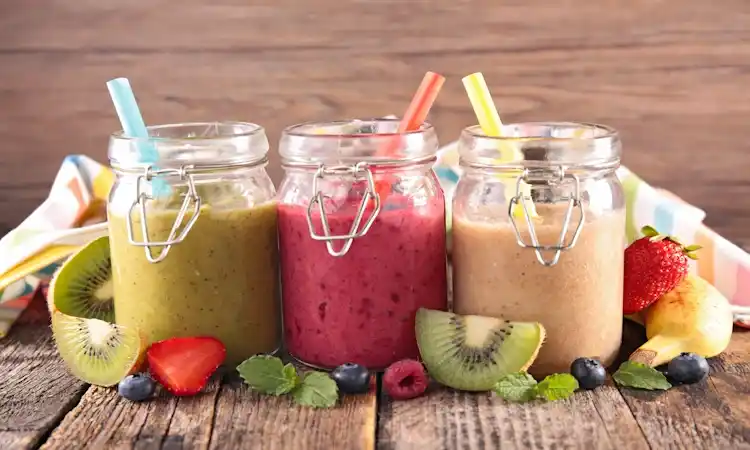
Mornings can feel like a sprint you didn’t train for. You want breakfast, but you also need to get kids out the door, catch a train, or log on to an early meeting. So you skip it, or you grab something pricey, or you promise yourself you’ll “do better tomorrow.”
Pre-prep smoothie packs make that promise easier to keep. They turn a 5 to 10 minute smoothie into a 1 to 2 minute habit because the chopping and measuring is already done. You just add liquid and blend.
Weight Loss Programs
Diet & Weight Loss
Diet & Weight Loss
Diet & Weight Loss
Diet & Weight Loss
BellyFlush™ – Gut Cleanse and Digestive Detox for Weight Support
In this guide, you’ll learn how smoothie prep bags for the freezer work, what to put in them (with a simple formula), how to freeze for better texture, and a set of easy smoothie freezer pack recipes you can mix and match all week.
How pre-prep smoothie packs work (and why they save your mornings)
The idea is simple: you portion smoothie ingredients into freezer-safe bags or containers ahead of time. Then, on a busy morning, you dump one pack into the blender, add your liquid, and blend. No sticky cutting boards. No half-used bags of spinach turning into swampy sludge. No staring into the fridge like it’s going to suggest breakfast.
Pre-prep smoothie packs help almost anyone, but they really shine for:
- Parents who need breakfast in one hand and car keys in the other
- Commuters who want a healthy grab-and-go smoothie they can sip on the way
- Students who need something fast between classes
- Anyone doing freezer smoothie meal prep to stay consistent during the week
The benefits add up quickly. First, mornings get faster because the work moves to one prep session. Second, you create fewer dishes because you’re not rinsing knives and measuring cups every day. Third, portioning ingredients into packs keeps your smoothies from turning into “everything I own in a blender.” That means more predictable calories and protein, and fewer sugar bombs.
This method also cuts food waste. You freeze ripe bananas before they go brown. You use that last handful of berries. You stash greens while they’re still fresh. If you want recipe inspiration beyond what’s in this post, The Kitchn’s make-ahead smoothie pack ideas are a helpful look at how different flavor themes can work with the same prep routine.
What goes in a great smoothie pack: a simple formula
A good pack has structure. Think of it like building a sandwich. You need a base, a “main,” and a few extras.
Here’s an easy template to remember:
- Fruit (sweetness + texture): about 1 to 1.5 cups
- Veggies (nutrients): about 0.5 to 1 cup
- Protein (staying power): 1 add-in
- Healthy fat (creaminess): 1 add-in
- Flavor boosters (optional): 1 to 2 small add-ins
Most liquids stay out of the freezer pack. Add them at blending time so your bag doesn’t leak or freeze into a weird brick. The only exception is freezing liquid into cubes (like coffee or coconut water) when you want a colder drink without watering it down.
If your smoothies never keep you full, it’s usually not a willpower problem. It’s a missing protein or fat problem.
Freezer smoothie meal prep basics: tools, containers, and batch size
You don’t need fancy gear. You need a decent blender and a system you’ll repeat.
A simple setup looks like this: a cutting board, a knife, a sheet pan (for quick pre-freezing), freezer-safe bags or containers, and a marker for labels. Measuring cups are optional, but helpful the first few weeks.
Here’s a quick comparison of common container options:
| Option | Best for | Pros | Cons |
|---|---|---|---|
| Reusable silicone bags | Frequent prep | Durable, less waste, seals well | Higher upfront cost |
| Zip-top freezer bags | Beginners | Cheap, easy to freeze flat | More single-use plastic |
| Small freezer containers | Chunk-free stacking | Great for liquids-free packs | Takes more freezer space |
Start with a realistic batch. Five packs for the week is perfect. Label each one with the combo name, the date, and any notes like “add yogurt” or “add protein.” That prevents mystery bags that sit untouched until July.
Make-ahead smoothie packs that blend smooth, not icy or chunky
The biggest fear with frozen fruit smoothie packs is texture. Nobody wants a drink that’s half slush, half leafy bits, with a frozen banana core that rattles the blender.
Good texture comes from two things: how you freeze and how you blend. A few small habits can fix most common issues, including freezer burn, clumps, bitter greens, and watery smoothies.
First, keep moisture in mind. Juicy fruit (like pineapple, oranges, or very ripe strawberries) can freeze into one solid mass. To avoid that, spread pieces on a sheet pan and freeze them for 30 to 60 minutes before bagging. This “flash-freeze” step keeps pieces separate, so they pour and blend easier.
Next, cut ingredients into blender-friendly sizes. Big chunks can wedge under the blade. Slice bananas into coins, chop carrots thin, and break kale leaves into smaller pieces. If you’re using spinach, you can freeze it as-is, but make sure it’s dry first.
Powders are another common problem. Protein powder, cocoa, and some greens powders can clump when they freeze against wet fruit. If you notice that, keep powders out of the bag and add them at blend time. Another option is to tuck powders into a tiny separate pouch inside the bag, but that adds fuss. Simple wins.
If you want more container tips and a clear visual method, this guide to making frozen smoothie packs explains how to set up a routine that blends well day after day.
Step-by-step: prep, freeze, and store smoothie prep bags for the freezer
Use this sequence and you’ll avoid most freezer meal prep mistakes.
- Wash and dry produce well. Water on fruit and greens can create icy clumps.
- Peel and chop. Keep pieces small and even, especially firm foods.
- Optional flash-freeze. Spread juicy fruit or banana slices on a sheet pan, freeze until firm, then bag.
- Portion into bags or containers. Follow your formula so each pack is balanced.
- Press out air. Less air means less freezer burn and better flavor.
- Label clearly. Write the date, combo name, and what to add later.
- Freeze flat. Flat bags freeze faster and stack neatly.
- File upright later. Once solid, store like books in a bin for easy grabbing.
For best taste and texture, use packs within 1 to 2 months. They’re safe longer, but quality drops over time. Also, keep your freezer cold and steady. Temperature swings make ice crystals bigger, which makes smoothies taste more watery.
Blending tips for the best texture (even with frozen fruit smoothie packs)
A smooth blend is mostly about order. The blender needs liquid around the blade first.
Try this layering method:
- Liquid first: about 3/4 to 1 1/4 cup (milk, oat milk, soy milk, coconut water)
- Soft items next: yogurt, cottage cheese, or tofu
- Then the frozen pack
- Ice only if needed: many packs don’t need it
If your smoothie is too thick, add a small splash of liquid and blend again. If it’s too thin, add more frozen fruit, or toss in a few ice cubes if you don’t mind a colder texture.
Flavor fixes are just as important:
- Tastes flat? Add a squeeze of lemon or lime, or a tiny pinch of salt.
- Greens taste too strong? Balance with pineapple, mango, or vanilla.
- Too tart? Add half a banana or a date at blend time.
- Too sweet? Add more spinach, or use plain yogurt instead of sweetened.
For more ways to set up meal prep smoothies for the week, including ideas beyond freezer bags, SAMBAZON’s smoothie meal prep guide offers a few different prep styles you can borrow.
Easy smoothie freezer pack recipes you can mix and match all week
These smoothie freezer pack recipes are built for normal grocery stores and normal budgets. Each pack lists freezer items only. Then you’ll see what to add when blending.
Use them as written at first. After a week or two, you’ll start swapping ingredients without thinking, like you do with tacos or pasta.
Six go-to packs for healthy grab-and-go smoothies
1) Strawberry Banana Oat (kid-friendly) Freezer pack:
- 1 cup sliced strawberries
- 1/2 banana, sliced
- 1/4 cup rolled oats
- 1 tablespoon chia seeds
- Pinch of cinnamon
Blend with: 3/4 to 1 cup milk or oat milk
Optional: a spoonful of yogurt for extra creaminess
2) Tropical Green (dairy-free) Freezer pack:
- 3/4 cup pineapple chunks
- 3/4 cup mango chunks
- 1 cup baby spinach
- 1 tablespoon hemp seeds
Blend with: 1 cup coconut water or oat milk
Optional: fresh lime squeeze after blending
3) Blueberry Almond Butter Protein (high-protein) Freezer pack:
- 1 to 1 1/4 cups blueberries
- 1/2 banana, sliced
- 1 to 2 tablespoons almond butter (or sunflower seed butter for nut-free)
- 1/2 cup cauliflower florets (optional, mild)
Blend with: 3/4 to 1 cup milk or soy milk
Optional: add protein powder at blend time if you want more
4) Mango Carrot Sunshine (bright and mild) Freezer pack:
- 1 cup mango chunks
- 1/3 cup thin-sliced carrot
- 1/2 banana, sliced
- 1 tablespoon ground flaxseed
- Small knob of fresh ginger (optional)
Blend with: 1 cup orange juice or a mix of juice and water
Optional: plain yogurt if you want a creamsicle vibe
5) Chocolate Cherry Recovery (post-workout feel) Freezer pack:
- 1 cup pitted cherries
- 1/2 banana, sliced
- 1 tablespoon cocoa powder (add at blend time if it clumps)
- 1 tablespoon peanut butter (or seed butter for nut-free)
Blend with: 1 cup milk, soy milk, or chocolate milk
Optional: add a scoop of protein powder at blend time
6) Peach Pie Yogurt (dessert-like, still balanced) Freezer pack:
- 1 to 1 1/4 cups sliced peaches
- 1/2 banana, sliced
- 1/4 teaspoon cinnamon
- 1 tablespoon walnuts (skip for nut-free)
Blend with: 3/4 cup milk plus 1/2 cup plain Greek yogurt
Optional: vanilla extract (a drop or two goes a long way)
If you’d like more combo ideas to keep in your back pocket, Feel Good Foodie’s freezer smoothie pack combinations show how a few core ingredients can turn into very different flavors.
How to plan meal prep smoothies for the week without getting bored
Variety doesn’t require six different grocery lists. It just needs a small plan, like picking outfits the night before. Start by choosing:
- 2 base fruits (bananas, berries, mango, peaches)
- 2 veggies (spinach, kale, riced cauliflower, carrots)
- 2 proteins (Greek yogurt, cottage cheese, tofu, protein powder)
- 2 flavor themes (tropical, chocolate, pie spice, citrus)
Then rotate them. For example, banana plus berries works with cinnamon, cocoa, or peanut butter. Mango plus spinach works with lime, ginger, or coconut water. Once you see those patterns, you’ll stop feeling stuck.
A few guardrails keep your packs tasting good:
Keep a protein source in most packs if breakfast needs to hold you. Avoid pairing too many watery fruits together (like oranges plus pineapple plus watermelon), because you can end up with a thin smoothie. Balance tart fruit with sweet fruit so you don’t need added sugar.
If your household has mixed needs, split the batch. Make half the week dairy-based and half dairy-free. That keeps options open without doubling your work.
Conclusion
Pre-prep smoothie packs make mornings calmer because you decide once, not every day. They also cut food waste, reduce dishes, and make breakfast feel automatic instead of stressful. Start small with five packs, use the simple formula, and adjust as you learn what textures and flavors you like best.
Next, keep it easy: choose two recipes from the list, do one grocery run, and prep everything in 30 to 45 minutes. Then you’ll feel the difference all week because breakfast is already set, especially if you’re following a smoothie guide. After that, next week feels even simpler since your freezer is stocked and your routine is already rolling.

The AnySmoothie team is all about smarter smoothie recipes made with whole-food ingredients. Everything we share centers on balanced nutrition, steady energy, and low-glycemic choices, so you can sip a smoothie that keeps you full, feels good, and helps you avoid sugar crashes.
- Disclaimer: This content is for educational use only. These smoothie recipes and nutrition details aren’t a substitute for medical advice from a licensed health professional. Please read our full Medical Disclaimer here.
Dietary Supplements
Dietary Supplements

Dietary Supplements
Dietary Supplements
Dietary Supplements
GlucoBerry – Daily Support for Healthy Blood Sugar and Energy