
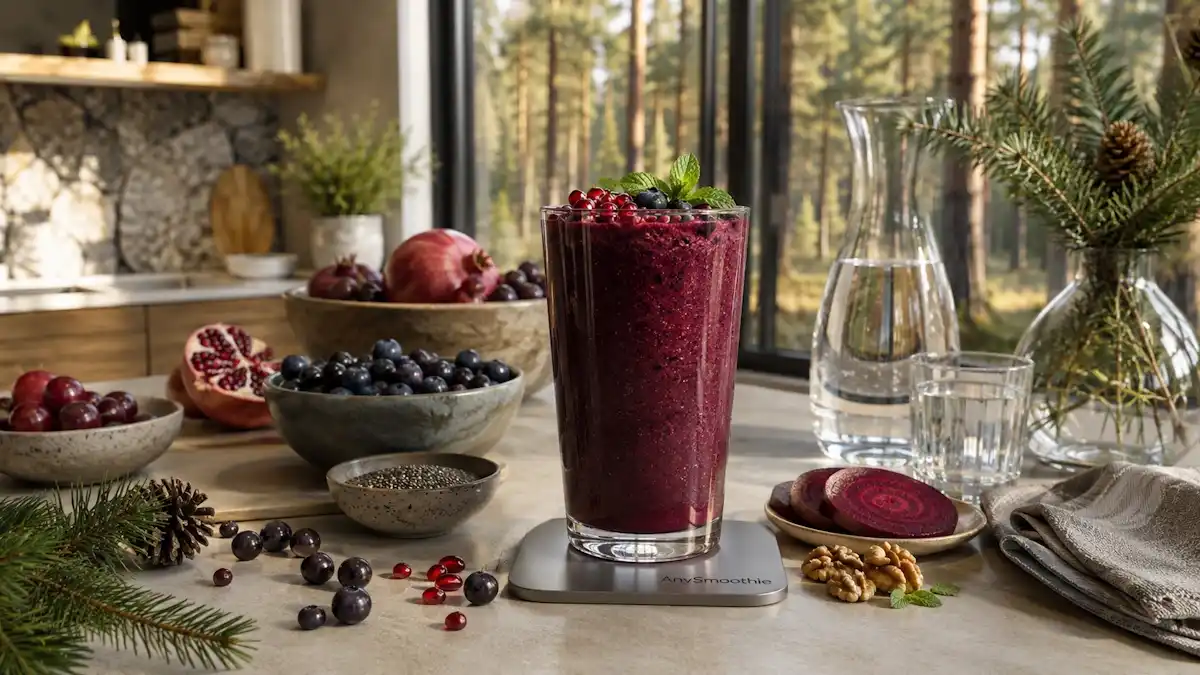
Pine bark extract can fit into a smoothie without wrecking the taste, and that makes it easy to use often. If you’re building pine bark extract smoothies for nitric oxide support, the blend matters as much as the ingredient itself.
The goal is simple. Pair the extract with foods that support blood flow, antioxidant balance, and recovery-friendly nutrition. That means choosing the right fruits, greens, and fats, then keeping the texture smooth enough that you’ll want to drink it again tomorrow.
How pine bark extract supports nitric oxide in the body
Nitric oxide is a signaling molecule that helps blood vessels relax. When that happens, blood can move more freely, and oxygen and nutrients reach active tissue more easily. That’s why people interested in training, daily circulation, or steady energy often pay attention to this pathway.
Pine bark extract brings plant compounds called procyanidins, along with other antioxidants. Stanford’s pine bark overview notes its connection to nitric oxide synthase and endothelial function. In plain language, the extract may help protect the nitric oxide signal from getting worn down too fast.
What nitric oxide does for circulation and exercise output
During physical activity, blood flow has to shift fast. Nitric oxide helps blood vessels respond to that demand. It supports vascular tone, which is the degree of tightening or relaxing in the vessel wall.
That matters because working muscles need delivery, not delay. Better circulation support can fit into a broader training routine, especially when paired with sleep, hydration, and solid food.
Why antioxidants matter for keeping nitric oxide available
Oxidative stress can reduce nitric oxide availability. That happens when unstable molecules interfere with the signal before it can do its job.
Pine bark extract helps here because its antioxidants can help protect that pathway. A recent review of pine bark extract research discusses this antioxidant side of the story. The takeaway is practical, not dramatic, plant compounds may help preserve the nitric oxide you’re trying to support.
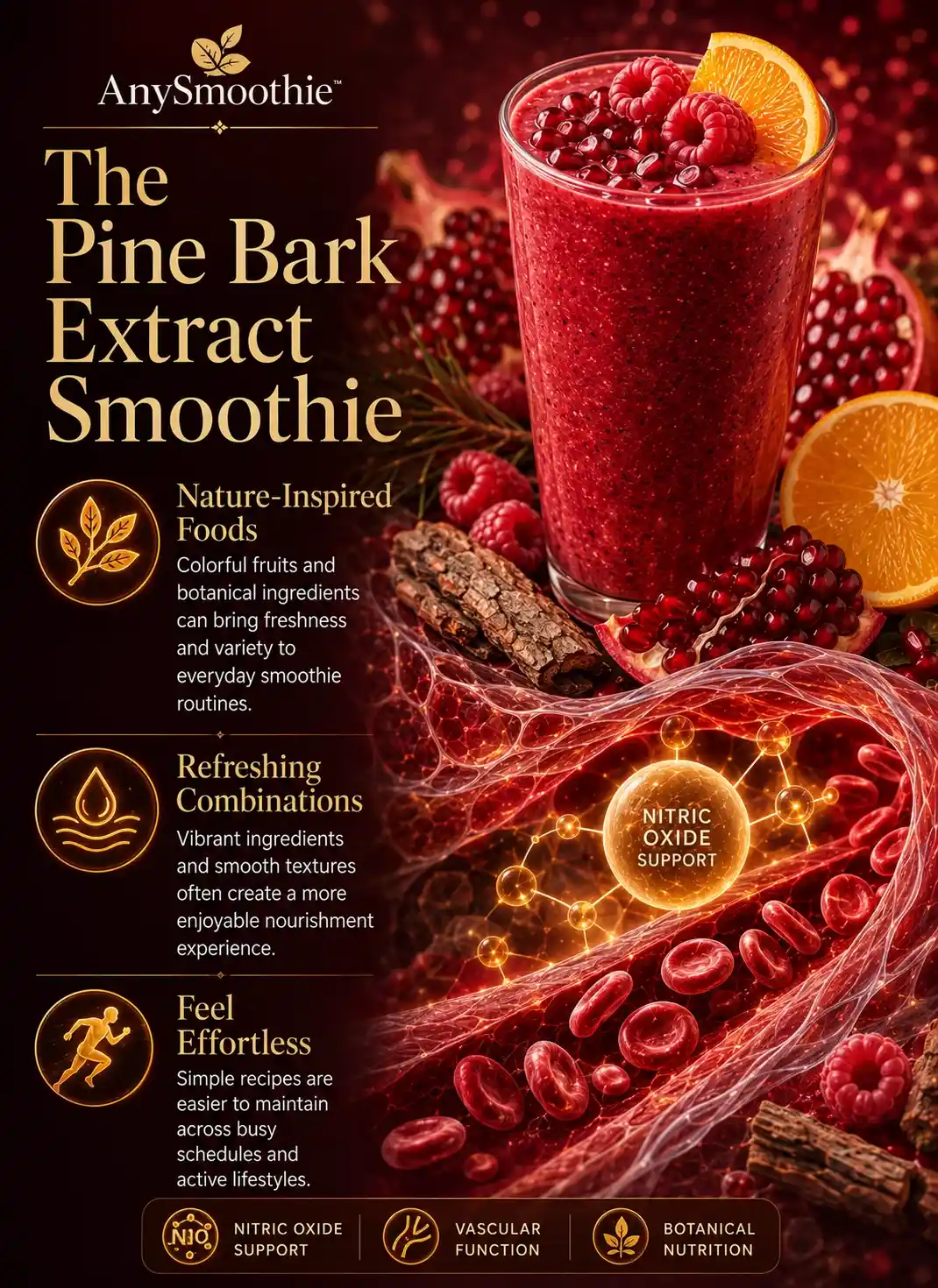
What to mix with pine bark extract for a smoother, more effective smoothie
For more nitrate-friendly blend ideas, smoothies for nitric oxide production use many of the same fruit and beet pairings.
| Ingredient | Main benefit | Flavor role | Best amount | Compatibility with pine bark extract |
|---|---|---|---|---|
| Beet | Dietary nitrates | Earthy sweetness | 1/4 to 1/2 small beet | Very strong, especially with citrus or berries |
| Berries | Polyphenols | Tart, bright fruit base | 1 cup | Excellent, helps soften bitter notes |
| Citrus | Vitamin C and flavor lift | Sharp, fresh finish | 1/2 orange or 1 tbsp lemon | Great, helps the blend taste cleaner |
| Leafy greens | Micronutrients | Mild green backbone | 1 to 2 cups | Good when paired with sweet fruit |
| Ginger | Digestive warmth | Spice and bite | 1/4 to 1/2 tsp | Strong match, hides aftertaste well |
| Protein or healthy fat | Satiety and texture | Creamy body | 1 tbsp nut butter or 20 g protein | Good, smooths the mix and rounds flavor |
The best blends do three things at once. They taste good, they fit the nitric oxide theme, and they make the powder easy to drink.
Best smoothie ingredients for nitric oxide support
Beets are the clearest match because they bring dietary nitrates. Berries add color, tartness, and a polyphenol boost. Citrus helps the whole drink taste brighter, which matters when you add a plant extract.
Leafy greens like spinach or baby kale fit too. They keep the smoothie grounded without taking over the flavor. If you want a simple structure, use one nitrate source, one fruit base, one bright note, and one creamy element.
How to balance taste, texture, and absorption
Start with enough liquid to keep the blend thin enough to sip easily. Unsweetened almond milk, coconut water, or plain water all work.
Then add frozen fruit for texture. If the taste still feels sharp, a little banana, dates, or vanilla can smooth it out. Fat and protein make the smoothie more filling, so a spoon of nut butter or a clean protein powder can help.
A good smoothie is the one you’ll finish, not the one that looks best on paper.
3 Pine bark extract smoothie recipes for nitric oxide support
Each recipe below keeps the extract in a supporting role. The fruit and other ingredients do the heavy lifting on flavor.
Berry citrus smoothie for a bright daily routine
This one is light, tart, and easy to keep in rotation.
Ingredients
- 1 cup frozen mixed berries
- 1/2 orange, peeled
- 1 cup unsweetened almond milk
- 1 small handful spinach
- 1 serving pine bark extract, per label
- 1 teaspoon chia seeds
Blend until smooth. The berries cover most of the plant taste, while citrus keeps the finish clean. The spinach adds a soft green note without changing the color too much.
Estimated Nutrition per Serving
Estimated with unsweetened almond milk; pine bark extract excluded because products and serving sizes vary.
- Calories: ~220 kcal
- Protein: ~6 g
- Carbohydrates: ~38 g
- Fat: ~6 g
- Fiber: ~12 g
- Sugars: ~21 g
Frozen berries already provide plenty of chill, so try blending without extra ice. This keeps the citrus flavor brighter and prevents an intentionally light smoothie from becoming watery.
Beet cacao smoothie for post-workout support
This blend feels richer and works well after training.
Ingredients
- 1/2 small cooked beet
- 1 medium banana
- 1 tablespoon cacao powder
- 1 cup oat milk
- 1 serving pine bark extract, per label
- 1 tablespoon almond butter
- Ice, as needed
Blend until creamy. The beet and cacao pair well, and the banana smooths the earthy edge. If you want a recovery-style template, post-workout smoothie ideas for nitric oxide show how cacao and fruit can fit together.
Estimated Nutrition per Serving
Estimated with unsweetened oat milk; pine bark extract excluded.
- Calories: ~390 kcal
- Protein: ~9 g
- Carbohydrates: ~64 g
- Fat: ~14 g
- Fiber: ~10 g
- Sugars: ~30 g
Green pineapple smoothie for an easy morning blend
This version tastes fresh and a little tropical.
Ingredients
- 1 cup frozen pineapple
- 1 cup baby spinach
- 1/2 banana
- 1 cup coconut water
- 1 serving pine bark extract, per label
- 1 small piece fresh ginger
Blend until the greens disappear into the fruit. Pineapple keeps the flavor bright, and ginger adds a clean kick. It’s a good choice when you want something simple and fast.
Estimated Nutrition per Serving
Estimated with unsweetened coconut water; pine bark extract excluded.
- Calories: ~230 kcal
- Protein: ~5 g
- Carbohydrates: ~54 g
- Fat: ~1 g
- Fiber: ~7 g
- Sugars: ~36 g
The ginger can become surprisingly prominent against sweet pineapple and coconut water. Start with a thin slice, blend, and taste before adding more so the tropical fruit remains the main flavor.
How to use pine bark extract safely in smoothies
Start with the product label, then use the lower end of the suggested amount. A powder or blend designed for mixing is easier than guessing with a random capsule.
Start low, mix well, and keep the label simple.
Choosing a clean, high-quality extract
Look for a standardized extract, third-party testing, and a short ingredient list. Those details help with consistency. They also make it easier to tell whether the taste or texture is coming from the extract itself.
When to blend it and what to watch for
Many people use these smoothies in the morning or before a workout. Others prefer them after training. Either timing can fit, as long as the smoothie feels good in your stomach and fits your routine.
If the flavor is new to you, begin with a smaller amount and build from there. Pine bark extract can bring a bitter edge, so fruit, citrus, and ginger are your best friends.
Conclusion
Pine bark extract can fit neatly into a smoothie plan that supports nitric oxide pathways, antioxidant balance, and steady daily habits. The main idea is simple, use supportive ingredients that taste good together, then keep the extract amount practical.
Beets, berries, citrus, greens, and a little fat or protein can turn the mix into something you’ll keep making. Try the berry-citrus, beet-cacao, or green pineapple version, then adjust the flavor until it works for your routine. Small, repeatable choices usually beat complicated ones.
🛡️ Safety Notes & Dietary Interactions
- Check With Your Healthcare Provider First: Pine bark extract may interact with certain medications or health conditions. If you are pregnant, breastfeeding, managing a medical condition, or taking prescription medications, consult a qualified healthcare professional before adding it to your routine.
- Follow Product Label Directions: Pine bark extract products vary in concentration and formulation. Use the serving size recommended by the manufacturer and avoid assuming different products provide equivalent amounts.
- Watch Stimulant Combinations: Many people use nitric oxide-support smoothies around workouts. Be mindful when combining pine bark extract with pre-workout formulas, caffeine products, or multiple performance supplements, especially if you are sensitive to stimulants.
- Start With Smaller Amounts: Pine bark extract can have a slightly bitter taste. Beginning with a lower serving and pairing it with berries, citrus, or ginger may help you assess both flavor and tolerance before making it a daily habit.
FAQ
What is pine bark extract?
Pine bark extract is a plant-derived supplement that contains naturally occurring compounds called procyanidins and other polyphenols. It is often discussed in wellness and sports nutrition circles because of its antioxidant properties and its connection to nitric oxide and vascular function.
Why is nitric oxide important?
Nitric oxide is a signaling molecule that helps blood vessels relax and respond to changing demands. It plays a role in circulation, nutrient delivery, oxygen transport, and exercise-related blood flow, which is why it receives attention in performance and cardiovascular wellness discussions.
What foods pair well with pine bark extract in smoothies?
Beets, berries, citrus fruits, leafy greens, ginger, cacao, and moderate amounts of healthy fats such as almond butter or chia seeds are common pairings. These ingredients help improve flavor while supporting a nutrient-dense smoothie structure.
When is the best time to drink a pine bark extract smoothie?
Many people prefer these smoothies in the morning, before exercise, or after training. The ideal timing depends on your schedule, digestion, and overall routine. Consistency generally matters more than finding a perfect time of day.
How can I make a pine bark extract smoothie taste better?
Berries, oranges, lemons, pineapple, ginger, cacao, and small amounts of banana are effective at softening the extract’s natural bitterness. Starting with a fruit-forward recipe and adjusting gradually is often easier than trying to mask the flavor with sweeteners.

Medical Disclaimer: AnySmoothie content is for educational purposes only and is not a substitute for professional medical advice. Consult a healthcare provider for personalized guidance. See our full Disclaimer & Terms of Use. AI Transparency: AnySmoothie may use AI to support content development. All content undergoes human editorial review for accuracy, clarity, and editorial quality. See our full AI Transparency.