
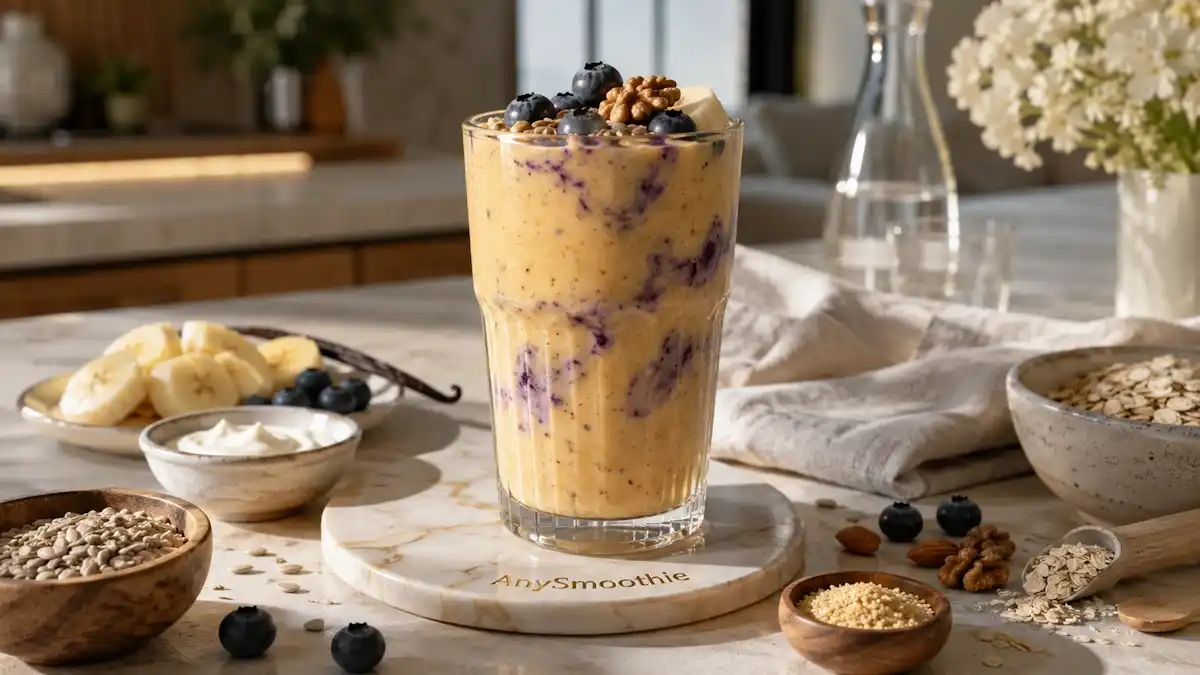
Phosphatidylcholine is a phospholipid your body uses to help build cell membranes, move fats, and support normal nutrient transport. People add it to smoothies because it blends well with fat-containing ingredients and fits easily into a daily routine.
That makes phosphatidylcholine smoothies for cellular health an interesting habit for anyone who wants a simple, food-based approach. The idea is practical, not flashy. It is about giving your cells the raw materials they use every day, then pairing them with a smoothie that is easy to keep up.
What phosphatidylcholine does inside the body
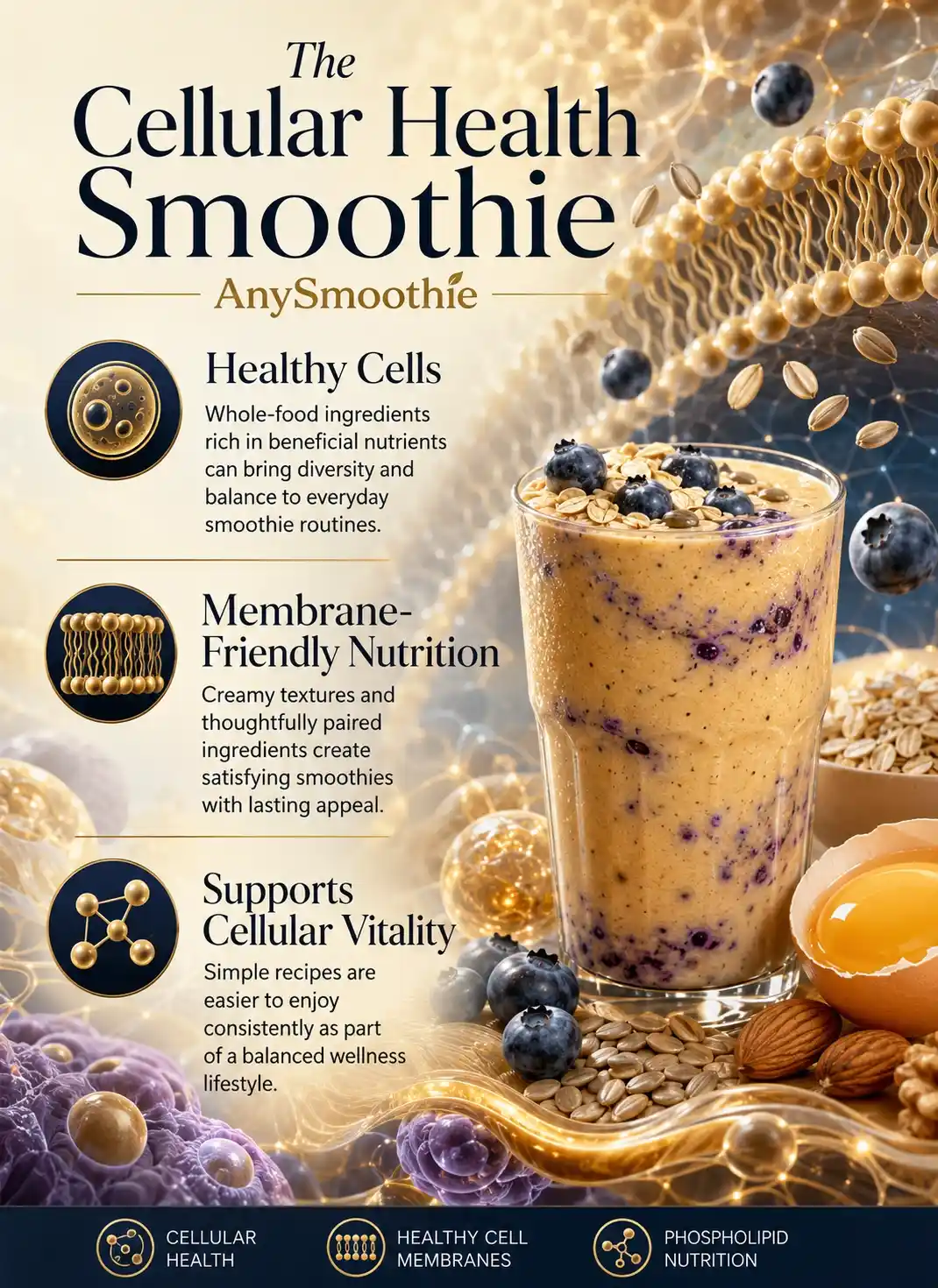
Phosphatidylcholine is one of the main building blocks of cell membranes. Those membranes are more than walls. They help cells keep their shape, communicate, and move nutrients and waste in and out.
The NIH choline fact sheet notes that phosphatidylcholine is one of the main forms of choline found in food. Common sources include eggs, soy, and sunflower lecithin. That matters because food sources are often the easiest way to fit it into a normal routine.
Why cell membranes need phospholipids to stay flexible
A cell membrane has to bend, not crack. Phospholipids give it that flexibility. They help the membrane act like a smart barrier, one that can respond to stress and still do its job.
When membranes stay fluid enough, cells can pass signals along more smoothly. That is one reason people pay attention to phosphatidylcholine in the first place.
Where phosphatidylcholine comes from in everyday foods
Egg yolks, soybeans, and sunflower-derived lecithin are common places to find it. Lecithin products are made by separating these fats into forms that work well in powders, liquids, and granules.
Some people choose powder or liquid because those forms mix into smoothies with less effort. Others stick with food sources and use supplements only when their diet needs a backup.
How phosphatidylcholine smoothies support a healthy routine
A smoothie makes phosphatidylcholine easy to take with breakfast or after a meal. That matters because routine is usually more useful than perfection. If you already like a clear method for building blends, the functional smoothie ingredient guide can help you keep the base simple.
A good smoothie also brings fat, fiber, and flavor into the same glass. That can fit well with phosphatidylcholine, since it is a fat-linked compound. It also keeps the habit low-friction, which is why people keep doing it.
Use this simple comparison before you buy:
| Source | Taste | Mixing ease | Dose form | Best use case |
|---|---|---|---|---|
| Sunflower lecithin | Mild, slightly nutty | Very good | Powder or liquid | Everyday smoothies, soy-free routines |
| Soy lecithin | Mild | Good | Powder or granules | Budget-friendly blending |
| Egg-based PC | Neutral in capsules | Poor for smoothies | Capsule or softgel | Separate supplement routine |
| Liquid lecithin blends | Neutral to light | Excellent | Liquid | Fast mixing with fruit and yogurt |
The main takeaway is simple. Liquid and emulsified forms usually blend more smoothly, while capsules make more sense outside the smoothie itself.
Powder, liquid, or capsule, which form blends best?
Powder works well when you want a clean shelf-stable option. Liquid often mixes faster and leaves less grit. Capsules are convenient, but they are not built for texture.
If you hate chalky smoothies, start with an emulsified liquid or a fine powder. A strong blender helps, but the format matters too.
What to look for on the label before you buy
Check the source first. Sunflower is a common choice if you avoid soy. Soy is fine for many people, but allergen notes matter.
Then look for third-party testing, freshness dates, and short ingredient lists. Added sugar, flavor systems, and unnecessary fillers can make the product harder to use.
The best product is the one you can mix, tolerate, and use often.
If you want a broader supplement overview, Healthline’s phosphatidylcholine guide gives a plain-language starting point.
3 Phosphatidylcholine smoothies for cellular health
These smoothie ideas keep the formula practical. Each one pairs phosphatidylcholine with ingredients that bring fats, fiber, antioxidants, and hydration into the mix.
How to make phosphatidylcholine smoothies work for you
Start small and keep the dose steady. A smoothie with breakfast is an easy place to begin, although some people prefer it with or after a meal. Consistency matters more than chasing the perfect recipe.
If you want a fuller blending method, how to build a balanced smoothie can help you keep the basics tight. Add liquid first, then the phosphatidylcholine, then softer ingredients, and finish with ice or frozen fruit.
Best ways to blend for a smoother texture
Add the liquid before the powder. That gives the blender a head start.
Blend the phosphatidylcholine with the wet ingredients first, then add frozen fruit. A stronger blender helps, but order matters almost as much.
Who may want to be extra careful with phosphatidylcholine supplements
People with soy allergies should check the source carefully. Anyone with a sensitive stomach may want to begin with a smaller amount.
Pregnant or nursing readers, and anyone taking medication, should check with a qualified professional before using a supplement. That is especially true if the product includes extra ingredients beyond plain lecithin or phosphatidylcholine.
Conclusion
Phosphatidylcholine smoothies work best as a steady habit, not a quick fix. They fit neatly into a routine that supports cell membrane structure and a simple nutrient plan.
The biggest wins come from choosing the right form, checking the label, and blending it well. Keep the recipe easy, use ingredients you already like, and let consistency do the work.
🛡️ Safety Notes & Dietary Interactions
- Source Selection: Phosphatidylcholine supplements may come from soy, sunflower, or egg sources. Always check the ingredient list carefully, especially if you have food allergies, sensitivities, or dietary preferences that influence your supplement choices.
- Serving Size: Follow the manufacturer’s recommended serving rather than assuming more is better. Introducing phosphatidylcholine gradually allows you to evaluate digestive comfort and makes it easier to identify your personal tolerance over time.
- Digestive Considerations: Some people may notice mild digestive discomfort, particularly when beginning supplementation or using larger servings. Taking phosphatidylcholine with a balanced smoothie or meal may improve overall comfort for sensitive individuals.
- Medication Awareness: If you are pregnant, breastfeeding, have a medical condition, or take prescription medications, consult a qualified healthcare professional before adding phosphatidylcholine supplements to your daily wellness routine.
FAQ
What is phosphatidylcholine and why is it added to smoothies?
Phosphatidylcholine is a naturally occurring phospholipid that helps build healthy cell membranes and supports normal fat transport throughout the body. Adding it to smoothies provides an easy, consistent way to combine the supplement with protein, healthy fats, fiber, and everyday ingredients that fit a balanced nutrition routine.
What ingredients pair best with phosphatidylcholine?
Creamy ingredients such as Greek yogurt, kefir, avocado, almond butter, sunflower lecithin, berries, bananas, chia seeds, and unsweetened plant milks all pair well with phosphatidylcholine. These combinations improve texture, provide balanced nutrition, and make the smoothie enjoyable enough to prepare consistently throughout the week.
Is powder or liquid phosphatidylcholine better for smoothies?
Both forms work well, although many people find liquid phosphatidylcholine blends slightly more smoothly into drinks. High-quality powders also perform well when blended thoroughly with liquid before adding frozen fruit, creating a creamy texture with little or no noticeable grit in the finished smoothie.
Can I drink a phosphatidylcholine smoothie every day?
Many people include phosphatidylcholine in a daily smoothie routine by following the serving recommendations provided by the manufacturer. Consistency, product quality, and balanced nutrition are generally more important than taking larger amounts, while monitoring personal tolerance remains a sensible long-term approach.
Should phosphatidylcholine be taken with food?
Many people prefer taking phosphatidylcholine with meals or smoothies because it naturally pairs with foods containing healthy fats, protein, and fiber. Combining it with balanced ingredients also makes supplementation easier to remember while fitting comfortably into an established daily wellness routine.

Medical Disclaimer: AnySmoothie content is for educational purposes only and is not a substitute for professional medical advice. Consult a healthcare provider for personalized guidance. See our full Disclaimer & Terms of Use. AI Transparency: AnySmoothie may use AI to support content development. All content undergoes human editorial review for accuracy, clarity, and editorial quality. See our full AI Transparency.