
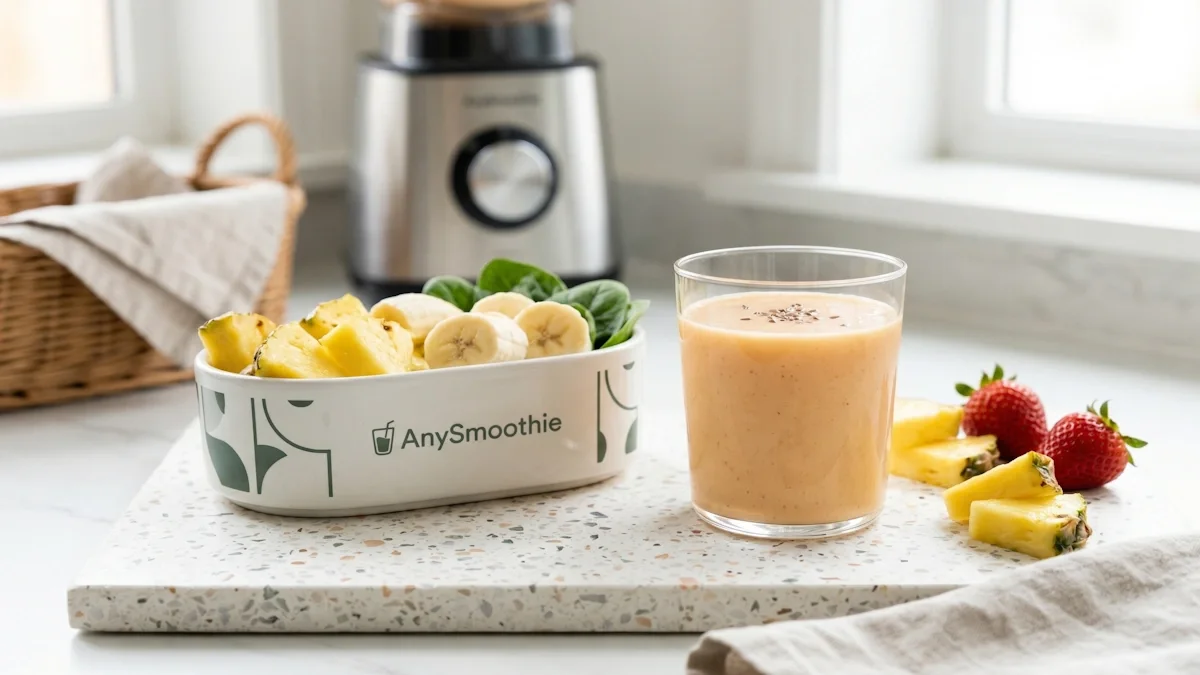
Many smoothies that seem healthy can set off bloating, gas, cramps, or urgent bathroom trips when you have IBS. That’s why low-FODMAP smoothies for IBS relief can be such a helpful option, because the right mix of fruit, liquid, and add-ins often feels gentler on your gut.
Still, not every “clean” smoothie works for a sensitive stomach. A banana that’s too ripe, the wrong milk, or a high-FODMAP sweetener can turn a simple drink into a rough morning. Smoothies also aren’t a cure for IBS, but they can be an easy breakfast, light meal, or snack when you want something that goes down easier.
Portion size still matters on a low-FODMAP plan, so even gut-friendlier ingredients can cause trouble if you overdo them. Next, you’ll get practical ingredient guidance, from the best fruit for a sensitive stomach to lactose-free smoothie bases and low-FODMAP protein powder, plus easy IBS-friendly smoothie recipes you can make fast.
Why some smoothies help IBS and others make symptoms worse
Weight Loss Programs

Dietary Supplements
Diet & Weight Loss
Diet & Weight Loss
Diet & Weight Loss
A smoothie can be either soothing or a fast track to bloating. The difference usually comes down to FODMAP load, portion size, and how many extras end up in the blender. For people looking for low-FODMAP smoothies for IBS relief, simple blends often work better than “superfood” mixes packed with fruit, sweeteners, and powders.
That matters because a smoothie is easy to overload without noticing. A little fruit here, a scoop there, and suddenly one glass holds several common IBS triggers. According to Harvard Health’s overview of the low-FODMAP diet, certain carbs can worsen symptoms in some people with IBS, which is why ingredient choices matter so much.
What FODMAPs mean in plain English
FODMAPs are a group of carbs that some people don’t absorb well. When those carbs move through the gut, they can pull in water and then ferment, almost like leftovers bubbling in a container. That can lead to gas, bloating, belly pain, and loose stools.
If you have IBS, your gut may react more strongly to that process. So the issue is not that a food is “bad” or unhealthy. It’s that your body may not handle certain carbs well, especially in larger amounts.
This is why one smoothie can feel calm and easy, while another leaves you swollen and uncomfortable an hour later. Many common smoothie ingredients, like certain fruits, sweeteners, milk, and fibers, are higher in FODMAPs. On the other hand, the right mix can make a smoothie one of the more useful bloating relief drinks during a rough day.
A smoothie is only gut-friendly if your body tolerates what is in it, and how much of it you drink.
Common smoothie mistakes that can trigger bloating
Most smoothie problems start with ingredients that seem harmless. A blend can look healthy on paper and still be a poor fit for IBS. In many cases, trouble comes from stacking several moderate triggers into one large glass.
A few common mistakes show up again and again:
- Too much fruit in one smoothie. One serving of fruit may sit fine, but three or four servings blended together can push the total FODMAP load too high. Mango, apple, pear, and large amounts of ripe banana are common trouble spots.
- Using honey or agave as a sweetener. These are popular in smoothies, but they can trigger symptoms for many people with IBS.
- Adding regular dairy when lactose is a trigger. Milk and standard yogurt can be rough if your gut doesn’t handle lactose well. That’s why many people do better with lactose-free smoothie bases.
- Ignoring protein powder labels. Some powders contain inulin, chicory root, or other added fibers that can cause gas and cramping. If you’re shopping for a low-FODMAP protein powder, the ingredient list matters as much as the protein grams.
- Going heavy on nut butters and seeds. A spoonful may be fine, but large amounts can make a smoothie dense, rich, and harder on a sensitive gut.
- Adding too many “healthy extras.” Cauliflower, dates, coconut yogurt, dried fruit, or fiber boosters can turn a simple smoothie into a gut irritant fast.
This is where many homemade IBS-friendly smoothie recipes go off track. The blender becomes a dumping ground for every healthy food in the kitchen. For a sensitive stomach, that usually backfires.
A better approach is to keep the formula basic. Think one or two low-FODMAP fruits, one safe liquid, and one simple add-in. For example, strawberries with lactose-free yogurt or kiwi with almond milk often make more sense than a mix of mango, apple juice, honey, flax, and protein powder.
If labels confuse you, you’re not alone. Some products marketed for gut health contain prebiotic fibers that help some people but bother others. The Cleveland Clinic’s IBS diet guide explains why certain foods and ingredients can trigger symptoms, especially during flares.
Why portion size matters as much as the ingredient list
Even a well-built smoothie can become a problem when the serving gets too big. That’s one of the easiest mistakes to miss. You might choose the best fruit for a sensitive stomach, use a gentle milk, and still feel bad because the glass is huge.
FODMAP tolerance is often dose-based. In plain terms, a small amount may feel fine, while a large amount of the same ingredient may tip you into bloating or urgency. That’s why serving size matters just as much as the ingredient list.
Picture it like filling a bucket. One ingredient adds a little. Another adds more. A third seems harmless. Then the bucket spills over. Your gut often reacts the same way.
During flare-ups, smaller and simpler usually wins. A moderate smoothie can feel soothing, while a giant meal-sized blend may move too much volume through your digestive system at once. That can be true even when the ingredients are technically low-FODMAP.
A practical way to keep things gentler is to follow a few simple habits:
- Start with a modest serving, not an oversized tumbler.
- Keep the ingredient list short, especially on bad symptom days.
- Avoid combining several borderline foods in one blend.
- Sip slowly instead of drinking it fast.
- Test new add-ins one at a time, so you know what actually works for you.
This matters even more with foods that are tolerated only in certain amounts. The Canadian Digestive Health Foundation smoothie guide highlights how low-FODMAP smoothies can still become a problem when portions or combinations creep up.
If your stomach has been unsettled, think of smoothies as light support, not a challenge. Keep them smaller, less sweet, and less crowded. That’s often the sweet spot for gut-healing morning smoothies and other blends meant to calm, not provoke, your gut.
The best low-FODMAP smoothie ingredients to keep on hand
If you want low-FODMAP smoothies for IBS relief to feel easy, your kitchen setup matters. A few reliable staples can save you from throwing random ingredients into the blender and hoping for the best.
The goal is simple, keep a short list of foods that are gentle, easy to mix, and useful in more than one combo. When your stomach is touchy, a well-stocked fridge and pantry can feel like a safety net.
Best fruit for a sensitive stomach
Fruit can make or break a smoothie when you have IBS. Some options are naturally easier to work with because they add flavor without pushing the FODMAP load too high. For many people, the best fruit for a sensitive stomach is the fruit they can portion easily and repeat without surprises.
A practical group to keep on hand includes:
- Strawberries, because they blend well and keep the flavor light
- Blueberries, which add color and a mild sweetness
- Raspberries, in smaller amounts, since portion size matters more here
- Kiwi, for a bright flavor that can wake up a bland smoothie
- Pineapple, which gives sweetness and a fresh, sharp taste
- Grapes, especially frozen, for a cold and naturally sweet blend
- Firm banana, in a suitable portion, because less-ripe banana is usually the safer pick
Banana is the one to watch most closely. A firm, less-ripe banana often works better than a very spotty one, since ripeness can change its FODMAP profile. In other words, the greener side of yellow is usually the safer smoothie choice.
If you like to prep ahead, frozen fruit makes this much easier. Frozen strawberries, blueberries, pineapple, and grapes can turn a basic blend into something thick and cold without needing ice. That helps keep the texture pleasant, especially if you don’t want to add too many extras.
For a quick rule of thumb, stick to one or two fruits per smoothie. That’s usually enough. Once you start piling in berries, banana, mango, and juice, the blender can go from gentle to risky fast. The Canadian Digestive Health Foundation smoothie guide offers a helpful overview of low-FODMAP smoothie-friendly ingredients, and it’s a good reminder that simple often works best.
Lactose-free smoothie bases that stay creamy
The liquid base shapes both texture and gut comfort. If regular milk bothers you, switching the base can make a big difference without changing the whole recipe.
A few lactose-free smoothie bases are worth keeping around:
- Lactose-free milk, if you want the closest taste and texture to regular milk
- Almond milk, in suitable servings, for a lighter option with a mild flavor
- Coconut milk beverage, not canned coconut milk, for creaminess without too much heaviness
- Water, when you want a lighter blend or your stomach feels off
Lactose-free milk is often the easiest place to start because it blends smoothly and adds some protein. It also works well in berry smoothies, banana smoothies, and simple breakfast blends. If you want something lighter, almond milk can be a good backup, especially with strawberries or kiwi. Coconut milk beverage can help when you want a smoother mouthfeel but don’t want a rich, heavy drink.
Water deserves more credit than it gets. On rough stomach days, a lighter smoothie can feel better than a thick one. Water also lets the fruit flavor come through more clearly, which can be useful if dairy or rich plant milks feel like too much.
You can also use plain lactose-free yogurt or plain lactose-free kefir if you tolerate them well. These can make a smoothie creamier and a bit more filling. Still, plain is the safer choice, because flavored versions may bring in sweeteners or added ingredients that don’t sit well.
A good smoothie base should support the fruit, not turn the drink into a gut challenge.
If you’re comparing ideas, the Fody low-FODMAP smoothie recipes show how simple milk alternatives and lactose-free dairy can keep smoothies creamy without making them overly complicated.
Low-FODMAP add-ins for protein, fiber, and flavor
Add-ins can help a smoothie feel more like a meal, but this is also where many blends go sideways. A smart add-in should do one job well, not bring five surprise ingredients with it.
Some of the most useful options are simple, affordable, and easy to keep in the house. Good choices include:
- Chia seeds, in small amounts, for a little fiber and thicker texture
- Oats, in tolerated portions, for body and staying power
- Peanut butter, for creaminess and a more filling smoothie
- Fresh ginger, for a bright kick that many people find soothing
- Cinnamon, for flavor without extra sugar
- Spinach, for a mild green add-in that disappears into fruit blends
- Cucumber, for a fresh, lighter smoothie
- Low-FODMAP protein powder, if you want more protein without adding dairy or large amounts of nut butter
Chia and oats work best when you don’t overdo them. A small amount can make a smoothie more satisfying, while too much can turn it thick, pasty, or harder on your stomach. The same goes for peanut butter. One spoonful can be helpful. Several spoonfuls can weigh the whole thing down.
For flavor, ginger and cinnamon are two of the easiest wins. Ginger pairs especially well with pineapple, kiwi, or strawberry. Cinnamon works nicely with firm banana, oats, and peanut butter. These small touches can make IBS-friendly smoothie recipes taste better without relying on honey, syrups, or lots of fruit.
Spinach and cucumber are useful when you want a less sweet option. Spinach usually blends in without changing the taste much, while cucumber makes a smoothie feel cooler and lighter. If sweet drinks bother you first thing in the morning, those two can help shift a smoothie toward more balanced gut-healing morning smoothies.
Protein powder needs the most label checking. Look for a short ingredient list and stay alert for common troublemakers, including:
- Inulin
- Chicory root
- Sugar alcohols
- Lactose
Those ingredients can sneak into products marketed as healthy or gut-friendly. For people with IBS, they can be a fast track to gas, bloating, or cramps. A low-FODMAP protein powder should feel boring in the best way, plain, simple, and easy to tolerate.
If you want another reference point for smoothie add-ins and examples, this blueberry chia smoothie from Ignite Nutrition shows how a few well-chosen ingredients can build a filling blend without turning it into a kitchen sink recipe.
A good smoothie pantry doesn’t need to be huge. In most cases, a few frozen fruits, one gentle base, and two or three trusted add-ins will take you farther than a shelf full of powders and “wellness” boosters.
How to build a smoothie that is gentle during an IBS flare
When symptoms are active, simpler usually feels better. For low-FODMAP smoothies for IBS relief, think of your blender like a small toolbox, not a junk drawer. A short ingredient list gives you a better shot at a calm stomach, and it also makes it easier to figure out what works for you.
Use the simple smoothie formula: base, fruit, protein, optional add-in
A gentle smoothie is usually built from four parts:
- One liquid base
- One or two low-FODMAP fruits
- One protein source
- One optional add-in
That might look like lactose-free milk, strawberries, a plain low-FODMAP protein powder, and a little ginger. Or you could use almond milk, kiwi, lactose-free yogurt, and a spoonful of oats. Simple combinations like these are often easier to tolerate than blends packed with extras.
Keeping your IBS-friendly smoothie recipes basic also helps you spot patterns. If a smoothie has eight ingredients and your stomach flares, it’s hard to know what caused it. If it has four, the answer is usually clearer. For more mix-and-match ideas, this roundup of low-FODMAP smoothie recipes can give you a few safe starting points.
Keep texture smooth without overloading your gut
Texture matters more than people think. A well-blended smoothie often feels easier to drink, while a gritty or extra-thick one can sit like paste in your stomach. So blend long enough to fully break down fruit, seeds, and powders.
Frozen fruit usually works better than lots of ice because it chills the smoothie without watering it down. It can also give you a creamier texture with fewer add-ins. Still, go easy on heavy extras like big spoonfuls of nut butter, large amounts of chia, or too much oats. Those can turn bloating relief drinks into something much denser than your gut wants.
Also keep serving size in check. Very thick smoothies, or giant meal-size portions, may feel harder to tolerate during a flare.
During an IBS flare, a lighter smoothie often beats a loaded one.
Small habits that can make smoothies easier to tolerate
How you drink the smoothie matters too. Even the best fruit for a sensitive stomach can backfire if you gulp it down fast. Instead, sip slowly and give your gut time to handle the volume.
Temperature can matter as well. If very cold drinks trigger cramping, try a room-temperature or lightly chilled smoothie instead. That small change can make a surprising difference.
Sometimes liquid-only meals move through too fast. If that happens to you, pair your smoothie with a plain solid food, such as a rice cake, dry toast, or a few simple crackers. That can make gut-healing morning smoothies feel steadier and less harsh on an unsettled stomach.
Easy low-FODMAP smoothies for IBS relief to try this week
When you want low-FODMAP smoothies for IBS relief, the best recipes are usually the simplest ones. A short ingredient list, a moderate serving, and a gentle base can make the difference between a smooth morning and a rough start.
These ideas keep things practical. Each one uses familiar ingredients, skips common trigger foods, and works well when you need an easy breakfast, lighter snack, or post-workout option.
A calm morning berry smoothie for busy days
A berry smoothie is one of the easiest IBS-friendly smoothie recipes to repeat during the week because it doesn’t need much. Blend lactose-free milk or unsweetened almond milk with strawberries or blueberries, plus half a firm banana for a little body and mild sweetness. If you want it to stick with you longer, add a small spoonful of oats or chia.
This kind of blend works well as a gentle breakfast because the flavor stays light and the texture feels easy to drink. Frozen berries also help, since they make the smoothie cold and creamy without needing a long list of extras. If your stomach is touchy in the morning, keep it simple and skip sweeteners.
A good starting combo looks like this:
- 1 cup lactose-free milk or almond milk
- 1/2 cup strawberries or blueberries
- 1/2 firm banana
- 1 tablespoon chia or a small amount of oats, if tolerated
Drink it slowly instead of rushing it out the door. That small habit can matter just as much as the ingredients. If you want another berry-based idea, this low-FODMAP berry smoothie recipe shows the same simple approach in action.
A pineapple-ginger smoothie when bloating is the main problem
When you want something brighter and less heavy, pineapple and ginger are a smart pair. Blend pineapple with kiwi or cucumber, then use a lighter base like almond milk, lactose-free milk, or even water if rich drinks don’t sit well. Add a little fresh ginger for a sharp, fresh taste that wakes the whole smoothie up.
This is one of those bloating relief drinks that feels lighter on the palate, which can be helpful on days when thick smoothies sound like too much. Cucumber keeps the flavor cool and clean. Kiwi gives it a tart edge. Pineapple brings enough sweetness that you usually won’t miss honey or juice.
Try a mix like this:
- 3/4 cup pineapple
- 1 kiwi or a few slices of cucumber
- 1 cup almond milk or lactose-free milk
- 1/2 to 1 teaspoon fresh grated ginger
Keep your expectations realistic. Ginger and pineapple can make a smoothie feel fresher and easier to sip, but they aren’t a fix for IBS on their own. Portion still matters, especially with fruit. For a useful ingredient guide, see this pineapple low-FODMAP guide.
A green smoothie that skips the usual high-FODMAP traps
A green smoothie can work well for IBS, but only if you avoid the usual problems. Many green blends rely on apple, mango, pear, or sweetened yogurt, and those can be rough choices when your gut is already on edge. A better option is to start with spinach, then add kiwi or pineapple, a few slices of cucumber, and a lactose-free base.
Spinach keeps the color green without taking over the taste. Kiwi or pineapple gives enough fruit flavor to balance it out. Cucumber makes the whole drink feel lighter, which is helpful if you don’t want a sweet, dessert-like smoothie first thing in the day.
If you need more staying power, add a clean protein powder with a short ingredient list. Look for one without inulin, chicory root, sugar alcohols, or added lactose. That’s often the difference between a green smoothie that feels clean and one that turns into a gut problem.
Many “healthy” green smoothies fail because they mix too many trigger ingredients into one glass.
For a simple formula, think one green, one fruit, one liquid, and one optional protein. That’s enough. If you’d like more ideas, these low-FODMAP kiwi smoothie recipes show how to keep green blends practical and IBS-aware.
A filling post-workout smoothie with low-FODMAP protein
After a workout, you may want something more satisfying than a fruit-only blend. Start with lactose-free milk or almond milk, then add a tolerated low-FODMAP protein powder, 1 tablespoon peanut butter, and a low-FODMAP fruit like strawberries, blueberries, or half a firm banana. If you like a richer taste, add a little cocoa powder.
This smoothie works because it adds protein and fat without becoming overloaded. Peanut butter gives it body, while cocoa can make it feel more like a treat than a recovery drink. Still, more isn’t always better. A huge smoothie packed with powders and nut butter can feel heavy fast.
A balanced version might include:
- 1 cup lactose-free milk or almond milk
- 1 scoop low-FODMAP protein powder
- 1 tablespoon peanut butter
- 1/2 firm banana or 1/2 cup berries
- 1 teaspoon cocoa powder, if desired
Keep the label simple when you choose your powder. Fewer ingredients usually means fewer surprises. Also, stay moderate with serving size, because even well-chosen lactose-free smoothie bases and protein can feel like too much in a giant shaker. For another example, this low-FODMAP peanut butter protein smoothie shows the same basic idea with a short ingredient list.
Smart tips for testing smoothie ingredients without upsetting your stomach
Even when you stick with low-FODMAP smoothies for IBS relief, your own tolerance still matters. A smoothie that feels great for someone else might leave you bloated, crampy, or running to the bathroom. That’s why the safest plan is to test slowly, keep things simple, and look for patterns instead of guessing.
Think of it like adjusting a dimmer switch, not flipping every light on at once. Small changes make it much easier to tell which ingredients belong in your regular rotation and which ones are better left out.
Start with a simple recipe and change one thing at a time
Your first test smoothie should be boring in the best way. Pick one lactose-free smoothie base, one fruit, and maybe one gentle extra if you already know it sits well. For example, almond milk with strawberries, or lactose-free milk with a small amount of firm banana, gives you a clean starting point.
After that, change just one thing at a time. Add kiwi one week, not kiwi, chia, and a new low-FODMAP protein powder all in the same glass. If your stomach acts up, you’ll know what likely caused it. If you change three things at once, you’re left playing detective.
A simple way to test ingredients is this:
- Start with a basic smoothie you tolerate fairly well.
- Keep the portion modest.
- Add one new ingredient only.
- Try it more than once before judging it.
- Wait before adding something else.
This slow approach also helps with foods that are dose-sensitive. Sometimes the ingredient is fine, but the amount isn’t. That’s common with fruit, seeds, and protein powders in IBS-friendly smoothie recipes.
The simpler the smoothie, the easier it is to trust what your gut is telling you.
Keep a short symptom log to spot patterns
You don’t need a detailed spreadsheet. A few quick notes on your phone or in a notebook can do the job. The goal is to notice trends, not create homework.
Try tracking four basics each time you test a smoothie:
- The ingredients you used
- The portion size
- The time of day
- Any symptoms that followed
That might look like: “8 a.m., almond milk, strawberries, spinach, small glass, mild bloating after 1 hour.” Short and useful beats perfect and complicated.
Over time, patterns often stand out. Maybe gut-healing morning smoothies work better than late-night ones. Maybe spinach is fine, but chia pushes things too far. Maybe the best fruit for a sensitive stomach for you is kiwi, while pineapple feels too sharp during a flare. A simple food and symptom journal can make those links easier to see, and guides like this food diary overview from Triggerbites explain why tracking can help connect symptoms to specific foods.
Know when to talk with a dietitian or doctor
Testing foods at home can be helpful, but it has limits. If you have ongoing pain, unplanned weight loss, blood in your stool, or strong fear around eating, it’s time to get help from a qualified professional.
A registered dietitian or doctor can help you sort out whether the issue is IBS, another gut problem, or a pattern that needs more support. If symptoms feel bigger than “this smoothie didn’t sit right,” don’t push through alone. Johns Hopkins Medicine’s IBS overview also notes that persistent or unusual symptoms deserve medical attention.
Conclusion
Low-FODMAP smoothies for IBS relief tend to work best when they stay simple. A short ingredient list, reasonable portions, and a few well-chosen staples often do more for comfort than a blender full of healthy extras. That’s why the best fruit for a sensitive stomach, gentle lactose-free smoothie bases, and a clean low-FODMAP protein powder matter more than fancy add-ins.
If you want better results, start with one easy recipe and stick with it for a few days. Then adjust slowly, because your own tolerance is what turns IBS-friendly smoothie recipes into truly useful bloating relief drinks or gut-healing morning smoothies.
Keep it practical, pay attention to how you feel, and give yourself room to test what works. With a little trial and error, smoothies can become a reliable choice for breakfast, snacks, or gentle flare-day meals.
Frequently Asked Questions about IBS-Friendly Smoothies
Which fruits are best for an IBS-friendly smoothie?
The best low-FODMAP fruits for sensitive stomachs include strawberries, blueberries, kiwi, pineapple, and firm (slightly green) bananas. These options are lower in fermentable sugars. You should generally avoid high-FODMAP fruits like apples, pears, and mangoes, especially during a flare-up.
What is the safest milk base for IBS relief?
Lactose-free dairy milk, almond milk, and macadamia milk are considered the safest bases for those with IBS. Regular dairy milk contains lactose, which can trigger bloating, while some soy milks made from whole soybeans are also high in FODMAPs.
Can protein powder cause bloating in smoothies?
Yes, many protein powders contain hidden triggers such as inulin (chicory root), sugar alcohols (xylitol, erythritol), or lactose. To avoid gas and cramping, always choose a certified low-FODMAP protein powder with a clean, short ingredient list.
Why does portion size matter for low-FODMAP smoothies?
FODMAP tolerance is often dose-dependent. This means while a small serving of a specific fruit might be safe, doubling that amount in a large smoothie can push the total “FODMAP load” over your personal threshold, leading to digestive distress.

The AnySmoothie team is all about smarter smoothie recipes made with whole-food ingredients. Everything we share centers on balanced nutrition, steady energy, and low-glycemic choices, so you can sip a smoothie that keeps you full, feels good, and helps you avoid sugar crashes.
- Disclaimer: This content is for educational use only. These smoothie recipes and nutrition details aren’t a substitute for medical advice from a licensed health professional. Please read our full Medical Disclaimer here.
Dietary Supplements

Dietary Supplements

Dietary Supplements
Dietary Supplements
Dietary Supplements