
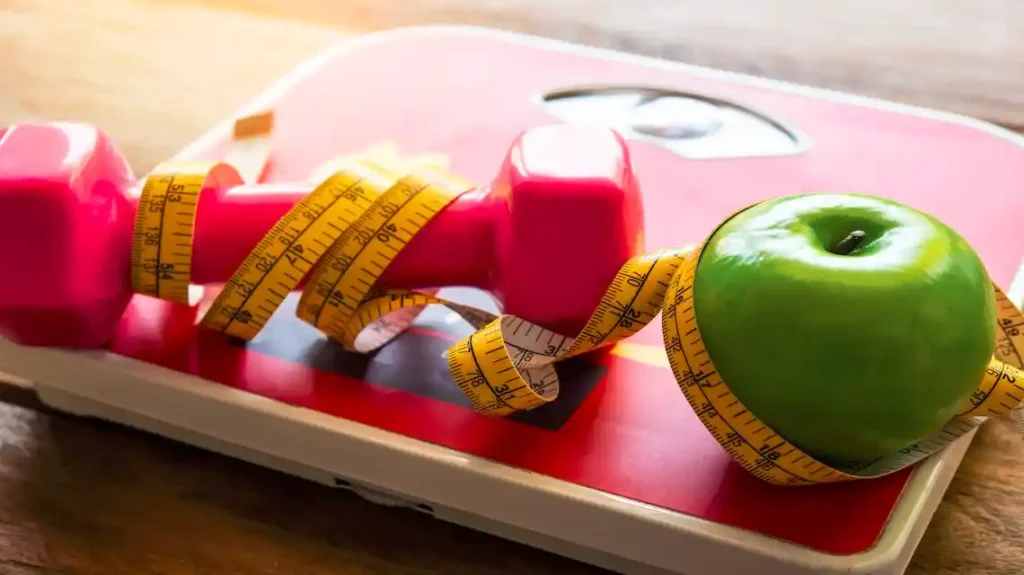
Losing ten pounds can feel huge when you first think about it. The good news is that it does not have to be extreme or confusing. A safe rate of about 1 to 1.5 pounds per week fits perfectly with how to lose ten pounds in two months.
You do not need a perfect diet or a hardcore gym plan. You need a simple structure you can repeat most days. This guide breaks it into clear steps: set a smart plan, eat in a small calorie deficit, move more, and stay consistent with sleep and stress.
Weight Loss Programs

Diet & Weight Loss
Diet & Weight Loss
Diet & Weight Loss
Diet & Weight Loss
This is for generally healthy adults. If you have health conditions, take medications, or have a history of eating disorders, talk with your doctor before changing your diet or exercise routine.
Set a Clear Plan to Lose Ten Pounds in Two Months
Weight loss feels a lot easier when you know exactly what you are trying to do. A clear plan turns a fuzzy wish into daily actions you can check off.
When you learn how to lose ten pounds in two months, you are really learning how to repeat small, smart choices. Instead of “I want to lose weight,” you say, “I will lose about one pound per week by eating a bit less and moving a bit more.”
A good first step is to understand the idea of a calorie deficit. Your body burns a certain number of calories each day. If you eat fewer calories than you burn, your body uses stored fat for energy. That gap is your calorie deficit.
You can read a simple calorie deficit guide from WebMD if you want a quick science check. For most people, a daily deficit of about 500 to 750 calories leads to about 1 to 1.5 pounds lost per week. For example, if you maintain your weight on 2,000 calories, you might lose on around 1,400 to 1,500 calories. Going far lower than that is not healthy or sustainable.
Now tie that to mini goals. Instead of staring at “10 pounds,” focus on weekly wins. Aim for:
- About 1 to 1.25 pounds lost per week
- A target calorie range that feels doable
- Simple movement goals, like walking most days
Write your main goal on paper, along with your weekly targets. Put it somewhere you see it daily: your fridge, bathroom mirror, or phone screen. When you wake up, you get a reminder of what you are working toward, not just a vague hope.
You can also use tools to support your plan. A simple weight loss calculator from Everyday Health can help you see how your calorie target connects to your timeline. Treat it as a guide, not as a rule carved in stone.
Know Your Safe Weight Loss Rate and Calorie Deficit
A calorie deficit just means this: you take in fewer calories than your body uses. Your body then pulls from stored energy, including fat, to make up the gap.
For most adults, a deficit of 500 to 750 calories per day is a safe, realistic range. This usually leads to about 1 to 1.5 pounds lost each week, which fits your two month goal.
Example:
If you maintain your weight at about 2,000 calories:
- Eat about 1,400 to 1,500 calories most days
- Move a bit more with walking and light exercise
That combination usually creates a steady, not drastic, loss. Learning how to lose ten pounds in two months naturally is about balance, not punishment. If you cut too hard, you feel tired, hungry, and more likely to binge or quit.
Turn the Big Goal Into Weekly and Daily Targets
“Lose ten pounds” is a clear goal, but it is still big. Break it into pieces.
A simple breakdown looks like this:
- 8 weeks total
- Aim to lose about 1 to 1.25 pounds per week
- Small daily actions to support that loss
Daily targets can be very basic:
- Hit a step goal, like 7,000 to 10,000 steps
- Drink water with each meal
- Fill half your plate with veggies at lunch and dinner
- Stop eating when you feel lightly full, not stuffed
This approach keeps you from feeling overwhelmed. If the scale is slow for a few days, you can still feel proud that you walked, ate your planned meals, and stayed close to your target.
Write your weekly and daily goals in a notebook or on a note in your phone. Check them off at the end of the day. That small act of tracking builds momentum.
Choose Simple Ways to Track Your Progress
You do not need fancy gadgets to track how to lose ten pounds in two months. Simple tools work well.
Try a mix of:
- Weighing in 1 to 3 times per week: Use the same scale, at the same time of day, in similar clothes.
- Waist measurement every 2 weeks: Use a soft tape measure around your waist at belly button level.
- The jeans test: Use one pair of jeans as a progress check. If they zip easier, you are moving in the right direction.
- A basic app or notebook: Log your food, water, and movement. It keeps you honest and aware.
Weight can jump up and down from water, salt, hormones, and bathroom habits. Look at trends over a couple of weeks, not a single weigh in. If the general trend is down, your plan works.
Eat in a Small Calorie Deficit Without Feeling Starved
Food is where most of your progress happens. To lose ten pounds in two months, you want to eat fewer calories, but still feel full and energized. That means focusing on foods that fill you up for fewer calories.
You can see a helpful example of a balanced weight loss meal plan for 10 pounds in 2 months. You do not need to copy it, but it gives you ideas for portions and food types.
Build Your Plate Around Protein, Fiber, and Healthy Fats
Think of your plate like a simple puzzle. Each piece helps keep you full and steady.
- Protein: chicken, turkey, eggs, fish, tofu, beans, Greek yogurt
- Fiber: fruits, vegetables, oats, beans, lentils, whole grain bread
- Healthy fats: nuts, seeds, olive oil, avocado, nut butters
A helpful rule of thumb for a main meal:
- Half your plate veggies or salad
- One quarter lean protein
- One quarter whole grains or starchy carbs (like brown rice, potatoes, or whole wheat pasta)
- A small amount of healthy fat (like a drizzle of olive oil or a few slices of avocado)
Example dinner: grilled chicken, a big pile of roasted broccoli and carrots, a small baked potato with a teaspoon of butter. Simple, filling, not heavy.
Cut Back on Hidden Calories From Sugar and Processed Foods
A lot of extra calories slip in without giving you much fullness. These “sneaky” sources can slow progress even when your meals look okay.
Common culprits:
- Soda, sweet tea, and energy drinks
- Fancy coffee drinks with syrup and whipped cream
- Chips, candy, and large desserts
- Fast food and big takeout portions
- Large handfuls of snacks eaten while watching TV
You do not have to give them all up at once. Start with easy swaps:
- Soda to water, flavored seltzer, or diet soda if that helps you transition
- Creamy coffee drink to coffee with a splash of milk and a bit of sugar
- Fried food to baked or grilled options
- Big dessert every night to a smaller treat a few nights a week
These changes can cut hundreds of calories per day without a strict “diet” mindset.
Use Easy Meal Planning So You Are Not Guessing Every Day
You do not need a perfect seven day meal prep routine. A simple 2 to 3 day plan keeps you out of “grab whatever is around” mode.
Try this:
- Pick 2 go to breakfasts: for example, oatmeal with fruit, or eggs with toast and berries.
- Pick 2 easy lunches: maybe turkey sandwich with veggies, or a big salad with chicken and beans.
- Pick 3 simple dinners: like chili with beans, stir fry with chicken and veggies, or tacos with lean meat and lots of lettuce and salsa.
Repeat these meals during the week. Add planned snacks like:
- Fruit and a handful of nuts
- Greek yogurt with berries
- String cheese and whole grain crackers
You can use a free calorie tracking app or just follow the plate method to stay close to your calorie range. The goal is awareness, not obsession.
Stay Hydrated and Use Smart Snacking to Control Hunger
Water is one of the easiest tools for weight loss. Drinking a glass of water before meals can help you feel satisfied with a bit less food. Staying hydrated also helps reduce “fake hunger” that is really just thirst.
Good snack ideas that combine protein and fiber:
- Apple slices with peanut butter
- Carrots or bell peppers with hummus
- String cheese and a small piece of fruit
- Greek yogurt with a spoon of nuts or seeds
Some mild hunger before meals is normal when you are learning how to lose ten pounds in two months. Feeling light, a bit hungry, but still able to focus is okay. Feeling dizzy, weak, shaky, or sick is not okay. That is a sign your calories are too low or your balance of food is off.
Move More Every Week to Speed Up Fat Loss
Movement helps you burn more calories, keep muscle, and feel better in your body. You do not have to become a gym person to see results. Simple, steady activity fits perfectly with how to lose ten pounds in two months.
You can also get extra ideas for safe workouts from guides like this article on effective tips for safe weight loss. Adjust the pace to match your fitness level.
Start With Walking and Daily Movement You Can Stick With
Walking is one of the best starting points. It is gentle, free, and easy to adjust.
Begin with what feels doable:
- 10 to 15 minutes at a relaxed pace
- Add a few minutes every few days
- Aim to reach 30 to 45 minutes most days
You can also sneak in steps by:
- Parking farther away at stores
- Taking the stairs when it feels safe
- Standing and walking during TV ads
- Taking 5 minute walk breaks during work or school tasks
If you like numbers, use your phone or a step counter to track steps. Try to increase your weekly average slowly.
Add 2 to 3 Short Strength Sessions Each Week
Strength training is like armor for your weight loss. It helps you keep or build muscle, which burns more calories even when you rest.
You can do strength workouts at home with no equipment. Try:
- Squats or sit to stand from a chair
- Wall push ups
- Lunges or step backs
- Glute bridges on the floor
Aim for 2 to 3 sessions per week, about 15 to 25 minutes each. Work most major muscle groups, like legs, chest, back, and core. Warm up with light marching in place, move with slow control, and stop if you feel sharp pain.
Use Fun Cardio or Interval Workouts for Extra Calorie Burn
Once walking feels good, you can mix in simple intervals. That just means switching between easier and slightly harder efforts.
For example:
- 2 minutes relaxed walking
- 1 minute faster walking
- Repeat for 20 minutes
You can do the same idea with biking, swimming, dancing, or light jogging if your joints are okay with it. Short bursts of effort can burn more calories in less time, but always start gently and listen to your body.
Pick activities you enjoy. If you hate running, do not run. If you like dancing in your living room, use that as your cardio.
Protect Your Results With Sleep, Stress Control, and Consistency
Your lifestyle habits either support or fight against your fat loss. Poor sleep and high stress can spike cravings and make it harder to stay in a calorie deficit.
Helpful habits:
- Go to bed at a regular time most nights
- Keep phones and laptops out of bed
- Use short stress relief tools like deep breathing, stretching, journaling, or short walks
You will not be perfect. Nobody is. A missed workout or a big dessert does not ruin how to lose ten pounds in two months. What matters is what you do next. Get back to your usual meals and movement at the next opportunity.
Conclusion: Steady Habits Make Ten Pounds in Two Months Possible
Losing ten pounds in two months is realistic when you use a clear, kind plan. Set a safe goal, use a small calorie deficit, eat filling foods, and move your body with walking and simple strength training. Back it up with solid sleep and basic stress care.
You do not need to be perfect. You just need to be consistent most of the time. That is how you turn “how to lose ten pounds in two months” from a search into real progress.
Pick one small action to start today. Plan tonight’s dinner, go for a 10 minute walk, or set a bedtime. Small steps, repeated often, create lasting change far better than any quick fix.
You might also like:
FAQs About Losing 10 Pounds in 2 Months
How realistic is it to lose 10 pounds in two months?
For most people, losing 10 pounds in 2 months is realistic and safe.
That averages out to about 1 to 1.25 pounds per week, which lines up with common medical advice for steady fat loss. The exact pace depends on your starting weight, age, sex, and how consistent you are with food and exercise.
If you have health issues or take medication, check with your doctor first before making big changes.
How many calories should I eat to lose 10 pounds in two months?
You usually need a calorie deficit of about 500 to 600 calories per day to lose around 1 to 1.25 pounds per week. That adds up to roughly 7,000 to 8,000 calories per week.
A simple way to start:
- Track what you eat for 3 days
- Find your average daily calories
- Subtract 400 to 600 calories from that number
Most adults should not drop below 1,200 calories for women or 1,500 calories for men, unless a doctor guides them. Too few calories can slow your metabolism, increase hunger, and make it hard to keep weight off.
What should I eat day to day to lose 10 pounds safely?
You do not need a fancy plan. You need steady, balanced meals that keep you full. Focus on:
- Protein at each meal: eggs, Greek yogurt, chicken, fish, tofu, beans
- High fiber carbs: oats, brown rice, quinoa, potatoes with skin, beans, fruit
- Healthy fats in small amounts: olive oil, avocado, nuts, seeds
- Plenty of vegetables for volume and nutrients
A simple plate example:
- Half plate vegetables
- One quarter lean protein
- One quarter whole grains or starchy veggies
- A small amount of healthy fat
Avoid skipping meals on purpose. It often leads to overeating later in the day.
How much exercise do I need to lose 10 pounds in two months?
You can lose weight with diet alone, but exercise makes it easier and protects muscle. A good target for 2 months:
- Cardio: 150 to 300 minutes per week at a moderate pace
- Brisk walking, light jogging, cycling, swimming, dance workouts
- Strength training: 2 to 3 sessions per week
- Focus on major muscle groups, like legs, back, chest, shoulders, and core
You do not need intense workouts every day. Consistent, moderate effort plus smart eating is usually enough to see the scale move.
Is strength training really necessary, or is cardio enough?
You can lose weight with cardio alone, but you will likely lose more muscle along with fat. Strength training helps you:
- Keep or gain lean muscle
- Burn more calories all day, even at rest
- Look more toned as you lose weight
- Avoid feeling weak or “soft” after dieting
Start simple with 2 or 3 days per week of:
- Squats or leg presses
- Pushups or chest presses
- Rows or pull downs
- Planks or basic core work
Use bodyweight, dumbbells, or resistance bands. Focus on good form, not heavy weight at first.
Do I have to cut carbs to lose 10 pounds?
You do not have to cut carbs to lose 10 pounds in two months. You need a calorie deficit and smart carb choices.
Carbs that help:
- Fruit
- Vegetables
- Oats, quinoa, brown rice
- Beans and lentils
- Potatoes, especially with skin
Carbs to limit, not ban:
- Sugary drinks
- Candy and pastries
- Large portions of white bread, white rice, and pasta
Many people find they lose weight more easily when they keep carbs at meals but skip liquid sugar like soda, sweet tea, fancy coffee drinks, and juice.
How can I deal with hunger while trying to lose 10 pounds?
Hunger is a common reason people quit. You can reduce it with smart choices, not just willpower. Try to:
- Eat more protein and fiber at meals and snacks
- Drink water before and during meals
- Use smaller plates so portions feel more satisfying
- Eat slowly and put your fork down between bites
Great snack ideas: Greek yogurt, cottage cheese, a piece of fruit with nuts, hummus with carrots or bell peppers. These keep you full longer than chips or cookies.
If you are constantly starving, your calorie target might be too low.
What if my weight loss stalls halfway through the two months?
Weight loss often slows after the first 2 to 3 weeks. A plateau does not mean you failed, it usually means your body has adjusted. To get moving again:
- Double check your portions, they tend to creep up
- Track food for a few days for accuracy
- Add 15 to 20 minutes of movement to most days
- Make sure you sleep at least 7 hours per night
Sometimes the scale holds steady while your body changes shape. Watch how your clothes fit and measure your waist to get the full picture.
Can I lose 10 pounds in two months without giving up my favorite foods?
Yes, as long as you control how often and how much you have them. A few ideas:
- Use the 80/20 approach: 80 percent of your week is nutrient dense food, 20 percent is flexible
- Keep treats to small portions, like one cookie instead of four
- Plan high calorie foods on days you move more
If you completely cut out every food you enjoy, you are more likely to binge later. Building in small treats makes the plan easier to keep.
How do I know if my weight loss plan is too extreme?
Watch for clear warning signs:
- Constant dizziness or lightheadedness
- Hair loss or very dry skin
- Severe fatigue or trouble focusing
- Missed periods or big changes in your cycle
- Binge eating after strict days
A healthy plan should make you feel a bit challenged but stable, not sick or obsessed. If you see these signs, increase your calories, ease up on workouts, and talk with a health professional.
What is the best way to track progress over two months?
The scale is useful, but it is not the only sign of progress. Try a mix of:
- Weighing yourself 1 to 3 times per week, at the same time of day
- Taking waist, hip, and thigh measurements every 2 weeks
- Trying on the same pair of jeans to feel changes
- Noting energy, sleep, and mood in a simple journal
Here is an example of a simple progress log:
| Week | Weight (lb) | Waist (in) | Notes |
|---|---|---|---|
| 1 | 165 | 34 | Started plan, more water |
| 3 | 161 | 33 | Added walking after dinner |
| 5 | 159 | 32.5 | Plateau, tightened portions |
| 8 | 155 | 31.5 | Goal reached, feel stronger |
Small wins add up fast over two months if you stay consistent.

The AnySmoothie team is all about smarter smoothie recipes made with whole-food ingredients. Everything we share centers on balanced nutrition, steady energy, and low-glycemic choices, so you can sip a smoothie that keeps you full, feels good, and helps you avoid sugar crashes.
- Disclaimer: This content is for educational use only. These smoothie recipes and nutrition details aren’t a substitute for medical advice from a licensed health professional. Please read our full Medical Disclaimer here.
Dietary Supplements
Dietary Supplements
Dietary Supplements
Dietary Supplements

Dietary Supplements