
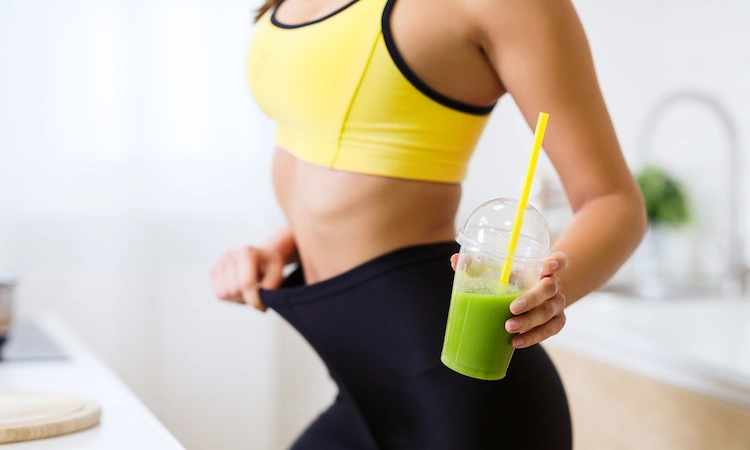
A smoothie diet for weight loss is simple: you use smoothies as planned meals or snacks, instead of grabbing whatever’s nearby when you’re rushed or hungry. People like it because it’s tasty, easy to prep, and it can make portions feel less stressful. When your blender is your “backup plan,” it’s easier to stay consistent.
That said, smoothies aren’t magic. They can help with calorie control and better nutrition, but results still depend on your total day of eating, your portions, and habits like sleep and movement. Some people do great with one smoothie a day, others need more solid meals to feel steady.
Weight Loss Programs
Diet & Weight Loss

Diet & Weight Loss

Diet & Weight Loss
Diet & Weight Loss
This post walks you through how to do a smoothie diet for weight loss in a realistic way: what schedule to use, how to build filling smoothies, what to buy and prep, and a simple 7-day plan you can repeat. This isn’t medical advice. If you’re pregnant, have diabetes, kidney disease, or a history of eating disorders, check with a clinician first.
How to do a smoothie diet for weight loss without feeling hungry
The best smoothie diet doesn’t feel like a punishment. It feels like a plan you can repeat on a busy Tuesday.
Here’s a practical way to start this week.
1) Choose your “why” and your guardrails
A smoothie diet works best when it solves a real problem, like skipping breakfast, late-night snacking, or relying on drive-thru meals. Pick one issue you want to fix first.
Set two guardrails:
- No extreme restriction. If you’re constantly hungry, you’ll quit or rebound.
- Keep at least one solid meal daily (for most people). Chewing matters for fullness and satisfaction.
If you’re curious about common pros and cons people run into, Healthline’s overview of smoothie diets is a helpful starting point for context.
2) Decide how many smoothies you’ll have per day
Most people lose momentum when they try to replace every meal. A smoothie diet is easiest to stick to when it’s flexible.
Use smoothies to support your day, not take it over. If your energy drops, your workouts suffer, or you feel fixated on food, that’s a sign to scale back.
3) Make “fullness” the goal, not “as few calories as possible”
A smoothie can be light and still be a calorie bomb (juice, sweetened yogurt, lots of nut butter). Another smoothie can be filling and balanced if it includes protein, fiber, and a bit of fat.
Think of it like building a sturdy chair. If one leg is missing, you wobble.
4) Plan your smoothie timing around your hardest hours
Common trouble spots:
- Morning chaos: breakfast smoothie beats skipping food.
- Afternoon slump: smoothie as a planned snack can prevent grazing.
- Late dinner habit: smoothie dinner can work, but keep it filling and don’t force it if you’re still hungry.
5) Keep your solid meal balanced and boring (in a good way)
When you’re doing one or two smoothies a day, the solid meal is where people often blow past their needs without noticing. Use a simple plate structure: half veggies, a quarter protein, a quarter carbs, plus a small amount of fat.
If you want more detail on what tends to make smoothies helpful or not for weight loss, Verywell Fit’s smoothie diet guide lays out practical do’s and don’ts.
Pick a simple schedule you can stick to (1 meal, 2 meals, or snack swaps)
There are three common options, and none of them are “the one.” Choose the one that fits your life.
Option A: 1 smoothie meal replacement per day
Best for: busy mornings, people who skip breakfast, anyone who wants a low-stress start.
How it looks: smoothie for breakfast, two solid meals.
Option B: 2 smoothies per day, plus 1 solid meal
Best for: people who like structure and do fine with lighter mornings and afternoons.
How it looks: smoothie breakfast, solid lunch or dinner, smoothie snack or dinner.
Option C: Snack swap smoothie
Best for: people who feel “fine” at meals but struggle with chips, pastries, and sugary coffee drinks.
How it looks: normal meals, smoothie as a planned snack.
Three smoothies a day for long periods is usually too strict for most people. A practical starting point is 1 smoothie meal per day for 7 days, then reassess. If you’re feeling good and not obsessing, you can test two smoothies on your busiest days.
Build a weight loss smoothie that keeps you full (protein, fiber, healthy fat)
Use this simple formula:
- 1 to 2 cups produce (fruit and or veggies)
- 20 to 30 g protein
- 1 to 2 tablespoons healthy fat
- High-volume liquid base (enough to blend, not enough to turn it into juice)
Easy protein options: Greek yogurt, protein powder, cottage cheese, soy milk.
Fiber boosters: chia seeds, ground flax, oats, berries, spinach.
Healthy fats: nut butter, avocado, chia, flax, seeds.
Juice-only smoothies are a common trap. Juice adds sugar and calories fast, and it usually won’t keep you full like whole fruit plus protein does. If you want sweetness, use bananas, mango, or frozen berries first.
Texture helps, too. Ice and frozen fruit make a thicker smoothie, and thickness slows you down, which can improve fullness.
What to buy and prep for a smoothie diet (so it is fast and affordable)
A smoothie diet gets expensive when you buy a new ingredient for every recipe. Keep it basic and repeatable. A tight list also makes your meals more consistent, which helps with weight loss.
Grocery list for 7 days of smoothies (mix and match ingredients)
Think in categories, then pick 1 or 2 from each.
Frozen fruit (budget-friendly staples): mixed berries, mango chunks, cherries, pineapple, sliced bananas.
Greens: baby spinach (fresh or frozen), kale (frozen works well in small amounts).
Protein: big tub of plain Greek yogurt, cottage cheese, tofu, soy milk, or a store-brand protein powder.
Liquids: unsweetened almond milk, unsweetened soy milk, low-fat milk, or water plus ice.
Add-ins: oats, chia seeds, ground flax, cinnamon.
Optional flavor boosters: unsweetened cocoa powder, vanilla extract, instant coffee, lemon juice.
Budget tips that actually matter: buy frozen berries, buy yogurt in large tubs, and use bananas for sweetness so you don’t need honey. If you’re dairy-free, soy milk and pea protein are common swaps. If you’re nut-free, sunflower seed butter and pumpkin seeds work well.
For a dietitian-written perspective on what to watch out for with smoothie plans, Berry Street’s smoothie diet plan article can help you sanity-check your approach.
Meal prep that takes 30 minutes: freezer packs and grab-and-go proteins
Prep once, then your weekday self won’t have to “find motivation.”
Step 1: Make 5 freezer packs
Put fruit and greens into freezer bags or containers. Label them with the flavor and date. Most freezer packs keep quality for 1 to 2 months.
Step 2: Keep proteins ready
Stock one or two grab-and-go proteins so your smoothie is always filling: single-serve Greek yogurt, cottage cheese cups, or shelf-stable protein powder. For your solid meal, keep simple proteins on hand like boiled eggs, cooked chicken, canned tuna, tofu, or beans.
Step 3: Know safe storage for blended smoothies
A fresh smoothie tastes best the same day. If you need to store it, keep it in the fridge and drink within 24 hours, then shake or stir before drinking.
Tip to avoid watery smoothies: add liquid last, and start with less than you think you need. You can always thin it out.
A 7 day smoothie diet plan for weight loss (with solid meals included)
This plan keeps it realistic: two smoothies per day and one balanced solid meal. If that feels like too much change, use the same structure but start with one smoothie daily.
You don’t need perfect macros. You need repeatable choices, steady protein, and portions you can live with.
Two simple smoothie recipes you can rotate all week
Both recipes aim for: protein, fiber, and a creamy texture without relying on juice.
1) Berry Protein Smoothie (thick and filling)
Ingredients:
- 1 cup frozen mixed berries
- 1 small banana (fresh or frozen)
- 3/4 cup plain Greek yogurt
- 1 tablespoon chia seeds
- 1 cup unsweetened milk (dairy or soy), add more only if needed
- Optional: handful of spinach (you won’t taste much)
Steps: Add liquid first, then yogurt, then frozen fruit and chia. Blend until thick.
Easy swaps:
No protein powder needed here. If you’re dairy-free, use soy yogurt or silken tofu. For lower sugar, use half a banana and add extra ice for thickness.
2) Green Peanut Butter Smoothie (sweet, not sugary)
Ingredients:
- 1 cup frozen mango or pineapple
- 1 to 2 big handfuls spinach
- 1 tablespoon peanut butter (measure it)
- 1 scoop protein powder or 1 cup soy milk
- 1 tablespoon oats
- Water or unsweetened milk to blend, plus ice
Steps: Blend greens with liquid first, then add frozen fruit, peanut butter, oats, and protein. Blend again until smooth.
Easy swaps:
Nut-free: sunflower seed butter. No powder: use Greek yogurt or soy milk. Lower sugar: swap half the fruit for cucumber or zucchini (frozen zucchini makes it creamy).
For both recipes, taste first. If it’s not sweet enough, change the fruit mix. Don’t default to honey. For thickness, adjust with ice or a splash of liquid.
Sample 7 day schedule (2 smoothies per day plus 1 balanced solid meal)
Use this template: smoothie breakfast, solid meal, smoothie snack or dinner, plus water. If workouts make you hungrier, add a small solid snack like an apple and string cheese, or carrots and hummus.
| Day | Breakfast smoothie | Solid meal (plate method) | Afternoon smoothie or dinner |
|---|---|---|---|
| Mon | Berry Protein | Salad kit plus chicken or chickpeas | Green Peanut Butter |
| Tue | Green Peanut Butter | Turkey and veggie wrap, side fruit | Berry Protein |
| Wed | Berry Protein | Chili (bean or turkey) plus side salad | Green Peanut Butter |
| Thu | Green Peanut Butter | Salmon, rice, broccoli | Berry Protein |
| Fri | Berry Protein | Tofu stir-fry with mixed veggies | Green Peanut Butter |
| Sat | Green Peanut Butter | Eggs, whole-grain toast, fruit | Berry Protein |
| Sun | Berry Protein | Leftovers built into a balanced plate | Green Peanut Butter |
Quick solid meal ideas you can rotate without thinking too hard:
- Salad kit plus rotisserie chicken
- Turkey and veggie wrap with mustard
- Chili (make once, eat twice)
- Salmon with microwave rice and frozen broccoli
- Tofu stir-fry with frozen veggies
- Eggs with toast and fruit
A planned treat once or twice a week can lower the urge to binge later. Keep it planned, keep it reasonable, and move on.
Common mistakes on a smoothie diet and how to fix them
Smoothies are easy to drink fast, and that’s both a blessing and a problem. If the diet isn’t working, it’s usually because of a few fixable issues, not a lack of willpower.
Hidden calorie traps (juice, too much nut butter, sweetened add-ins)
These add up quickly:
- Fruit juice as the base (use water or unsweetened milk instead)
- “Healthy” big scoops of nut butter (measure 1 tablespoon)
- Granola poured like cereal (use oats or skip it)
- Sweetened yogurt (choose plain, sweeten with fruit)
- Flavored creamers and sweet coffee add-ins (they sneak in fast)
Simple cues that help: choose unsweetened milk, use whole fruit instead of juice, and measure calorie-dense add-ins for a week until your eyes learn the portion.
Warning signs it is not working for you (and safer next steps)
Stop and adjust if you notice:
- Constant hunger that doesn’t improve after a few days
- Dizziness or headaches that keep happening
- Strong binge urges or feeling out of control around food
- Poor workouts and low energy
- Stomach issues (especially if you added lots of fiber overnight)
Fixes that usually help: add more protein, add a fiber booster slowly (like 1 teaspoon chia at first), or swap one smoothie for a solid meal. Sometimes you simply need more food, and that’s allowed.
If you take diabetes meds, have kidney issues, or you’re pregnant, get professional guidance before changing meals. A registered dietitian can tailor smoothies to your needs.
Conclusion
A smoothie diet can work for weight loss when it’s built on smart basics, not hype. Keep it realistic: choose a schedule you can repeat, build each smoothie with protein and fiber, prep ingredients so you don’t rely on willpower, and keep at least one balanced solid meal to stay satisfied. Watch for hidden calorie add-ins, and adjust early if you feel lousy.
Your next 24 hours can be simple: pick your schedule, shop for 10 core items (frozen fruit, spinach, yogurt or soy milk, chia, oats), then prep 5 freezer packs. After that, it’s just blend, drink, and move on with your day. Consistency beats perfection, especially when life gets busy.

The AnySmoothie team is all about smarter smoothie recipes made with whole-food ingredients. Everything we share centers on balanced nutrition, steady energy, and low-glycemic choices, so you can sip a smoothie that keeps you full, feels good, and helps you avoid sugar crashes.
- Disclaimer: This content is for educational use only. These smoothie recipes and nutrition details aren’t a substitute for medical advice from a licensed health professional. Please read our full Medical Disclaimer here.
Dietary Supplements
Dietary Supplements
Dietary Supplements
Dietary Supplements

Dietary Supplements