
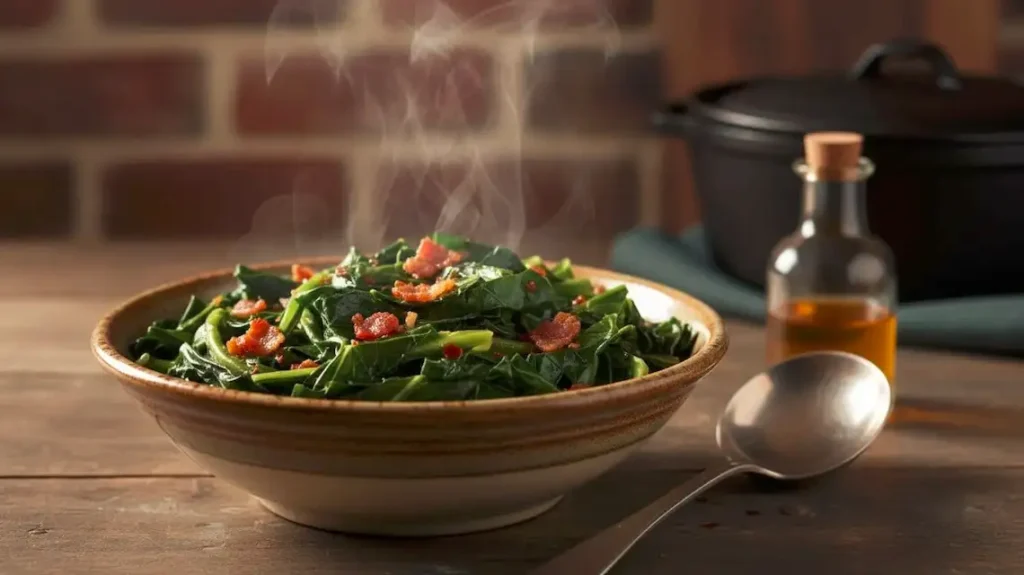
Collard greens can be silky, savory, and packed with flavor, or they can turn out tough and bitter. Most people want the first outcome, not the second. This simple guide shows you how to cook collard greens so they are soft, well seasoned, and never gritty.
Everything here is written for home cooks, with easy to find ingredients and clear steps. You will learn a classic Southern style method plus lighter, quicker options, all with short cook times and beginner friendly tips.
Pick and Prep Collard Greens for the Best Flavor
Weight Loss Programs

Diet & Weight Loss
Diet & Weight Loss
Diet & Weight Loss

Diet & Weight Loss
Ageless Energy Solution – Natural Vitality & Wellness Support
Great greens start before you ever turn on the stove. Fresh, clean collards cook faster, taste sweeter, and feel better in every bite. A few extra minutes at the sink pays off later at the dinner table.
You can learn a more traditional Southern approach from guides like this Southern collard greens 101 tutorial, then adapt it to your own taste. Once you know how to choose and prep the leaves, any recipe becomes easier.
How to choose fresh collard greens at the store or market
Look for leaves that are a deep, rich green from top to bottom. Skip bunches with yellow spots, dark slimy patches, or black specks. The stems should feel firm when you bend them, and the leaves should not be floppy or heavily wilted.
You can buy whole bunches or pre chopped bagged collards. Whole bunches often taste fresher, give you better texture, and can cost less. Bagged greens save time, which helps on busy nights. Pick what fits your schedule, but always check color and smell before buying.
Wash, trim, and cut so they are not gritty or tough
Fill a large bowl or clean sink with cold water. Add the collards, swish them around, then lift them out and change the water. Repeat until you see no sand or dirt at the bottom. Gritty greens usually mean they were not rinsed enough.
To trim, lay one leaf flat, fold it in half along the stem, and slice the thick stem out. Stack a few trimmed leaves, roll them into a tight log, then slice into bite sized strips. Removing most of the thick stem helps the greens cook faster and turn out more tender.
Simple Southern Style Collard Greens Recipe for Beginners
This basic method gives you soft, savory collards with very little fuss. You build flavor in layers, use simple pantry ingredients, and let gentle heat do the work.
For another take on the same idea, you can compare this method to a classic Southern style collard greens recipe, then tweak amounts to match your own taste.
Basic ingredients rich and savory
Use these simple ingredients as your base:
- Collard greens: The star, giving body, color, and a mild earthy taste.
- Onion: Adds sweetness and depth as it softens.
- Garlic: Brings a warm, savory kick.
- Salt and black pepper: Bring all the flavors into balance.
- Smoked meat (bacon, ham hock, or smoked turkey): Adds smoky, meaty flavor and richness.
- Smoked paprika: A good swap for meat if you want a vegetarian pot.
- Broth or water: Helps the greens simmer gently and soften.
- Vinegar (apple cider or white): Brightens the whole dish at the very end.
Step by step: how to cook collard greens on the stove
Here is a simple order that works for beginners:
- Cook chopped bacon or another smoked meat in a large pot until browned and some fat has melted.
- Add diced onion and minced garlic to the pot and sauté in the fat until soft and fragrant.
- Add the chopped collards a few handfuls at a time, stirring as they wilt, then pour in enough broth or water to come partway up the greens.
- Season with salt and pepper, cover the pot, and simmer on low until the collards are tender, usually 30 to 45 minutes, stirring once or twice.
- Finish with a small splash of vinegar, taste, and adjust salt, pepper, or vinegar before serving.
This is how to cook collard greens in a way that feels friendly, repeatable, and easy to adjust over time.
Easy Variations and Serving Ideas
Once you know the basic pot of greens, you can play with the fat, cook time, and spice level. Small changes can make the dish lighter, faster, or bolder, depending on what you like and what you have in the pantry.
Healthier and faster ways to cook collard greens
For a lighter pot, use olive oil instead of bacon, and smoked paprika instead of smoked meat. To cut the cook time, use a pressure cooker or Instant Pot, which softens the greens in a fraction of the time.
If you like brighter greens, do a quick sauté in olive oil with garlic and a splash of lemon, similar to this style of quick collard greens recipe, and cook just until they are tender but still a bit chewy.
What to serve with for a complete meal
Collard greens love simple, homey sides. They are perfect with cornbread, rice, baked or fried chicken, pork chops, black eyed peas, or grilled fish. The greens add color, fiber, and comfort to the plate, so even a basic protein feels like a full meal.
Use leftover collards in grain bowls, tucked into wraps, or spooned next to eggs for breakfast. A small bowl of warm greens can turn simple leftovers into something that feels cooked fresh.
Conclusion
Now you know the core steps: choose fresh greens, wash and trim them well, then simmer with simple flavor boosters until tender. With a little practice, you will feel confident about how to cook collard greens your own way. Adjust the vinegar, heat, or smoked flavor to match what you and your family like best. Try new sides, save leftovers, and let each pot teach you what you enjoy most.
You might also like:
Simple & Practical FAQs:
How do I clean collard greens properly?
Fill a large bowl or clean sink with cool water. Separate the leaves, swish them around, and let any grit fall to the bottom.
Lift the greens out of the water (do not pour them out) and repeat with fresh water until there is no sand or dirt left. Pat dry or spin in a salad spinner before cutting.
Do I need to remove the stems from collard greens?
The thick center stems are tough and fibrous, especially on large, mature leaves. Most people remove them for better texture.
Fold each leaf in half along the stem, slice the stem out, then stack the leaves and cut into strips. You can save tender stem pieces for longer cooking, or discard them if you prefer a softer dish.
How long should I cook collard greens?
It depends on the style you want. For classic Southern braised greens that are soft and silky, cook them low and slow for 45 to 90 minutes.
For quicker, more tender-crisp greens, sauté them for 8 to 12 minutes, just until they are wilted and bright but not mushy. Taste as you go and stop when the texture feels right to you.
What can I use to season collard greens?
Collards love bold seasoning. Common choices include:
- Salt and pepper for the base
- Smoked meat (ham hock, bacon, smoked turkey) for depth
- Onion and garlic for flavor
- Crushed red pepper or hot sauce for heat
- Vinegar (apple cider or white) to brighten at the end
Start with a savory base like onion, garlic, and a bit of fat, then adjust salt, heat, and acid toward the end of cooking.
Can I cook collard greens without pork or meat?
Yes, collard greens taste great without meat. Use oil or butter and build flavor with onion, garlic, smoked paprika, bay leaf, and vegetable broth.
Finish with a splash of vinegar or lemon juice and a pinch of sugar if you like a more rounded taste. You still get rich, satisfying greens without any animal fat.
Why do my collard greens taste bitter, and how can I fix it?
Collards have a natural bitterness, especially if they are older or overcooked. You can soften that flavor with a few tricks.
Try one or two of these:
- Add a splash of vinegar or lemon juice near the end
- Stir in a small pinch of sugar or drizzle of honey
- Use smoked meat or smoked paprika for depth
- Make sure you use enough salt, since under-seasoned greens taste harsher
Taste, adjust, then let them simmer for a few more minutes to blend.
Should I cover collard greens while they cook?
For long, slow braising, keep the pot partially covered so the greens stay moist but some liquid can reduce. This helps build a flavorful potlikker, the seasoned cooking liquid.
For quick sautéed collards, leave the pan mostly uncovered. You want some steam to help soften them, but not so much that they turn soggy.
What is “potlikker,” and should I save it?
Potlikker is the rich, seasoned liquid left in the pot after cooking collard greens. It is full of flavor and nutrients from the greens, aromatics, and any smoked meat.
Many people serve greens with some potlikker in the bowl, dip cornbread into it, or use it as a base for soups or beans. If it tastes good, keep it and use it.
Can I cook collard greens in an Instant Pot or pressure cooker?
Yes, a pressure cooker works well if you want tender greens in less time. Sauté your aromatics first, add greens and liquid, then cook at high pressure for about 10 to 15 minutes, depending on how soft you like them.
Let the pressure release naturally for a few minutes. Taste and adjust seasoning, then simmer on sauté mode if you want the liquid to reduce.
How do I store leftover cooked collard greens?
Let the greens cool to room temperature, then store them with their cooking liquid in an airtight container. They keep in the fridge for about 3 to 4 days.
For longer storage, freeze them for up to 3 months. Reheat gently on the stove with a splash of water or broth so they do not dry out.
Can I use frozen collard greens instead of fresh?
Frozen collards are already cleaned and chopped, which saves time. They work well for soups and long-cooked dishes.
They may be slightly softer than fresh once cooked, but the flavor is still good. Add them straight to the pot without thawing, and adjust cooking time since they often cook faster than fresh.

The AnySmoothie team is all about smarter smoothie recipes made with whole-food ingredients. Everything we share centers on balanced nutrition, steady energy, and low-glycemic choices, so you can sip a smoothie that keeps you full, feels good, and helps you avoid sugar crashes.
- Disclaimer: This content is for educational use only. These smoothie recipes and nutrition details aren’t a substitute for medical advice from a licensed health professional. Please read our full Medical Disclaimer here.
Dietary Supplements
Dietary Supplements
GlucoBerry – Daily Support for Healthy Blood Sugar and Energy
Dietary Supplements
Dietary Supplements

Dietary Supplements