

Running is actually a simple way for people to lose weight. It is easy and effective and needs no special tools. This article will explain how running helps with weight loss and the science behind it. You will get tips to lose extra kilos easily.
The Science Behind Running and Weight Loss
Running basically burns calories which are needed for weight loss. To lose weight you must burn more calories than you eat. Running helps because it burns many calories quickly, you know. Burning calories makes your body create a calorie deficit. Running helps achieve weight loss which is kind of the key.
Weight Loss Programs
Diet & Weight Loss

Diet & Weight Loss

Diet & Weight Loss
Diet & Weight Loss
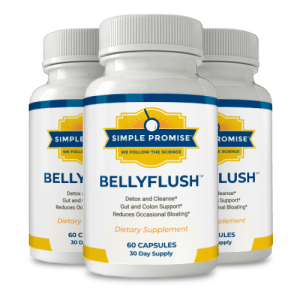
BellyFlush™ – Gut Cleanse and Digestive Detox for Weight Support
Running also changes how your metabolism works. Basically it boosts metabolism even after you finish running. You keep burning calories even when at rest. Running often can actually result in weight loss over time. You know consistency matters for every exercise plan.
Running helps your heart, makes muscles stronger and keeps you fit. Running reduces stress and might stop stress eating sometimes. But you should remember, running alone may not lead to huge weight loss. You have to combine it with proper eating and rest.
Running burns calories and improves health which actually helps a lot. Pick a good routine that matches your fitness level best.
How Many Calories Does Running Burn?
Calories burned depend basically on many different factors. Factors include running speed, body weight and also distance. Heavier people burn more calories as moving their body takes effort.
A 55-kilogram runner may burn 240 calories running 30 minutes. A 75-kilogram runner can burn about 300 calories running at the same time. Weight matters a lot in how much you lose over time really.
Running faster burns more calories but it might not be better. High intensity running uses more energy actually but takes less time. But it also tires you quickly. On the other hand, running slower for long distances burns calories steadily. Both methods work but depend on your very own fitness level.
Running uphill or rough paths burns more calories from extra effort. To challenge yourself try hills or rough terrains during running. Running in hot or cold weather can slightly increase calorie burn.
Calorie burn varies widely based on several factors. Use fitness apps or devices to track it well easily. Staying consistent is what matters more than numbers. If you want a deeper explanation of per-mile burn estimates, this breakdown on how many calories you burn running a mile is a helpful reference.
Calories burned from running, what most people can expect
Most runners burn roughly 80 to 140 calories per mile, depending on body size and pace. Bigger bodies usually burn more per mile, and running faster can raise total burn, but the biggest driver is often simple: how many miles (or minutes) you do.
Two quick examples using that common range:
- 150-pound person, 3 miles: about 240 to 360 calories (80 to 120 per mile is a common window).
- 200-pound person, 3 miles: about 300 to 420 calories (often closer to 100 to 140 per mile).
Terrain and conditions matter too. Hills raise effort, heat raises strain, and running into wind can feel like someone turned gravity up. Fitness level also changes things. As you get more efficient, you may burn a bit less per mile, even as your pace improves.
For a personalized estimate by pace, time, and body weight, you can sanity-check your numbers with the Calories Burned Calculator.
Putting it together, weekly running plans and possible weight loss
Let’s turn estimates into real schedules. These examples assume your eating stays mostly steady.
Scenario 1: 3 miles, 3 times per week (9 miles/week) If you burn about 90 to 130 calories per mile, that’s roughly 810 to 1,170 calories per week. Over 4 weeks, that’s 3,240 to 4,680 calories, or about 0.9 to 1.3 pounds per month.
Scenario 2: 30 minutes, 4 times per week Many recreational runners cover 2.5 to 3.5 miles in 30 minutes. That’s roughly 10 to 14 miles per week. Using the same per-mile range, you might burn about 900 to 1,820 calories per week, which could translate to roughly 1.0 to 2.1 pounds per month.
Scenario 3: Beginner run-walk, 3 times per week (20 to 30 minutes) Early weeks may burn 450 to 900 calories per week, depending on body size and total time moving. That’s about 0.5 to 1.0 pounds per month, and it often improves as you build endurance.
One important reality check: running can make you hungrier. If you “reward” every run with a large sweet coffee or a big dessert, the math flips fast. Your food choices decide the final result.
Factors That Influence Weight Loss Through Running
Weight loss from running depends on several important factors. Running alone is not everything it is about lifestyle choices.
- Diet: If you eat more calories than you burn, running alone cannot help you lose weight. Combine running and a healthy diet for the best results I think.
- Consistency: Running occasionally will not lead to much weight loss. A regular schedule is necessary to see changes.
- Sleep Quality: Lack of sleep affects your metabolism, making it harder to lose weight. Sleep well every night.
- Intensity: Higher intensity runs burn more calories but can also tire you out. Keep your running balanced with intensity and endurance basically.
- Hydration: Staying hydrated boosts performance and helps the body recover after runs. This supports your weight-loss journey.
These factors work together to influence how much weight you might lose. Running is important, but so is everything else. Change as many factors as you can for better results.
How Running Intensity Affects Fat Burning
Intensity really matters in how much fat is burned running. Slow running burns fat mainly as the energy source. Fast running burns more calories overall but takes less time. This difference depends on what energy the body needs exercising.
Slow runs or steady workouts are better for burning fat. These runs burn fat more efficiently than carbs for your body. These runs are also easier to maintain for a longer time. For gradual weight loss this method is kind of the best option.
High-intensity running boosts calorie burn quickly even after finishing exercise. The body keeps burning calories for hours after the afterburn effect. HIIT training running mainly focuses on this calorie burn gain. Short bursts of sprints followed by slow jogs are an example.
Both methods burn fat but in different ways. Combining them in your routine might be the smartest approach. Low intensity keeps you steady, while high intensity gives quicker results. Choosing one over the other depends on what fits your fitness level. Experiment with these to find what works better for you.
The Best Types of Running for Maximum Weight Loss
Not every type of running is equally effective for weight loss. Choosing the right one can speed up your progress. Here are running types and reasons why they really work.
- Interval Runs: Switch between sprinting and jogging, burning both fat and calories quickly.
- Long-distance Runs: Run at a moderate pace for extended periods. It improves endurance and burns fat kind of steadily.
- Hill Running: Running uphill boosts muscle strength and burns more calories due to added resistance.
- Sprint Training: Short, fast sprints burn a huge amount of calories and improve speed very quickly.
- Trail Running: Uneven paths make your muscles work harder and improve balance, increasing calorie burn.
Mixing running types keeps routines fun and effective I think. Each one targets weight loss in unique ways.
FAQs
How effective is running for long-term weight loss?
Running can maintain weight but needs consistency and healthy habits. Long-term weight loss also needs good food and a balanced lifestyle. Adding running adds benefits over time.
What is the best running schedule for beginners aiming to lose weight?
Beginners can start with three running days weekly and rest in between. Each week I increase running frequency and intensity slowly. Pay attention to your body to avoid injuries and training too much.
How does running compare to other cardio exercises for weight loss?
Running burns more calories quickly than other cardio exercises generally. Cycling or swimming is joint-friendly but burns fewer calories often.
Your Next Steps
Running helps lose weight and makes you feel much healthier too. Consistency is key along with you balancing it with healthy habits. Try different types of running and adjust intensity based on your goals. Get started on your running journey today and enjoy the benefits over time. Keep moving forward!

The AnySmoothie team is all about smarter smoothie recipes made with whole-food ingredients. Everything we share centers on balanced nutrition, steady energy, and low-glycemic choices, so you can sip a smoothie that keeps you full, feels good, and helps you avoid sugar crashes.
- Disclaimer: This content is for educational use only. These smoothie recipes and nutrition details aren’t a substitute for medical advice from a licensed health professional. Please read our full Medical Disclaimer here.
Dietary Supplements

Dietary Supplements
Dietary Supplements
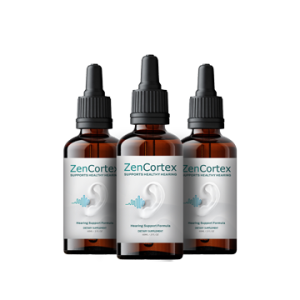
ZenCortex – Daily Support for Brain Clarity and Hearing Health
Dietary Supplements

Dietary Supplements