
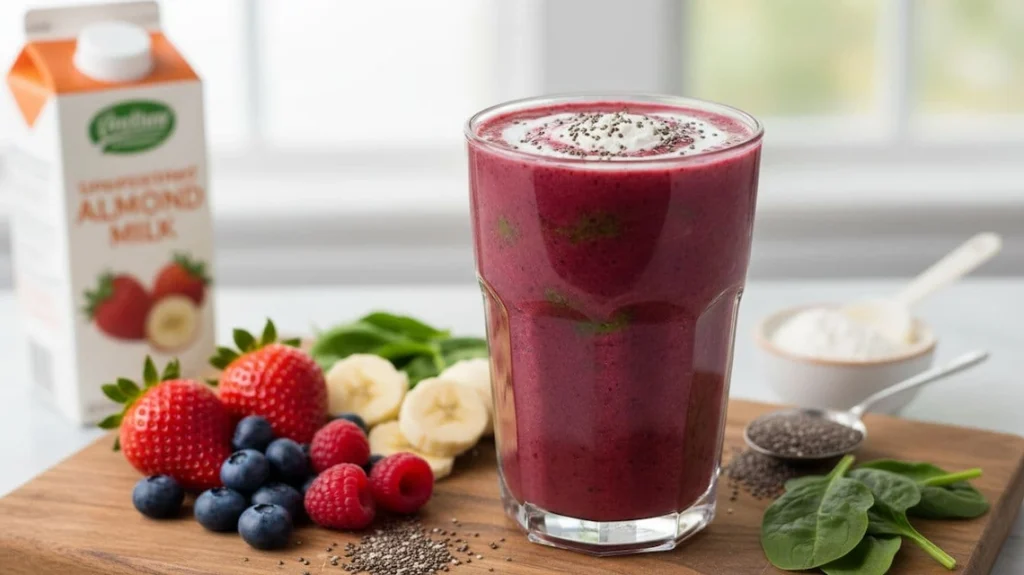
There is a reason people love fruit smoothies recipes for weight loss. They are quick, tasty, and easy to sip in the car, at your desk, or after a workout.
The catch is that not every smoothie is friendly to your goals. Some are closer to milkshakes, loaded with juice, sugar, and huge portions. This guide walks you through simple rules plus a few balanced recipes that fit real life, especially if you are busy and want fast breakfast or snack ideas that support fat loss and steady energy, not crash diets.
How Fruit Smoothies Help With Weight Loss (When You Make Them Right)
Weight Loss Programs
Diet & Weight Loss
Diet & Weight Loss
Diet & Weight Loss
Diet & Weight Loss
BellyFlush™ – Gut Cleanse and Digestive Detox for Weight Support
A smoothie is just food in a cup. If it has too many calories, it can slow fat loss, even if every ingredient is “healthy.” The sweet spot is a drink that fills you up, gives you steady energy, and still fits your daily calorie needs.
When you drink a smart smoothie, you get a mix of fiber, protein, and a little fat. This combo helps your stomach empty more slowly and keeps your blood sugar from spiking. That means fewer mid-morning crashes and fewer “I need a snack right now” moments.
Fiber from fruit, veggies, and seeds acts like a sponge. It soaks up water, takes up space in your stomach, and helps you feel satisfied. Protein from Greek yogurt, protein powder, or cottage cheese tells your brain that you have eaten something real, not just sugar.
Healthy fats, like a teaspoon of peanut butter or chia seeds, add creaminess and help control hunger, as long as you use small amounts. When you are searching for fruit smoothies recipes for weight loss, you want this mix of fiber, protein, and controlled calories, not just fruit and juice.
If you want more ideas beyond this post, you can see how dietitians build a 30-Day Smoothie Plan for Weight Loss for variety and balance.
The 4 keys to a fat burning smoothie: calories, fiber, protein, and healthy fats
- Calorie control: Smoothies can turn high calorie fast. One extra banana, a big pour of juice, and a big spoon of peanut butter can add hundreds of calories.
- Fiber: Use whole fruits, leafy greens, oats, and seeds. Fiber helps you stay full longer and supports digestion.
- Protein: Add Greek yogurt, protein powder, or cottage cheese. Protein keeps you satisfied and supports muscle, which helps your body burn more calories over time.
- Healthy fats: Small amounts of nut butter, avocado, flax, or chia seeds help control hunger. A teaspoon or two is enough for most smoothies.
How to avoid turning a healthy smoothie into a sugar bomb
Many “healthy” smoothies are basically dessert. Common mistakes include:
- Using lots of fruit juice instead of whole fruit
- Adding sugar, honey, flavored syrups, or sweet protein powders
- Choosing sweetened yogurts that already have added sugar
- Pouring in big blobs of nut butter or coconut milk
Simple ways to fix it:
- Use water, ice, or unsweetened almond milk as your base
- Pick whole fruit instead of juice, so you keep the fiber
- Choose plain Greek yogurt and add flavor with vanilla, cocoa, or spices
- Measure nut butters and seeds instead of eyeballing the jar
For more ideas on lighter blends, you can check out these smoothies that help with weight loss for extra flavor combos.
5 Easy Fruit Smoothies Recipes for Weight Loss You Can Blend in 5 Minutes
These recipes are simple, fast, and use ingredients you can find in any grocery store. Each one makes about 1 serving. You can add a few ice cubes if you like a thicker texture.
1. Green Berry Breakfast Boost Smoothie
Best time to drink: Breakfast or mid-morning when you need a filling start.
Ingredients:
- 1 cup fresh spinach, packed
- 1 cup frozen mixed berries
- 1/2 banana
- 1/2 to 3/4 cup plain Greek yogurt
- 3/4 to 1 cup water or unsweetened almond milk
- 1 teaspoon chia or ground flax seeds (optional)
Why it helps with weight loss:
Spinach and berries load this smoothie with fiber and antioxidants. Greek yogurt adds protein to keep you full, and the half banana brings natural sweetness without too many carbs. The chia or flax adds a little healthy fat, so the smoothie is thick, creamy, and perfect for people who usually skip breakfast but want something quick before work.
2. Tropical Belly Fat Friendly Smoothie
Best time to drink: Light lunch, afternoon snack, or post-beach craving.
Ingredients:
- 1/2 cup frozen pineapple chunks
- 1/2 cup frozen mango chunks
- 1/3 small banana
- 3/4 to 1 cup coconut water or water
- 1 scoop vanilla protein powder or 1/2 cup plain Greek yogurt
- Ice, as needed
Why it helps with weight loss:
You get the taste of a vacation drink, without the huge calorie hit. The mix of tropical fruits gives natural sweetness and vitamin C. Protein from the powder or yogurt balances the fruit so your blood sugar stays steadier. Stick to one measured serving and skip extra sweeteners, and this smoothie can fit into most weight loss plans.
3. Creamy Strawberry Oat Smoothie for All-Morning Energy
Best time to drink: Full breakfast or pre-workout drink.
Ingredients:
- 1 cup frozen strawberries
- 1/4 cup rolled oats
- 1/2 to 3/4 cup plain Greek yogurt
- 1 cup water or unsweetened milk of choice
- 1/2 teaspoon vanilla extract
Why it helps with weight loss:
Oats provide fiber and slow-digesting carbs that help keep your energy steady. Combined with Greek yogurt, you get a mix of protein and carbs that can power your morning or workout. The texture is creamy and thick, like a milkshake, but you stay full for hours and cut the urge to snack on pastries later.
For more breakfast ideas, you might like these healthy breakfast smoothies for weight loss that use greens and fruit in smart portions.
4. Apple Pie Smoothie That Tastes Like Dessert but Fits Your Plan
Best time to drink: Afternoon snack or after-dinner sweet fix.
Ingredients:
- 1 small apple, cored and chopped (leave the peel on for fiber)
- 2 tablespoons rolled oats
- 1/2 cup plain Greek yogurt or 1 scoop unflavored protein powder
- 1/2 teaspoon ground cinnamon
- 3 to 4 ice cubes
- 3/4 to 1 cup water or unsweetened almond milk
Why it helps with weight loss:
This smoothie tastes like apple pie in a glass, without the crust and sugar. The apple and oats bring fiber, and the yogurt or protein powder adds staying power. Warm spices like cinnamon make it feel indulgent, which can help you satisfy dessert cravings without raiding the cookie jar.
5. Post-Workout Berry Protein Refuel Smoothie
Best time to drink: Right after a workout or as a light meal.
Ingredients:
- 1 cup mixed berries, fresh or frozen
- 1 scoop protein powder
- 1/2 small banana
- 1 teaspoon chia or ground flax seeds
- 1 cup water or milk of choice
- Ice, if needed
Why it helps with weight loss:
This smoothie is higher in protein to help muscles recover after exercise. The banana and berries replace some of the carbs you used during your workout, without going overboard. If you drink this instead of adding it on top of your usual snack, it can work as a light meal and keep your total daily calories in check.
If dessert-style blends tempt you, there are also options like a strawberry banana chocolate weight loss smoothie that still fit a smart plan when you watch the serving size.
Smart Tips to Use Fruit Smoothies for Weight Loss Every Day
Smoothies work best when they are part of your routine, not a random fix.
How often should you drink fruit smoothies for weight loss?
A simple rule is one smoothie per day, used to replace a higher calorie meal or snack. For example, swap a drive-thru breakfast sandwich for a protein-rich smoothie, or replace an afternoon pastry and coffee drink with a lighter berry blend.
Total daily calories matter more than any single recipe. If you add smoothies on top of everything else, weight loss will stall. Keep some regular chewable meals too. Chewing helps your brain register fullness and supports digestion.
Prep and storage hacks so healthy smoothies are always ready
Busy days are when old habits return. A little prep keeps smoothie choices easy.
Try these quick hacks:
- Make freezer smoothie packs with pre-portioned fruit, greens, and oats in zip bags or containers
- Store washed greens and chopped fruit in clear containers so you see them first
- Use mason jars or reusable cups to store smoothies in the fridge for up to 24 hours, then shake before drinking
- Keep your blender on the counter, not hidden, so it reminds you to use it
If you like reading more about how smart ingredients turn into real fat loss, this guide on fruit smoothie recipes for weight loss that work shows the same core ideas in action.
Conclusion
Balanced, simple fruit smoothies recipes for weight loss can help you feel full, keep your energy steady, and still enjoy sweet flavors you love. The key is to focus on fiber, protein, and small amounts of healthy fat, while keeping calories and added sugar in check.
Pick one recipe from this list to try this week, then start swapping fruits, greens, and proteins while using the same basic rules. Make a short shopping list today, or prep one freezer smoothie pack tonight, so tomorrow’s healthy choice is already half done.
Fruit Smoothies Recipes for Weight Loss FAQs:
How can fruit smoothies support weight loss instead of weight gain?
Fruit smoothies can help with weight loss if you keep calories, sugar, and portion size under control.
They support weight loss when they:
- Replace a higher-calorie meal or snack
- Include protein, fiber, and some healthy fat
- Stay within your daily calorie needs
They can cause weight gain if you:
- Add a lot of juice, flavored yogurt, or sweeteners
- Use very large cups
- Treat them as “free” calories on top of your normal meals
Use a smaller glass, measure ingredients, and treat a smoothie like a real meal or snack, not a drink on the side.
What are the best fruits to use in a weight-loss smoothie?
For weight loss, focus on fruits that are high in fiber and lower in sugar per serving.
Good choices:
- Berries (strawberries, blueberries, raspberries, blackberries): high fiber, lower sugar, very filling
- Green apple: tart, crisp, and adds bulk
- Pear: great fiber content and creamy texture when blended
- Kiwi: vitamin C and mild sweetness
- Citrus (orange, grapefruit segments): bright flavor and moderate calories
Use higher-sugar fruits, like mango, pineapple, grapes, and banana, in smaller amounts. For example, half a banana or a few pineapple chunks can sweeten the smoothie without pushing calories too high.
What should I add to fruit smoothies to make them more filling and weight-loss friendly?
Fruit alone often leaves you hungry an hour later. Add protein, fiber, and healthy fat to stay full longer.
Helpful add-ins:
- Protein: Greek yogurt, cottage cheese, whey or plant protein powder, silken tofu, pasteurized egg whites
- Fiber: chia seeds, ground flaxseed, oats, psyllium husk (start with a tiny amount)
- Healthy fat: avocado, almond butter, peanut butter, walnuts
- Greens: spinach, kale, romaine, cucumber for extra volume with few calories
Aim for:
- 15 to 25 grams of protein
- At least 5 grams of fiber
This balance helps control appetite and can reduce later snacking.
Can I replace a meal with a fruit smoothie for weight loss?
Yes, a well-built smoothie can replace a meal and still support weight loss.
For a meal-sized smoothie, you want:
- Protein: 20 to 30 grams
- Calories: about 300 to 450, depending on your size and activity
- Fiber: at least 6 to 8 grams
- Healthy fat: a small amount, such as 1 tablespoon of nut butter or chia seeds
Make sure the smoothie includes a protein source, fruit, and some greens. If you feel hungry soon after, increase protein or fiber next time, not just fruit.
Are fruit smoothies too high in sugar to be good for weight loss?
Whole fruit comes with natural sugar, but it also has fiber, water, and nutrients. In a blended smoothie, the fiber is still there, so it is usually better than juice.
They can be too high in sugar if:
- You use a lot of fruit plus fruit juice
- You add honey, maple syrup, or flavored syrups
- You skip protein and fat
To keep sugar in check:
- Use water or unsweetened milk as the base
- Pick 1 to 2 cups of fruit total
- Skip extra sweeteners and rely on the fruit
If you have diabetes or prediabetes, talk with a healthcare provider or dietitian about portion size and carb targets.
What’s a simple formula for a weight-loss fruit smoothie recipe?
Use this easy formula to build a balanced smoothie:
- Liquid: 1 to 1½ cups water, unsweetened almond milk, or skim milk
- Fruit: 1 to 1½ cups mixed fruit (fresh or frozen)
- Protein: 1 scoop protein powder, ¾ to 1 cup Greek yogurt, or ½ cup cottage cheese
- Fiber or fat: 1 tablespoon chia or ground flax, or 1 to 2 teaspoons nut butter
- Greens (optional but helpful): 1 to 2 cups spinach, kale, or mixed greens
Blend until smooth, then taste. If it is not sweet enough, add a bit more fruit, not sugar.
How many calories should a weight-loss smoothie have?
The right calorie range depends on how you use the smoothie.
| Smoothie Use | Typical Calorie Range | Notes |
|---|---|---|
| Meal replacement | 300 to 450 | Include protein, fat, and fiber |
| Snack | 150 to 250 | Keep it simple and light |
| Post-workout option | 200 to 350 | Focus on protein plus some carbs |
Track your daily intake as a whole. A “healthy” smoothie can still stall weight loss if total daily calories are too high.
Is it better to drink fruit smoothies for breakfast or later in the day?
The best time is when a smoothie helps you stick to your plan.
Many people like smoothies for breakfast because:
- They are quick and portable
- You start the day with fruit, protein, and sometimes veggies
- They can replace a heavy breakfast such as pastries or fast food
Others prefer them:
- After a workout, for protein and carbs
- As an afternoon snack, instead of chips or candy
Choose the time of day when you are most likely to overeat and use a smoothie as a smart swap.
Should I use fresh or frozen fruit in weight-loss smoothies?
Both are fine for weight loss. The key is what is added to the fruit.
- Frozen fruit often has the same nutrients as fresh fruit and gives a thicker, milkshake-like texture. It is handy for quick prep and usually cheaper.
- Fresh fruit works well when it is in season and ripe. You may need to add ice to get a similar texture.
Check that frozen fruit has no added sugar or syrups. The ingredient list should only show fruit.
How many fruit smoothies can I have per day if I’m trying to lose weight?
Most people do well with one smoothie per day, sometimes two if one is a snack and one is a meal and both fit their calorie needs.
More than that can cause:
- Too much liquid nutrition and less chewing, which can affect fullness
- Higher sugar and calorie intake if portions are large
- Less variety in your diet, such as fewer whole, solid meals
Use smoothies as a tool, not your entire diet. Keep whole fruits, vegetables, lean proteins, and other solid foods on your plate too.
Do I need protein powder in my smoothie to lose weight?
Protein powder is helpful, but not required.
Good whole-food protein options:
- Greek yogurt
- Cottage cheese
- Silken tofu
- Pasteurized liquid egg whites
- Skim or higher-protein milk
Protein powder can be useful if:
- You are short on time
- You do not eat much dairy
- You need more protein to feel full
If you use a powder, pick one with little or no added sugar and a short ingredient list.

The AnySmoothie team is all about smarter smoothie recipes made with whole-food ingredients. Everything we share centers on balanced nutrition, steady energy, and low-glycemic choices, so you can sip a smoothie that keeps you full, feels good, and helps you avoid sugar crashes.
- Disclaimer: This content is for educational use only. These smoothie recipes and nutrition details aren’t a substitute for medical advice from a licensed health professional. Please read our full Medical Disclaimer here.
Dietary Supplements
Dietary Supplements
Dietary Supplements
Dietary Supplements

Dietary Supplements