
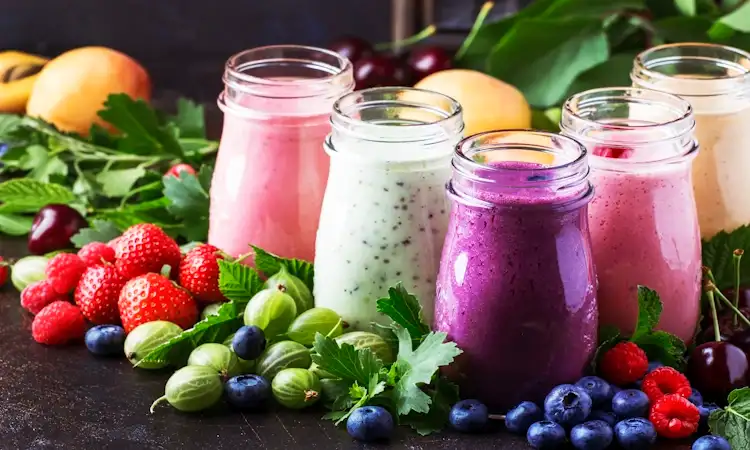
These fruit smoothie recipes keep it simple, real fruit, common ingredients, and quick steps you can follow on a busy morning. You’ll get big flavor, a smooth texture, and plenty of options, including dairy free fruit smoothies that still taste rich and creamy.
Inside, you’ll find a short smoothie formula you can mix and match, plus go-to favorites like mixed berry smoothies, tropical smoothie recipes, mango smoothie ideas, and banana smoothie recipes. Since smoothies aren’t one-size-fits-all, you’ll also see easy add-ins (think protein, fiber, and healthy fats) that help you stay full without ruining the taste.
Weight Loss Programs

Diet & Weight Loss
Diet & Weight Loss
Diet & Weight Loss

Diet & Weight Loss
Ageless Energy Solution – Natural Vitality & Wellness Support
If you’ve ever ended up with a watery drink, a grainy sip, or a blender jam, you’re in the right place. These tips and recipes cover small fixes that make a big difference, so your summer fruit drinks come out thick, cold, and satisfying every time.
Start with a simple smoothie formula you can use every time
Most fruit smoothie recipes boil down to the same four building blocks: fruit + liquid + thickener + blend. Once you know the pattern, you can swap flavors all week without thinking too hard. It’s like building a sandwich, the bread matters, but the fillings are where you have fun.
A reliable starting point for a single, drinkable smoothie is:
- 1 1/2 to 2 cups fruit
- 3/4 to 1 cup liquid
- 1/2 cup thickener (or one “thick” add-in like a banana or yogurt)
- Optional: a pinch of salt, a squeeze of lemon, or a spoon of honey if your fruit is bland
From there, you adjust one thing at a time, more frozen fruit for thickness, more liquid to loosen it up, or a creamy add-in to make it satisfying.
Pick your fruit: fresh, frozen, or a mix
Use fresh fruit when you want bright, “just-picked” flavor, especially for ripe strawberries, peaches, and melon. Fresh fruit also gives you more control over sweetness, since you can taste a piece first. The tradeoff is texture, fresh fruit alone can blend up a bit thin unless you add something cold and thick.
Choose frozen fruit when you want that spoon-thick, smoothie-shop feel. Frozen berries, mango, pineapple, and banana blend easily and help your smoothie stay cold without watering down.
A simple rule that fixes most texture problems: use at least one frozen item (frozen fruit, frozen banana slices, or even a handful of frozen cauliflower if you like, although fruit-only is totally fine). That way, you don’t need much ice, and you avoid the “icy slush” vibe.
Some fruits blend like a dream:
- Berries (great for mixed berry smoothies, frozen is easiest)
- Mango (perfect for mango smoothie ideas because it turns silky)
- Banana (the built-in thickener for banana smoothie recipes)
- Pineapple (key for tropical smoothie recipes, but it can be fibrous if under-ripe)
Others need extra help. Apple chunks and pears can leave tiny bits, especially in a basic blender. If you use them, cut small, blend longer, and pair with a softer fruit (banana or mango) to smooth things out. For a quick nutrition reality check on fresh vs frozen, fresh vs. frozen fruit basics breaks it down clearly.
Choose your liquid without watering it down
Liquid sets the flavor “background,” so pick one that matches your fruit. Start with less than you think you need, you can always add a splash more, but you can’t un-water a smoothie.
Here’s how common options taste and behave:
- Milk (dairy): Creamy and neutral, lets berries and mango shine.
- Oat milk: Mild and naturally creamy, a top choice for dairy free fruit smoothies.
- Almond milk: Light and slightly nutty, best when you want a thinner, cleaner finish.
- Soy milk: Creamy with more protein, good when you want staying power without yogurt.
- Coconut water: Fresh and light, great for pineapple or tropical blends, but it won’t be creamy.
- Kefir: Tangy and thick, adds a yogurt-like zip without needing a lot.
- Juice (orange, apple, pineapple): Sweet and bold, great for summer fruit drinks, but it can push things too sugary fast.
If you want dairy-free and creamy, choose oat milk, soy milk, or canned light coconut milk (richer than coconut water). If you’re experimenting with milk alternatives, this guide to dairy-free smoothie liquids offers practical swaps that taste good.
Tip that saves smoothies: pour in 3/4 cup liquid first, blend, then add more only if the blender needs help circulating.
Add thickness and staying power (no weird powders required)
A great smoothie should feel like a snack, not a glass of juice. You can get that thicker texture and “keeps-me-full” effect with everyday ingredients that don’t taste like a supplement aisle.
Pick one or two of these:
- Banana: Makes smoothies thick and mellow, also smooths out tart berries.
- Greek yogurt: Adds creaminess and a gentle tang, plus it turns fruit flavors up.
- Skyr: Similar to Greek yogurt but often thicker, great when you want a rich texture fast.
- Avocado: Makes it velvety without a strong taste, especially good with mango or pineapple.
- Chia seeds: Thicken as they sit, add a soft texture (start with 1 teaspoon).
- Old-fashioned oats: Give a cozy, milkshake-like body, ideal for breakfast smoothies.
- Nut butter (peanut, almond, cashew): Adds richness and a “PB and fruit” vibe kids usually love.
If you’re making smoothies for picky eaters, banana plus yogurt is the safest combo. Want more ideas without getting complicated? simple ways to make smoothies thicker has a solid list of food-based options.
Quick fix: If your smoothie tastes great but feels thin, add half a banana or a few spoonfuls of yogurt, then blend again for 10 seconds.
Blend like a pro with any blender
Most blender problems come from ingredient order. If frozen fruit hits the blades first, it can “lock up” and just rattle around. A better stack helps everything circulate so you get a smooth finish, even with a basic blender.
Use this order:
- Liquids first (milk, juice, kefir, coconut water)
- Soft items next (fresh fruit, yogurt, nut butter, oats)
- Frozen fruit last (and any ice, if you’re using it)
Blend 30 to 60 seconds for most smoothies. For chunkier fruits (apple, pear) or lots of frozen berries, go 60 to 90 seconds. If you hear the blender struggling, stop, scrape the sides, and stir once. That small reset often fixes everything.
Ice can help in a pinch, but it’s easy to overdo. If you use it, choose small cubes and add them last. In most fruit smoothie recipes, frozen fruit is the better move because it chills and thickens without watering down flavor. For more technique tips that work across blender types, these tested smoothie blending tips are worth a quick read.
12 fresh fruit smoothie recipes you’ll want on repeat
When you want fruit smoothie recipes you can actually stick with, consistency matters. These are the blends that taste great with normal grocery store ingredients, no strange powders, no fussy steps. Each one is built to come out thick, cold, and smooth, whether you use fresh fruit, frozen fruit, or a mix.
As you go, remember two tiny tricks that change everything: a pinch of salt makes fruit taste brighter, and one frozen ingredient keeps your smoothie from turning into sweet juice.
Mixed berry smoothies that taste like summer
Berries bring that “first warm day” flavor, but they can be seedy or a little sharp. The fix is simple: blend longer (60 to 90 seconds), and if seeds still bug you, strain through a fine mesh sieve for a smoother sip. Also, instead of pouring in extra juice to sweeten, use half a ripe banana or 1 pitted date. You’ll get sweetness plus better texture.
1) Classic Mixed Berry and Yogurt
A creamy, tangy staple that works year-round.
- Ingredients: 1 1/2 cups mixed berries (fresh or frozen), 3/4 cup Greek yogurt (or plain yogurt), 1/2 cup milk (dairy or oat milk), 1 teaspoon honey (optional), pinch of salt
- How to make: Blend milk + yogurt first, add berries, then blend until fully smooth. Add a splash more milk if it won’t circulate.
If you like comparing ratios, this mixed berry yogurt smoothie offers a similar, straightforward approach.
2) Berry Banana Oat Smoothie
This one drinks like breakfast, not dessert.
- Ingredients: 1 cup mixed berries, 1 small ripe banana, 1/4 cup old-fashioned oats, 3/4 cup milk, 1 tablespoon chia seeds (optional), pinch of cinnamon
- How to make: Blend oats with milk for 10 seconds first (helps avoid flecks), then add the rest and blend until silky.
3) Blueberry Peach Smoothie
Blueberries can be bold, peaches soften them into a mellow, sunny flavor.
- Ingredients: 1 cup blueberries, 1 cup sliced peach (fresh or frozen), 1/2 cup yogurt (or coconut yogurt), 1/2 to 3/4 cup water or milk, squeeze of lemon (optional)
- How to make: Blend liquid + yogurt, add fruit, then finish with lemon if you want a brighter edge.
Seed tip that saves smoothies: If you use raspberries or blackberries, blend longer, then strain half the batch, and stir it back in. You keep flavor, lose most of the grit.
Tropical smoothie recipes for bright, beachy flavor
Tropical fruit can swing tart fast, especially with pineapple, citrus, and underripe mango. Balance it with banana (for sweetness and body) or coconut milk (for creamy richness). Also, keep a bag of frozen pineapple around. It turns blends thick and frosty without much ice.
1) Pineapple Mango Coconut
Creamy, sweet, and thick enough to eat with a spoon.
- Ingredients: 1 cup frozen mango, 1 cup frozen pineapple, 3/4 cup light coconut milk (canned) or carton coconut milk, 1/2 banana (optional), pinch of salt
- How to make: Blend coconut milk + banana first, add frozen fruit, then blend until smooth and glossy.
For another simple version, this 3-ingredient mango pineapple smoothie shows how far you can get with just fruit and coconut milk.
2) Strawberry Pineapple Orange
This tastes like a sunny brunch drink, but colder and thicker.
- Ingredients: 1 cup strawberries, 1 cup pineapple, 1/2 cup orange juice, 1/2 cup plain yogurt (or coconut yogurt), 1 date or 1 teaspoon honey (optional)
- How to make: Blend orange juice + yogurt, add fruit, blend. If it tastes too tart, add the date instead of more juice.
3) Papaya Lime Cream (yogurt or coconut yogurt)
Papaya is smooth and mellow, like the “vanilla” of tropical fruit.
- Ingredients: 1 1/2 cups ripe papaya cubes (seeds removed), 1/2 cup yogurt (or coconut yogurt), 1/2 cup coconut milk or water, juice of 1/2 lime, pinch of salt
- How to make: Blend everything until fully creamy. Chill 10 minutes if you used all fresh fruit.
A quick papaya note: if it tastes bland, lime and salt wake it up fast. If it tastes funky, your papaya is too ripe.
Mango smoothie ideas that stay creamy and smooth
Mango is the texture hero of summer fruit drinks. It blends into a velvety base that makes almost anything feel richer, even greens. If you’re working with fresh mango, slice the cheeks off first, score the flesh in a grid, then scoop cubes out with a spoon. Want the easy button? Frozen mango chunks are consistent, sweet, and cold, plus they thicken fast.
1) Mango Lassi Style (cardamom optional)
This one is creamy and lightly tangy, like your favorite Indian restaurant drink.
- Ingredients: 1 1/2 cups mango (fresh or frozen), 3/4 cup plain yogurt (Greek or regular), 1/2 cup milk (or water), 1 to 2 teaspoons honey (optional), pinch of cardamom (optional), pinch of salt
- How to make: Blend yogurt + milk first, add mango, then blend until smooth. Taste, then decide if you want honey.
If you want a no-added-sugar take from a trusted test kitchen, see this mango lassi smoothie.
2) Mango Spinach Smoothie (mango hides greens)
If “green smoothie” makes you think lawn clippings, start here.
- Ingredients: 1 1/2 cups mango, 1 packed cup baby spinach, 3/4 cup orange juice or milk, 1/2 banana (optional), 1 tablespoon chia seeds (optional)
- How to make: Blend liquid + spinach first until it’s totally green and smooth, then add mango and blend again.
The mango does most of the work. It covers spinach flavor and gives you that creamy finish without needing much else.
Banana smoothie recipes for quick breakfasts and snacks
Banana is the easiest thickener in the blender. The best move is to freeze ripe bananas in slices (on a parchment-lined plate, then transfer to a bag). You’ll get a colder, creamier smoothie, and you’ll stop throwing out spotty bananas.
If banana flavor starts to take over, push back with citrus (lemon or orange) or berries. Think of banana like background music, it should support the fruit, not drown it out.
1) Peanut Butter Banana (nut-free option)
Creamy, filling, and kid-friendly.
- Ingredients: 1 frozen banana, 1 tablespoon peanut butter (or sunflower seed butter for nut-free), 3/4 cup milk (dairy or soy works great), 1/4 teaspoon vanilla, pinch of salt, 1 teaspoon honey (optional)
- How to make: Blend milk + nut butter first so it doesn’t stick, add banana, then blend until smooth.
For another well-tested take, this peanut butter banana smoothie is a solid reference.
2) Chocolate Banana Cherry (cocoa plus cherries)
This tastes like dessert, but it’s still just fruit and pantry staples.
- Ingredients: 1 frozen banana, 1 cup frozen cherries, 3/4 cup milk, 1 tablespoon cocoa powder, pinch of salt, 1 date (optional)
- How to make: Blend milk + cocoa first (so it doesn’t clump), add fruit, blend until thick and smooth.
Cherries do a lot here. They keep the banana from tasting flat, and they make cocoa feel more “fudge-like.”
Fresh fruit smoothies that feel like dessert (but still simple)
Sometimes you want a smoothie that hits like a treat. These do that without turning into a sugar bomb. Start with ripe fruit, then add sweetness only if you need it. For a dairy-free swap, use coconut yogurt or a thick, unsweetened plant yogurt, plus oat milk.
1) Strawberry Cheesecake Smoothie
Creamy, tangy, and just salty enough to taste like a real dessert.
- Ingredients: 1 1/2 cups strawberries (fresh or frozen), 3/4 cup Greek yogurt (or coconut yogurt), 1/2 teaspoon vanilla, pinch of salt, 1 to 2 teaspoons maple syrup or honey (optional)
- How to make: Blend yogurt + vanilla first, add strawberries, then blend until smooth.
- Optional topping: a teaspoon of graham cracker crumbs sprinkled on top for the “cheesecake” feel.
If you want another fun variation, this strawberry cheesecake smoothie uses a similar dessert-inspired idea.
2) Peach Cobbler Smoothie
Cozy and lightly spiced, like baked fruit in a glass.
- Ingredients: 1 1/2 cups peaches (fresh or frozen), 1/2 cup yogurt (or coconut yogurt), 1/4 cup old-fashioned oats, 3/4 cup milk (or oat milk), 1/4 teaspoon cinnamon, pinch of salt
- How to make: Blend oats with milk for 10 seconds, add the rest, then blend until creamy.
Keep sweetness optional: If your peaches taste flat, add half a banana or a date before you add syrup. You’ll get better flavor and a thicker texture.
Make your smoothies your way: easy add-ins, swaps, and flavor boosts
The best fruit smoothie recipes don’t come from following rules, they come from knowing a few smart swaps. If your blender cup is too thin, too tart, or too sweet, you can fix it fast without changing the whole recipe.
Think of your smoothie like a stereo mix. The fruit is the lead singer, the liquid is the background track, and your add-ins control the bass (creaminess), the volume (sweetness), and the staying power (protein and fiber).
Dairy free fruit smoothies that are still creamy
You don’t need dairy to get that thick, milkshake feel. The secret is picking a creamy plant base and adding one solid thickener, then letting the blender run long enough to turn it silky.
Here are the non-dairy bases that work best (and how they taste):
- Oat milk: Mild, slightly sweet, and naturally creamy. It’s excellent in mixed berry smoothies and banana smoothie recipes because it doesn’t fight the fruit.
- Soy milk: Creamy with more protein than most plant milks, so it drinks more like a meal. It’s great with berries, banana, and mango smoothie ideas.
- Coconut milk (carton or canned light): Rich, tropical, and a little sweet. Coconut shines with pineapple + mango, or pineapple + banana for a piña colada vibe.
- Coconut yogurt: Tangy and thick like yogurt, but dairy-free. Choose unsweetened when you can, it gives you more control.
If you’re experimenting, these dairy-free smoothie options are a helpful starting point for liquids and creamy swaps.
When you skip yogurt, thickness has to come from food. Start with one of these, then adjust:
- Banana: The easiest fix. Use 1/2 to 1 frozen banana for thickness and a mellow finish.
- Avocado: Adds a velvety texture with almost no flavor. Try 1/4 to 1/2 avocado, especially with mango or pineapple (it’s a “silent helper” that makes everything smoother). This avocado banana smoothie shows how well that combo blends.
- Chia seeds: Start with 1 teaspoon, then let it sit 3 to 5 minutes to thicken.
- Oats: Add 2 to 4 tablespoons old-fashioned oats for a breakfast-like body (blend a little longer so it’s not gritty).
Taste pairing shortcut: Coconut milk loves pineapple and mango, oat milk loves berries and banana. Match the base to the fruit and the smoothie tastes “finished” without extra effort.
Protein and fiber add-ins that won’t ruin the flavor
Protein and fiber can turn a summer fruit drink into something that actually holds you over. The trick is starting small, then building up once you know how the add-in behaves in your blender.
These options boost nutrition while keeping the flavor clean:
- Greek yogurt: Adds protein and a slight tang that makes fruit taste brighter. Start with 1/4 to 1/2 cup.
- Cottage cheese: Sounds odd, blends surprisingly smooth and mild. Start with 1/4 cup, then increase for an extra-creamy texture. If you need proof it works, check a strawberry cottage cheese smoothie style recipe.
- Nut butter (peanut, almond, cashew): Makes smoothies rich and satisfying. Start with 1 tablespoon so it doesn’t dominate the fruit.
- Hemp hearts: Mild, slightly nutty, and easy to hide. Start with 1 tablespoon.
- Chia or ground flax: Adds fiber and thickness. Start with 1 teaspoon (too much can turn it gel-like).
- Oats: Adds fiber and makes it feel like breakfast. Start with 2 tablespoons and blend longer.
One tiny move makes all of these taste better: add a pinch of salt. It won’t make your smoothie salty, it makes the fruit taste more like itself (the way salt makes watermelon pop).
Natural ways to sweeten, or tone down sweetness
Sweetness in fruit smoothie recipes can swing fast. One day your strawberries taste perfect, the next they taste like they need help. Instead of dumping in juice, you’ve got better options that add flavor and texture.
If your smoothie needs a natural sweetness boost, try this order:
- Ripe banana: Adds sweetness plus thickness, especially helpful for tart berries.
- Dates: Caramel-like sweetness with a deeper flavor. Start with 1 pitted date, then add another only if needed.
- Honey or maple syrup: Use just a drizzle (1 teaspoon) when fruit is out of season or bland.
- Vanilla and cinnamon: They make a smoothie taste sweeter without adding much sugar. Start with 1/4 teaspoon vanilla and a small pinch of cinnamon.
On the other hand, if your smoothie tastes too sweet, you can bring it back into balance without making it taste “healthy”:
- Use more berries (strawberries, blueberries, raspberries) because they add flavor with less sugar than many tropical fruits.
- Add plain Greek yogurt (or an unsweetened plant yogurt) for tang, it acts like a squeeze of lemon in the background.
- Choose unsweetened milk instead of sweetened plant milk.
- Limit juice to a small splash, then use water, milk, or yogurt for the rest. Juice can push tropical smoothie recipes into dessert territory fast.
A good “reset button” is a splash of unsweetened milk plus a pinch of salt. Your fruit stops tasting flat, and the sweetness feels calmer without losing flavor.
Keep it fresh: storage, meal prep, and common smoothie fixes
Even the best fruit smoothie recipes can go sideways when you’re rushed. The good news is that most smoothie problems have simple, food-based fixes. With a little prep and a smart storage habit, you can keep mixed berry smoothies, tropical smoothie recipes, and banana smoothie recipes tasting bright and thick instead of watered down and sad.
Smoothie freezer packs for busy mornings
Freezer packs turn smoothie making into “dump, add liquid, blend.” They also help you use fruit before it gets too soft. Think of them like a make-ahead kit, the blender does the rest.
Start by portioning fruit and add-ins into freezer bags or small containers. Aim for about 1 1/2 to 2 cups of fruit per pack, then label the bag with the flavor and the liquid you plan to add later. These freeze especially well and blend smooth:
- Banana slices (freeze ripe ones for the creamiest texture)
- Berries (strawberries, blueberries, raspberries, mixed berries)
- Mango chunks (great for mango smoothie ideas because it blends silky)
- Pineapple (perfect for tropical packs, but use ripe fruit to avoid extra fiber)
What not to freeze? Skip thin liquids (water, juice, milk) because they expand, can leak, and don’t help texture. Also avoid yogurt in flimsy bags, since it freezes into a weird block and can be messy, unless you freeze it in measured scoops on a lined tray first. If you want to prep dairy-free fruit smoothies, stick to frozen fruit plus dry add-ins (like oats) and add your plant milk at blend time.
Here’s a simple plan you can knock out fast:
- Set out 5 bags or containers.
- Add fruit to each (for example, berries plus banana, mango plus pineapple).
- Add optional extras (a spoon of oats, chia, or a pinch of salt).
- Freeze flat for easy stacking.
- In the morning, pour your liquid into the blender first, add the pack, then blend.
If you want flavor combo ideas that work, this guide to freezer smoothie pack combinations is a helpful reference.
Small habit, big payoff: Freeze packs flat, not in a ball. They blend faster and don’t jam the blades.
How long smoothies last in the fridge, and the best way to store them
A smoothie tastes best the same day you blend it, because fresh fruit flavors fade and the texture changes over time. Still, if you make extra, you can usually store it in the fridge for up to 24 hours and have it taste good the next morning.
The main enemy is air. Oxygen dulls fruit flavor and can darken smoothies (especially those with banana or berries). For the best result, store your smoothie like this:
- Use a jar or bottle with a tight lid.
- Fill it close to the top so there’s less air inside.
- Refrigerate right away, don’t let it sit on the counter.
- When you’re ready to drink, shake hard or stir, then taste and adjust (a squeeze of lemon can wake it up).
If your smoothie separates, don’t panic. That’s normal, especially with mixed berry smoothies and blends with oats or chia. The heavier bits sink, the liquid rises. A quick shake brings it back together. For a deeper storage rundown, see how long fruit smoothies last in the fridge.
One more tip if you’re packing for later: go a little thicker than usual. A thicker smoothie holds its texture better after chilling.
Quick fixes for watery, icy, bitter, or grainy smoothies
When a smoothie tastes “off,” it’s usually a ratio problem, not a bad recipe. Use these quick fixes to rescue the blender cup you already made.
- Watery smoothie: Add thickness without adding more liquid. Toss in more frozen fruit, a few spoonfuls of Greek yogurt, or 1 to 2 tablespoons of oats. Blend again for 10 to 15 seconds.
- Icy smoothie: Skip extra ice next time and rely on frozen fruit instead. For the smoothie in front of you, let it sit 2 minutes, then blend again. A spoonful of yogurt also smooths out that “snow cone” feel.
- Bitter greens: Use baby spinach instead of stronger greens, and keep the amount modest. To balance bitterness fast, add mango or banana, plus a squeeze of lemon or orange to brighten the flavor without making it sugary.
- Grainy smoothie: Blend longer, most blenders need 60 to 90 seconds for berries and oats. If you use chia, soak it in your liquid for a few minutes first. If oats feel gritty, use quick oats or blend the oats with the liquid before adding fruit.
If you want more general technique tips that also apply to summer fruit drinks, this roundup of tips for better smoothies covers a few smart habits that help texture and flavor.
Conclusion
Great fruit smoothie recipes don’t need a long ingredient list. Stick to the simple formula (fruit, liquid, thickener, blend), then adjust one thing at a time until the texture feels right and the flavor pops. A pinch of salt and at least one frozen ingredient usually gets you there fast, even for dairy free fruit smoothies.
To make this week easy, pick three favorites to rotate: one from the mixed berry smoothies, one from the tropical smoothie recipes, and one from the banana smoothie recipes. After that, portion the fruit into freezer packs, label them, and you’ve got grab-and-blend breakfasts ready in minutes. If you want extra staying power, add yogurt, oats, chia, or nut butter, but keep it simple so the fruit still tastes fresh.
Next, have fun with what’s in season, peaches, melon, and ripe mango smoothie ideas all shine in summer fruit drinks. Save the recipes you love, then tweak them as your fruit and cravings change.

The AnySmoothie team is all about smarter smoothie recipes made with whole-food ingredients. Everything we share centers on balanced nutrition, steady energy, and low-glycemic choices, so you can sip a smoothie that keeps you full, feels good, and helps you avoid sugar crashes.
- Disclaimer: This content is for educational use only. These smoothie recipes and nutrition details aren’t a substitute for medical advice from a licensed health professional. Please read our full Medical Disclaimer here.
Dietary Supplements
Dietary Supplements
GlucoBerry – Daily Support for Healthy Blood Sugar and Energy
Dietary Supplements
Dietary Supplements

Dietary Supplements