
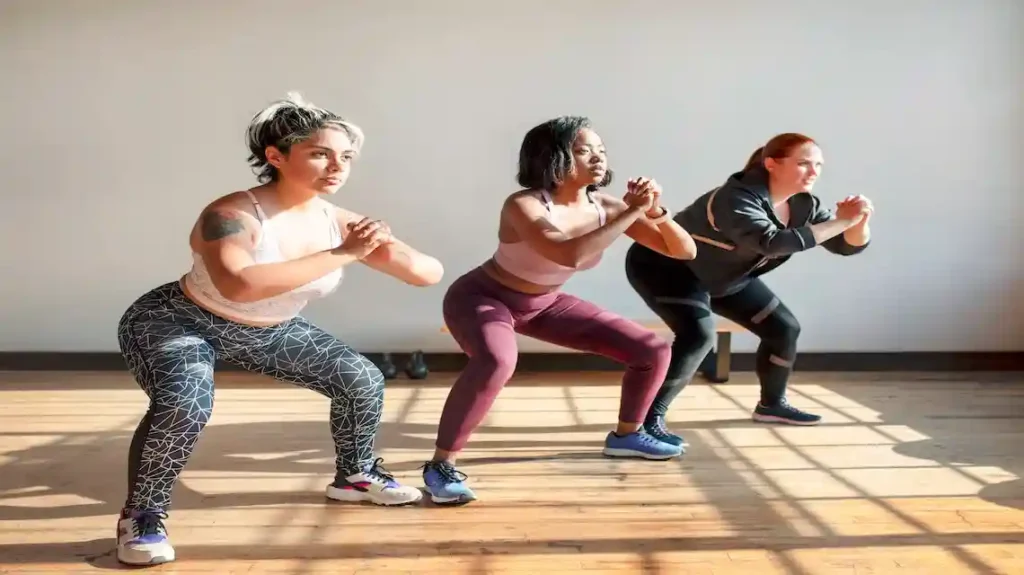
Feeling out of shape and not sure where to start? You are not alone. Many people want to move more but feel nervous about doing too much, too fast.
The good news: exercise routines for beginners do not need to be long, hard, or fancy. A simple plan you can follow most days of the week will already help your energy, mood, and confidence.
Weight Loss Programs
Diet & Weight Loss
Old School New Body – Transformative Fitness & Nutrition Program

Diet & Weight Loss
Diet & Weight Loss
Diet & Weight Loss
This guide walks you through what a beginner routine should look like, gives you a sample 7-day plan with zero gym needed, and shows you how to stay motivated and safe as you go. If you can spare 15 to 20 minutes a few days a week, you can start right here.
What Makes a Good Exercise Routine for Beginners?
A beginner workout has three main parts: a warm up, the main workout, and a cool down.
- Warm up: 3 to 5 minutes of gentle movement to get your heart rate up a little and loosen your joints. Think easy walking around the room, shoulder rolls, and gentle arm swings.
- Main workout: The part that feels like “real” exercise. This might be walking, basic bodyweight moves, or simple stretches.
- Cool down: 3 to 5 minutes of slower movement and light stretching to help your heart rate come back down and reduce stiffness.
“Beginner friendly” means the moves are simple, the impact on your joints is low, and the time is short enough that you can finish without feeling wiped out. Many new exercisers find it helpful to look at a clear beginner guide like this starter plan from Healthline to see how short and doable early workouts can be.
Set simple goals you can actually stick with
Skip huge goals like “lose 40 pounds” for now. Instead, focus on actions you control.
Try a goal like:
- 15 to 20 minutes of movement, 3 days a week for the next 2 weeks.
- Or a 10-minute walk after dinner, Monday through Friday.
These goals are clear and realistic. When you hit them, you feel a small win, which makes you more likely to keep going. Think of habit building like filling a jar with pebbles. Each short workout is one pebble. Over time, the jar fills up.
Choose beginner exercises that feel safe for your body
Low-impact moves are your best friend at the start. Low impact means at least one foot stays on the ground, and you avoid hard pounding on your joints.
Good beginner options include:
- Easy walking indoors or outside
- Marching in place
- Sit to stand from a chair
- Wall pushups
- Gentle stretching for your neck, back, and hips
These moves work well if you sit a lot, feel stiff, or have been out of shape for a while. If you have heart issues, joint problems, or other health concerns, talk with your doctor before you begin so your plan matches your needs.
Balance cardio, strength, and flexibility from day one
You do not need a perfect split, but a mix of three types of movement helps you feel better overall.
- Cardio: Activities that make you breathe a bit harder, like brisk walking or easy cycling. Cardio helps your heart, lungs, and daily energy.
- Strength training: Moves that work your muscles, such as squats to a chair or wall pushups. Strength training helps with posture, joint support, and everyday tasks like lifting groceries.
- Flexibility and mobility: Stretching and gentle joint circles. These reduce stiffness and help you move more freely.
A good beginner week has a little of each, so you build balanced fitness instead of only focusing on one area.
Sample Weekly Exercise Routine for Beginners (No Gym Needed)
This 7-day plan uses only your body weight and normal home space. Change the days or times to fit your life. If a day feels too hard, cut the time in half or slow the pace.
If you like to fuel your body before you move, a light snack or a simple drink such as an energy-boosting pre‑workout smoothie recipe can help you avoid feeling sluggish.
Day 1 and Day 3: Easy full-body workout for total beginners
Warm up (5 minutes)
Walk around your home or in place. Gently circle your arms and roll your shoulders. Turn your head side to side, slowly.
Main workout (10 to 15 minutes)
Do each move for 30 seconds, then rest 30 to 60 seconds. Repeat the circuit 2 times if you can.
- Sit to stand from a sturdy chair
- Wall pushups
- Step back lunges (hold a chair for balance if needed)
- Standing side leg lifts
- Standing calf raises
If you want more ideas for beginner bodyweight moves, the Beginner Bodyweight Workout from Nerd Fitness shows simple exercises with clear pictures and videos.
Cool down (5 minutes)
Walk slowly until your breathing eases. Stretch your chest, back, hips, and calves. Hold each stretch for about 10 to 20 seconds, without bouncing.
Day 2 and Day 4: Beginner cardio to build stamina without burning out
Pick 1 option or mix them:
- Outdoor walking on flat ground
- Indoor marching in place while watching TV
- Gentle cycling on a stationary bike
Aim for 10 to 20 minutes total. Use the “talk test” to guide your effort. You should be able to talk in short sentences, but singing would feel hard. If you cannot speak more than a word or two, you are going too hard.
You can split cardio into chunks. For example, do two 10-minute walks, morning and evening. Short bursts still count and are often easier to stick with.
If you enjoy following a structured plan, a free program like this 30-day beginner workout plan can give you ideas on how to mix strength, cardio, and mobility through the month.
Day 5: Flexibility and mobility for tight muscles
This day focuses on loosening your neck, shoulders, back, hips, and legs.
Spend 10 to 15 minutes moving slowly through:
- Neck: Gently tilt your head side to side and look over each shoulder.
- Shoulders: Roll them forward and backward.
- Back: Sit tall and twist gently to the right, then left.
- Hips: While standing, hold a chair and circle one knee, then the other.
- Legs: Do a light hamstring stretch by placing one heel on a step and hinging forward with a straight back.
Keep each move smooth, and breathe in through your nose and out through your mouth. If you enjoy following along with an instructor, try free home workout videos for beginners that include gentle mobility and stretching sessions.
Day 6 and Day 7: Rest, light movement, and listening to your body
Rest days help your muscles repair and your nervous system relax. Rest does not always mean total stillness.
Think in terms of active rest, such as:
- An easy walk with a friend
- Gentle stretching while watching a show
- Light housework or gardening
Notice how your body feels. Mild soreness in the muscles is normal, especially after new moves. Sharp or stabbing joint pain is a warning sign. If something hurts in a bad way, skip that move next week or shorten your workout. For extra support with recovery and daily energy, some people like to add a small habit like a green smoothie benefits for active lifestyle as part of their routine.
How to Stay Motivated and Safely Progress Your Beginner Routine
Starting is hard, but staying with it for weeks is where real change happens. A simple plan for mindset and safety keeps you moving forward.
Start small, track wins, and build the habit first
Think of your first month as “practice,” not a test. Your main job is to show up.
Helpful ways to track:
- Put a check mark on a calendar each day you move.
- Jot down what you did and how you felt in a small notebook or app.
Celebrate small wins, like walking one block farther, feeling less winded on the stairs, or sleeping better. If you enjoy structure and variety, large free libraries like this workout routines database can give you ideas once you feel ready to try new plans.
Increase time and effort slowly to avoid injury
You do not need big jumps in time or intensity. A good rule is:
- Add about 5 minutes of total weekly exercise, or
- Add 1 to 2 extra repetitions per strength move.
Never push through sharp or sudden pain. Signs you are doing too much include a very high or pounding heart rate that will not settle, dizziness, nausea, or joint pain that gets worse after you stop. In those cases, sit or lie down, sip water, and stop the workout. If symptoms do not go away or feel severe, seek medical help.
Keep workouts fun so you actually look forward to them
Exercise should not feel like punishment. It should feel like a small gift you give your future self.
Make it more fun by:
- Playing your favorite music or a podcast
- Inviting a friend or family member to join you
- Trying different beginner-friendly activities, like dancing at home or easy swimming
- Keeping short home workouts ready for busy days
The best exercise routines for beginners are the ones you enjoy enough to repeat. If you like it, you will keep doing it, and that is where real progress comes from.
Conclusion
Starting from zero can feel scary, but a simple routine with short sessions, easy moves, and plenty of rest is a smart way to begin. Focus on basic exercise routines for beginners that mix cardio, strength, and stretching across the week, and keep each workout gentle enough that you could repeat it tomorrow.
Pick a day in the next week, mark it on your calendar, and try the sample plan, even if you only do 10 minutes. Adjust as you go, listen to your body, and keep stacking those small wins. Your future self will be glad you started today.
Exercise Routines for Beginners FAQs:
How many days a week should a beginner work out?
Most beginners do well with 3 to 4 days a week of structured exercise.
That gives your body time to recover while still building a habit. A common starting point is:
- 2 or 3 days of full-body strength training
- 1 or 2 days of light cardio, like walking or cycling
If you are very inactive right now, start with 2 or 3 days and add more only when you feel ready.
How long should a beginner workout be?
Aim for 20 to 40 minutes per session.
Shorter workouts help you stay consistent and avoid burnout. A simple structure is:
- 5 to 10 minutes of warm-up
- 15 to 25 minutes of strength or cardio
- 5 minutes of cool-down and light stretching
If 20 minutes feels hard, start with 10 to 15 minutes, then increase your time by about 5 minutes every week or two.
What’s a good beginner workout routine to follow?
A basic full-body plan is often the easiest way to start. Here is an example of a simple 3-day routine:
| Day | Focus | Example Exercises |
|---|---|---|
| Day 1 | Full-body strength | Squats, push-ups (wall or knee), rows |
| Day 2 | Light cardio or walking | Brisk walk, bike, treadmill |
| Day 3 | Full-body strength | Hip hinges, shoulder presses, planks |
| Day 4 | Rest or gentle stretching | Yoga, mobility work |
| Day 5 | Full-body strength | Lunges, incline push-ups, glute bridges |
| Day 6 & 7 | Rest or light activity | Walks, easy bike, casual movement |
Use 1 or 2 sets of 8 to 12 reps for each strength move. Focus on form, not on heavy weight.
Should I focus on cardio, strength training, or both?
For most beginners, the best approach is both.
- Strength training helps you build muscle, protect your joints, and increase metabolism.
- Cardio supports heart health, improves stamina, and helps with weight control.
A simple split is:
- 2 or 3 days of strength training
- 1 or 3 days of light to moderate cardio
You do not need long cardio sessions. Even 15 to 20 minutes of walking after work helps.
How do I know what weight to use for strength training?
Choose a weight that feels challenging by the last 2 or 3 reps, but still lets you keep good form.
A quick guide:
- If you can do more than 12 reps easily, the weight is probably too light.
- If you cannot reach 8 reps with good form, the weight is probably too heavy.
You should feel your muscles working, but you should still be able to breathe and control every rep. When a weight feels easy for all your sets, move up a small amount next time.
How sore should I feel after a beginner workout?
Mild soreness is normal, sharp pain is not.
You might feel:
- Light stiffness or tightness 24 to 48 hours after a new workout
- A bit of muscle fatigue while walking up stairs or standing up
You should not feel:
- Sudden, sharp, or stabbing pain
- Pain in your joints, not just your muscles
- Soreness that gets worse instead of better over several days
If soreness is strong, take an extra rest day, drink enough water, and do gentle movement like walking or easy stretching.
How can I start exercising if I’m very out of shape or overweight?
Start with low-impact, low-pressure movement and build from there.
Good starting options:
- Short walks, even 5 to 10 minutes at a time
- Chair exercises or wall exercises
- Gentle bodyweight moves like seated leg lifts, wall push-ups, and hip bridges
Focus on frequency before intensity. For example, walk for 10 minutes most days of the week, then slowly add time or distance as you feel better.
What should I do before and after my workouts?
Before your workout, do a warm-up. After your workout, do a cool-down.
Warm-up ideas (5 to 10 minutes):
- Easy walking or cycling
- Arm circles, leg swings, shoulder rolls
- Light versions of your exercises, like bodyweight squats without weight
Cool-down ideas (5 minutes):
- Slow walking to bring your heart rate down
- Gentle stretches for the muscles you used most
This helps your body adjust, reduces stiffness, and makes your next workout feel smoother.
How long does it take to see results from a beginner routine?
Most people feel more energy and better mood within 1 to 2 weeks.
Common timelines:
- 2 to 4 weeks: better stamina, daily tasks feel easier
- 4 to 8 weeks: visible changes in strength and muscle tone
- 8 to 12 weeks: more noticeable body composition and fitness changes
Results depend on your workout consistency, sleep, stress, and what you eat. Small, steady progress beats any extreme plan.
How can I stay motivated to keep exercising as a beginner?
Make your routine so simple and realistic that it fits your life on a bad day.
Helpful tips:
- Set tiny goals: “I’ll move for 10 minutes today” is easier than “I’ll get in shape.”
- Track something: workouts per week, steps, or reps. Seeing progress feels good.
- Plan your workouts like appointments, not suggestions.
- Choose movement you enjoy, even if it is just walking with music or a podcast.
Ask yourself at the end of each week: “What made workouts easier this week, and what got in the way?” Then adjust instead of quitting.

The AnySmoothie team is all about smarter smoothie recipes made with whole-food ingredients. Everything we share centers on balanced nutrition, steady energy, and low-glycemic choices, so you can sip a smoothie that keeps you full, feels good, and helps you avoid sugar crashes.
- Disclaimer: This content is for educational use only. These smoothie recipes and nutrition details aren’t a substitute for medical advice from a licensed health professional. Please read our full Medical Disclaimer here.
Dietary Supplements
Dietary Supplements
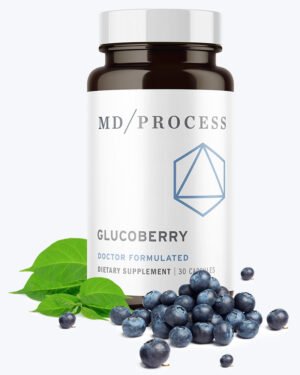
GlucoBerry – Daily Support for Healthy Blood Sugar and Energy
Dietary Supplements
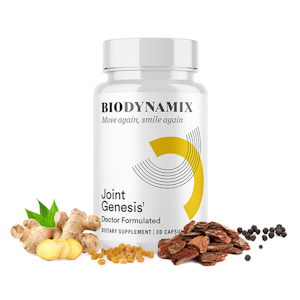
Joint Genesis – Daily Support for Comfortable, Confident Movement

Dietary Supplements
Audifort – Daily Support for Brain Clarity and Comfortable Hearing
Dietary Supplements