
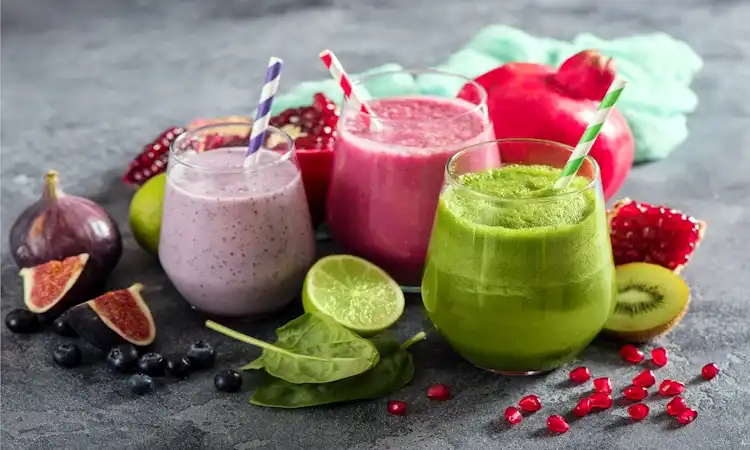
Ever hit that 2:30 p.m. wall, when your eyes can’t stay on the screen and your thoughts feel like a browser with 37 tabs open? That “why can’t I think” feeling is usually a mix of low hydration, uneven blood sugar, and not enough staying power from your last meal.
A smoothie can help because it’s quick, hydrating, and easy to balance. When you blend protein, fiber, and healthy fats with produce, you get fast nutrients without the sharp spike you’d get from juice or a pastry. These brain boost smoothies are food-based ideas, not medical treatment, and they won’t replace sleep, stress care, or a plan from your clinician.
Weight Loss Programs
Diet & Weight Loss

Diet & Weight Loss

Diet & Weight Loss
Diet & Weight Loss
Below, you’ll get simple recipes, smart add-ins, and the common smoothie mistakes that quietly cause crashes (and how to fix them).
What makes a smoothie truly support focus and mental clarity?
Think of a “focus smoothie” like a sturdy chair. If one leg is missing, you wobble. The legs are steady blood sugar, hydration, and enough building blocks (protein, fats, and micronutrients) to keep your brain online.
First, steady blood sugar matters because your brain runs best on consistent fuel. A smoothie that’s mostly fruit can hit like a match, bright and fast, then gone. Adding protein, fiber, and fat slows digestion, so energy feels smoother and attention lasts longer.
Next, don’t forget hydration. Mild dehydration can feel like brain fog, headaches, and low drive. A smoothie’s fluids plus water-rich produce can help you rebound, especially if you’ve had coffee and not much water. For more context on brain-supporting beverages and ingredients people use, see this overview of brain-boosting juices and beverages.
Micronutrients play a quiet role too. Leafy greens bring folate and magnesium. Berries bring antioxidants. Dairy or fortified alternatives can add B vitamins and calcium. You don’t need a lab coat to benefit, just a consistent pattern.
Timing also matters. In the morning, a higher-protein smoothie often works best because it sets the day’s energy curve. Mid-day, keep fruit lower and add a pinch of salt or electrolytes if you’re dragging. If caffeine makes you jittery or anxious, treat it like seasoning, not the whole meal. In other words, brain boost smoothies work best when they’re balanced first, then “boosted” second.
Build the focus formula: protein, fiber, and healthy fats first
Start by picking one from each group. This keeps it simple, and it prevents the sweet, slippery “drinkable dessert” trap.
Protein (aim for 20 to 35 grams): Greek yogurt, kefir, cottage cheese (blends well), silken tofu, or a quality protein powder you tolerate. If you use powder, choose one you can drink daily without stomach drama.
Fiber (aim for 8 to 12 grams): berries, chia seeds (1 tablespoon), ground flax (1 tablespoon), oats (1/4 cup), or even cooked and cooled sweet potato. Fiber slows the sugar curve and helps you feel full.
Healthy fats (aim for 10 to 20 grams): avocado (1/4), nut butter (1 tablespoon), walnuts (small handful), or hemp seeds (1 to 2 tablespoons). Fats add staying power and help your smoothie feel like a meal.
When you build this base, fruit becomes flavor instead of the main event. As a result, you’re less likely to get that “focused for 30 minutes, then starving” crash.
The brain-support extras that matter most (without turning it into a science project)
Once the base is solid, add one or two extras. That’s enough for most people.
Here are practical add-ins used in many nootropic smoothie recipes, with typical amounts:
- Blueberries (1/2 to 1 cup): easy antioxidants, easy taste.
- Spinach (1 to 2 cups): mild flavor, lots of micronutrients.
- Unsweetened cocoa (1 tablespoon): deep flavor, pairs well with banana or coffee.
- Cinnamon (1/4 to 1/2 teaspoon): cozy taste, helps reduce the need for sweeteners.
- Turmeric + black pepper (1/4 teaspoon turmeric, tiny pinch pepper): warm, earthy note, best with mango or orange.
- Matcha or coffee (1/2 to 1 teaspoon matcha, or 1/2 cup coffee): a lift for smoothies for productivity and concentration, but start low if you’re sensitive.
- Creatine monohydrate (3 to 5 grams, optional): a common fitness supplement some people also use for cognitive support, ask your clinician if you have kidney disease or take meds that affect kidneys.
- Electrolytes or a pinch of salt: useful if you sweat a lot, eat low-carb, or get headaches with low fluids.
If you’re pregnant, breastfeeding, or taking medications (especially for blood pressure, anxiety, ADHD, or thyroid), check in with a clinician before pushing caffeine or supplement add-ins. Food is still powerful, but safety comes first.
If a smoothie improves focus for an hour but leaves you shaky later, it’s usually not “your willpower.” It’s the ratio of fruit to protein, fiber, and fat.
4 brain boost smoothies you can make in 5 minutes (with simple swaps)
These are designed to taste good and work as smoothies for mental clarity, not just “healthy-ish” slush. Each one takes about five minutes if you keep frozen fruit on hand. Consider them brain-boosting drinks you can rotate based on your day. Also, these brain boost smoothies don’t need fancy powders to do their job.
Blueberry Oat Focus Smoothie (steady energy, less crash)
This one feels like breakfast that happens to be drinkable. Oats and berries help keep energy steady.
Ingredients (1 large smoothie, about 12 to 16 oz):
- 1 cup frozen blueberries (or a mixed berry blend)
- 3/4 cup plain Greek yogurt (or skyr)
- 1/4 cup rolled oats
- 1 tablespoon chia seeds or ground flax
- 1/2 to 1 teaspoon cinnamon
- 3/4 to 1 cup milk or unsweetened soy milk
- Optional: small handful of walnuts
- Ice, if needed for thickness
Directions (2 steps):
- Blend everything for 45 to 60 seconds, until silky.
- Taste, then add a splash of milk to thin, or more ice to thicken.
Best for: morning focus, long meetings, and “I need steady energy” days.
Two easy swaps: Use certified gluten-free oats if needed. For dairy-free protein, swap Greek yogurt for unsweetened soy yogurt or silken tofu, and add a scoop of pea or soy protein.
Green Cocoa Clarity Smoothie (calm focus, chocolate taste)
This tastes like chocolate, not salad. The salt makes it pop, and the greens fade into the background.
Ingredients:
- 1 to 2 cups baby spinach
- 1 tablespoon unsweetened cocoa powder
- 1/2 banana (use a whole banana if you’re very active)
- 1 tablespoon peanut butter or almond butter
- 1 cup milk of choice (dairy, soy, or oat)
- Pinch of salt
- Ice, optional
Directions (2 steps):
- Blend spinach and milk first for 15 seconds, so it gets smooth.
- Add the rest and blend until creamy.
Best for: afternoon clarity when you want calm concentration, not a buzz.
Two easy swaps: For lower sugar, use 1/2 cup frozen berries instead of banana. For nut-free, use sunflower seed butter.
Want more simple “doctor-style” smoothie formulas? This piece with short ingredient lists can spark ideas: a nutritional psychiatrist’s brain-healthy smoothies.
Matcha Mango Concentration Smoothie (clean lift, not jittery for most)
Mango and lime make matcha taste bright, not grassy. Hemp seeds add creaminess without heavy dairy.
Ingredients:
- 1/2 to 1 cup frozen mango
- 3/4 cup kefir or plain yogurt (or coconut yogurt)
- 1 tablespoon hemp seeds
- 1/2 to 1 teaspoon matcha powder
- Juice of 1/2 lime
- 1/2 cup water or milk (as needed)
Directions (2 steps):
- Blend everything for 45 seconds.
- Adjust with more water if it’s too thick.
Best for: mid-morning concentration, study sessions, and “I want a lift, but not jitters.”
Two easy swaps: If you’re caffeine-sensitive, start with 1/2 teaspoon matcha. For a caffeine-free version, skip matcha and use cooled rooibos tea as the liquid, then add extra lime and a pinch of cinnamon for brightness.
Mocha Protein Productivity Smoothie (coffeehouse vibe, more protein)
This one scratches the iced mocha itch, but it’s built like a meal. It’s also a great option when you want cognitive support smoothies that don’t taste “diet.”
Ingredients:
- 1/2 to 3/4 cup chilled coffee (decaf works)
- 1/2 to 1 cup milk of choice
- 3/4 cup plain Greek yogurt or 1 scoop protein powder
- 1 tablespoon cocoa powder
- 1/2 cup frozen cauliflower florets or frozen zucchini (for thickness)
- Ice, as needed
- Optional: 1 to 2 teaspoons maple syrup, only if you truly need it
Directions (2 steps):
- Blend coffee, milk, yogurt (or protein), cocoa, and cauliflower until smooth.
- Add ice and blend again until thick and frosty.
Best for: pre-work focus, busy work blocks, and mornings when you want “coffee plus food.”
Two easy swaps: For lactose-free, use lactose-free milk and lactose-free Greek yogurt. For non-coffee, use chilled black tea or just milk plus a little extra cocoa and cinnamon.
One simple way to make these brain boost smoothies work better is to repeat the same recipe for a week. Then tweak one variable, like protein or caffeine, based on how you feel.
Common smoothie mistakes that cause brain fog, and how to fix them fast
If smoothies sometimes backfire, you’re not alone. Most problems come from a few fixable patterns, not from smoothies themselves. Once you spot the issue, brain boost smoothies become a reliable tool instead of a gamble.
Too much fruit, not enough balance (the blood sugar roller coaster)
Fruit is healthy, but it’s still a fast carb when it’s blended. A large smoothie with two bananas, mango, juice, and honey can spike energy, then drop it. That drop feels like fog, irritability, and “I need another snack right now.”
Fix it with three quick moves:
- Add protein first (Greek yogurt, kefir, tofu, or protein powder).
- Add fiber or fat (chia, flax, oats, avocado, nut butter).
- Cap fruit at about 1 cup, and favor berries.
Here’s a simple “before and after” tweak:
Before: 2 bananas + orange juice + honey
After: 1/2 banana + berries + Greek yogurt + chia + water
For more ideas on brain fog triggers and smoothie adjustments, this guide is a helpful reference: how to clear brain fog with a smoothie.
Hidden focus killers: dehydration, giant servings, and add-in overload
Hydration sounds boring, yet it often decides whether your smoothie helps. If you wake up dehydrated and drink a thick smoothie with little fluid, you might still feel off. Add more water, use coconut water, or include electrolytes if you tend to cramp or get headaches.
Portion size matters too. A 24-ounce smoothie can be a full meal plus dessert. Then you feel sleepy as your body digests it. For focus, a 12 to 16 oz serving usually sits better, especially mid-day.
Finally, watch the “powder pile.” When you add five supplements plus sugar alcohol sweeteners, digestion can get rough. Bloating and stomach churn pull attention away from work. If greens upset you, switch from raw kale to spinach, blend longer, or add a small knob of ginger. If sweeteners cause issues, skip them and use cinnamon, cocoa, or vanilla instead.
The best smoothie is the one your stomach likes. Comfort often beats complexity for consistent concentration.
If you want a brain-health ingredient list to compare against your pantry, this recipe-style roundup is a useful read: brain-healthy smoothie ingredients.
Conclusion
Focus-friendly smoothies aren’t magic, but they’re a smart way to stack the basics: hydration, steady carbs, enough protein, and brain-supporting fats. Start with one recipe that sounds good, drink it for a week, and pay attention to your energy curve. If you feel sleepy, raise protein or cut fruit. If you feel wired, lower caffeine or switch to the caffeine-free option.
With a little tuning, brain boost smoothies can become your go-to for smoother mornings and calmer afternoons. If you have a health condition, you’re pregnant, or you plan to change your caffeine or supplement routine, check in with a healthcare professional first so this smoothie guide fits your body.

The AnySmoothie team is all about smarter smoothie recipes made with whole-food ingredients. Everything we share centers on balanced nutrition, steady energy, and low-glycemic choices, so you can sip a smoothie that keeps you full, feels good, and helps you avoid sugar crashes.
- Disclaimer: This content is for educational use only. These smoothie recipes and nutrition details aren’t a substitute for medical advice from a licensed health professional. Please read our full Medical Disclaimer here.
Dietary Supplements
Dietary Supplements

Dietary Supplements

Dietary Supplements
Dietary Supplements
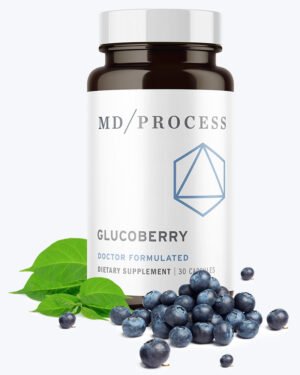
GlucoBerry – Daily Support for Healthy Blood Sugar and Energy