
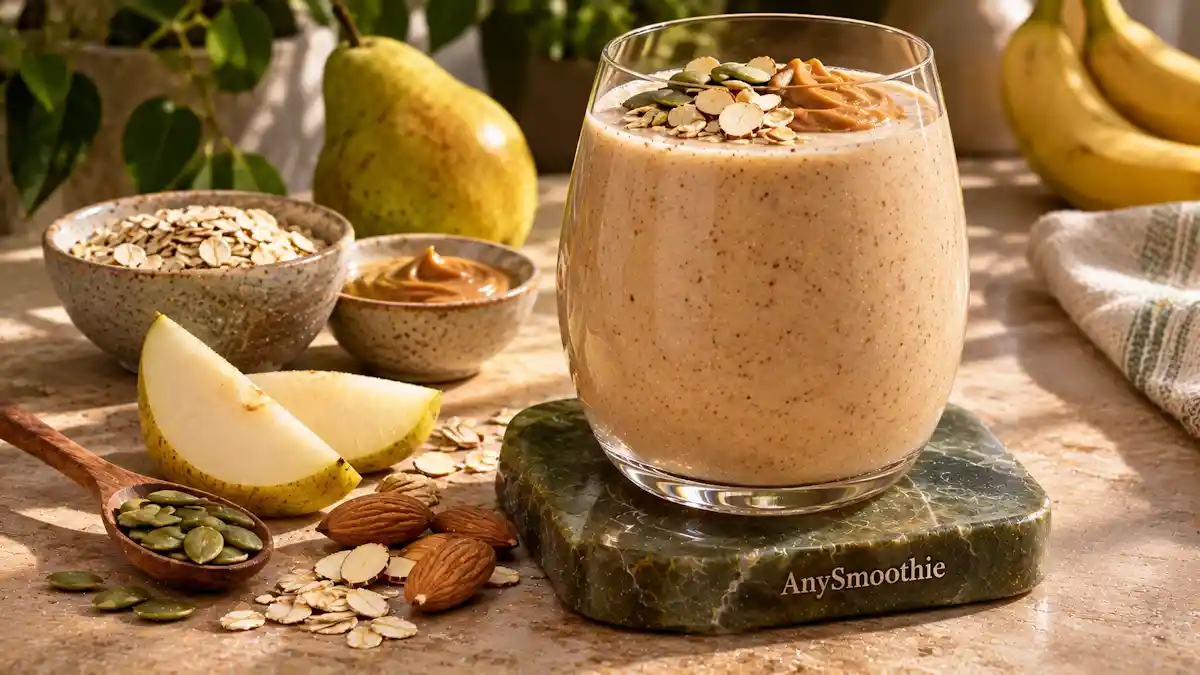
A smoothie can pair plant foods with vitamin C, which supports the absorption of nonheme iron, the type found in plants. But blending alone doesn’t remove phytate, a compound that can bind minerals and make some of them harder to absorb. Soaking may reduce phytate in some ingredients, though results vary. These three recipes offer […]
02
Nov
Nov
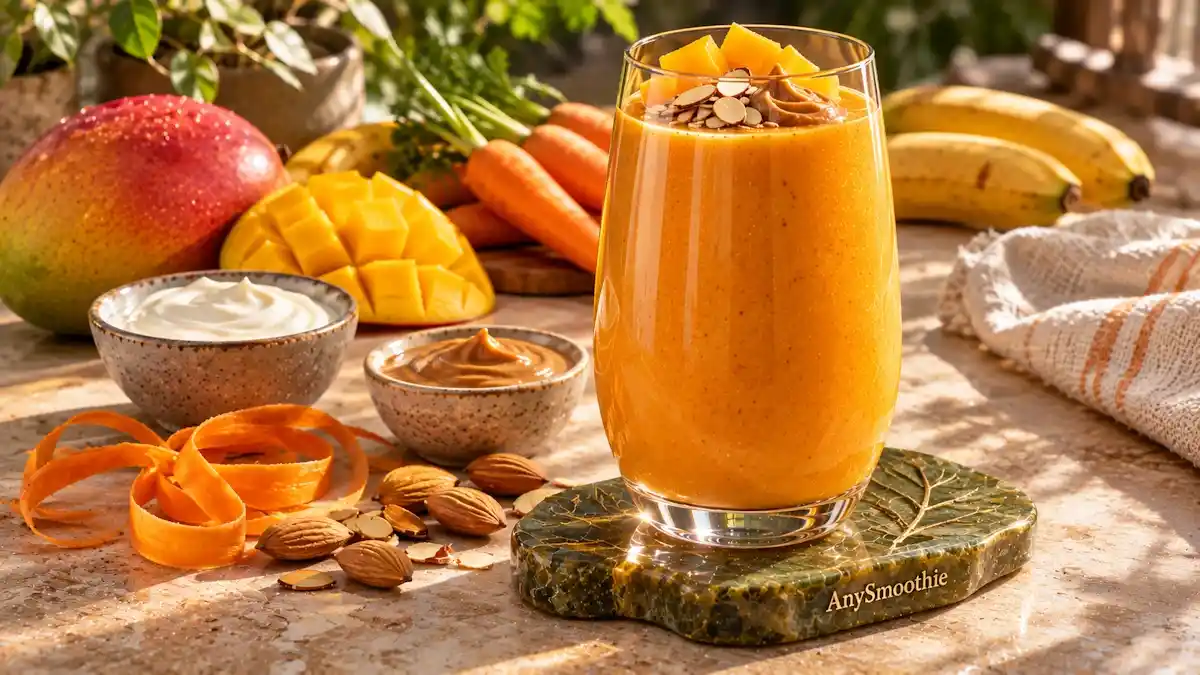
Colorful plant foods can supply provitamin A carotenoids, which your body can convert into vitamin A. Blending them with a modest source of dietary fat can help your body absorb these compounds. Carrots, mango, spinach, and sweet potato all bring different flavors and textures to a smoothie. The three recipes below offer ways to combine […]
02
Nov
Nov
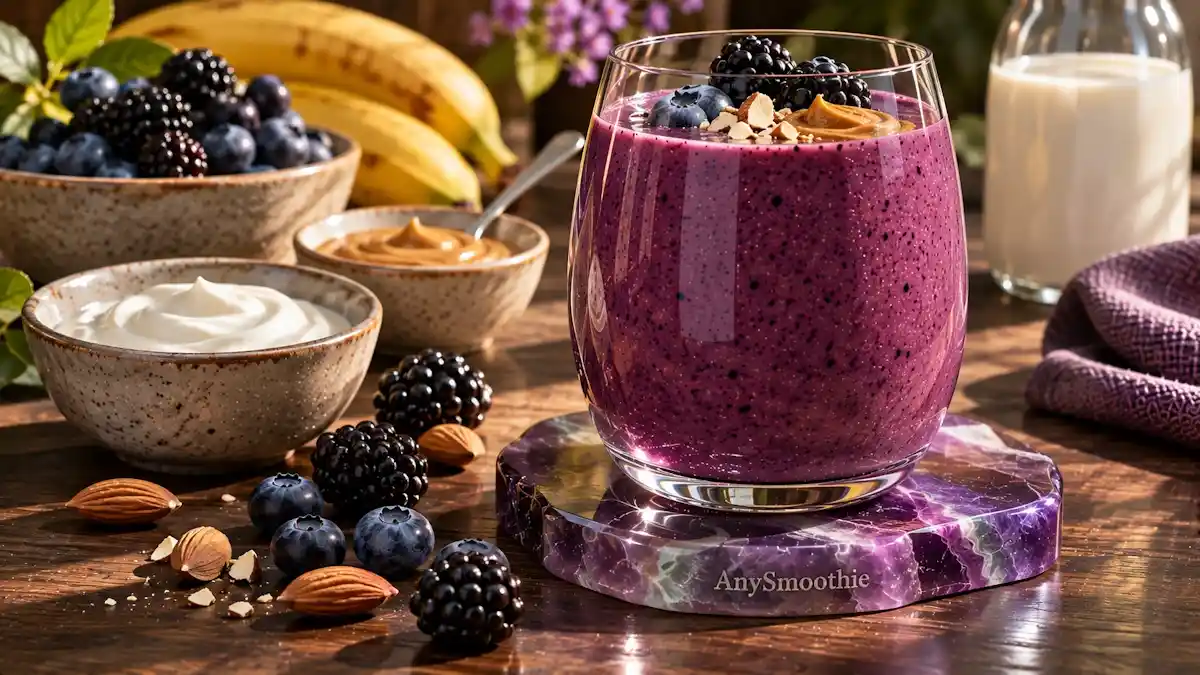
Smoothies with yogurt, soy milk, or other protein-containing foods can add tryptophan and other nutrients to your diet. Your body uses tryptophan in several ways, including through the kynurenine pathway. A smoothie can’t direct tryptophan into one pathway or treat a health condition. It can, however, be a convenient way to combine foods you enjoy. […]
01
Nov
Nov
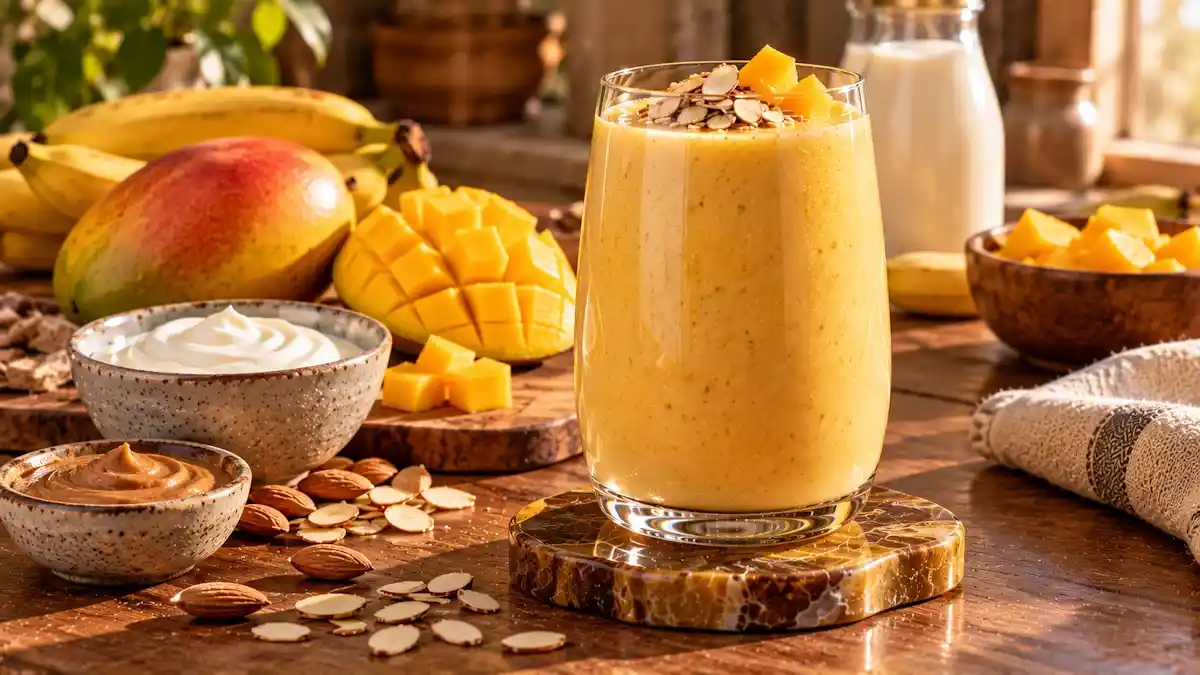
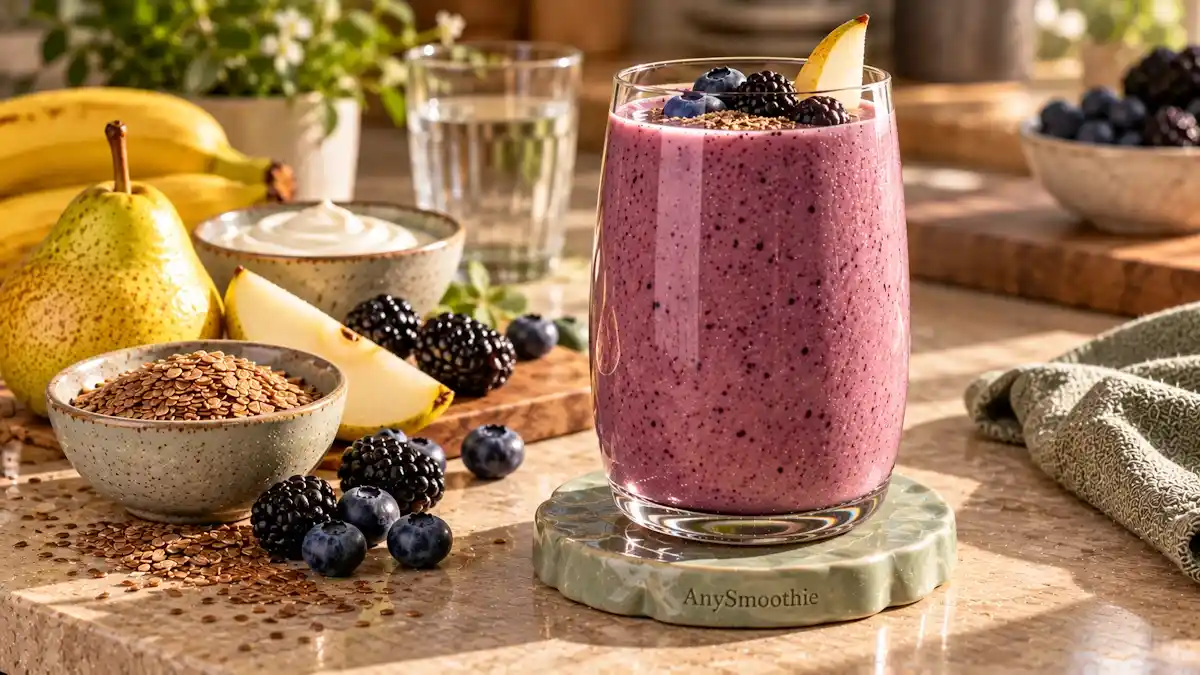
Riboflavin smoothies for FAD-dependent enzymes can provide vitamin B2 through everyday foods such as milk, yogurt, and fortified soy drinks. Your body uses this vitamin to make FMN and FAD, two coenzymes involved in normal cell processes. A smoothie supports normal nutrient intake, but it can’t guarantee increased enzyme activity or treat a health condition. […]
01
Nov
Nov
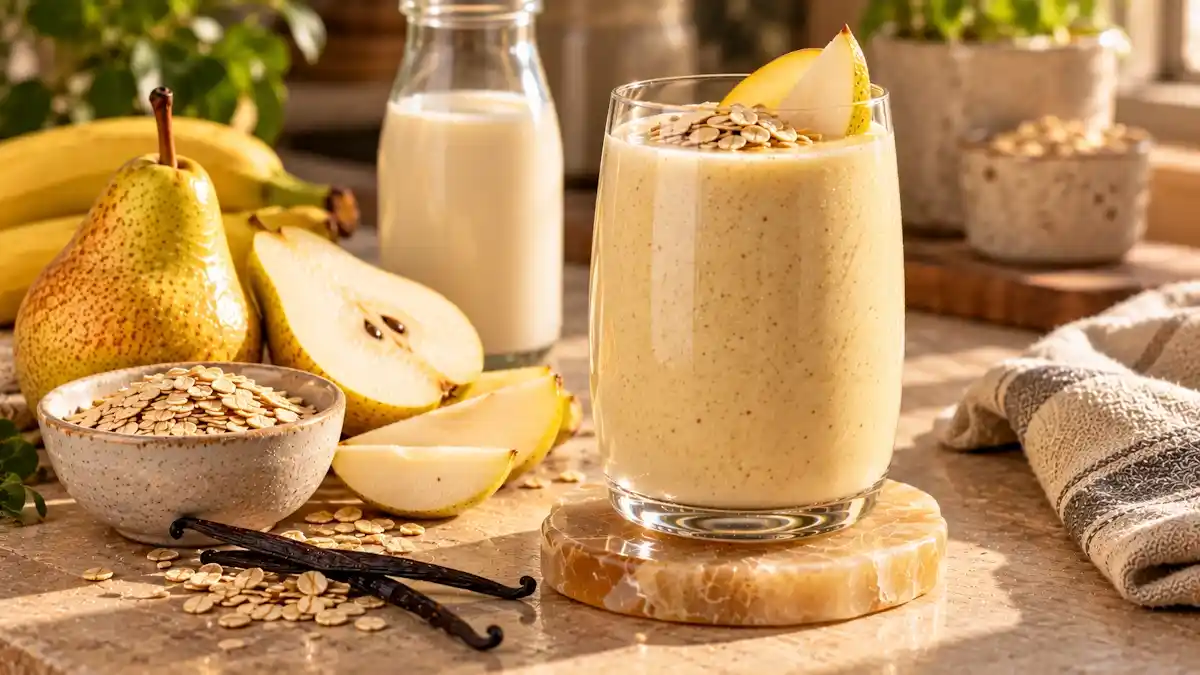
Choose smoothies that fit your everyday oral care routine by favoring whole fruit, unsweetened bases, and reasonable drinking habits. Food can support the body’s normal oral environment, but no smoothie can promise to balance mouth bacteria or replace brushing, flossing, or dental care. If you’re exploring smoothies for oral microbiome balance, focus on their food […]
31
Oct
Oct
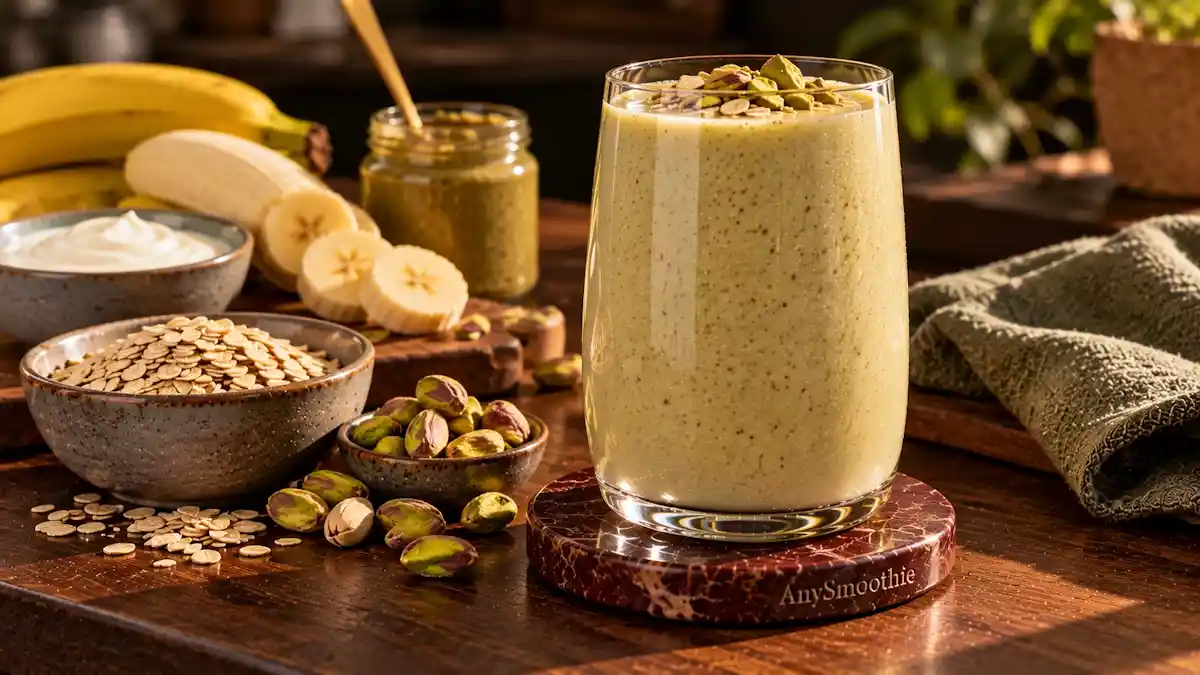
A smoothie can work when you have trouble digesting lactose, but its ingredients won’t increase lactase, the enzyme that breaks down lactose. Lactose-free choices can make the drink a better fit for your diet, although individual tolerance varies. Start with the milk or yogurt base, since that choice determines much of a smoothie’s lactose content. […]
31
Oct
Oct
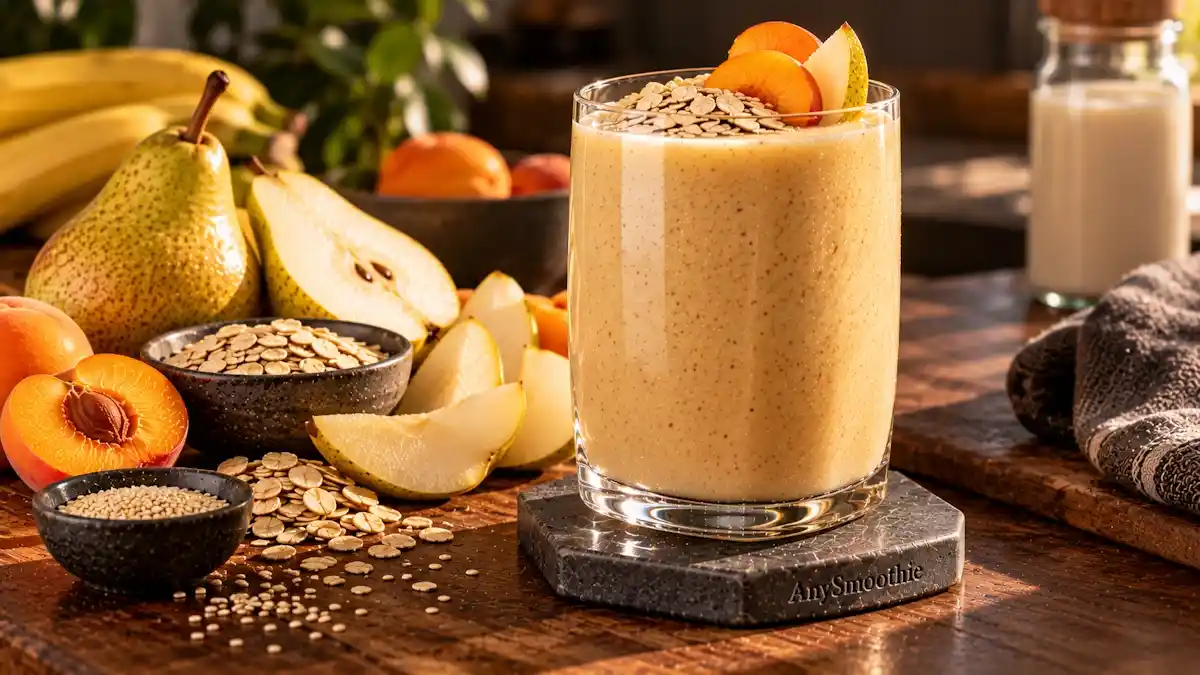
Branched-chain amino acids (BCAAs) are leucine, isoleucine, and valine, found in many protein foods. Smoothies can provide convenient energy and nutrients, but no smoothie has been shown to speed BCAA breakdown or treat a metabolic condition. If you’re considering smoothies for branched-chain amino acid catabolism, focus on everyday nourishment rather than metabolic promises. Understanding how […]
30
Oct
Oct
Iron-sulfur clusters are tiny structures made inside cells, and smoothies can’t directly build or target them. If you’re considering smoothies for iron-sulfur cluster assembly, focus on balanced nutrition rather than promised cellular effects. A varied diet supplies nutrients that support the body’s normal physiological systems. The citrus, cocoa, and mango recipes below offer three ways […]
30
Oct
Oct
Smoothies for silent reflux, also called laryngopharyngeal reflux (LPR), need to fit your own food tolerance. A blend that works for someone else may bother you because personal triggers vary. Mild ingredients and modest portions offer a practical starting point, but no smoothie can promise symptom prevention or relief. Start with ingredient choices, then try […]