
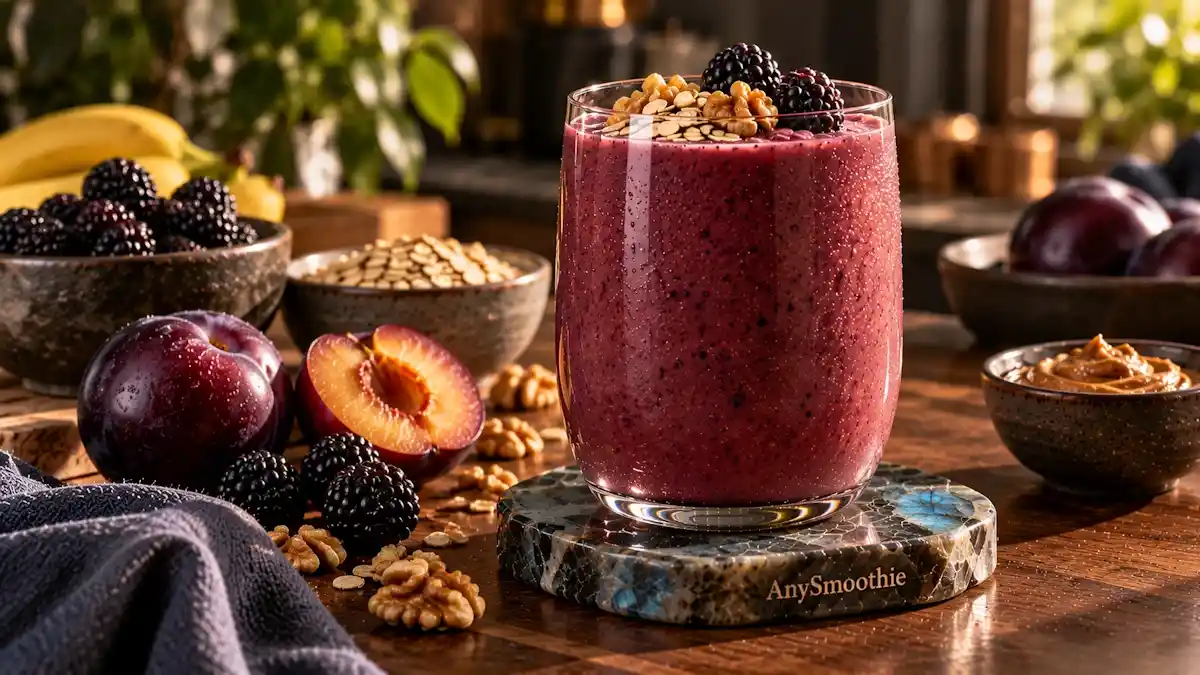
Smoothies can supply nutrients used by normal antioxidant and metabolic systems, but no smoothie is proven to control ferroptosis or prevent disease. When considering smoothies for ferroptosis and lipid peroxidation, distinguish nutrient intake from a demonstrated cellular effect. Fruit, seeds, and soy milk have familiar nutritional roles, but laboratory findings don’t establish what a blended […]
29
Oct
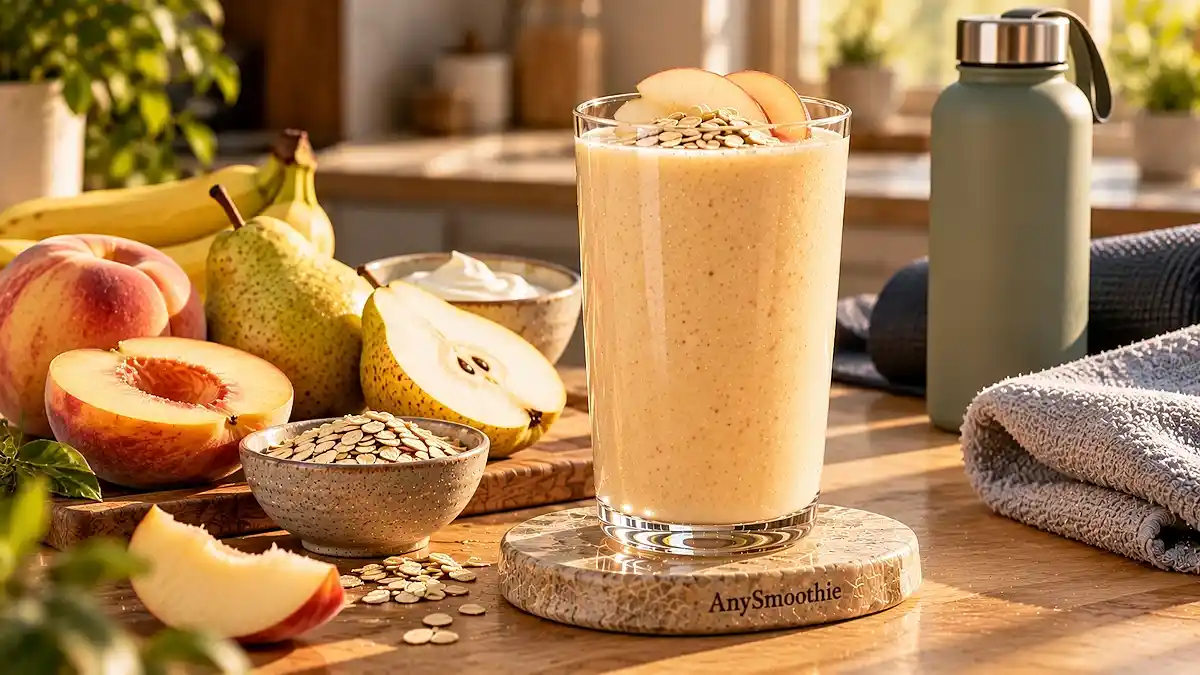
If acid reflux and exercise complicate your routine, try a small smoothie one to two hours before your workout. Afterward, wait until your breathing settles, then sip slowly rather than drinking a full glass at once. A useful starting point is portion size, because even mild ingredients can feel uncomfortable in a large drink. Timing […]
28
Oct
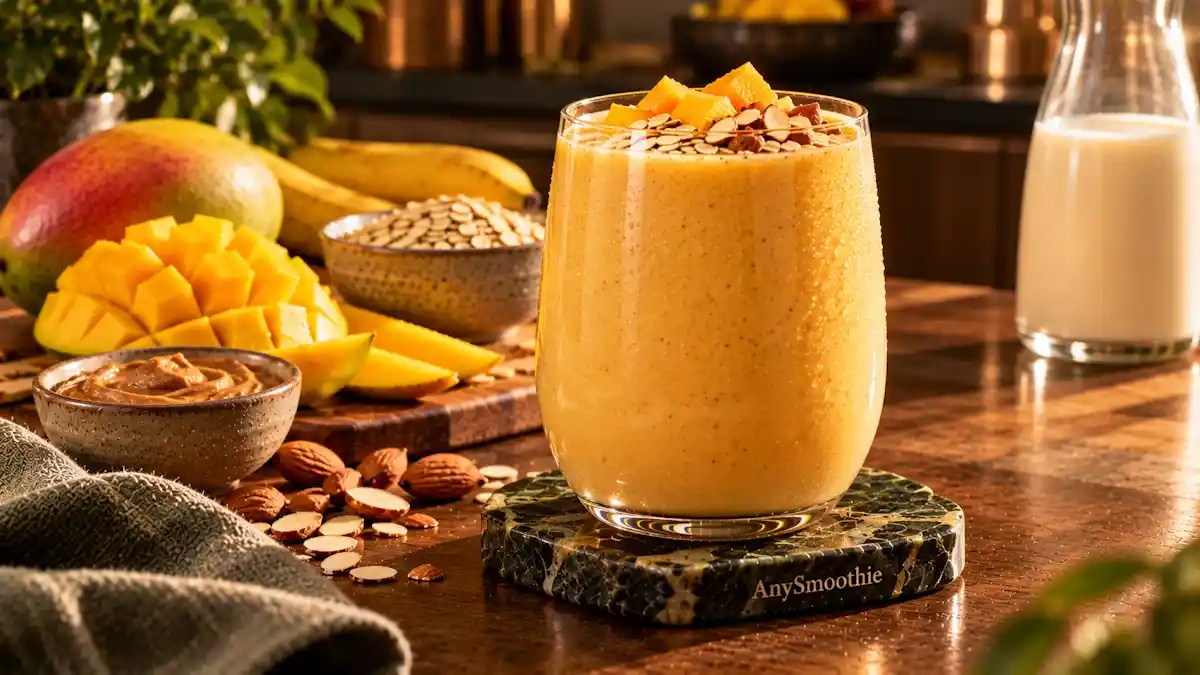
A smoothie can supply dietary fat and other nutrients for your body’s normal digestive processes. However, no recipe guarantees better fat absorption or greater chylomicron production. If you’re choosing smoothies for chylomicron assembly and fat absorption, the useful distinction is between providing nutrients and changing how your body processes them. Ingredients supply the raw materials; […]
28
Oct
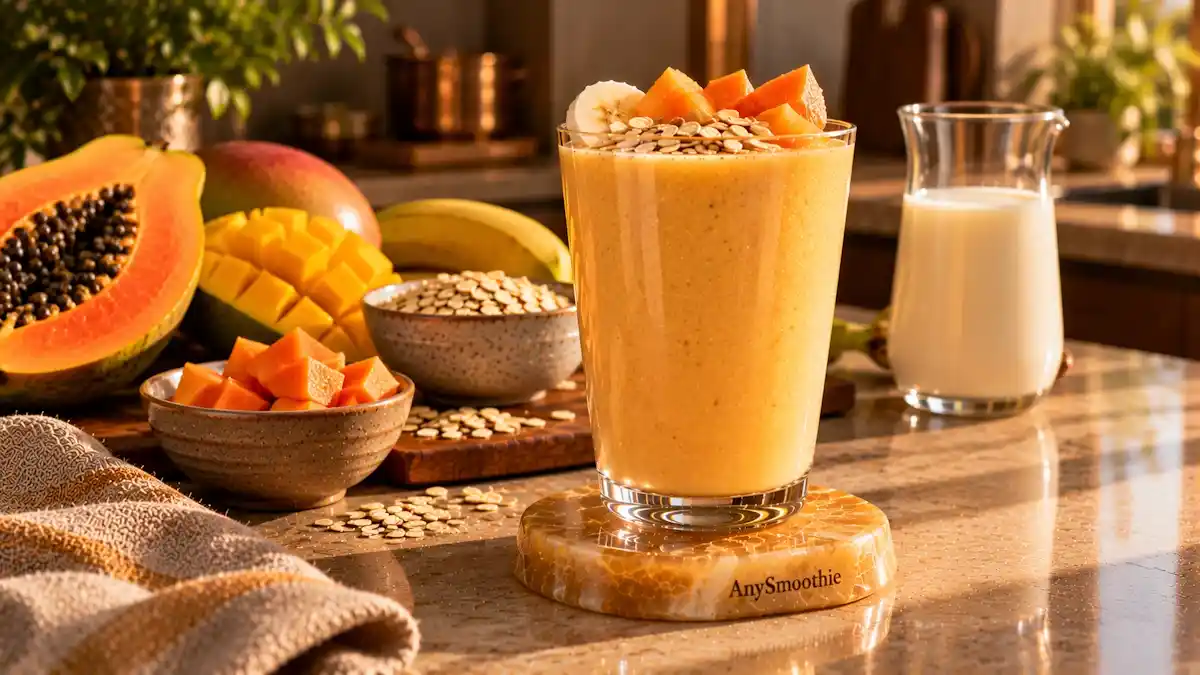
Food supplies nutrients your cells use, but smoothies for glycosylation and glycoprotein synthesis aren’t proven to change either process. Glycosylation happens normally inside cells; no smoothie can switch it on, target it directly, or guarantee a result. You can still choose ingredients that support balanced everyday nutrition without expecting a particular biochemical effect. Start with […]
27
Oct
Food supplies nutrients that cells use in gene-regulating pathways, but a smoothie can’t predictably change your gene activity. If you’re curious about smoothies for histone acetylation and gene regulation, start with that distinction. Berries, greens, and oats offer nutritional variety without needing an epigenetic promise. The connection begins with how cells package DNA, followed by […]
27
Oct
A smoothie can provide pantothenate, or vitamin B5, which your body uses to make coenzyme A (CoA). It can also contribute protein, fiber, and fats, but nutrient intake doesn’t directly control this complex pathway. No individual drink guarantees increased CoA synthesis. Instead, these smoothies offer convenient ways to include nutrient-containing foods within a varied diet. […]
26
Oct
Smoothies can provide vitamin B12 through dairy or fortified plant drinks, while dairy fat contributes small amounts of odd-chain fats. These nutrients participate in normal metabolism, but a smoothie is a food choice, not a treatment. The base you choose matters: fruit adds flavor and fiber, but it doesn’t naturally supply B12. Before trying the […]
26
Oct
Oats, sunflower seeds, beans, and some fortified beverages can add thiamine, also called vitamin B1, to your smoothies. Your body converts thiamine into thiamine pyrophosphate, a helper molecule used by enzymes such as transketolase. A smoothie can contribute nutrients to a balanced diet, but it doesn’t treat a condition or guarantee changes in enzyme activity. […]
25
Oct
A smoothie can be a convenient way to include vitamin K-rich foods, but it doesn’t guarantee a change in protein carboxylation. Your body manages that process through enzymes and a vitamin K recycling cycle. Dietary fat helps with vitamin K absorption, while protein contributes to broader nutrition. Three smoothie styles offer different ways to fit […]