
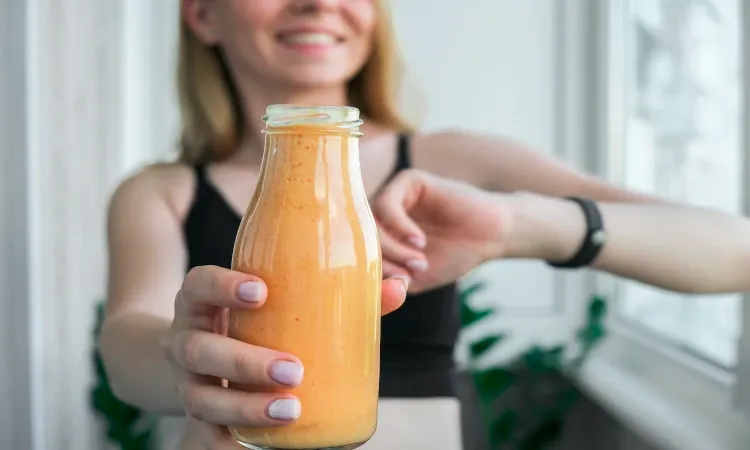
You know that “good sore” feeling after a hard workout, the one that reminds you you did the work. That soreness often comes with inflammation, which is your body’s normal response to stress and tiny muscle damage from training. In the short term, it’s part of healing, like sending a clean-up crew to the job site.
The goal isn’t to shut inflammation off. It’s to support recovery so you bounce back with less stiffness, better mobility, steadier energy, and fewer “why are stairs so hard?” moments the next day.
Weight Loss Programs

Diet & Weight Loss
Old School New Body – Transformative Fitness & Nutrition Program
Diet & Weight Loss
Diet & Weight Loss

Diet & Weight Loss
A smart recovery smoothie does that by combining colorful plants (for antioxidants and polyphenols), healthy fats (for staying power and nutrient absorption), and enough protein (for muscle repair). Below you’ll find the most useful ingredients, how to combine them without overthinking, and a few easy recipe formulas you can rotate all week.
What makes a smoothie anti-inflammatory (and helpful for recovery)?
In food terms, “anti-inflammatory” usually means your smoothie is packed with compounds that help your body manage oxidative stress from training. Hard workouts increase free radicals, and while that’s normal, too much can drag recovery out. Plants bring antioxidants and polyphenols (think berries, cherries, cocoa, leafy greens). These help protect cells while your muscles rebuild.
Healthy fats, especially omega-3s, matter too. They support a more balanced inflammation response and can make a smoothie more satisfying, which is useful when appetite is weird post-workout. Fiber also plays a role. Your gut helps regulate immune activity, and smoothies that include whole fruits, veggies, and seeds support gut health better than juice-heavy blends.
Then there’s the “recovery basics” side. Your body doesn’t just need anti-inflammatory foods, it needs building blocks:
- Carbs to refill glycogen so you feel normal again.
- Protein to repair muscle tissue.
- Fluids plus electrolytes to replace sweat losses.
- Minerals like potassium and magnesium to support muscle function.
If you’re curious how dietitians think about add-ins like seeds, spices, and greens, this roundup of anti-inflammatory smoothie ingredients can help you see common patterns.
A quick safety note: if you’re pregnant, have gallbladder issues, take blood thinners, or manage a medical condition, check with a clinician before using high-dose turmeric or ginger. Food amounts are usually fine, concentrated supplements are where issues show up.
The recovery checklist: protein, carbs, fluids, and inflammation support
Use this as your “no-stress” build guide for post-workout recovery smoothies:
- Protein (20 to 35 g): Most people land here, depending on body size and training load. Think Greek yogurt, kefir, soy milk, cottage cheese, whey, pea, or a mix.
- Carbs (one fist-sized source): Fruit, oats, cooked beets, or even a small banana plus berries. This helps replenish training fuel.
- Liquid (1 to 2 cups): Water, milk, soy milk, kefir, coconut water, or brewed and cooled green tea.
- Inflammation support (1 to 2 add-ins): Ginger, turmeric, tart cherry, cacao, chia, or ground flax.
- Optional electrolytes: A small pinch of salt if you sweat a lot or trained in heat.
If your smoothie hits those points, you’re not guessing, you’re recovering.
Common smoothie mistakes that can backfire
A smoothie can be a recovery tool, or it can quietly turn into a sugar bomb that leaves you hungry an hour later. A few common pitfalls:
- Too much juice or sweetened yogurt: It spikes sweetness fast but doesn’t keep you full. Use whole fruit, and add liquid that isn’t all juice.
- Not enough protein: Without protein, it’s more like a snack than recovery support. Add yogurt, milk, or a scoop of protein.
- Going ultra low-calorie after a hard session: That’s like trying to renovate a house with no materials. Recovery slows, cravings grow.
- Mega-dosing “superfood” powders: More isn’t always better, and some powders upset stomachs. Start small and use real foods first.
- Skipping fiber on purpose: Blending already makes food easier to take in. Keep some fiber from berries, greens, chia, or oats.
- Forgetting sodium after heavy sweating: If you finish salty and dizzy, plain water might not be enough. A pinch of salt can help.
Best anti-inflammatory smoothie ingredients, and what each one does
The best recovery blends don’t rely on one magic ingredient. They stack small, realistic choices that work together. Think of it like building a team: fruit brings antioxidants, greens bring minerals, spices bring targeted plant compounds, and protein plus healthy fats keep the whole thing useful, not just tasty.
Below are the anti-inflammatory smoothie ingredients that tend to earn their spot, with simple amounts and pairing tips. This is also where most people accidentally overcomplicate things, so keep it basic. One or two add-ins is plenty. The phrase Best Anti-Inflammatory Smoothie really just means “the one you’ll make consistently, and that meets your recovery needs.”
Fruits that fight inflammation and support muscle recovery
Tart cherries (or unsweetened tart cherry juice) are a favorite for a reason. They contain anthocyanins and other polyphenols that may help reduce exercise-related soreness in some people. For a deeper performance-focused look, see the NSCA’s overview on tart cherry supplementation for athletes.
How to use: 1/2 cup frozen tart cherries, or 2 to 4 oz unsweetened tart cherry juice (then use water or milk for the rest of your liquid). Taste tip: tart cherry pairs well with berries, vanilla, and cacao.
Berries (blueberries, strawberries, raspberries) are an easy daily win. They’re rich in antioxidants, usually lower in sugar than tropical fruit, and they freeze well.
How to use: 1 cup frozen mixed berries. Taste tip: berries plus cacao tastes like dessert, especially with cinnamon.
Pineapple contains bromelain, an enzyme often discussed for swelling and soreness. The research is mixed, but pineapple is still a solid choice because it’s hydrating, vitamin C-rich, and makes “spice smoothies” taste better.
How to use: 3/4 to 1 cup frozen pineapple. Taste tip: pineapple covers turmeric and ginger nicely.
Oranges add vitamin C and bright flavor without needing added sugar.
How to use: 1 peeled orange, or 1/2 cup orange segments (frozen if you want it thicker). Taste tip: orange goes great with ginger and carrot, or with berries and yogurt.
Pomegranate brings polyphenols and a sharp, clean taste.
How to use: 1/2 cup arils, or 2 to 4 oz 100 percent pomegranate juice (watch sweetness). Taste tip: pomegranate pairs best with berries, cherry, and a pinch of salt.
Greens and veggies that blend well and help your body calm down
Greens can feel like a “health tax” if they ruin the flavor, but the right ones disappear into a good smoothie.
Spinach is the easiest start. It blends mild and adds folate, vitamin K, and magnesium.
How to use: 1 to 2 loosely packed cups. Pairing tip: spinach is almost invisible in berry or chocolate blends.
Kale is stronger and can taste bitter if you go big.
How to use: start with 1/2 cup, especially if using raw. Pairing tip: kale behaves better with citrus or pineapple.
Cucumber is underrated for recovery. It adds fluid, helps with a thick, cold texture, and doesn’t add much sugar.
How to use: 1/2 to 1 cup chopped (fresh or frozen). Blending tip: freeze cucumber chunks for a slushier smoothie.
Beets (cooked or small amounts of powder) can support blood flow because of naturally occurring nitrates, which may help you feel less “heavy-legged.”
How to use: 1/4 to 1/2 cup cooked beet, or a small serving of powder based on the label. Pairing tip: beets love orange, berries, and ginger. If you want a simple beet combo idea, this beet, berry, and ginger smoothie shows a practical way to balance earthy flavors.
Frozen cauliflower rice is the quiet hero for creaminess. It thickens a smoothie without extra sugar and adds fiber.
How to use: 1/2 to 1 cup frozen riced cauliflower. Blending tip: it works best with strong flavors like cocoa, berries, or pineapple.
Spices and boosters, small amounts, big impact
This is where a smoothie can go from “fine” to “I want that again tomorrow.”
Ginger may help with soreness perception and has a warming bite.
How to use: 1/2 to 1 inch fresh ginger, or 1/4 to 1/2 teaspoon ground. Caution: it can bother reflux for some people. Taste tip: ginger shines with pineapple, orange, or carrot.
Turmeric plus black pepper is a classic pair because pepper can help your body absorb curcumin.
How to use: 1/4 to 1/2 teaspoon turmeric powder plus a small pinch of black pepper. Caution: turmeric can interact with blood thinners. Taste tip: turmeric tastes smoother with pineapple or mango, and a tiny pinch of salt makes it less “dusty.”
Cinnamon supports flavor and may help with blood sugar response in some people.
How to use: 1/4 to 1/2 teaspoon. Taste tip: cinnamon makes berries taste sweeter without adding sugar.
Cacao powder adds polyphenols and a deep chocolate flavor.
How to use: 1 to 2 teaspoons (start small). Taste tip: cacao pairs well with tart cherry, berries, and Greek yogurt.
Matcha or brewed green tea (optional) adds more polyphenols. It also adds caffeine, which not everyone wants post-workout.
How to use: 1/2 teaspoon matcha, or swap your liquid for chilled green tea. Taste tip: matcha works best with pineapple, banana, vanilla, or coconut.
Healthy fats and protein that keep recovery on track
If you want smoothies for muscle recovery that actually work, don’t treat protein like an afterthought.
Omega-3 and healthy fat options
- Ground flax: 1 tablespoon (grind matters for absorption)
- Chia seeds: 1 tablespoon (thickens quickly)
- Hemp hearts: 1 to 2 tablespoons (mild, nutty)
- Walnuts: 1 to 2 tablespoons (skip for nut-free)
- Algae oil: follow label, great for plant-based omega-3s
Fats help you stay full, and they can help your body absorb fat-soluble compounds. If you’re aiming for a lighter smoothie, keep fat to 1 tablespoon of seeds.
Protein options (choose one)
Greek yogurt (3/4 to 1 cup) brings protein and a creamy tang. Kefir is similar, more drinkable, and fermented, which some people find gentler on digestion. Cottage cheese blends surprisingly well too if you like a cheesecake vibe.
For powders, whey works for many, and pea protein is a reliable dairy-free option. Soy milk can add both protein and creaminess without powder.
Allergy swaps: for dairy-free, use soy milk plus pea protein. For nut-free, skip walnuts and use chia or flax instead.
How to build your own recovery smoothie, plus 3 simple recipes
You don’t need a new recipe for every workout. Think of a smoothie like a playlist. Keep the structure, swap a few tracks, and it still works.
Timing is flexible. Within 1 to 2 hours after training is fine for most people. If you trained fasted, or you’ve got a second session later, sooner can feel better.
For muscle gain, bump carbs and total calories (add oats, banana, or more yogurt). For fat loss, keep protein high and use berries, greens, and chia to stay satisfied without turning it into a 900-calorie drink.
If you want more structured ideas from established recipe developers, these high-protein anti-inflammatory smoothie recipes can be a helpful reference point.
A simple formula you can use every time (no measuring stress)
Use this template and adjust by taste:
- 1 liquid: 1 to 2 cups water, milk, soy milk, kefir, or coconut water
- 1 to 2 cups fruit and veg: berries plus spinach, or pineapple plus cucumber
- 1 protein: yogurt, kefir, cottage cheese, or a scoop of protein
- 1 booster for fullness: chia, ground flax, or oats
- 1 anti-inflammatory add-in: ginger, turmeric, cacao, or tart cherry
- Optional electrolytes: pinch of salt, especially after sweaty training
Flavor combos that rarely fail: berries plus cacao plus cinnamon, pineapple plus turmeric plus ginger, cherry plus vanilla plus spinach.
Three anti-inflammatory smoothie recipes for post-workout recovery
Tart Cherry Berry Recovery (creamy, not too sweet)
Ingredients: 1 cup frozen mixed berries, 1/2 cup frozen tart cherries, 3/4 to 1 cup Greek yogurt (or 1 scoop protein plus 1/2 cup milk), 1 cup spinach, 1 tablespoon chia, 1 to 1 1/2 cups water or milk, pinch of salt.
Notes: For thicker texture, use less liquid or add ice. For less sweetness, add more spinach and a squeeze of lemon.
Pineapple Turmeric Ginger Smoothie (bright and calming)
Ingredients: 1 cup frozen pineapple, 1/2 banana, 1/2 to 1 inch fresh ginger, 1/4 to 1/2 teaspoon turmeric plus pinch of black pepper, 1 scoop whey or pea protein, 1 to 1 1/2 cups coconut water (or water), 1/2 cup frozen cauliflower rice (optional).
Notes: If turmeric tastes strong, add a pinch of salt and more pineapple. Nut-free by default, dairy-free if you choose pea protein.
Chocolate PB-Free Omega Smoothie (dessert vibe, dairy-free option)
Ingredients: 1 frozen banana or 1 cup frozen berries, 1 to 2 teaspoons cacao powder, 1 tablespoon ground flax, 1 scoop pea protein, 1/4 teaspoon cinnamon, 1 1/2 cups oat milk or soy milk, pinch of salt.
Notes: To reduce sweetness, use berries instead of banana. If you want it thicker, add ice or more frozen fruit. For a soy-free swap, use oat milk plus a pea protein you tolerate.
Conclusion
A recovery smoothie works best when it’s not just fruit in a cup. Start with protein, add colorful plants, then pick one or two anti-inflammatory extras you’ll actually keep using, like tart cherry, berries, ginger, turmeric, cacao, or chia. Keep the recipe simple enough that you can make it on tired legs and a busy schedule.
Try one recipe for a week, then tweak the sweetness, thickness, and add-ins based on how you feel in training. If pain or swelling is severe, or it doesn’t improve, get medical advice. The right smoothie can support recovery, but it shouldn’t be used to ignore a real injury.

The AnySmoothie team is all about smarter smoothie recipes made with whole-food ingredients. Everything we share centers on balanced nutrition, steady energy, and low-glycemic choices, so you can sip a smoothie that keeps you full, feels good, and helps you avoid sugar crashes.
- Disclaimer: This content is for educational use only. These smoothie recipes and nutrition details aren’t a substitute for medical advice from a licensed health professional. Please read our full Medical Disclaimer here.
Dietary Supplements
Dietary Supplements
Dietary Supplements
Dietary Supplements

Dietary Supplements