
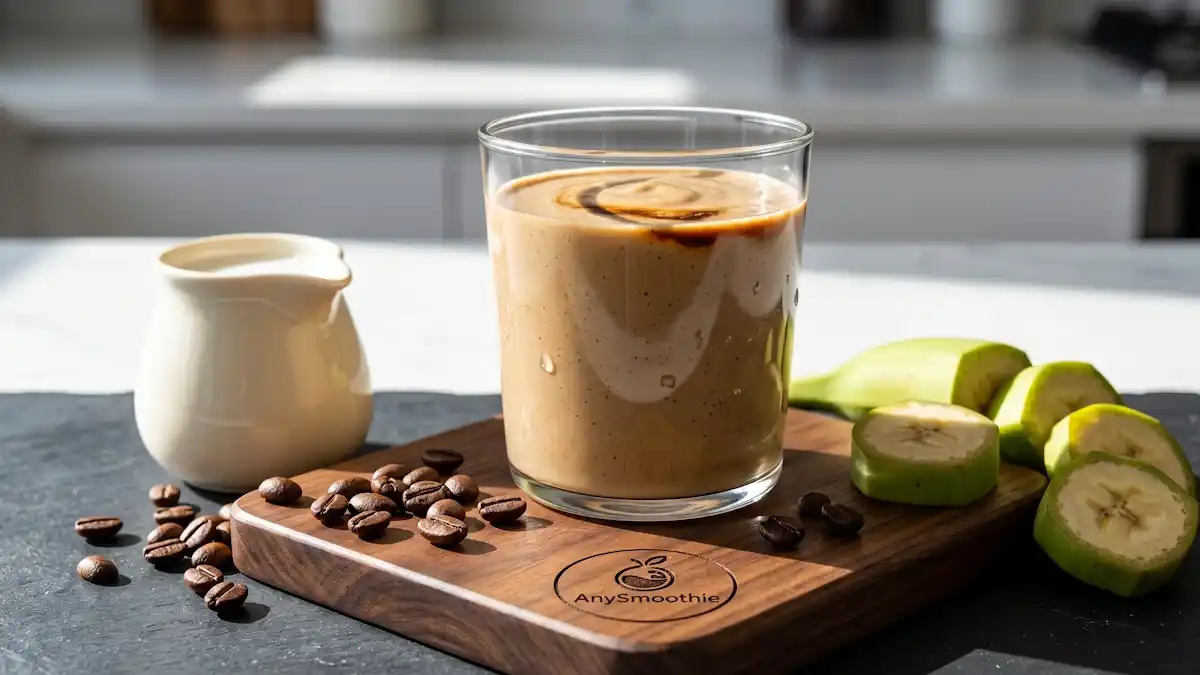
A heavy breakfast can slow you down, while coffee alone can leave you jittery. The coffee-banana metabolic breakfast smoothie sits in the middle, giving you a cleaner morning fuel mix that can support focus without feeling like a brick in your stomach.
The idea is simple. Coffee helps wake up your nervous system, while banana adds a measured carb source that your body can use right away. Done well, this can support metabolic flexibility, better fuel use, and a steadier start to the day.
If you want a practical version of that idea, a banana-coffee combo can be a useful place to start, especially when you keep the rest of the meal controlled.
The Dual-Fuel Logic: How Coffee and Banana Support Two Energy Pathways
The method works because it gives your body two jobs at once. Coffee can support alertness and fat use, while banana gives a small glucose input that helps keep output steady. That matters because many people run on one fuel only, then crash when the system has to switch.
In a morning setting, coffee can help prime mitochondria for activity, while banana gives a quick fuel lane that doesn’t need a huge meal. The goal is not to flood the body with carbs or starve it of them. The goal is to keep energy moving cleanly.
Research on coffee has shown higher metabolic rate and greater fat oxidation in some settings, which fits the logic behind this method. One classic paper on coffee and substrate use is PubMed’s review of coffee and metabolic rate.
Adenosine and Epinephrine: How Coffee Primes the Metabolic Pump
Caffeine works by blocking adenosine signaling, which is part of why fatigue feels quieter after a cup of coffee. That often makes room for a sharper rise in alertness and a better sense of drive.
Coffee can also support epinephrine release, which helps the body get ready for action. In plain terms, it nudges your system toward using stored fuel more readily. That is useful in the morning, when you want performance without a big food load.
The point of coffee here is not hype. It is a clean signal that helps your body switch on.
Comparing Three Breakfast Styles for Morning Energy and Fuel Use
The coffee-banana method is designed to keep both sides of the fuel system active. Traditional high-carb breakfasts lean hard on glucose. Fat-only breakfasts often skip the quick fuel side. The dual-fuel version aims for a middle path.
| Breakfast Style | Dominant Energy Source | Duration of Cognitive Focus | Impact on Fat Oxidation (Beta-Oxidation) | Metabolic Flexibility Score |
|---|---|---|---|---|
| Traditional High-Carb (Cereal/Toast) | Glucose | Short to moderate | Lower during the meal window | 3/10 |
| Bulletproof Style (Fat Only) | Fat | Moderate, sometimes flat | Higher, but glucose use is low | 5/10 |
| Dual-Fuel Coffee-Banana Method | Coffee plus controlled glucose | Moderate to long | Supports fat use while keeping glucose available | 8/10 |
That balance is the point. The body gets enough carbohydrate to avoid a dead-flat morning, but not so much that it has to abandon fat use.
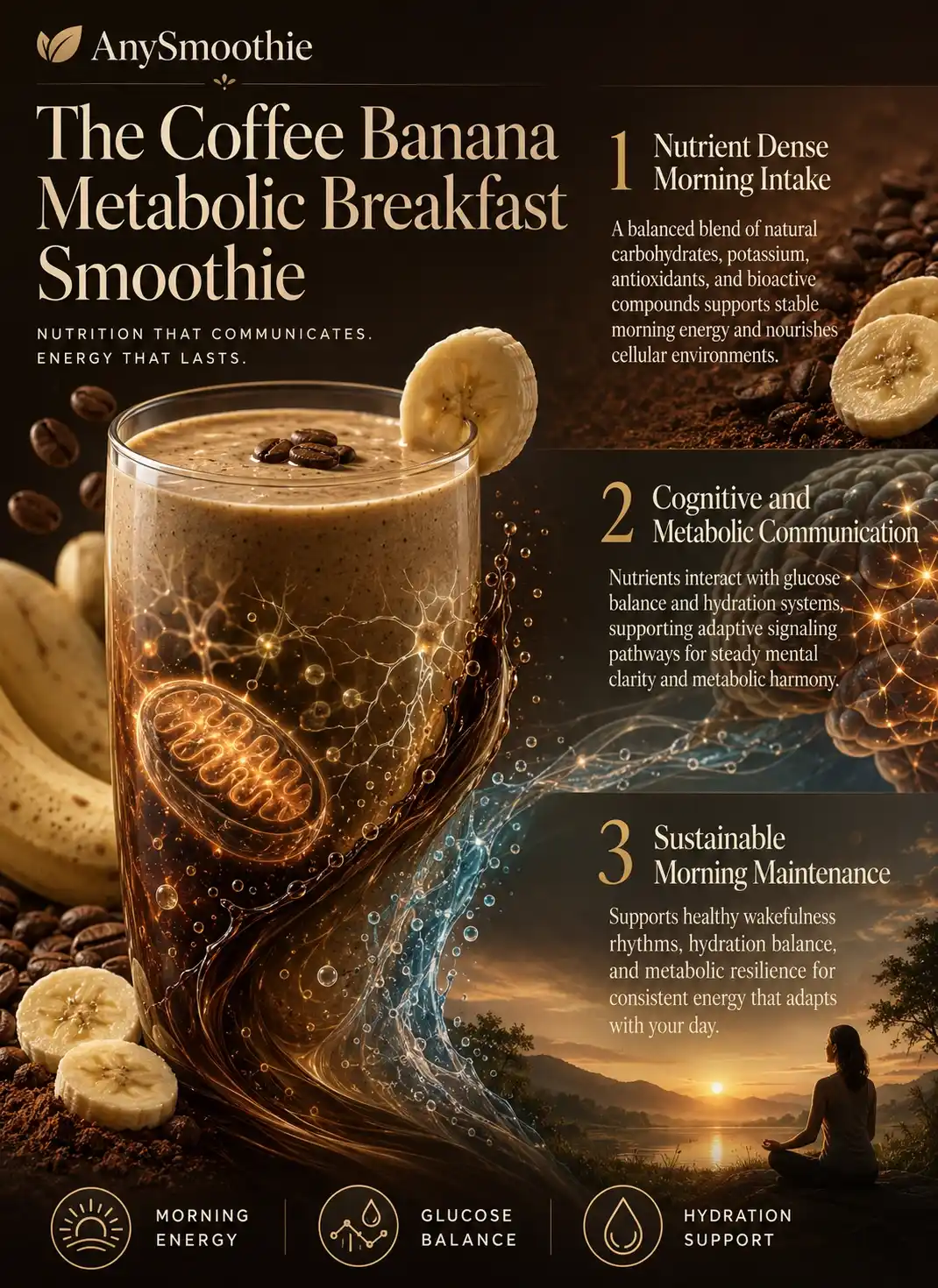
Glycemic Precision: Why Banana Works Better When the Morning Fuel Is Balanced
Banana fits this method because portion size matters. A half banana or a small banana gives you a cleaner glucose rise than a big fruit-heavy breakfast. When you pair it with coffee, fat, or protein, the carb load feels smoother and less abrupt.
Ripeness matters too. A greener banana usually carries more resistant starch, while a riper banana has more simple sugars. That means the same fruit can behave differently depending on when you use it. If you want the gentler end of the range, choose a firmer banana and keep the serving modest.
Resistant Starch, Ripeness, and the Difference Between Fast and Slow Carbs
Resistant starch changes how fast the banana is digested. Greener bananas usually digest more slowly, so they may support a gentler glucose response. Riper bananas taste sweeter because more starch has already turned into sugar.
That doesn’t make one choice good and the other bad. It just changes the fuel profile. If you want steadier mornings, use greener fruit. If you train early or need faster carbs, choose a riper banana and keep the rest of the meal light.
Potassium and Magnesium: The Electrolytes That Help Morning Energy Run Smoothly
Bananas also bring potassium, which helps support normal nerve and muscle function. That matters when you’re pairing food with caffeine, because your morning output depends on more than calories.
Magnesium can round out the picture if it comes from cocoa, a supplement, or another ingredient in the mix. A small dose can support the overall breakfast design, especially when you want clean energy rather than a sugar spike. One easy way to do that is to use cocoa in the blend, which adds flavor and a little mineral support.
3 Coffee-Banana Breakfast Recipes That Fit the Dual-Fuel Method
The best version is the one you can repeat. If the recipe takes too long, it won’t last.
Biohacking the Morning Window: Timing, Cortisol, and Thermal Synergy
Timing can change how this breakfast feels. Many people do well waiting 30 to 60 minutes after waking, especially if they feel wired early. That lines up better with the normal morning cortisol rise and can make caffeine feel smoother.
Temperature matters too. A warm drink or a blended breakfast can feel easier on the stomach than a cold, sharp one. The texture also changes satisfaction. A creamy drink often feels more filling than plain coffee, even when the calories are similar.
Why Combined Warmth, Fat, and Carbs Can Feel More Satisfying Than One Fuel Alone
Warmth tends to relax the first bite or sip. Fat slows the pace. Carbs add quick access to fuel. Together, they can make breakfast feel more complete than any one ingredient alone.
That is the real appeal of thermal synergy here. The meal feels settled, but not heavy.
Conclusion
The coffee-banana metabolic breakfast smoothie works best when it stays balanced. Coffee supports alertness and fuel access, while banana adds a controlled carb source that can smooth the morning start.
Used well, this is about steadier energy, cleaner focus, and better metabolic flexibility. Start with a small banana, moderate coffee, and one supporting fat or protein source, then pay attention to how your body responds. The best version is the one that keeps your morning sharp without draining it.
Questa guida di AnySmoothie.com per l’aprile 2026 trasforma la tua colazione in un protocollo di efficienza a doppio carburante. Il problema della colazione tradizionale non è il caffè o la banana in sé, ma la gestione della glicemia e dell’attivazione surrenale. Utilizzare il sistema AnySmoothie per creare un’emulsione di caffeina, carboidrati a rilascio controllato e grassi permette di ottimizzare la metabolic efficiency e la ripartizione dei nutrienti (nutrient partitioning), evitando il nervosismo da caffeina e garantendo una lucidità mentale che dura fino a pranzo.
⚠️ Safety Notes for Coffee-Banana Metabolic Smoothies
Adrenal Fatigue Awareness: If you rely on this smoothie because you feel “dead” without it, you may be masking adrenal exhaustion. Try to delay your first sip until 90 minutes after waking to allow your natural cortisol levels to peak and subside.
MCT Oil and Digestion: If you choose the “Mocha-Metabolic” version with MCT oil, start with 1 teaspoon. MCTs bypass normal digestion and can cause sudden “bathroom emergencies” if your gut isn’t adapted.
Caffeine and Heart Sensitivity: Combining caffeine with the natural sugars in a banana can increase heart rate. If you have arrhythmias or hypertension, use decaf or a half-caff blend to maintain the metabolic benefits without the cardiovascular strain.
Potassium and Kidney Health: While the potassium in a banana is healthy for most, individuals with Advanced Chronic Kidney Disease must monitor their potassium intake strictly to avoid hyperkalemia.
Empty Stomach Acidity: Coffee is acidic. If you have a history of gastritis or GERD, always include the Greek yogurt or a plant-based cream (like coconut) in your smoothie to buffer the pH and protect your stomach lining.
FAQ
How does the Coffee-Banana method support “Dual-Fuel” metabolism
The “Dual-Fuel” approach works by utilizing two distinct energy pathways. The caffeine in the coffee stimulates the release of fatty acids from adipose tissue into the bloodstream, supporting the body’s natural pathways of fat oxidation. Simultaneously, the carbohydrates in the banana provide a steady source of glucose. This dual-access to energy ensures that both your brain and muscles have constant fuel without the “crash” associated with high-sugar breakfasts.
Why is a green (unripe) banana preferred for this smoothie
Green bananas are high in resistant starch, a type of carbohydrate that is not fully broken down in the small intestine. Biochemically, this means it has a much lower glycemic index compared to ripe bananas. It provides a slow, sustained release of glucose and acts as a prebiotic, supporting the physiological systems of the gut while preventing the large insulin spike that can halt fat burning.
What is the role of caffeine in fat mobilization
Caffeine acts by inhibiting the enzyme phosphodiesterase, which leads to an increase in intracellular cyclic AMP (cAMP). This signaling molecule activates hormone-sensitive lipase, the enzyme responsible for breaking down stored fats into free fatty acids. In the context of a “Dual-Fuel” smoothie, this prepares your metabolic engine to use fat for energy more effectively throughout the morning.
Can I add healthy fats to this breakfast smoothie
Adding a source of lipids, such as MCT oil or almond butter, is highly recommended. Fats support the liposomal transport of the smoothie’s nutrients and help slow down gastric emptying even further. This ensures that the “Dual-Fuel” release is metered and steady, optimizing nutrient partitioning and keeping your metabolic rate stable for several hours.
When is the ideal time to consume this metabolic blend
To align with your body’s natural cortisol rhythm, it is often best to consume this smoothie about 60 to 90 minutes after waking. Early in the morning, cortisol levels are naturally high to wake you up; waiting slightly allows you to stack the metabolic benefits of the caffeine and nutrients onto your body’s existing energy-release systems, maximizing focus and physical performance.

Medical Disclaimer: AnySmoothie content is for educational purposes only and is not a substitute for professional medical advice. Consult a healthcare provider for personalized guidance. See our full Disclaimer & Terms of Use. AI Transparency: AnySmoothie may use AI to support content development. All content undergoes human editorial review for accuracy, clarity, and editorial quality. See our full AI Transparency.