
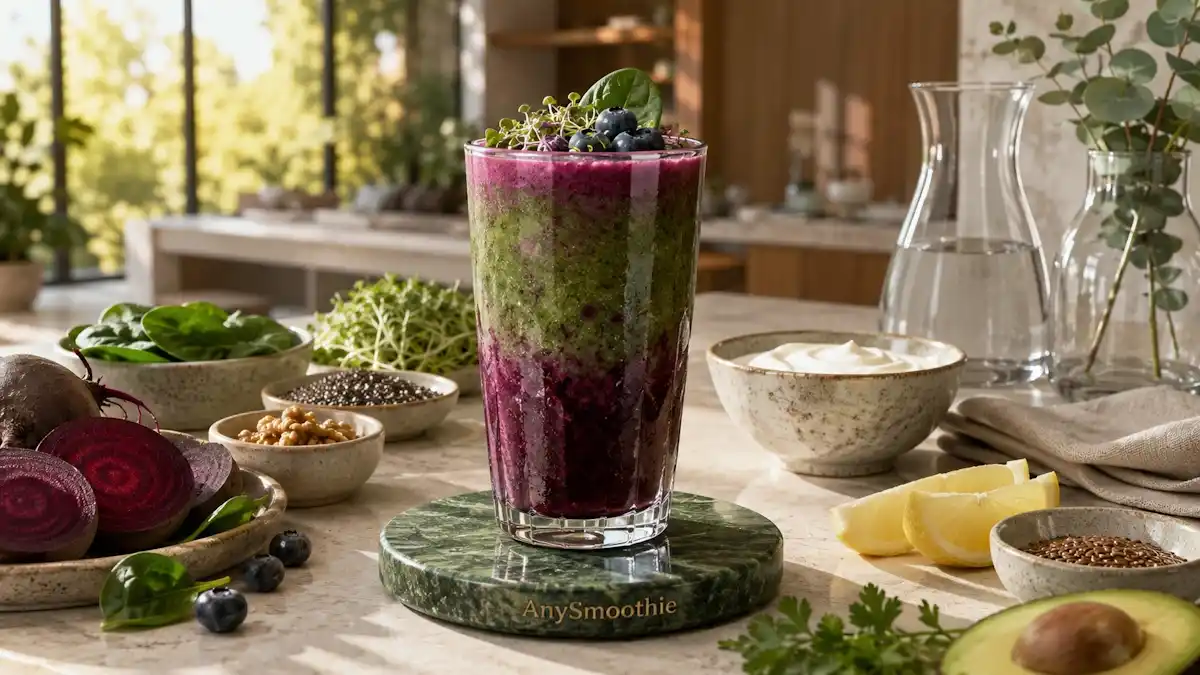
Methylation in the liver is a normal biochemical pathway that helps process compounds, make creatine and phospholipids, and manage homocysteine. Food can’t cure liver disease or replace the liver’s natural detoxification processes..
Still, smoothies for healthy hepatic methylation can provide nutrients that support these natural pathways. They won’t replace medical care, but they can fit a varied eating pattern. The right blend is closer to a small meal than a fruit-only drink.
How Nutrition Supports Hepatic Methylation
Hepatic methylation depends on a steady supply of nutrients, Amino acids, and energy. Folate, choline, and betaine can donate methyl groups, which are small chemical units used in many cellular reactions. Folate and vitamin B12 also participate in reactions that help regulate homocysteine.
Choline supports the production of phosphatidylcholine, a major Phospholipid in cell membranes. Betaine, found in foods such as beets, can donate methyl groups in the liver. Vitamin B6 supports related amino acid reactions, while magnesium and zinc help many Enzymes function normally.
Protein supplies amino acids, including methionine, which the body uses to form S-adenosylmethionine, or SAM. SAM is a major methyl-group donor. Berries, leafy greens, and citrus also provide plant compounds and antioxidants that fit into a broader nutrient-dense eating pattern.
Hepatic methylation depends on several interconnected nutrients rather than a single food or supplement. Learn more about Metabolism and methylation and the nutritional role of folate in these normal biochemical pathways.
These nutrients work together as part of normal physiology. More isn’t always better, especially with concentrated supplements. Whole foods are generally preferable to high-dose isolated nutrients, unless a qualified clinician recommends a specific supplement.
The key smoothie ingredients to look for
- Spinach and romaine provide folate, while avocado adds folate, fiber, and unsaturated fat.
- Beets provide betaine and a naturally earthy flavor.
- Plain Greek yogurt and unsweetened fortified soy milk add protein. Fortified soy products may also provide B12.
- Chia and ground flax add fiber, fat, and a thicker texture.
- Berries supply flavor and polyphenols without relying on juice.
- Lemon or whole orange adds brightness and vitamin C.
Plant-based eaters should pay close attention to reliable vitamin B12 sources. Check fortified product labels because nutrient amounts vary by brand.
Why protein and fiber matter together
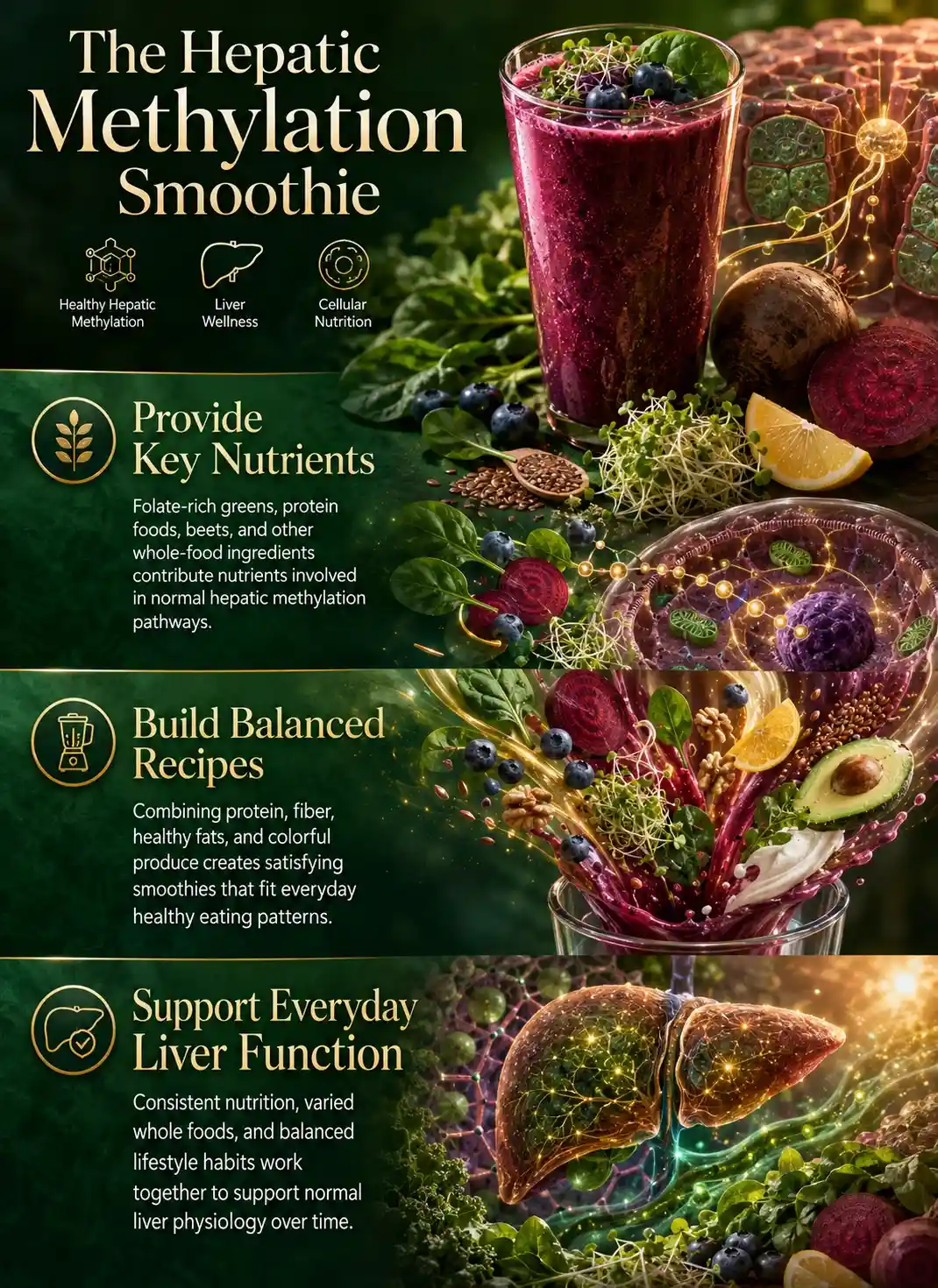
Protein makes a smoothie more substantial and supplies amino acids used throughout the body. Fiber supports regular digestion and helps the drink keep you satisfied longer.
Balance fruit with vegetables, yogurt or soy milk, and seeds. Frozen whole fruit works better than fruit juice for this purpose because it keeps the pulp and fiber. Sweetened powders and syrups can turn a nutrient-dense drink into a high-sugar beverage.
For more basic blending ratios and meal-style ideas, use this Complete guide to functional smoothies.
3 Smoothies for Healthy Hepatic Methylation
Choose unsweetened liquids for these recipes. Adjust the fruit, seeds, and total portion to match your overall calorie and carbohydrate needs.
A five-column smoothie comparison table
| Smoothie | Main methylation-supporting foods | Protein source | Fiber and texture | Best fit |
|---|---|---|---|---|
| Green avocado and citrus | Spinach, avocado, orange | Yogurt or soy milk | Chia, creamy | Balanced breakfast |
| Berry beet and yogurt | Beet, berries, oats | Greek yogurt | Oats, thick | Tart, filling snack |
| Tropical soy and seed | Soy milk, spinach, flax | Fortified soy milk | Flax, smooth | Dairy-free option |
How to Build a Methylation-Supportive Smoothie Safely
Portion size matters, especially when smoothies contain several calorie-dense ingredients. Measure avocado, oats, chia, flax, and nut products rather than adding them freely. Rotate greens, fruits, and protein sources so your diet doesn’t depend on one recipe.
Read labels on fortified soy milk and other plant-based products. Look for unsweetened options and confirm whether B12, calcium, or vitamin D is included. Avoid taking large doses of isolated methylated vitamins unless a qualified clinician recommends them for your situation.
Fortified plant-based beverages vary considerably in their nutrient content, so checking labels helps ensure they provide nutrients such as vitamin B12 and calcium. Review the Dietary guidelines for healthy eating for practical advice on building balanced meals.
Smoothies are additions to a balanced eating pattern, not replacements for medical care. If you have liver or kidney disease, are pregnant, have a diagnosed nutrient deficiency, or have concerns related to alcohol use, discuss major diet changes with a healthcare professional. Prescription medicines can also affect which ingredients are appropriate.
Persistent symptoms, abnormal liver tests, or questions about supplements deserve professional evaluation. A smoothie can supply useful food nutrients, but it can’t identify or treat the cause of a health problem.
Common mistakes that make a healthy smoothie less balanced
Too much fruit, fruit juice, sweetened protein powder, or an oversized serving can push sugar and calories higher than intended. Skipping protein also makes the drink less satisfying. Concentrated greens powders and multiple supplements can add unnecessary nutrients and make it harder to identify what causes a reaction.
Use frozen whole fruit instead of juice, add Greek yogurt or unsweetened soy milk, and measure seeds. Raw greens may not suit everyone, and blending doesn’t remove food allergies or medication interactions. Change one ingredient at a time when testing a new recipe, particularly if your digestion is sensitive.
Conclusion
The best blends combine folate-rich greens, betaine-containing foods, quality protein, fiber, and modest portions of fruit. Rotate these three recipes and judge them as part of your full diet, sleep routine, movement, and medical care, rather than expecting one drink to change liver function.
Personalized nutrition advice matters when you have a liver condition, take medication, or have a known nutrient deficiency. A balanced smoothie can support normal physiology while keeping expectations realistic. For more nutrition strategies that complement normal liver physiology, see our Smoothies for hepatic phase II support guide.
🛡️ Safety Notes & Dietary Interactions
- Whole Foods Before High-Dose Supplements: These smoothies emphasize naturally nutrient-rich foods that contribute folate, betaine, choline, protein, and fiber. Concentrated methylation supplements should only be used with guidance from a qualified healthcare professional, particularly if you have medical conditions or take prescription medications.
- Consider Individual Health Conditions: People with liver disease, kidney disease, diabetes, digestive disorders, food allergies, pregnancy, or medically prescribed diets should personalize smoothie ingredients with advice from their healthcare provider or registered dietitian.
- Watch for Food and Medication Interactions: Grapefruit and some citrus fruits may interact with certain medications, while leafy greens can influence vitamin K intake. If you regularly take prescription medicines, ask your pharmacist or healthcare provider whether any ingredients require adjustment.
- Support Overall Liver Health: Healthy hepatic methylation depends on balanced nutrition, adequate protein, regular physical activity, sufficient sleep, moderate alcohol intake, and appropriate medical care. Smoothies can support these normal physiological processes but cannot detoxify the liver or treat liver disease.
FAQs
What is hepatic methylation?
Hepatic methylation refers to normal biochemical reactions that occur in the liver, where methyl groups are transferred between molecules. These pathways contribute to processes such as homocysteine metabolism, phospholipid production, creatine synthesis, and many other essential cellular functions.
Which foods naturally support hepatic methylation?
Foods commonly included in balanced methylation-supportive smoothies include spinach, romaine lettuce, beets, avocado, citrus fruits, berries, chia seeds, flaxseed, plain Greek yogurt, and fortified unsweetened soy milk. Together they provide protein, fiber, folate, betaine, healthy fats, vitamins, and minerals.
Can smoothies detoxify the liver?
No. The liver already performs its own highly regulated detoxification processes. A smoothie cannot cleanse or detoxify the liver, but a balanced, nutrient-dense diet can provide the nutrients the liver uses during its normal physiological functions.
Should I take methylated vitamin supplements with these smoothies?
Not unless they’ve been recommended by a qualified healthcare professional. Most people benefit from obtaining nutrients through a varied diet, while high-dose methylated vitamins or other supplements may not be appropriate for everyone and can interact with certain medical conditions or medications.
Can I drink a hepatic methylation smoothie every day?
Yes, provided it fits within a balanced eating pattern and uses a variety of ingredients over time. Rotating leafy greens, fruits, protein sources, and seeds helps broaden nutrient intake while reducing reliance on any single ingredient or recipe.

Medical Disclaimer: AnySmoothie content is for educational purposes only and is not a substitute for professional medical advice. Consult a healthcare provider for personalized guidance. See our full Disclaimer & Terms of Use. AI Transparency: AnySmoothie may use AI to support content development. All content undergoes human editorial review for accuracy, clarity, and editorial quality. See our full AI Transparency.