
Your workday kicks off with endless notifications buzzing on your phone. Deadlines loom, and that tight chest feeling from stress won’t quit. In busy 2026 life, anxiety sneaks up fast, doesn’t it?
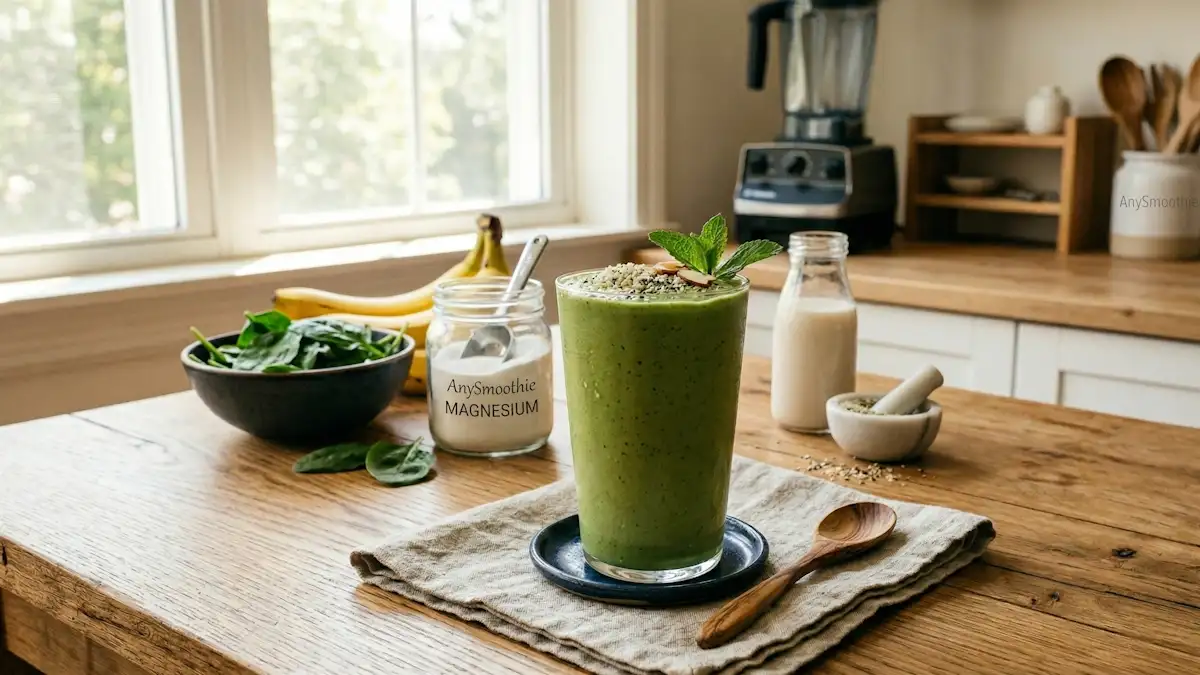
Magnesium smoothies for anxiety offer a tasty fix. You blend magnesium-rich foods like spinach and almonds with fruits, plus optional supplements, to promote natural calm.
Do they really work? Yes, because magnesium helps regulate your stress response. It boosts GABA for relaxation and tones down NMDA receptors that fuel worry.
We’ll unpack the science next. You’ll spot deficiency signs, discover powerhouse ingredients like pumpkin seeds and dark chocolate, and compare top forms (glycinate crushes it for stress). Get simple recipes, timing tips like evening blends for sleep, and our honest verdict.
Ready to sip away your stress? Let’s start with how magnesium tames anxiety.
Weight Loss Programs
Diet & Weight Loss
Diet & Weight Loss

Diet & Weight Loss

Diet & Weight Loss
How Magnesium Calms Your Overactive Stress Response
Your body has a built-in alarm system for stress. When it stays on too long, anxiety takes over. Magnesium steps in to reset that system. It works at the brain level to promote calm. Think of it as a natural dial-down button for worry.
You feel this most during high-stress days. Magnesium helps balance key brain signals. As a result, magnesium smoothies for anxiety deliver steady support. They provide this mineral in a form your body absorbs well.
The Role of GABA and NMDA Receptors in Keeping Anxiety in Check
Your brain relies on GABA and NMDA receptors to manage calm and excitement. GABA acts like a brake pedal, slowing overactive nerves for relaxation. NMDA serves as the gas pedal, ramping up signals that can spark anxiety when unchecked.
Magnesium boosts this balance. It enhances GABA activity, so you feel more at ease. At the same time, it calms NMDA receptors, preventing excess glutamate buildup that fuels worry.
Here’s how these receptors function:
- GABA receptors: Promote inhibition; low activity links to anxiety disorders like GAD.
- NMDA receptors: Drive excitation; overactivity contributes to panic and chronic stress.
Studies back this up. One mouse study on PubMed showed magnesium curbs NMDA to create anxiolytic effects. Another systematic review in Nutrients found magnesium supplementation cuts subjective anxiety and stress symptoms.
This mechanism explains why magnesium smoothies shine for daily anxiety management. You get consistent doses from blended foods. Therefore, they help regulate your stress response over time. No pills needed; just sip and relax.
Spot These Magnesium Deficiency Signs That Fuel Your Anxiety
Low magnesium often hides behind everyday woes. You might blame stress alone, but deficiency amps up anxiety big time. Spot these signs early, and magnesium smoothies for anxiety can step in as your quick fix.
Many folks miss the link. Your body uses magnesium to steady nerves and ease tension. When levels drop, subtle clues pile up. Therefore, check yourself against these common signs. You could turn things around with one blended drink.
Fatigue Hits Hard Even After Rest
You wake up tired, no matter how much you sleep. That’s a classic red flag. Low magnesium slows energy production in cells.
In addition, it disrupts muscle recovery. So, you drag through your day. Studies show this ties straight to anxiety spikes, because exhaustion makes worries feel bigger.
A detailed Healthline overview lists fatigue as a top symptom. Fix it fast with smoothies packed with greens.
Muscle Cramps and Twitches Disrupt Your Calm
Sudden leg cramps jolt you at night. Or eyelids twitch during meetings. Magnesium keeps muscles relaxed; without it, they spasm.
This tension feeds anxiety loops. You tense up more, which worsens cramps. Meanwhile, restless legs syndrome often stems from the same shortage.
Irritability and Restlessness Build Without Warning
Snapping at small things? Or pacing when you should unwind? Low magnesium stirs brain signals that heighten irritability.
It also ramps up restlessness, mimicking anxiety flares. For example, you feel on edge for no clear reason. As a result, daily stress snowballs.
Research links this to poor GABA function we covered earlier. Smoothies deliver steady magnesium to dial it back.
Insomnia Keeps Anxiety Cycling Overnight
You toss and turn, mind racing. Magnesium aids sleep by calming the nervous system. Deficiency means broken rest, which fuels next-day worry.
Poor sleep heightens cortisol, your stress hormone. So, anxiety digs in deeper. Track if night wakings plague you; it’s a strong hint.
Start evening magnesium smoothies for anxiety to break the cycle. You’ll notice calmer nights soon.
Best Magnesium-Rich Foods to Blend into Your Anxiety-Fighting Smoothie
You want magnesium smoothies for anxiety that pack a real punch. Start with foods loaded with this mineral. They absorb fast and team up with other nutrients for calm. Pumpkin seeds and dark chocolate top the list. Both crush stress in unique ways. Add them to your blends for quick relief.
Why Pumpkin Seeds and Dark Chocolate Are Anxiety-Busting Powerhouses
Pumpkin seeds deliver 535 mg of magnesium per 100 grams. That’s a huge dose for nerve calm. They also supply zinc, which stabilizes mood and fights inflammation. Studies show these seeds ease anxiety and depression in animals. For example, one PMC study on pumpkin seeds found they reduce stress behaviors and boost memory.
Dark chocolate with 70% or more cocoa offers 228 mg of magnesium per 100 grams. Flavonoids inside improve brain blood flow and cut cortisol. Research confirms this combo lowers stress responses.
Together, they shine. Toss 2 tablespoons of pumpkin seeds and 1 ounce of dark chocolate into your smoothie. Blend with banana and almond milk for a chocolate-pepitas powerhouse. Fun fact: Pumpkin seeds got nicknamed “pepitas,” Spanish for “little seeds of health.” You’ll crave this nutty, rich treat. It curbs worries while tasting like dessert.
Magnesium Glycinate vs. Citrate: The Best Pick for Your Smoothie Blender
You need the right magnesium form for magnesium smoothies for anxiety. Powders dissolve easily in blends. Glycinate stands out because it absorbs well and calms nerves without tummy trouble. Citrate works too, but it often loosens stools. Let’s compare top options so you pick wisely.
Many overlook form differences. Glycinate pairs with glycine for extra relaxation. Therefore, it fits stress relief perfectly. In contrast, citrate pulls water into your gut. As a result, it suits constipation more than daily sips.
Check this quick comparison of three strong forms. It covers key factors for your blender routine.
| Criteria | Magnesium Glycinate | Magnesium Citrate | Magnesium Threonate |
|---|---|---|---|
| Absorption Rate | High (up to 80-90%); gentle chelate | Good (around 90%); water-soluble | Excellent for brain (crosses BBB) |
| Effect on Anxiety/Brain | Boosts GABA; calms overall stress | General support; less brain-focused | Targets cognition; anxiety via brain penetration |
| Digestive Impact (Laxative Effect) | Minimal; stomach-friendly | Strong laxative; can cause diarrhea | Low; easy on digestion |
| Best Time to Consume | Evening for sleep and calm | Morning or as needed for bowels | Daytime for focus |
Glycinate wins as the gold standard here. It delivers steady calm without side effects, perfect for smoothies. A detailed comparison confirms its edge for anxiety. Add 200-400 mg powder to your next blend.
Liquid Magnesium in Smoothies: Better Absorption Than Pills?
Smoothies boost magnesium uptake compared to pills. Foods and liquids absorb 30-40% versus 10-30% from capsules. No fillers slow things down. Plus, vitamin C from berries enhances it further.
Studies support liquid forms. One systematic review shows supplements in food matrices improve bioavailability. Liquid skips breakdown steps, so you get more bang.
Pros pile up. They taste great with fruits. Sustained release keeps levels steady all day. Therefore, magnesium smoothies for anxiety outperform popping pills. Blend glycinate powder for peak results; your body thanks you.
Recipe Ideas and Smart Timing for Magnesium Smoothie Success
Timing matters with magnesium smoothies for anxiety. Drink them when your body needs calm most. Evenings work best to drop cortisol and boost sleep. Mornings suit lighter blends for steady energy. Pick recipes that fit your day. Add magnesium glycinate powder for extra punch, as we discussed earlier. These ideas keep things simple and tasty. You’ll notice less worry with consistent sips.
Evening Smoothies to Tame Cortisol and Drift Off Easier
Cortisol peaks in the morning but lingers if stress builds. After 6 p.m., it should drop for rest. Magnesium helps by supporting melatonin production. Therefore, evening smoothies tame that hormone and ease you into sleep. Studies link low magnesium to poor rest and higher anxiety.
For example, research shows supplementation improves sleep quality in adults with insomnia. One trial on magnesium for sleep found better outcomes versus placebo. Another source explains how it lowers cortisol directly (Choose Health on magnesium and cortisol).
Skip caffeine entirely. Opt for decaf bases like almond milk or chamomile tea. Blend spinach (for 80 mg magnesium), banana (27 mg), and a tablespoon of pumpkin seeds. Stir in 200 mg glycinate powder. Top with tart cherry juice; it boosts melatonin naturally.
Sip one hour before bed. You’ll unwind faster because magnesium calms GABA pathways we covered. No jitters, just smooth drift-off. Try this “Nighttime Calm Blend” tonight. Your anxiety cycle breaks with better rest.
Conclusion
Magnesium regulates your stress response through GABA and NMDA pathways. Magnesium smoothies for anxiety deliver this mineral from foods like pumpkin seeds and dark chocolate, plus glycinate powder, for steady calm. They shine for mild symptoms, especially when paired with good sleep and less screen time.
Science backs their role in easing fatigue, cramps, irritability, and insomnia from deficiency. However, they support lifestyle changes, not replace them. For severe anxiety, talk to your doctor first.
Try an evening blend tomorrow with spinach, banana, and pepitas. Track your mood over a week; you might notice quieter days ahead. Your stress alarm can reset, one sip at a time.
⚠️ Specific Safety Notes for this Post
-
Kidney Health: If you have chronic kidney disease (CKD) or any impaired renal function, consult your doctor before increasing magnesium intake. Excess magnesium is cleared by the kidneys, and accumulation can be toxic in these individuals.
-
Medication Interactions: Magnesium can interfere with the absorption of certain antibiotics (e.g., Ciprofloxacin, Doxycycline) and osteoporosis medications (Bisphosphonates). Take your smoothie at least 2 hours before or 4-6 hours after these drugs.
-
Blood Pressure: Magnesium can naturally lower blood pressure. If you are already taking antihypertensive medication, monitor your levels closely to avoid hypotension (dizziness or fainting).
-
Digestive Limits: To avoid “osmotic diarrhea,” start with lower doses of magnesium powder (100-200mg) and gradually increase. Excessive intake can cause digestive upset, which can mimic or worsen physical anxiety symptoms.
-
Standard Dosage: While foods are safe, total supplemental magnesium should generally not exceed 350mg daily unless directed by a healthcare professional.
Magnesium Smoothies for Anxiety FAQ
Which type of magnesium should I add to my smoothie for the best anxiety relief?
Magnesium Glycinate is the gold standard for anxiety. It is bound to the amino acid glycine, which has its own calming properties for the brain. It is highly bioavailable, meaning your body absorbs it easily, and unlike magnesium citrate, it is very gentle on the stomach and won’t cause unwanted laxative effects.
Can I drink a magnesium smoothie every day?
Yes, for most people, a daily magnesium-rich smoothie is a safe and effective way to maintain healthy mineral levels. However, if you are adding high-dose supplements (more than 350-400mg of elemental magnesium), it is wise to monitor your intake, especially if you have kidney issues, and always consult with a doctor first.
What is the best “food base” for a magnesium smoothie?
To get the most natural magnesium, use a base of spinach or kale (around 150mg per 2 cups) combined with almond milk or cashew milk. Adding a tablespoon of pumpkin seeds or hemp hearts will significantly boost the mineral content while providing the healthy fats needed for optimal nutrient absorption.

The AnySmoothie team is all about smarter smoothie recipes made with whole-food ingredients. Everything we share centers on balanced nutrition, steady energy, and low-glycemic choices, so you can sip a smoothie that keeps you full, feels good, and helps you avoid sugar crashes.
- Disclaimer: This content is for educational use only. These smoothie recipes and nutrition details aren’t a substitute for medical advice from a licensed health professional. Please read our full Medical Disclaimer here.
Dietary Supplements
Dietary Supplements

Dietary Supplements
Remedies
Dietary Supplements