
You wake up with your heart racing. Thoughts spin before your feet hit the floor. It’s not just a bad night; it’s your hormones pulling strings. Many women face this in their cycles or perimenopause. Low progesterone lets cortisol run wild. This steals calm from your brain chemicals like serotonin and GABA.
Hormones act as messengers. They tell your brain to relax or rev up. When off balance, anxiety hits hard. The good news? You can fight back with food. An endocrine support smoothie packs adaptogens and nutrients. These target stress loops directly.
This post breaks it down. You’ll see the hormone-anxiety tie. Learn key nutrients. Get three recipes tuned to your cycle. Plus tips to tweak for blood sugar stability. Backed by 2026 trends in mood tracking, these blends offer real relief. Ready to steady your system?
The Endocrine-Anxiety Link: Why Your Hormones Dictate Your Mood
Your body runs on feedback loops. Endocrine glands signal the brain. Stress tips them toward panic. Cortisol surges block progesterone. This duo fights for control over your calm.
High cortisol mimics attacks. It amps heart rate and worries. Low progesterone cuts GABA, your chill switch. Estrogen swings affect serotonin too. Women notice this most in luteal phases or midlife. Racing thoughts wake you at 3 a.m. Sleep suffers. Energy dips.
Adaptogens step in as balancers. They nudge the HPA axis back online. Maca stands out for overall endocrine vitality. It supports adrenals without spikes. Studies show these herbs lower anxiety scores. For example, ashwagandha cuts cortisol in trials.
Women report less overwhelm. You feel wired but tired? That’s the sign. These plants help your body adapt. No crash, just steady.
A detailed guide on hormonal anxiety explains how adaptogens like ashwagandha fit daily routines.
Think of hormones as bosses. One yells “run,” the other whispers “rest.” Imbalance means more yelling.
Cortisol vs. Progesterone: The Tug-of-War for Emotional Stability
Cortisol triggers fight-or-flight. It floods during stress. Progesterone counters with GABA boost. This calms nerves like a blanket over a car alarm.
In luteal phases or menopause, progesterone drops. Cortisol steals its building blocks. Anxiety rises: shakes, irritability, poor sleep. Waking anxious? That’s the clash.
Your body prioritizes survival. Chronic stress favors cortisol. This worsens mood loops. A progesterone and anxiety overview notes its HPA modulation.
Adaptogens ease the pull. They lower cortisol reactivity. Balance returns. This biological theft is known as the ‘Pregnenolone Steal’. Since your body views survival (cortisol) as more urgent than reproduction (progesterone), it diverts the ‘mother hormone’ pregnenolone to produce more stress hormones. By lowering cortisol with adaptogens, you’re essentially ‘unlocking’ those resources so your body can finally produce the progesterone you need to feel calm.
| Adaptogen | Main Hormonal Target | Impact on Anxiety | Best Phase/Life Stage | Best Smoothie Pairing |
|---|---|---|---|---|
| Maca Root | HPA Axis/Adrenals | Reduces anxiety spikes | Anytime | Berries |
| Ashwagandha | Adrenal Support | Lowers stress anxiety | Luteal phase | Greens |
| Vitex | Estrogen/Progesterone Balance | PMS anxiety relief | Follicular/Peri-menopause | Tropical fruits |
Maca shines as the endocrine adaptogen. It builds vitality across phases. Pair it first for broad support.
Nutrient Precursors: Building Blocks for Serotonin and GABA
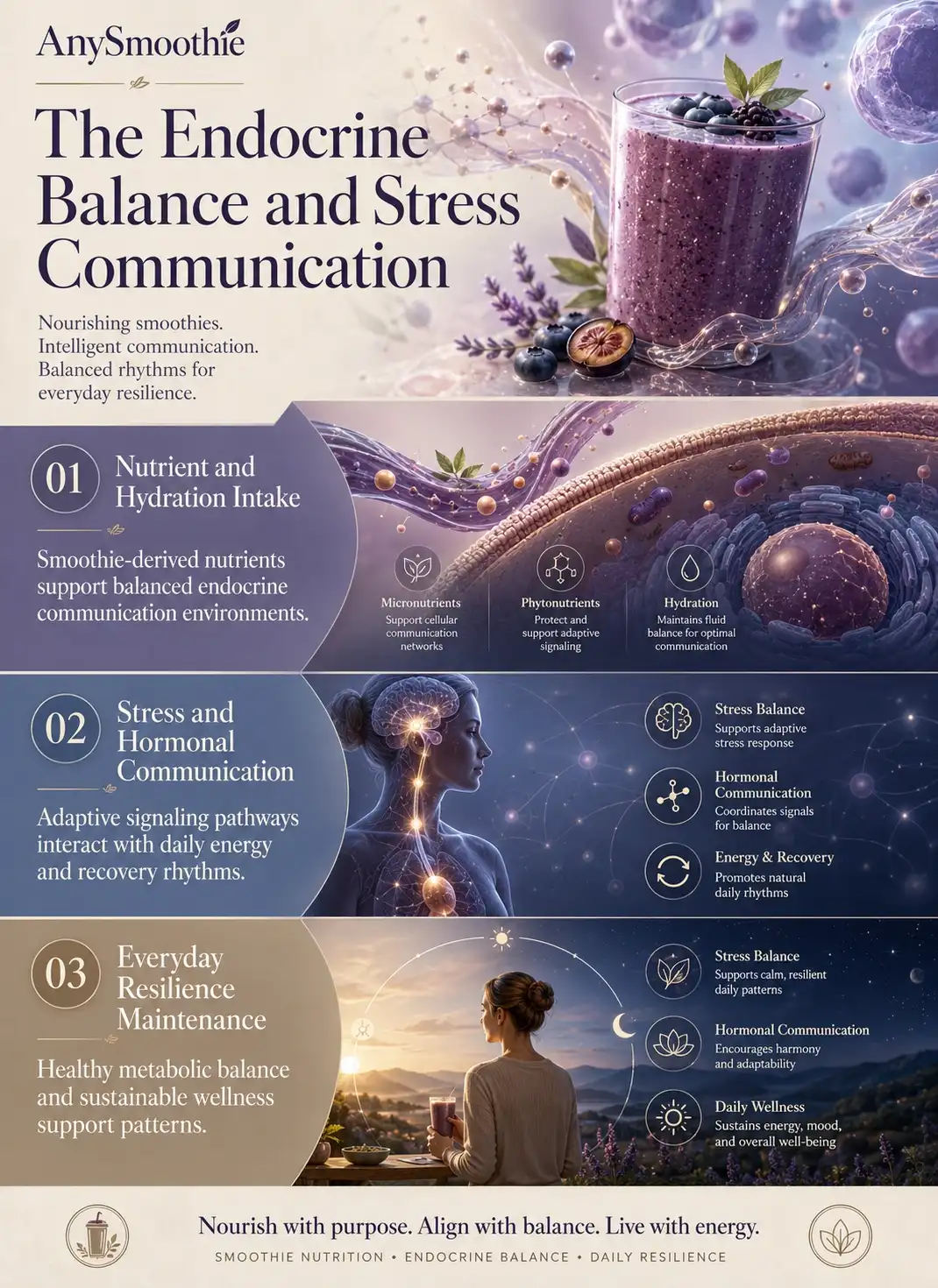
Your brain needs raw materials. B vitamins and minerals turn food into calm signals. Low levels spark worry. Smoothies deliver them fast.
Vitamin B6 sparks serotonin and GABA from estrogen cues. Zinc aids progesterone synthesis. Magnesium relaxes nerves. It curbs cortisol and steadies insulin.
Deficiencies hit hard in hormone shifts. Diet gaps worsen anxiety. Greens, seeds, fruits fix this. These act as Lego bricks for steady moods.
If mornings feel off, check intake. One smoothie covers bases. 2026 data ties B6 to neurotransmitter flow.
You deserve ease. Start with these precursors.
Vitamin B6 and Zinc: The Essential Co-Factors for Hormonal Modulation
B6 converts tryptophan to serotonin. It pairs with estrogen for mood lift. Zinc builds hormones like progesterone. Both fight irritability and panic.
Deficiency signs? Sudden fears, tension. Bananas pack B6; pumpkin seeds give zinc. Add to blends for quick wins.
Research shows B6 aids GABA too. A magnesium and B6 stress response link highlights their team-up. Smoothies absorb them well. Feel the shift in days.
3 Balancing Smoothie Recipes with Endocrine Focus
These recipes target anxiety roots. Adaptogens plus nutrients steady hormones. Each serves one, blends in minutes. Use organic powders. Add protein powder if hungry.
Track mood post-sip. Apps in 2026 spot patterns fast. These act as daily endocrine support smoothies.
Biohack tip: Sip mid-morning. Avoid crashes.
The ‘Hormonal-Zen’ Maca and Magnesium Power-Blend
Ingredients:
- 1 tsp maca powder
- 1 banana (B6 boost)
- 1 cup spinach (magnesium)
- 1 tbsp cacao nibs
- 1 cup almond milk
Steps: Blend all until smooth. Add ice for chill.
Maca revs endocrine vitality. Magnesium eases GABA paths. Banana steadies sugar. Cacao cuts cravings. Great anytime; curbs cortisol spikes. Sip for steady energy.
Ashwagandha Berry Calm-Down Blend
Ingredients:
- 1 tsp ashwagandha powder
- 1 cup mixed berries
- 1 tbsp chia seeds (zinc)
- 1 cup kale
- 1/2 cup yogurt
Steps: Toss in blender. Puree high. Pour and drink.
Ashwagandha drops cortisol fast. Berries fight inflammation. Chia balances blood sugar. Kale adds magnesium. Ideal luteal phase. Lowers stress fog. Antioxidants soothe.
Vitex Tropical Progesterone Booster
Ingredients:
- 1 tsp vitex powder
- 1 cup papaya (B6)
- 1 tbsp pumpkin seeds (zinc)
- 1 cup coconut water
- 1/2 inch ginger
Steps: Blend smooth. Grate ginger fresh.
Vitex lifts progesterone. Papaya aids serotonin. Seeds support synthesis. Ginger settles gut. Targets PMS or peri-anxiety. GABA gets a nudge. Tropical taste wins.
Biohacking the Cycle: Adjusting Your Smoothie for Hormonal Fluctuations
Tune blends to phases. Follicular? Maca for energy. Luteal? Vitex for prog. Perimenopause favors ashwagandha.
Blood sugar matters. Swings mimic panic. Fiber and protein block it. Add oats or chia. Yogurt links gut to hormones.
Steady meals shield adrenals. Swap fruits by week. Track with 2026 apps. Small tweaks yield big calm.
Blood Sugar and Anxiety: Why Insulin Stability is Your First Line of Defense
Low sugar triggers cortisol. Shakes and races feel like attacks. Insulin dips steal prog precursors.
Banana plus chia fix fast. Smoothies prevent crashes. HPA stays protected. Start here for quick wins.
Conclusion
Hormones drive your anxiety through cortisol-progesterone clashes and calm chemical gaps. Adaptogens like maca, ashwagandha, and vitex reset the loops. Nutrients such as B6, zinc, and magnesium build serotonin and GABA.
Endocrine support smoothies deliver it all. Simple blends stabilize moods across cycles. Try one today. Note changes in a tracker app. Consult your doctor for personalized checks.
You hold the tools for calm. Blend up relief. Steady days await.
🛡️ Safety Notes & Dietary Interactions
- HPA Axis Signaling and Cortisol Regulation Dynamics: Adaptogens like maca and ashwagandha are commonly discussed in relation to stress-response pathways because they interact with broader hypothalamic-pituitary-adrenal signaling patterns. Their role is generally framed around supporting resilience and steadier stress adaptation rather than acting like fast-acting sedatives or hormonal replacements.
- Blood Sugar Stability and Anxiety-Like Sensation Overlap: Rapid glucose fluctuations can amplify sensations that feel similar to anxiety, including shakiness, irritability, racing thoughts, and sudden fatigue. Smoothies balanced with fiber, protein, fats, and slower carbohydrates may help create steadier energy pacing and reduce the sharp insulin-cortisol swings that often intensify stress sensitivity.
- Neurotransmitter Precursor Support and Micronutrient Balance: Magnesium, vitamin B6, zinc, and amino acid-rich foods participate in pathways tied to serotonin and GABA production. Ingredients like spinach, pumpkin seeds, yogurt, chia, banana, and cacao help create a nutrient-dense foundation that supports calmer neurological signaling without depending entirely on stimulant-heavy coping patterns.
- Cycle Awareness and Adaptive Nutrition Timing: Hormonal needs and stress tolerance can shift across menstrual phases and during perimenopause. Some people find that adjusting smoothie structure, texture, or adaptogen choice based on energy, appetite, and recovery patterns feels more sustainable than forcing the same routine every day regardless of changing physiological signals.
FAQ
Why can hormonal fluctuations make anxiety feel more intense?
Hormones influence neurotransmitters, stress signaling, sleep quality, and blood sugar regulation all at once. When cortisol rises while progesterone support drops, the nervous system may feel more reactive and less buffered against stress. Many people notice this more strongly during luteal phases, periods of high stress, or perimenopause when hormonal transitions become less predictable.
How do adaptogens like maca and ashwagandha fit into wellness smoothie routines?
Adaptogens are often used because they are associated with stress-response resilience and HPA-axis support. Maca is frequently discussed for broader endocrine vitality, while ashwagandha appears more often in cortisol-support conversations. In practical smoothie routines, they are usually paired with minerals, fiber, protein, and healthy fats to create a steadier overall nutritional structure.
Why are magnesium, vitamin B6, and zinc emphasized so heavily?
These nutrients participate in multiple pathways related to neurotransmitter production, stress signaling, and hormone synthesis. Magnesium supports neuromuscular relaxation, vitamin B6 contributes to serotonin and GABA pathways, while zinc is commonly discussed in relation to endocrine balance. Smoothies built with greens, seeds, yogurt, and fruit make these nutrients easier to integrate consistently into daily routines.
How does blood sugar stability affect mood and stress resilience?
Large glucose swings can increase cortisol release and create physical sensations that overlap with anxiety, including shakiness, tension, irritability, and mental fog. Smoothies containing fiber, fats, and protein slow digestion and help soften those swings. Many people find their mood and energy feel more stable when meals are structured around steadier nutrient pacing instead of quick sugar spikes.
Why is cycle tracking mentioned alongside smoothie routines?
Hormonal patterns often shift appetite, stress tolerance, sleep quality, and energy needs across the month. Tracking those patterns can make it easier to notice which smoothie structures feel most supportive during specific phases. Some people prefer lighter, fresher blends during higher-energy periods and more grounding, mineral-rich recipes when stress sensitivity or fatigue becomes more noticeable.

Medical Disclaimer: The information on AnySmoothie is for educational and informational purposes only. It is not intended as medical advice or a substitute for professional consultation with a healthcare provider. Always consult your physician before starting any new nutritional protocol, especially if you have underlying health conditions or are taking medication. By using this site, you agree to our full Disclaimer & Terms of Use.