
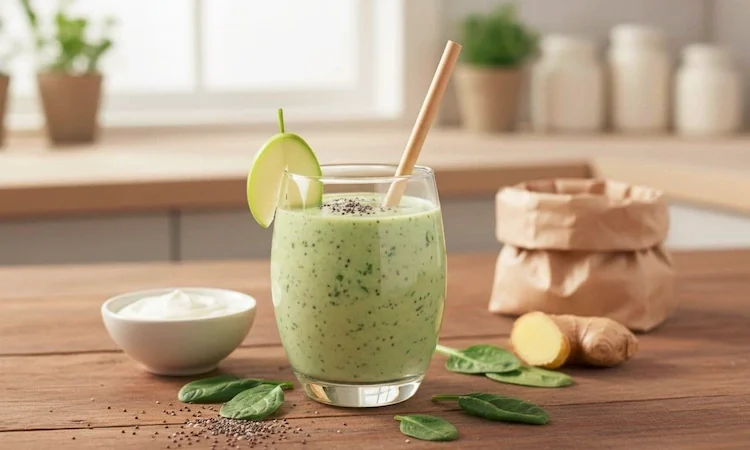
Bloating, slow bathroom trips, or that heavy feeling after meals can make you want something simple that actually sits well. A well-built smoothie can be gentle on your gut, add fiber and fluid, and make it easier to get in gut-friendly foods, without feeling like a chore.
That said, a smoothie isn’t a cure-all. Your digestion is shaped by stress, sleep, meds, and what you eat the rest of the day. The goal here is practical support, not a miracle fix.
In this post, you’ll find smoothie recipes for gut health and digestion that focus on easy-to-digest fruits, fiber you can tolerate, and add-ins like yogurt, kefir, chia, and ginger (with options if those don’t work for you). You’ll also get smart ingredient swaps for common needs, including low-sugar, dairy-free, and low-FODMAP style choices, so you can adjust without starting over.
If you have ongoing or severe belly pain, blood in your stool, persistent diarrhea or constipation, or sudden weight loss, talk with a clinician. Those signs need real medical care, not another blender experiment.
Weight Loss Programs

Diet & Weight Loss

Diet & Weight Loss
Diet & Weight Loss
Diet & Weight Loss
What makes a smoothie good for gut health and digestion?
A gut-friendly smoothie is less about tossing in every “superfood” and more about how the ingredients work together. Blended foods can be easier to digest because the texture is already broken down, and smoothies naturally support hydration, which helps stool move more smoothly.
The sweet spot for most people is a simple build: fiber + fluid + protein + a little healthy fat. That combo tends to feel steadier on your stomach and helps avoid a blood sugar spike (and the crash that can come with it). Also, more fiber is not always better. If you’re in a flare (bloating, diarrhea, constipation, IBS symptoms), a lower-fiber smoothie for a few days can be the gentler choice.
Fiber that helps, and fiber that can backfire
Fiber is a big reason smoothie recipes for gut health and digestion can work so well, but the type and amount matter.
Soluble fiber absorbs water and turns a bit gel-like. Think of it as a soft sponge that can help stools form and move along more comfortably. Smoothie-friendly sources include:
- Oats
- Chia seeds
- Ground flaxseed
- Banana
- Mango
- Cooked then cooled sweet potato (often easier on the gut than raw veg)
Insoluble fiber is more like a scrub brush. It adds bulk and can speed things up, which is helpful for some people, but rough for others if the smoothie is too “woody” or intense. Common smoothie triggers include:
- Raw kale stems (the stems are the rough part)
- Lots of bran
- Big amounts of seeds
A simple beginner rule: start with 1 tablespoon chia or 1 tablespoon ground flax, not both. Stick with that for a week, then adjust slowly. When you jump from low fiber to very high fiber overnight, gas and bloating are common because your gut bacteria need time to adapt. For a quick refresher on fiber types, see MedlinePlus on soluble and insoluble fiber.
Probiotic foods vs prebiotic foods, and why you want both
Probiotics and prebiotics sound similar, but they do different jobs.
Probiotics are live cultures (helpful bacteria) found in certain fermented foods. Smoothie-friendly options include:
- Kefir
- Yogurt with live and active cultures
- Some fermented drinks (only if you tolerate them well)
Prebiotics are the fibers that feed those good bacteria. They’re not bacteria themselves, they’re their food. Easy smoothie add-ins include:
- Oats
- Slightly green banana (more resistant starch, often more prebiotic)
- Berries
- Chia
- Ground flax
One caution: some people react to added fibers like inulin or chicory root (often in “gut health” powders). If you’re sensitive, skip those at first and build your tolerance with whole foods.
Common triggers to watch for (and easy swaps)
If a smoothie leaves you bloated or uncomfortable, it’s usually an ingredient issue or a portion issue, not a personal failure. Watch these common triggers:
- Too much fruit sugar (especially fruit juice-heavy blends)
- Sugar alcohols (often in “no sugar added” products)
- Lots of raw cruciferous veggies (kale, cauliflower, broccoli)
- Huge servings that overwhelm digestion
- Very cold drinks that can slow your stomach
- High-fat add-ins in large amounts (nut butter, coconut oil, heavy cream)
Try these practical swaps:
- Use berries instead of juice for flavor with less sugar.
- Use half a ripe banana instead of a whole banana if you’re sensitive.
- Use baby spinach instead of kale (milder, usually easier to tolerate).
- Use room temp liquid (or let the smoothie sit 5 minutes).
- Start with a 12 to 16 oz portion, then increase if you feel good after.
Build-your-own digestion-friendly smoothie: simple formula and smart add-ins
If you want smoothie recipes for gut health and digestion that actually feel good, a simple build beats a complicated recipe. Think of your blender like a playlist: you need a solid base, a few reliable favorites, and maybe one new song at a time.
Start gentle, keep the portion reasonable, and adjust texture as you go. If your smoothie is thick like soft-serve, it can sit heavy. A splash more liquid often fixes that fast.
The base formula (with beginner portions that feel good)
Use this as your go-to template. It’s balanced, flexible, and easy to scale up or down.
Step 1: Pick your liquid (1 to 1.5 cups).
Start with 1 cup if you like it thick, 1.5 cups if you want it lighter.
Step 2: Add fruit and or veg (1 to 1.5 cups).
For sensitive stomachs, keep it simple: one fruit plus one mild veg, or just fruit at first.
Step 3: Add protein (15 to 25 g).
This helps the smoothie feel steadier and less like a sugar rush.
Step 4: Add a fiber booster (1 to 2 tablespoons).
Choose one at first, then build. Too much fiber too fast is a common reason smoothies backfire.
Step 5: Add fat (optional, 1 tablespoon).
Not required, but it can help fullness. Keep it modest if your stomach is touchy.
Step 6: Add flavor.
Cinnamon, ginger, and a squeeze of lemon can make a basic blend taste like a “real” recipe.
Here’s a beginner-friendly portion guide:
- Kid-friendly portion: 6 to 10 oz total, use 1 cup liquid and 3/4 cup fruit, then a small protein add-in (like yogurt), and skip extra fiber at first.
- Adult-friendly portion: 12 to 16 oz total, start with 1 to 1.5 cups liquid and 1 to 1.5 cups produce, then build the rest from the formula.
Texture tips that matter more than you’d think:
- Blend 30 to 60 seconds longer than usual for a smoother, easier-to-sip texture.
- If seeds bother you, let the smoothie sit 5 minutes (chia and flax soften).
- Strain only if you truly need to (it can reduce fiber, which is often part of the goal).
For a practical gut-friendly ingredient approach, this IBS-focused guide has helpful ideas: Top 12 ingredients to put into belly-friendly smoothies.
Best liquids for sensitive stomachs
Your liquid sets the tone for how the smoothie lands. When your stomach is sensitive, simple and low-lactose often works best.
- Water: The gentlest default. Great when you want a lighter smoothie.
- Coconut water: Adds mild sweetness and electrolytes. Some brands are higher in sugar, so check the label if that matters to you.
- Lactose-free milk: A good option if regular milk causes bloating, but you still want a creamy base.
- Kefir: Tangy, drinkable, and often easier than milk for some people. Start with 1/2 cup and work up.
- Yogurt thinned with water: Creamy without being heavy. Try 1/2 cup yogurt + 1/2 to 1 cup water.
- Almond milk: Usually light and easy. Choose unsweetened when possible.
- Oat milk: Creamy and mild, but can feel heavier for some.
One quick label check: some alternative milks contain gums and thickeners (like guar gum). Many people do fine with them, but some don’t. If you notice bloating after smoothies, try a version with a short, simple ingredient list.
Want a soothing twist? Use peppermint tea or ginger tea (cooled) as part or all of the liquid. It’s an easy way to add flavor without extra “stuff.”
Add-ins that support digestion (without turning it into a science project)
Add-ins are where you can personalize your smoothie, but more is not better. Pick one new add-in at a time, try it for a few days, and keep notes on how you feel.
Here are smart, simple options with amounts that are easy to remember:
- Fresh ginger (1/2 to 1 inch): Bright flavor, great in fruit-forward blends.
- Ground flax (1 tbsp): Gentle fiber plus thickness. (Ground works better than whole.)
- Chia (1 tbsp): Thickens and adds soluble fiber. Start low if you’re new to it.
- Oats (2 tbsp): Makes smoothies creamy and more filling, without sharp “roughage.”
- Spinach (1 cup): Mild, blends well, and doesn’t usually overpower flavor.
- Cucumber (1/2 cup): Light, hydrating, and refreshing with mint or citrus.
- Peppermint tea (as liquid): A calming base for a simple berry or melon smoothie.
- Cinnamon (1/4 to 1/2 tsp): Warm flavor that pairs with banana, oats, and yogurt.
A few add-ins to be careful with:
- Aloe, activated charcoal, and harsh “detox” powders can irritate your gut or interfere with meds. They’re not needed for gut-friendly smoothies.
- If you use chia or flax, keep portions reasonable. Too much can cause bloating or constipation, especially if you’re not drinking enough fluids. This dietitian-reviewed overview is a helpful reality check: Can eating too many chia seeds cause side effects?
If you want a simple rule: build the smoothie you can repeat. Consistency is what makes these habits work.
Smoothie recipes for gut health and digestion (8 simple options)
These smoothie recipes for gut health and digestion keep things simple: soft fruits, gentle fiber (mostly soluble), and easy protein options so your stomach doesn’t feel like it has homework to do. Each one is built to taste good first, then you can tweak the texture and richness based on how you feel that day.
A quick comfort tip before you blend: if you’re sensitive, use room-temp liquid, keep portions to 12 to 16 oz, and go easy on add-ins. Small changes matter.
Calm Belly Banana Oat Smoothie (classic, gentle, filling)
Ingredients
- 1/2 to 1 ripe banana (fresh or frozen)
- 1/4 cup rolled oats
- 1/2 cup plain yogurt (or lactose-free yogurt)
- 3/4 to 1 cup water or milk of choice
- 1/4 tsp cinnamon
- Pinch of salt
Quick steps
- Blend the rolled oats alone for 10 to 15 seconds (this makes it extra smooth).
- Add everything else and blend until creamy, 30 to 45 seconds.
- Add more liquid if it feels too thick.
Taste: Mild, lightly sweet, and cozy, like cinnamon oatmeal you can sip.
Make it gentler: Use 1/2 banana and water (or lactose-free milk), and skip extra toppings.
Make it more filling: Swap yogurt for kefir for a tangier flavor, or add 1 tbsp ground flax for more fiber.
Blueberry Kefir Smoothie (probiotic boost, not too sweet)
Ingredients
- 1/2 to 1 cup plain kefir (start with 1/2 cup if you’re new to it)
- 1 cup blueberries (fresh or frozen)
- 1 cup baby spinach (optional)
- 1 tbsp chia seeds or 1 tbsp ground flaxseed
- 1 to 2 tsp lemon juice
- 1/4 to 1/2 cup water (as needed)
Quick steps
- Add kefir and water first, then everything else.
- Blend until fully smooth, 45 to 60 seconds.
- Taste, then add a tiny squeeze more lemon if you want it brighter.
Taste: Tangy berry with a clean finish, not dessert-sweet.
Make it gentler: Use 1/2 cup kefir plus 1/2 cup water, skip spinach, choose ground flax over chia for a smoother sip.
Make it more filling: Add 1/4 cup rolled oats or 1/2 scoop plain protein powder.
If you want more ideas that use kefir as a base, see Lifeway’s Green Protein Smoothie.
Ginger Pear Smoothie (light, great after a heavy meal)
Ingredients
- 1 ripe pear (cored, peeled if you want it gentler)
- 1/2 cup cucumber (peeled if waxy or thick-skinned)
- 1 cup baby spinach
- 1/2 to 1 tsp fresh ginger, grated (start small)
- 1 to 1 1/4 cups water or cooled ginger tea
- Optional: 1/2 scoop protein powder or 1/4 cup plain yogurt
Quick steps
- Add liquid first, then pear, cucumber, spinach, and ginger.
- Blend until very smooth, 45 to 60 seconds.
- Let it sit 2 minutes if it seems “foamy,” then sip.
Taste: Fresh, lightly sweet, with a gentle ginger zip.
Make it gentler: Use canned pears in juice (drained), peel the cucumber, and cut ginger down to 1/4 tsp.
Make it more filling: Add 1/2 cup Greek yogurt or a full scoop protein powder.
Papaya Lime Smoothie (tropical, easy on the stomach)
Ingredients
- 1 cup ripe papaya (fresh or frozen cubes)
- 1 tbsp lime juice (plus zest if you like it punchy)
- 1/2 cup plain yogurt (or coconut yogurt)
- 1/4 banana (for creaminess)
- 3/4 to 1 cup water
Quick steps
- Blend everything until silky, 30 to 45 seconds.
- Add water slowly to get your ideal texture.
- Taste, then add a pinch of salt if the flavor feels flat.
Taste: Bright tropical citrus with a soft, creamy texture (papaya blends smooth without much effort).
Make it gentler: Use less lime (1 to 2 tsp) and keep banana to a small piece.
Make it more filling: Add 2 tbsp rolled oats or 1 tbsp chia. For a fun finish, sprinkle toasted coconut on top.
For another papaya smoothie idea, Running to the Kitchen has a Pumpkin Papaya Gut Healing Smoothie.
Strawberry Avocado Smoothie (creamy, lower sugar, steady energy)
Ingredients
- 1 1/2 cups strawberries (fresh or frozen)
- 1/4 to 1/2 avocado
- 1 cup milk of choice (dairy or unsweetened non-dairy)
- 1/2 tsp vanilla extract
- Optional: 1 tsp honey (keep it small)
Quick steps
- Blend milk and avocado first for 10 seconds (helps it turn silky).
- Add strawberries and vanilla, blend until smooth, 30 to 45 seconds.
- Add a splash more milk if it’s too thick.
Taste: Strawberry-and-cream vibe, with a mellow richness.
Avocado is a smart move when you want a thick, creamy mouthfeel without needing a lot of extra fruit or sweeteners.
Make it gentler: Use 1/4 avocado and skip honey, then thin with more milk.
Make it more filling: Add 1/2 cup Greek yogurt or 1 tbsp ground flax.
Green Smoothie for Beginners (no bitter bite)
Ingredients
- 1 cup baby spinach
- 1/2 cup frozen pineapple
- 1/2 banana (fresh or frozen)
- 1 to 2 tsp lemon juice
- 1 to 1 1/4 cups water or coconut water
- Optional: 1/2 cup plain yogurt
Quick steps
- Blend spinach with the liquid first for 15 to 20 seconds (this prevents leafy bits).
- Add pineapple, banana, and lemon, blend until smooth, 45 to 60 seconds.
- Taste and adjust with more water if it feels too thick.
Taste: Bright and fruity, with the greens staying in the background.
Make it gentler: Reduce spinach to 1/2 cup, or swap it for a few leaves of romaine.
Make it more filling: Add yogurt or 1/4 cup rolled oats.
If you want a green smoothie example that stays approachable, this recipe is a good reference point: Gut Healing Green Smoothie with Ginger, Banana, and Avocado.
Chocolate Peanut Butter Gut-Friendly Smoothie (dessert-like, still balanced)
Ingredients
- 1/2 banana (frozen makes it thicker)
- 1 cup milk of choice
- 1 tbsp peanut butter (use 1 tsp to 2 tsp if fat feels heavy)
- 1 tbsp unsweetened cocoa powder
- 1/2 cup Greek yogurt (or a protein scoop)
- Pinch of salt
- Optional: 1 tbsp ground flaxseed
Quick steps
- Blend everything until smooth, 45 to 60 seconds.
- Taste and add a splash more milk if needed.
- Let it sit 2 minutes if you used flax (it thickens fast).
Taste: Like a lightly sweet chocolate shake with a salty-peanut finish.
Make it gentler: Keep peanut butter to 1 tsp to 2 tsp and skip flax.
Make it more filling: Add the ground flax, or add 1/4 cup oats for a thicker, more meal-like smoothie.
Warm-Spice Sweet Potato Smoothie (cozy, high soluble fiber)
Ingredients
- 1/2 cup cooked then cooled sweet potato (peeled)
- 1 cup milk of choice
- 1/2 cup plain yogurt (or lactose-free yogurt)
- 1/2 tsp cinnamon
- Pinch of nutmeg
- Optional: 1 tsp maple syrup
Quick steps
- Add milk and sweet potato first, blend until smooth.
- Add yogurt and spices, blend again for 20 to 30 seconds.
- Thin with a splash more milk if it’s too thick.
Taste: Creamy and lightly spiced, like a drinkable sweet potato pie (but not overly sweet).
Using cooked ingredients can feel easier than raw produce for some people, especially on sensitive days.
Make it gentler: Reduce sweet potato to 1/4 cup and add more milk to lighten it.
Make it more filling: Add 1 tbsp chia or 1 scoop protein powder for longer staying power.
How to customize smoothies for your digestion goals (bloating, constipation, reflux, IBS-style sensitivity)
The best smoothie recipes for gut health and digestion are the ones that fit how your body reacts, not the ones with the longest ingredient list. If a smoothie “should” be healthy but leaves you puffy, gassy, or uncomfortable, think of it like turning a radio dial. Small ingredient and portion tweaks can bring the signal back in.
A simple way to customize without getting lost is to change one thing at a time (portion, fiber add-in, fruit choice, or temperature), then see how you feel for a few days. If symptoms are severe, new, or persistent, get medical advice.
For bloating and gas: reduce overload, go slower on fiber
Bloating often comes from too much volume, too much fiber too fast, or ingredients that ferment quickly in the gut. The fix is usually less exciting than people want, but it works: make the smoothie simpler and smaller.
Try these adjustments:
- Shrink the portion to 8 to 12 oz for a week, then build up.
- Use fewer ingredients (3 to 5 total, plus water).
- Skip sugar alcohols (often in “no sugar added” products).
- Ease up on huge raw greens; start with a small handful of baby spinach, not a packed blender.
A gentle starting combo is blended oats + ripe banana + ginger. Blend 2 tablespoons oats first, then add 1/2 banana, a thumb of ginger (or a small pinch), and your liquid. It’s like swapping a rough gravel road for smooth pavement.
For constipation: pair fiber with enough fluid and a routine
Fiber can help constipation, but only if there’s enough water to keep things moving. If you add chia or flax and stay dry, you can end up feeling more backed up.
Keep it simple:
- Add 1 tablespoon chia or 1 tablespoon ground flax, not both.
- Increase your daily fluids by 12 to 16 oz (water, herbal tea, or broth all count).
- Make it a consistent morning smoothie, ideally around the same time each day.
Prunes can work well for some people, but they can also cause gas if you overdo them. Start with 1 to 2 prunes (or 1 tablespoon prune juice) and see how your gut responds before adding more.
If you want constipation-friendly smoothie ideas that stay mindful of sensitivity, this low FODMAP constipation smoothie is a helpful reference point for portions and add-ins.
For reflux or a sensitive stomach: keep it low acid and not ice-cold
With reflux, the goal is “calm and steady.” Very acidic fruits, strong mint, and ice-cold drinks can be a bad mix for some people.
Try this approach:
- Skip citrus and heavy tomato-style acidity; go with ripe banana and oats for a more soothing base.
- Use room-temp liquid (cold can trigger stomach tightness for some).
- Avoid peppermint if it makes your reflux worse (it helps some people, irritates others).
- Don’t default to aloe; it’s not necessary for a gut-friendly smoothie, and it isn’t a great fit for everyone.
Also, drink slowly. Take smaller sips, and avoid having a big smoothie right before you lie down.
For IBS-style sensitivity: try a simpler, low FODMAP-leaning approach
If your gut feels unpredictable, treat your smoothie like an elimination test, not a kitchen sink. Start with a “quiet” blend and only add complexity if it goes well. For many people, a low FODMAP-leaning build is a useful starting point (even if you do not follow it strictly).
Gentler options many people tolerate include:
- Fruits: strawberries, blueberries, kiwi, and small amounts of orange (if tolerated)
- Creamy base: lactose-free yogurt
- Fiber: oats, plus a small amount of chia
- Greens: spinach (usually easier than kale)
Common triggers to limit include big servings of apple or mango, honey, and added fibers like inulin powders.
For a deeper list of low FODMAP-friendly smoothie swaps, this Low FODMAP Smoothie Guide (2024) lays out practical combinations. If IBS symptoms are frequent or disruptive, working with a dietitian can save a lot of trial and error.
Conclusion
Smoothies work best for digestion when you keep them simple and repeatable. Start with a balanced build, fiber plus fluid plus protein, with a little fat if it sits well. Keep the ingredient list short, use room-temp liquid if cold drinks bug you, and add only one new add-in at a time.
If you’re using these smoothie recipes for gut health and digestion, the smartest move is to pick one recipe and stick with it for a few days. That gives your gut a fair test, and it helps you spot what actually makes you feel better (or worse). When something feels off, adjust the easiest knobs first, portion size, fruit amount, and fiber type.
Try one smoothie this week, then save this post so you can use the swaps and rotate in the next recipe when you’re ready. Thanks for reading, if you test one, share what worked for you and what you changed. Consistency beats complexity, every time.

The AnySmoothie team is all about smarter smoothie recipes made with whole-food ingredients. Everything we share centers on balanced nutrition, steady energy, and low-glycemic choices, so you can sip a smoothie that keeps you full, feels good, and helps you avoid sugar crashes.
- Disclaimer: This content is for educational use only. These smoothie recipes and nutrition details aren’t a substitute for medical advice from a licensed health professional. Please read our full Medical Disclaimer here.
Dietary Supplements
Dietary Supplements
Dietary Supplements
Nagano Tonic – Daily Support for Energy, Vitality, and Balance
Dietary Supplements
Dietary Supplements