
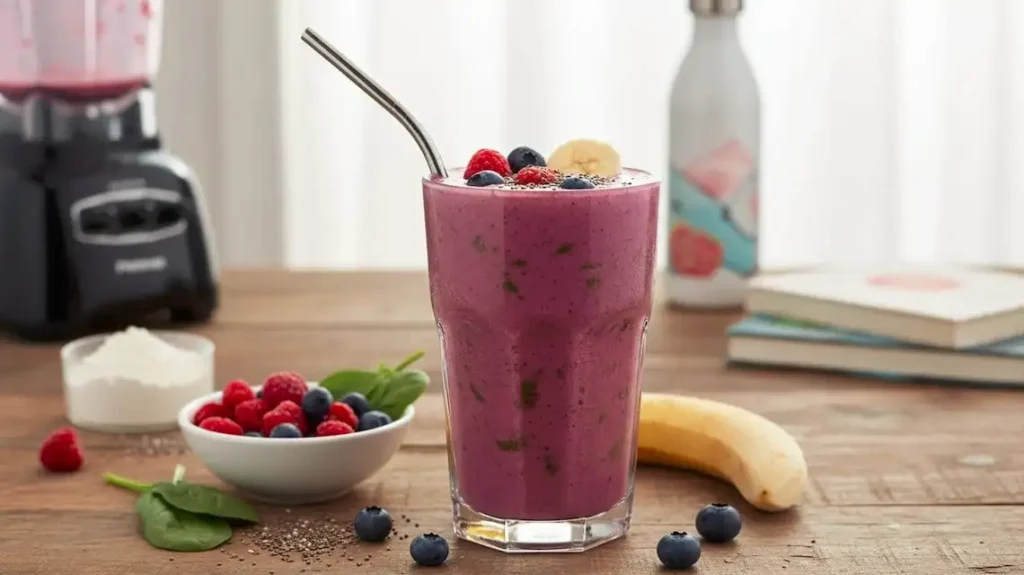
What if your bedtime drink could help you sleep better and snack less?
That is the idea behind sleep smoothies to lose weight. They are simple nighttime smoothies made with foods that help you feel calm, steady your blood sugar, and stay full so you are not raiding the pantry at 11 p.m.
In this guide, you will learn how sleep and weight are linked, how a bedtime smoothie fits into that picture, which ingredients to use, what to skip, and an easy formula you can follow every night. You will also get a couple of quick recipes to try.
These smoothies are not magic. They are a small, practical tool that supports healthy habits you are already working on.
Weight Loss Programs

Diet & Weight Loss

Diet & Weight Loss
The Mediterranean Diet – Diamond Evergreen Digital Diet Program
Diet & Weight Loss
Diet & Weight Loss
How Sleep Affects Weight Loss (And Where Smoothies Fit In)
Poor sleep makes weight loss harder, plain and simple. When you sleep less, your body releases more of the hunger hormone ghrelin and less of the “full” hormone leptin. That mix can leave you hungrier the next day, even if you ate enough.
Tired brains also crave quick energy. That often looks like sugar, white bread, and heavy snacks. You may notice that after a short night, it feels harder to say no to sweets or stop at one serving.
Lack of sleep can drain your energy so you move less and sit more. Fewer steps plus more snacks is a tough combo for fat loss. Over time, this can slow your progress even if your daytime meals look pretty good.
Sleep smoothies to lose weight sit in this gap. A planned, light smoothie before bed can:
- Take the edge off hunger
- Provide slow-digesting carbs and protein
- Help you feel calm as you wind down
When late-night eating feels more controlled, your overall calories usually drop. That is where the real weight loss comes from. If you want more recipe ideas, you can also look at sleep-friendly smoothie recipes packed with nutrients for extra inspiration.
Why late night cravings hurt your goals
Late at night, many people reach for ice cream, cookies, or chips. These snacks are often high in sugar, fat, and calories, and it is easy to overeat when you are tired or distracted by TV.
Heavy snacks can spike your blood sugar, then drop it again, which may wake you up or make it harder to fall asleep. You end up with more calories and worse rest at the same time.
In many cases, you are not even truly hungry. You are bored, stressed, or just used to eating while you relax. A small, planned sleep smoothie that fits your daily calorie target is a much better choice than random grazing.
How a sleep smoothie can support better rest and fat loss
A good sleep smoothie works in a few simple ways:
- Slow carbs and protein help keep blood sugar steadier during the night, so you are less likely to wake up hungry.
- Protein and fiber increase fullness, which can stop “just one more snack” before bed.
- Calming ingredients, like tart cherry or banana, may help you relax and fall asleep faster.
- A planned smoothie replaces unplanned treats, which can lower your total calorie intake.
Sleep smoothies to lose weight are helpers, not heroes. You will see the best results when you pair them with an overall calorie deficit, daily movement, and mostly whole foods. For more background on how smoothies can fit a weight loss plan, you can check out these smoothie recipes that can help with weight loss.
Best Ingredients For Sleep Smoothies To Lose Weight
The best sleep smoothies use simple, familiar foods. You do not need rare powders or fancy superfoods. Aim for ingredients that give you protein, fiber, gentle carbs, and soothing flavor.
Protein and fiber to keep you full all night
Protein and fiber are your best friends in a nighttime smoothie. They control hunger and help your body repair while you sleep.
Good protein options:
- Greek yogurt
- Cottage cheese
- Whey or plant-based protein powder
Reliable fiber sources:
- Chia seeds
- Ground flaxseed
- Rolled oats
Protein supports your muscles, especially if you work out. Fiber slows digestion and helps you stay satisfied longer. Try to include at least one protein and one fiber source in every sleep smoothie to lose weight so it feels like a real mini-meal, not just a sweet drink.
Fruits and flavors that support calm sleep
Fruits add natural sweetness, vitamins, and sometimes a bit of sleep support. Keep portions modest so calories stay in check.
Great options include:
- Tart cherry juice or frozen cherries, which contain natural melatonin
- Banana, which offers magnesium and a creamy texture that feels comforting
- Kiwi, which some small studies link with better sleep quality
- Berries, such as blueberries or strawberries, for fiber and antioxidants
If you need more sweetness, use a small drizzle of honey instead of large amounts of sugar or syrups. For flavor, try cinnamon, vanilla extract, or a pinch of cocoa powder. These add taste without many extra calories.
Smart fats and liquids that keep calories in control
Healthy fats help with fullness, but it is easy to overpour. A teaspoon of almond butter, peanut butter, or a few walnuts is usually enough for a bedtime smoothie. More than that and your “light snack” starts to look like a full dessert.
For liquids, keep it light:
- Water
- Unsweetened almond milk
- Light soy milk
Juice and sweetened milks stack up calories and sugar fast. If weight loss is your goal, they can turn sleep smoothies to lose weight into the opposite of what you want. For more ideas on nighttime blends, you can see how others structure a nighttime smoothie for weight loss.
How To Build Your Own Sleep Smoothie To Lose Weight
Think of a bedtime smoothie like a simple formula. You mix and match a few pieces, and you are done in minutes.
The key is portion control. Most people do well with a sleep smoothie in the 150 to 300 calorie range, depending on their size and goals. That is enough to stop cravings, but not so much that it stalls fat loss.
A simple formula you can follow every night
Use this easy template as your base:
- Choose your liquid: about 1 cup water, unsweetened almond milk, or light soy milk.
- Add protein: ½ cup Greek yogurt or cottage cheese, or 1 small scoop protein powder.
- Add fiber or healthy fat: 1 tablespoon chia or ground flax, 2 tablespoons oats, or 1 teaspoon nut butter.
- Add sleep-friendly fruit: ½ frozen banana, ½ cup cherries, or ½ cup mixed berries.
- Boost flavor: cinnamon, vanilla extract, or a teaspoon of cocoa.
- Blend and taste: add a little more liquid if it is too thick.
Adjust the amounts to fit your daily calories. If you are already close to your limit, use more water and less nut butter or oats.
Two easy sleep smoothie recipes for weight loss
Here are two quick ideas built from that formula.
Tart Cherry Almond Protein Smoothie
- 1 cup unsweetened almond milk
- ½ cup plain Greek yogurt
- ½ cup frozen tart cherries
- 1 tablespoon chia seeds
- 1 teaspoon almond butter
- Pinch of cinnamon
Blend until smooth. This one is tangy, a bit nutty, and very satisfying.
Creamy Banana Cinnamon Oat Smoothie
- 1 cup water or unsweetened almond milk
- ½ frozen banana
- ¼ cup rolled oats
- ½ scoop vanilla protein powder
- 1 teaspoon ground flaxseed
- ½ teaspoon cinnamon
Blend well and let it sit a minute so the oats thicken. It feels like a light, drinkable bowl of banana oatmeal. For more fat-burning ideas you can compare with these fat-burning smoothies for weight loss.
Conclusion
Good sleep and smart evening habits make weight loss feel easier, not harder. Sleep smoothies to lose weight give you a simple way to handle late-night hunger, support calmer rest, and avoid random snacking.
Start small. Pick one of the basic recipes, try it for a week, and notice how your hunger, cravings, and sleep quality change.
Remember, the smoothie is just one part of a balanced plan that includes whole foods, daily movement, and plenty of water.
With a few favorite ingredients and a blender, you can build a relaxing nighttime routine and a sleep smoothie habit that works with your goals instead of against them.
Sleep Smoothies To Lose Weight FAQs:
What exactly is a “sleep smoothie” for weight loss?
A sleep smoothie is a light, nutrient-focused drink you have in the evening that supports better sleep and helps control overall calories.
For weight loss, the goal is simple: give your body enough protein and fiber to keep you satisfied at night, without a big sugar spike or a heavy calorie load.
Many sleep smoothies include ingredients like Greek yogurt, tart cherry, banana, oats, chia seeds, and unsweetened milk or plant milk. These can support relaxation and full-body recovery, while still fitting into a calorie deficit.
Can a bedtime smoothie really help me lose weight?
A smoothie by itself will not make you lose weight. Weight loss still comes from eating fewer calories than you burn.
What a bedtime smoothie can do is support that calorie deficit in a realistic way. For example, it can help you:
- Avoid late-night junk food
- Sleep better, which supports hunger hormones
- Feel more satisfied, instead of going to bed very hungry
If your sleep smoothie fits into your daily calorie goal and keeps you from overeating at night, then yes, it can help your weight loss plan.
What ingredients should I put in a sleep smoothie to support fat loss?
Focus on protein, fiber, and calm-friendly ingredients, not sugar. Good options include:
- Protein base: Greek yogurt, cottage cheese, protein powder (whey, casein, or a plant blend)
- Fiber and healthy fats: chia seeds, ground flax, oats (small amount), avocado
- Fruits in moderation: banana (half), berries, tart cherry, kiwi
- Liquid: unsweetened almond milk, oat milk, low-fat dairy milk, or water
Try to limit juice, flavored syrups, and large amounts of honey or agave. A very sweet smoothie at night can spike blood sugar, then crash it, which may hurt sleep and hunger control.
When should I drink a sleep smoothie at night?
Most people do best when they finish a sleep smoothie about 60 to 90 minutes before bed.
This timing gives your body a chance to digest without you going to bed uncomfortably full. It also helps steady blood sugar and reduces the chances of waking up hungry in the middle of the night.
If you have reflux or a sensitive stomach, keep the portion smaller and try to finish closer to 2 hours before bed.
How many calories should a nighttime weight loss smoothie have?
For most adults who are trying to lose weight, a sleep smoothie usually lands between 150 and 300 calories, depending on:
- Your total daily calorie target
- How big your dinner is
- Your height, weight, and activity level
If you already had a large dinner, a lighter 150 to 200 calorie smoothie might be enough. If you tend to eat early and feel hungry at night, 250 to 300 calories with more protein and fiber can keep you satisfied.
Are carbs at night bad if I want to lose weight?
No, carbs at night are not automatically bad for weight loss. Total daily intake matters more than exact timing.
In fact, a moderate amount of carbs at night can help some people relax and may support better sleep. The key is choosing slower-digesting carbs, like oats, berries, or half a banana, instead of sugary drinks or candy.
If your sleep smoothie fits your daily calories and macro goals, the carbs in it will not stop fat loss.
What should I avoid putting in a sleep smoothie for weight loss?
To keep your sleep smoothie weight-loss friendly, use these as “go easy” items:
- Large amounts of fruit juice
- Sugary yogurts or ice cream
- Heavy cream or full-fat coconut milk in big amounts
- Big spoonfuls of peanut butter plus other fats in the same drink
- Added sugar, syrups, or flavored coffee creamers
These ingredients can turn a 250-calorie smoothie into a 600-calorie dessert fast. That can stall progress if it pushes you over your daily calorie target.
Can a smoothie before bed harm my sleep?
It can, if it is too large, too sugary, or has too much caffeine. Common sleep disruptors in smoothies include:
- Coffee or strong green tea in the blend
- High sugar from juice, sweetened yogurt, or lots of honey
- Very large volume that makes you feel overly full
To protect sleep, keep the portion moderate, use unsweetened liquids, and avoid caffeinated add-ins at night. Some people also sleep better when they go lighter on chocolate and cocoa in the evening.
What are some good “sleep-friendly” ingredients to try?
Several ingredients are often used in smoothies that support relaxation and better sleep quality:
- Tart cherry: natural source of melatonin
- Kiwi: may support sleep onset for some people
- Banana: contains magnesium and potassium, can help muscles relax
- Oats: slow carbs that can help steady blood sugar
- Magnesium-rich add-ins: pumpkin seeds, spinach, cacao powder in small amounts
Used in the right portions, these can help you feel calm and comfortable as you wind down.
Should my sleep smoothie be high in protein?
A higher protein content is usually helpful if you want to lose fat and protect muscle. For a nighttime smoothie, aim for 15 to 30 grams of protein, depending on your size and needs.
Protein helps:
- Keep you full during the night
- Support muscle repair while you sleep
- Reduce cravings the next day
Greek yogurt, cottage cheese, or a scoop of protein powder make it easier to hit that range without adding too many calories.
Is it better to drink a sleep smoothie instead of eating dessert?
For many people, yes, a smartly built sleep smoothie is a better choice than a typical dessert.
A smoothie can give you protein, fiber, and micronutrients, instead of mostly sugar and fat. It can still feel like a treat, especially if you use cocoa powder, a little frozen banana, and vanilla.
If you often snack on cookies, ice cream, or chips at night, swapping a controlled-calorie sleep smoothie can meaningfully cut your intake while keeping you satisfied.
Can I have a sleep smoothie every night and still lose weight?
You can, as long as you keep your overall calories in check and the smoothie is balanced. Nightly smoothies are fine if:
- They fit your daily calorie goal
- You are still eating enough whole foods in your meals
- You are not using them to “hide” overeating earlier in the day
Use your progress and how you feel as feedback. If your weight is dropping at a steady pace, your energy is good, and sleep feels better, your routine is likely on track.

The AnySmoothie team is all about smarter smoothie recipes made with whole-food ingredients. Everything we share centers on balanced nutrition, steady energy, and low-glycemic choices, so you can sip a smoothie that keeps you full, feels good, and helps you avoid sugar crashes.
- Disclaimer: This content is for educational use only. These smoothie recipes and nutrition details aren’t a substitute for medical advice from a licensed health professional. Please read our full Medical Disclaimer here.
Dietary Supplements

Dietary Supplements
Dietary Supplements
Dietary Supplements

Dietary Supplements